




What to expect from these engineering guides
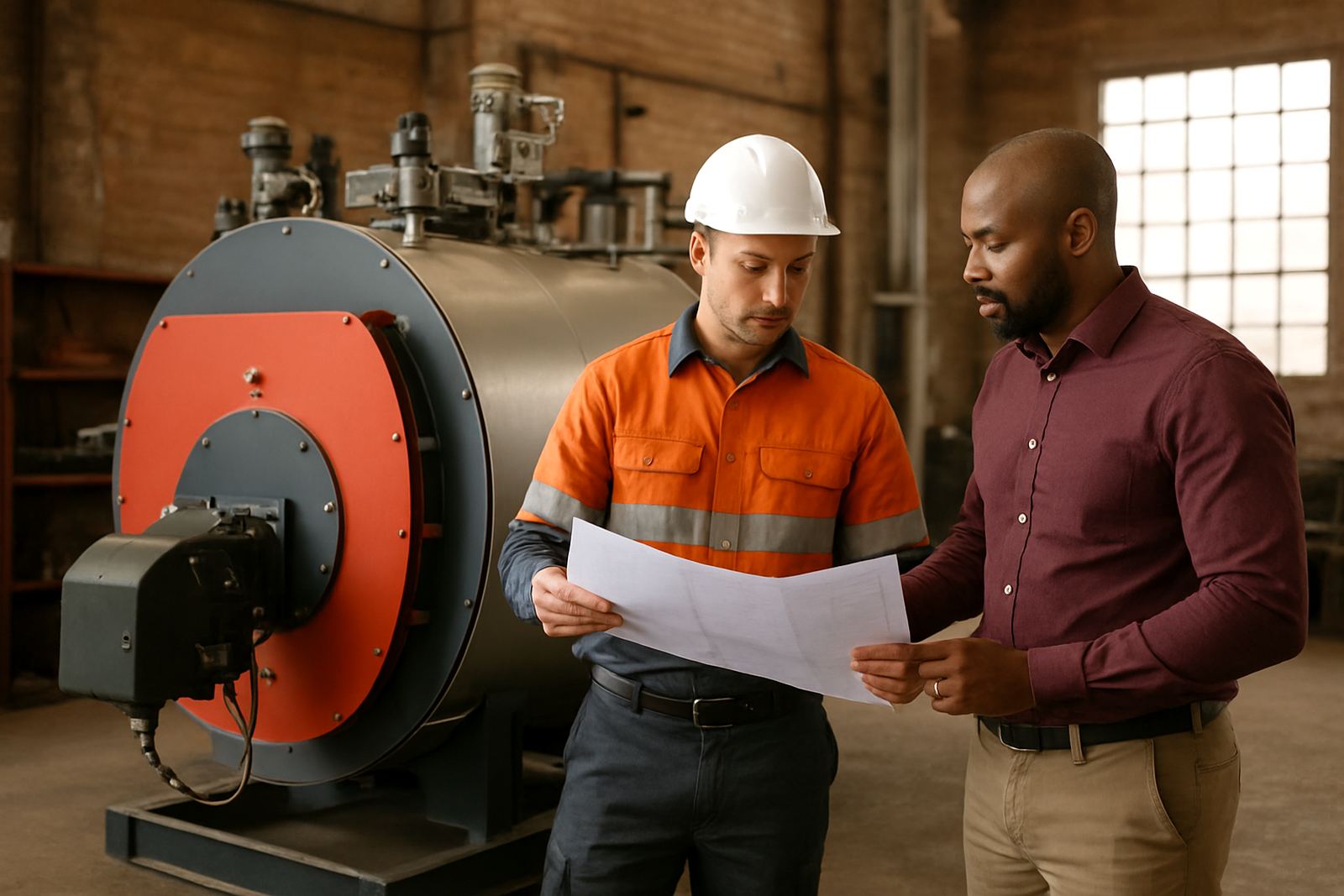
If you are comparing boiler plant, hot water systems or thermal equipment for a commercial site, the first step is to match the guide to the job. Some pages help with initial selection, while others deal with maintenance planning, site preparation, compliance checks and lifecycle costs. That saves time when you are dealing with tight shutdown windows or a plant room that cannot be taken offline for long.
These guides are written for practical use on South African sites. That means thinking about power interruptions, municipal water quality, coastal humidity, access for lifting equipment, and the space needed for safe maintenance. A system that looks suitable on paper can still cause problems if the steam load, water treatment or flue arrangement is not considered early enough.
Choosing the right equipment for the duty
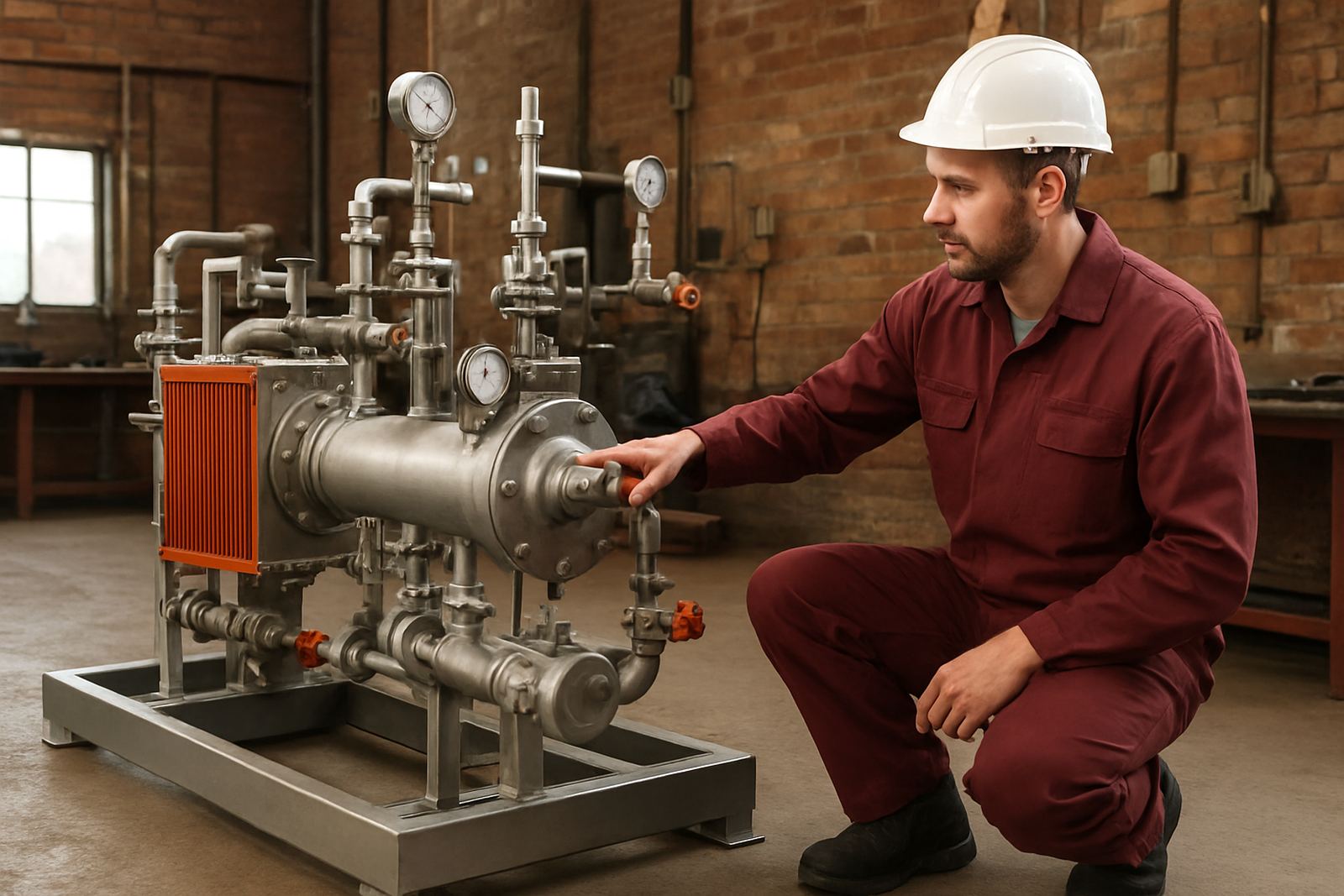
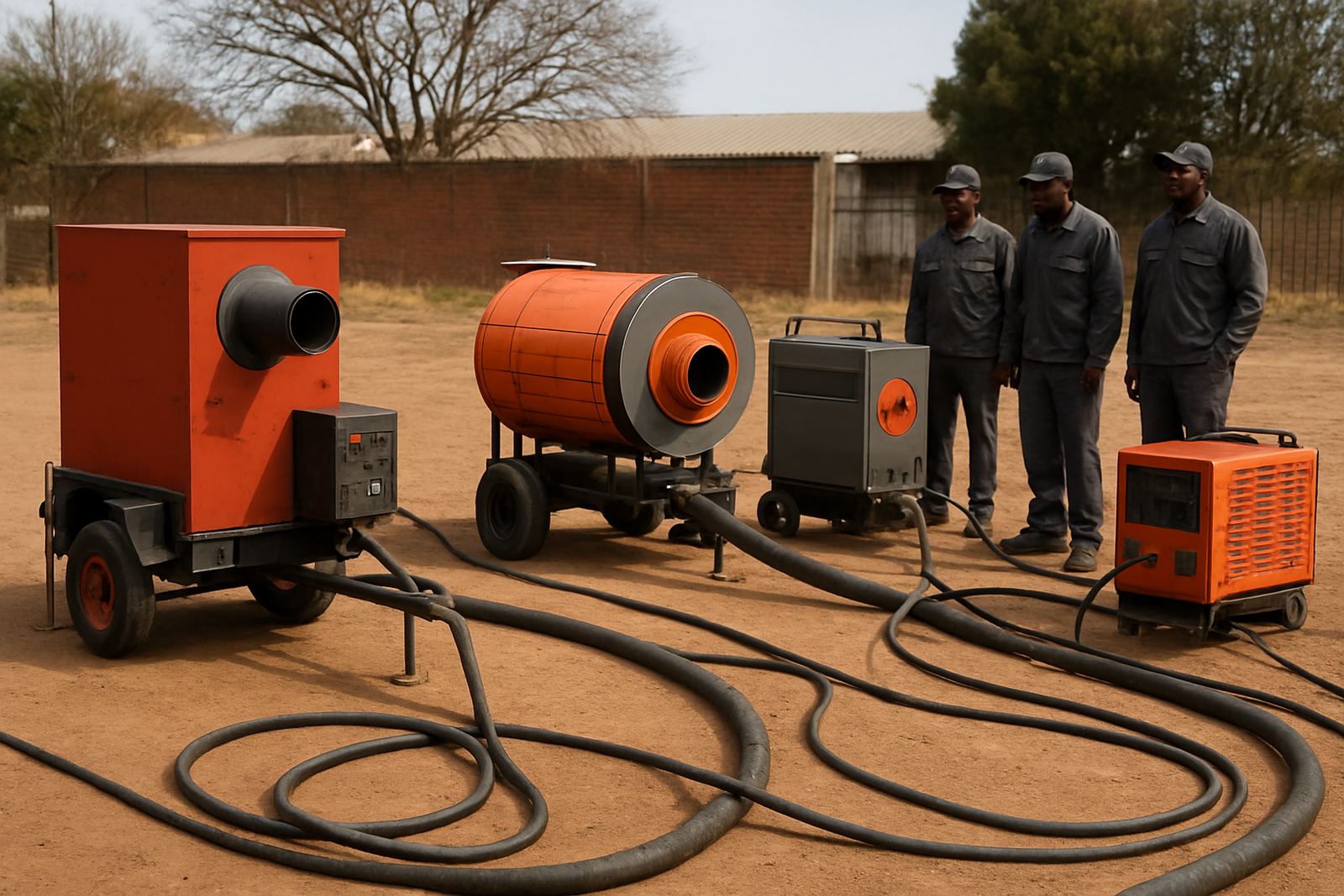
Boilers, calorifiers, inline heaters and incinerators each solve a different plant need. The right choice depends on output, operating hours, water quality, available services and the way the plant is used day to day. A short duty cycle in an industrial workshop is not the same as a busy healthcare, food or hospitality environment where hot water demand can change quickly.
We look at practical points such as heat output, recovery time, burner control, circulation, access for cleaning and the space needed around the unit. In many cases the cheapest option at purchase is not the best value over five to ten years, especially where fuel costs, scaling or repeated callouts become part of the total spend.
- Define the actual load, not only the nominal nameplate size
- Check whether the site needs standby capacity or staged operation
- Allow for future expansion if the plant is likely to grow
- Match materials and components to water chemistry and environment
Budgeting for installation and lifecycle cost
A realistic budget covers more than supply alone. Buyers need to allow for civil work, pipework changes, electrical connections, flue systems, water treatment, commissioning and access equipment. If an existing plant room needs refitting, there may also be removal costs, lifting plans and temporary plant arrangements.
Lifecycle cost matters just as much. That includes fuel use, maintenance frequency, spare parts, inspection intervals and unplanned downtime. A unit that is simple to service can save a site a fair amount over time, especially where technicians must work around production shifts or load shedding. If a site is far from a major centre, response times and logistics should also be built into the budget.
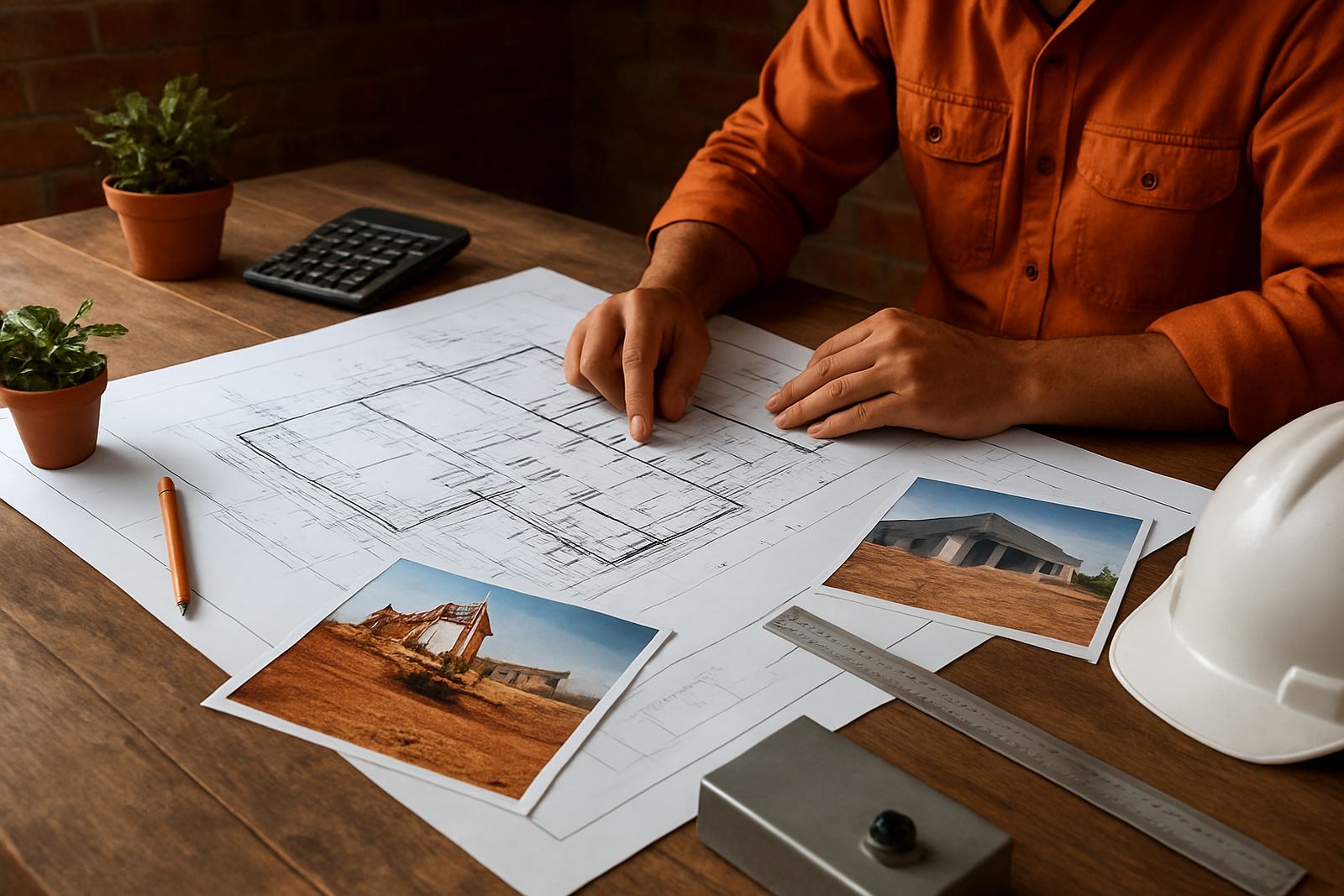
Installation readiness before work starts
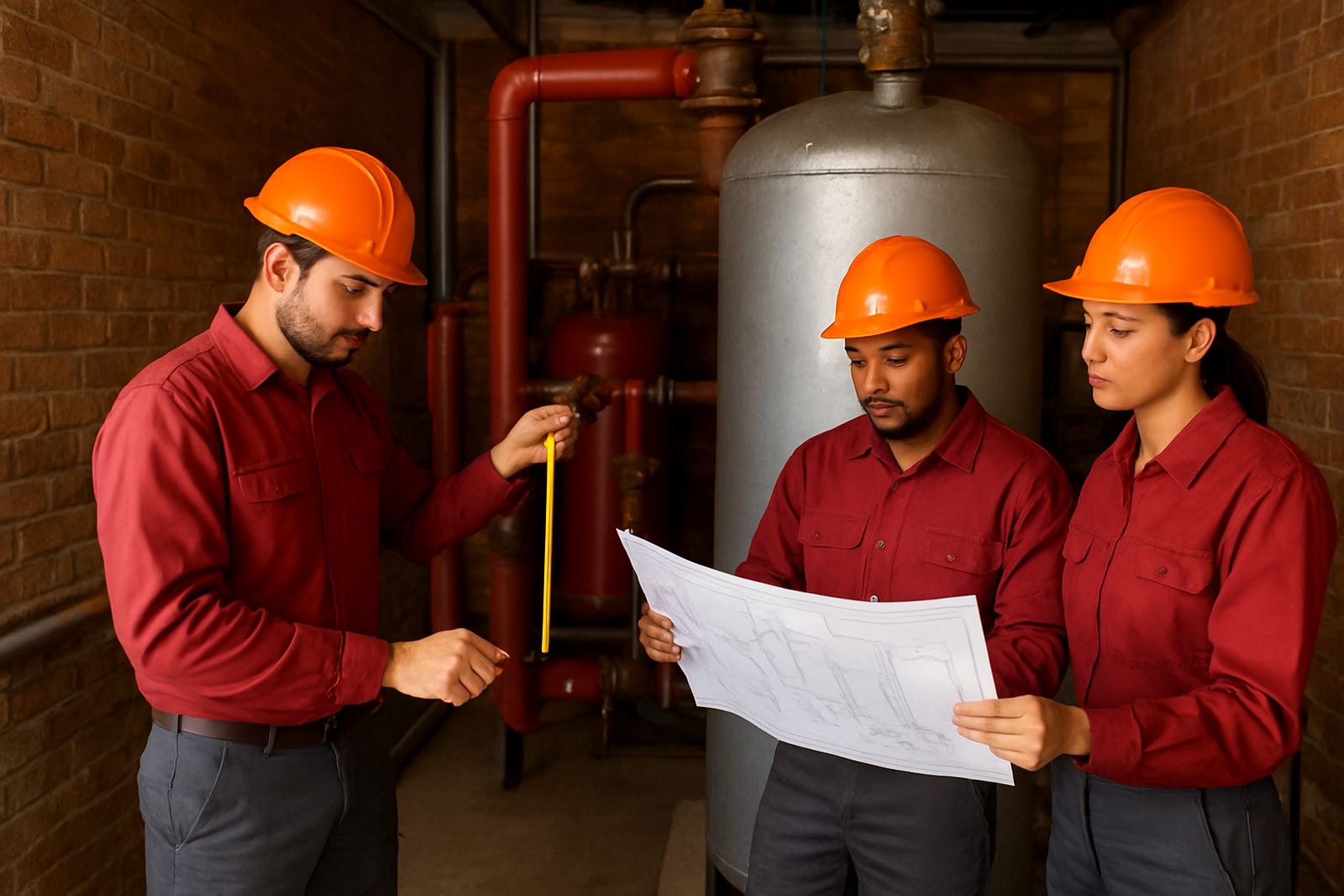
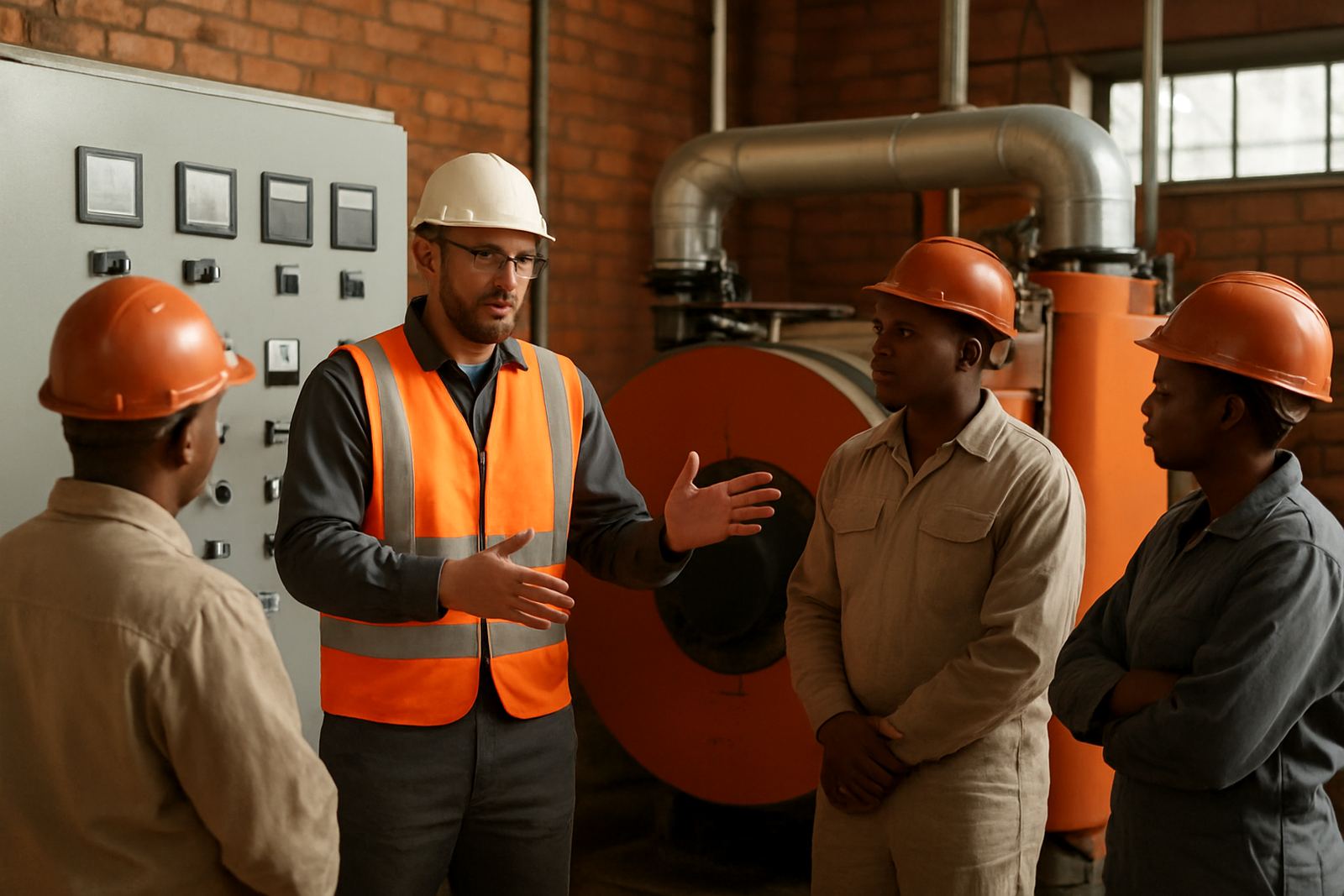
Good preparation reduces delays on site. Before installation starts, the plant room should be checked for floor loading, ventilation, drainage, flue routing, pipe supports and safe access for tools and lifting gear. If there is corrosion around existing pipework or signs of scale in the system, those issues should be dealt with before new equipment is tied in.
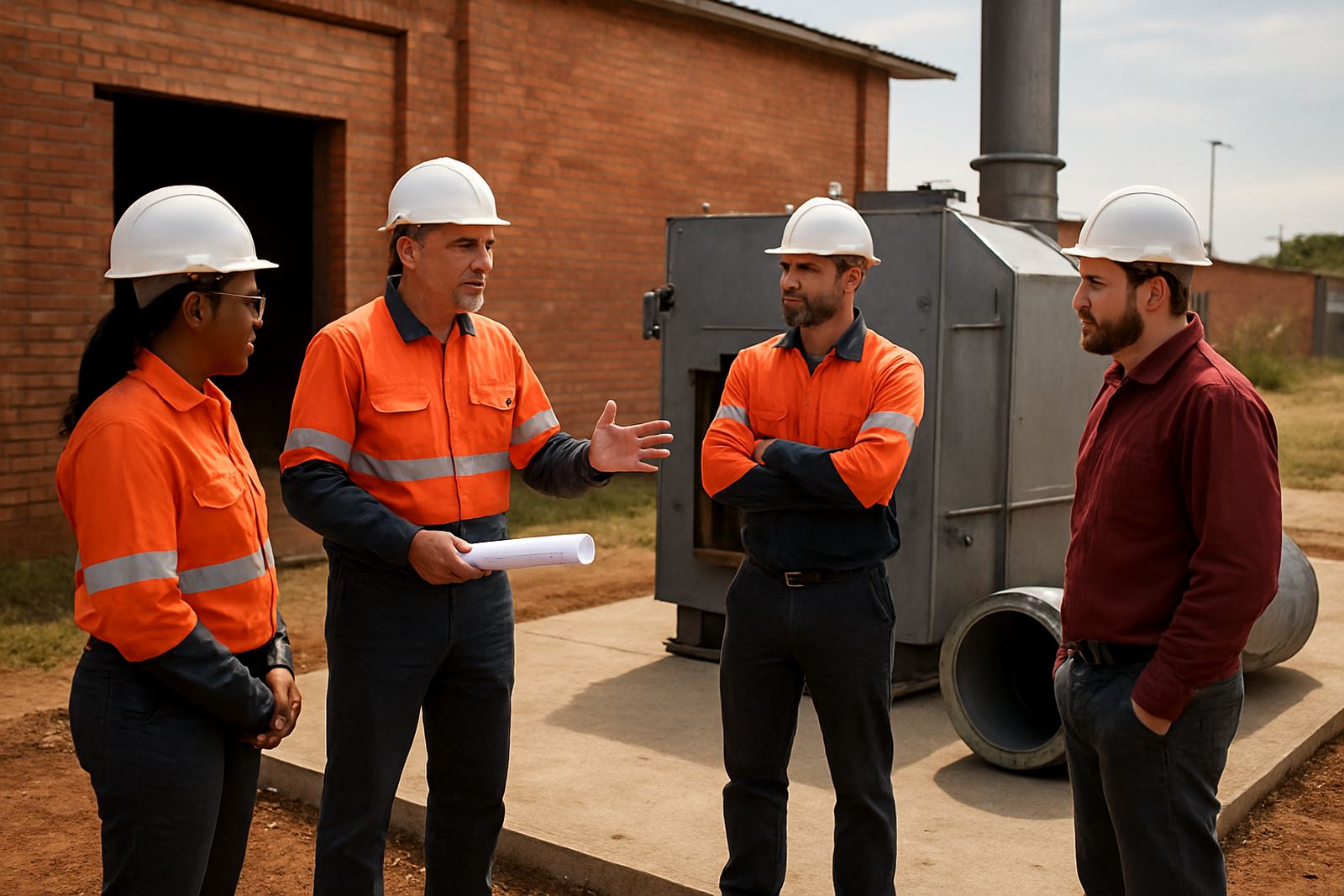
For Gauteng sites, dust control and tight access often matter. In coastal areas the same job may need extra attention to corrosion protection, electrical enclosures and external insulation. Municipal rules can also affect discharge points, drainage and fire safety arrangements. It is better to sort those items early than to discover them during final inspection.
- Confirm fuel, power and water connections in advance
- Check flue clearances and termination points
- Allow space for future maintenance and tube cleaning
- Plan shutdown timing around production or occupancy needs
Maintenance planning that protects plant value
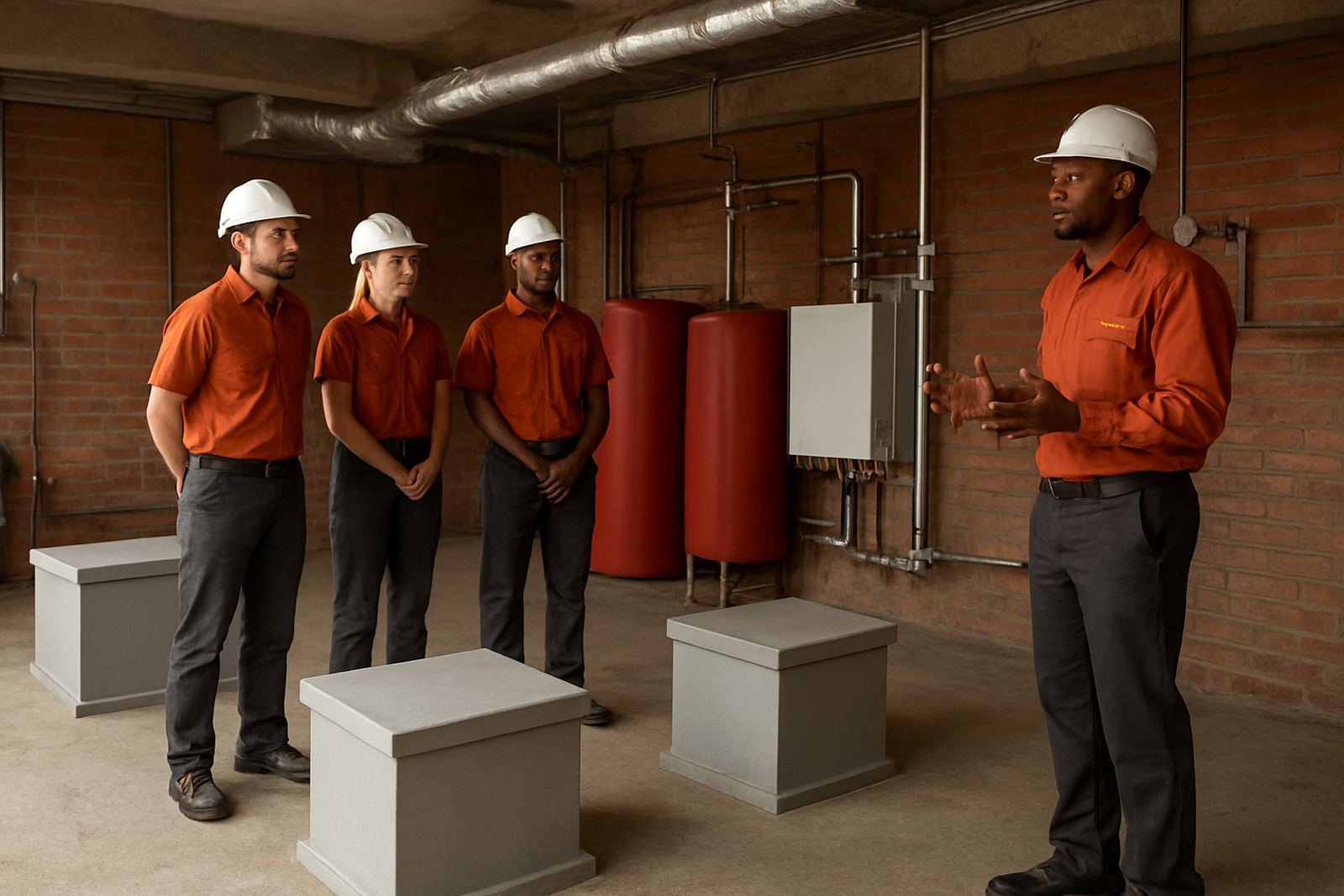
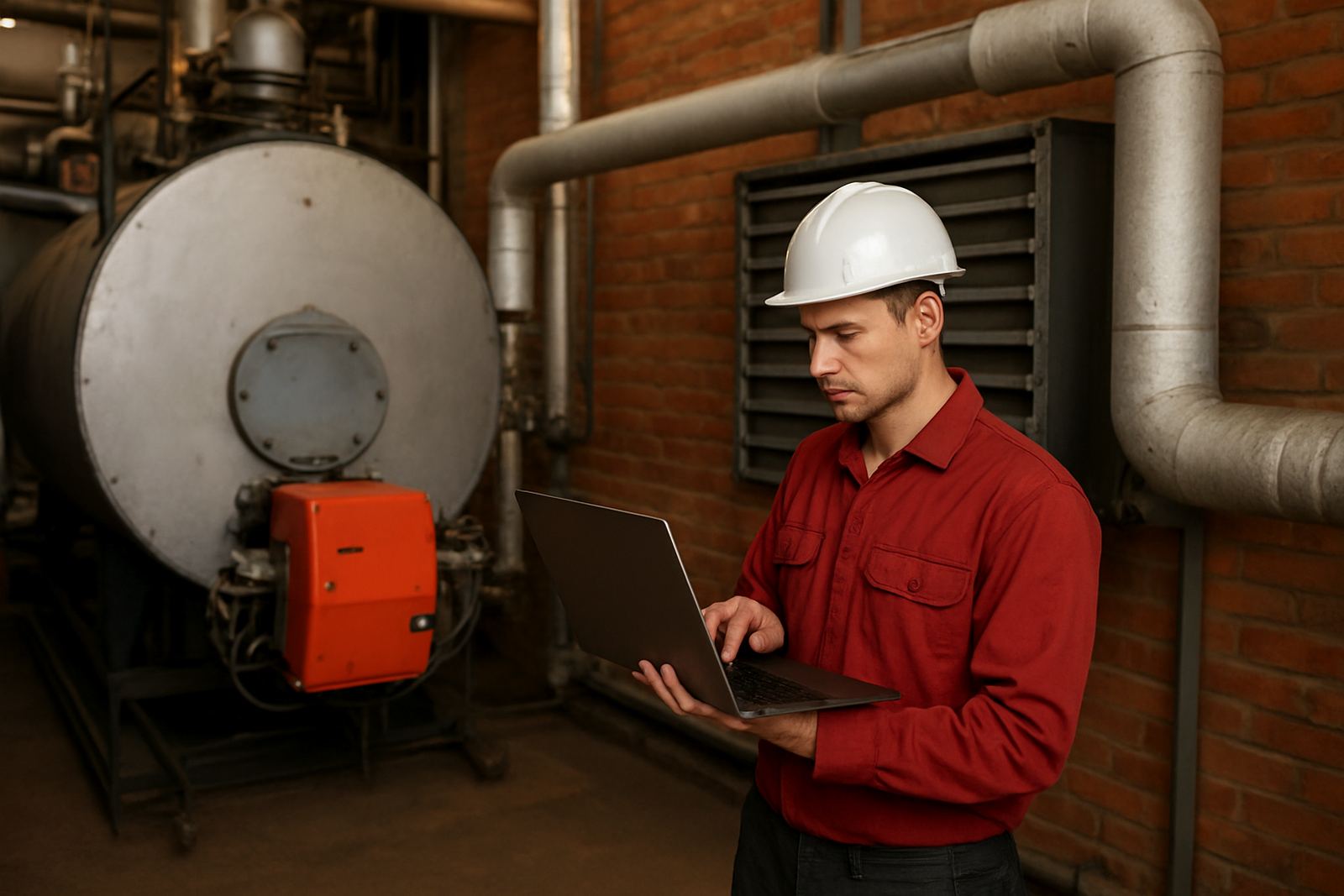
Regular servicing keeps the plant safer and easier to run. That includes combustion tuning, burner checks, water treatment support, refractory relining where needed, and annual inspections that pick up wear before it turns into failure. For many sites, the maintenance plan should also consider emergency callouts and the age of the plant so that spares and labour can be arranged before peak demand periods.
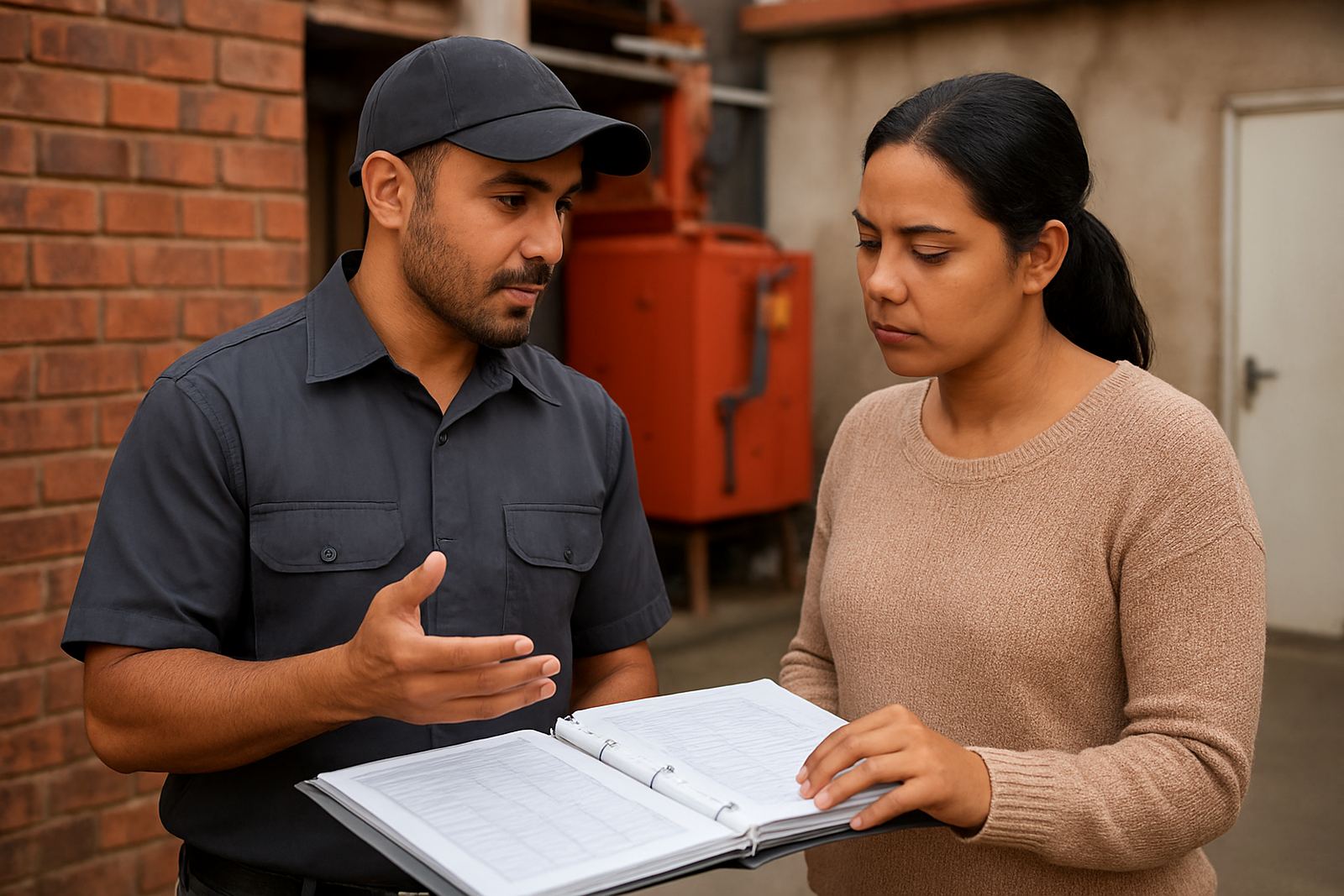
We often remind site teams that a small problem becomes expensive when ignored. A slow leak, poor flame pattern or failing control can increase fuel use and shorten equipment life. If the plant is critical to production or hot water supply, planned maintenance is usually cheaper than reacting to breakdowns on a cold morning when the building is full and the line is already under pressure.
How to use the guide library on this hub
This hub brings the topics together so buyers and site teams can move from general planning into the detail that applies to their plant. Start with the guide that matches your project stage, then compare it with the others if you are still weighing up costs or operational risk. The card listing below this section is added separately, so you can move quickly to the subject you need.
If your site is in Boksburg, Kempton Park, Germiston, Pretoria, Midrand or Sandton, our local teams can help with inspections, repairs and project planning. National service support is available too, which helps when a plant has branches in more than one province or when shutdown dates have to be co-ordinated across multiple sites.