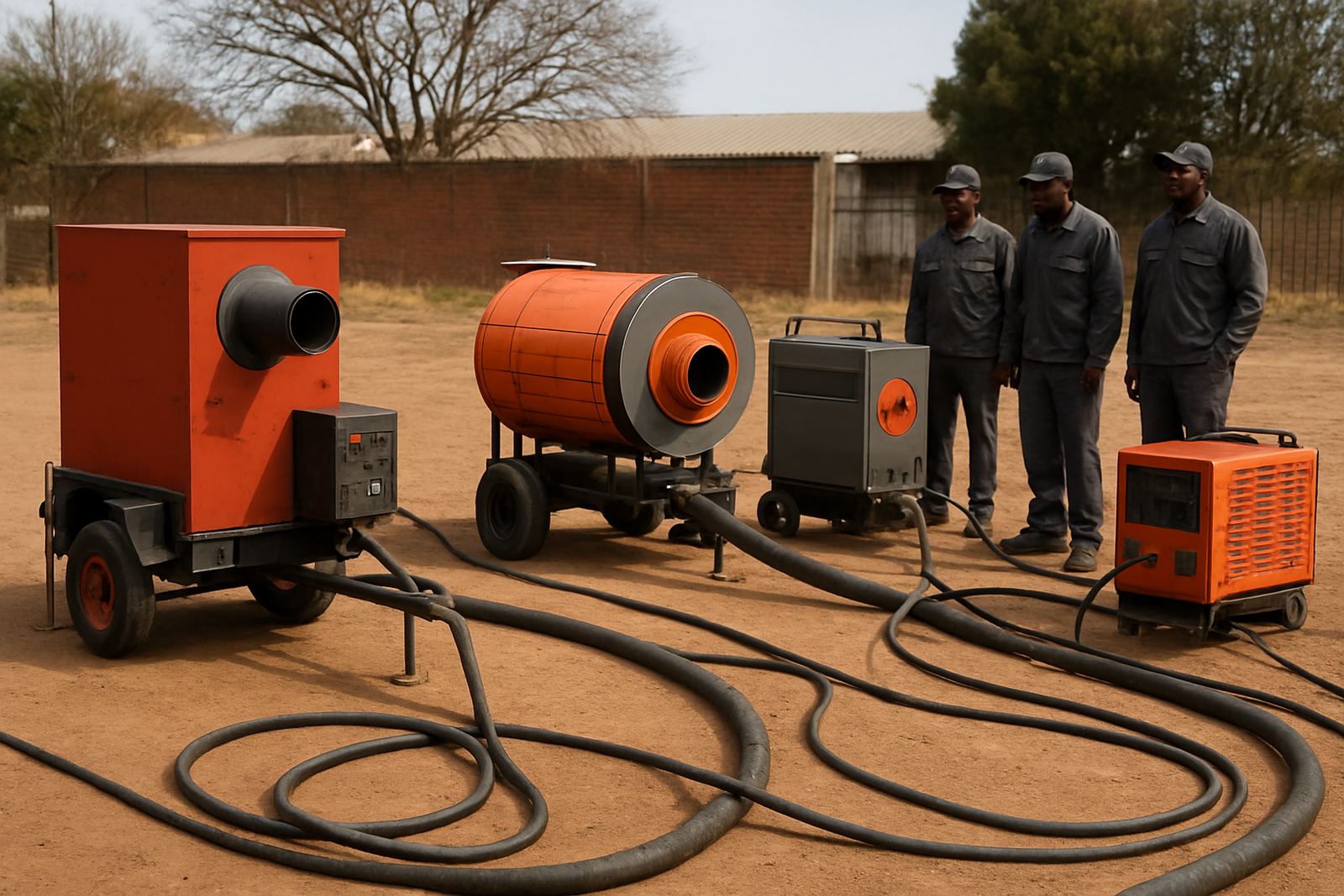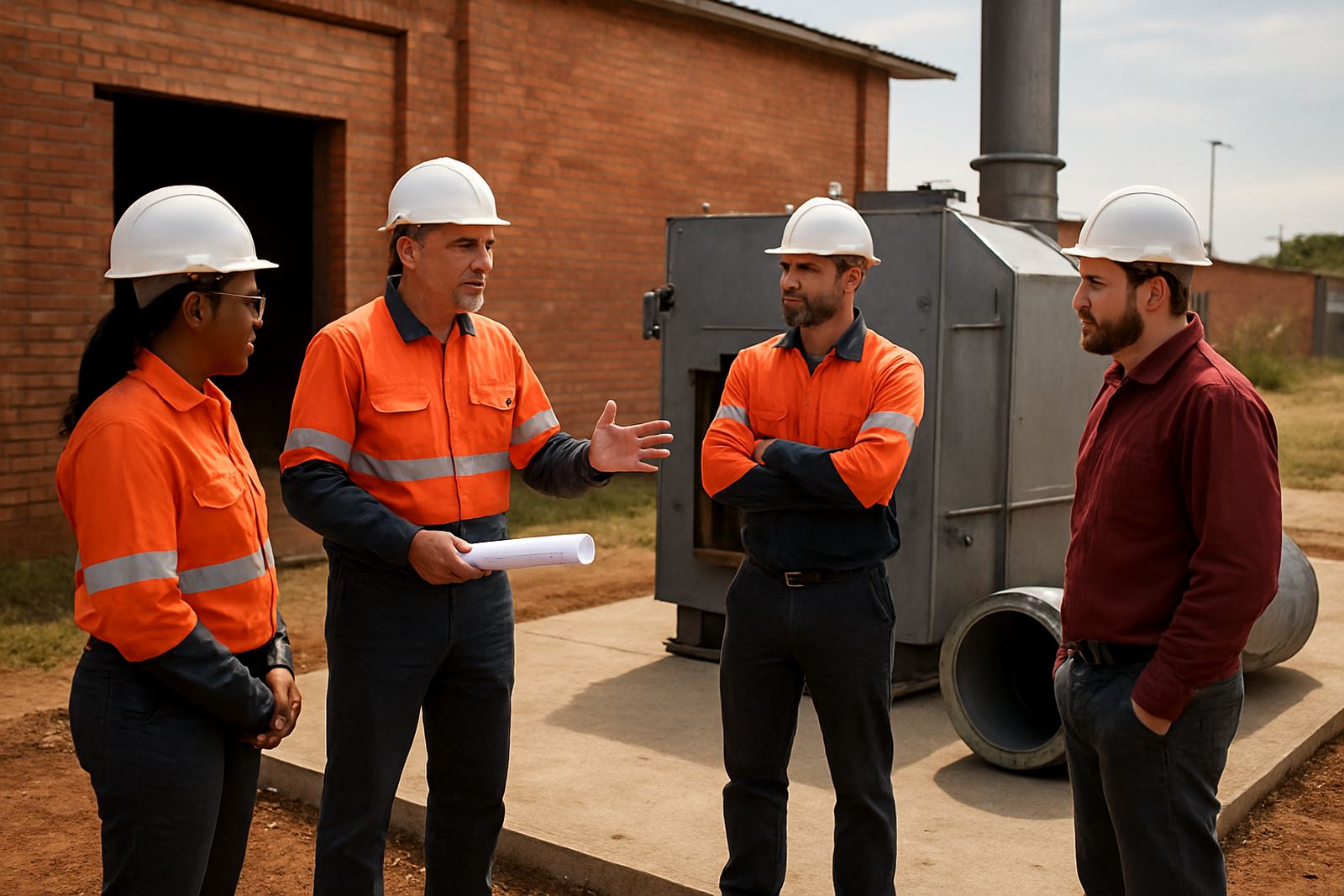
Start with the waste stream and daily load
The first question is simple: what must be destroyed, how much of it arrives each day, and in what form? A clinic, food plant, warehouse, animal by-product site, or municipal facility will each need a different firing schedule and different chamber size. If the incoming material is wet, packaged, bulky, or mixed with metal and plastic, the project needs more thought than a basic nameplate capacity.
Work with average daily tonnage or kilograms, then check peak days, not only the normal week. In practice, many sites in Gauteng run well for most of the month and then struggle after shutdowns, audits, or production peaks. If the unit is undersized, operators end up overloading the chamber, increasing smoke, fuel use, and wear on refractories.
- Measure waste by mass, not guesswork
- Record wet, dry and mixed loads separately
- Allow for peak days, not just average days
- Check whether waste must be pre-sorted or shredded
Choose chamber design that suits the operating reality
Chamber design is where many projects succeed or fail. The main chamber must hold the batch safely, maintain the right temperature, and allow enough air movement for proper combustion. A secondary chamber may be needed for cleaner burnout and better control of smoke and odour, especially where the site sits near neighbours, farms, or a busy industrial boundary.
Think about the feed method as well. Manual loading is cheaper, but it depends on trained operators and clear handling rules. Mechanical loading can improve consistency, but it adds moving parts, maintenance, and space needs around the unit. If the site has limited labour or tight turnaround times, the loading system should be planned early, not added later as a patch-up.
Also consider the materials of construction. Coastal humidity is not a problem in Gauteng, but corrosion still matters where wash water, chemical residue, or poor housekeeping are part of the plant. Refractory choice, casing thickness, access doors and burner position all affect service life and fuel consumption.
Plan the site layout before equipment arrives
An incinerator must fit the site, not the other way round. Leave space for waste delivery, turning circles, ash removal, service access and safe maintenance shutdowns. If the unit is squeezed into a narrow corner, the plant becomes hard to inspect and even harder to keep clean. That leads to delays, trip hazards, and avoidable downtime during load-shedding or after-hours calls.
In most projects, the layout should include a marked receiving area, a secure storage point for incoming material, a controlled loading zone, and a separate area for ash handling. Keep the incinerator away from admin offices, public walkways, and combustion air intakes. Allow enough clearance for inspections, burner servicing, refractory checks and future repair work.
- Check access for trucks and waste trolleys
- Provide clear space around doors and access panels
- Keep the loading area dry and slip-free
- Separate clean traffic routes from ash handling routes
Build safety, compliance and monitoring into the plan
Site safety is not only about fencing and warning signs. It also includes emergency stops, operator training, guarding around hot surfaces, fire protection, ventilation and clear rules for what may be loaded. If the project handles hazardous or medical waste, the controls must be even tighter and the paperwork must be in order. Municipal requirements, environmental controls and workplace safety rules should be checked before installation begins.
Where possible, add temperature monitoring, pressure checks and combustion control from the start. This makes it easier to keep emissions stable and helps the operator spot problems early. A well-planned unit should be easy to inspect during routine annual checks, with access to burners, fans, ducting and refractory areas. The aim is fewer surprises and less emergency work later on.
Do not forget staff training. A good machine still performs badly if the loading pattern is wrong, the doors are left open too long, or wet waste is dumped in without preparation. Clear rules save fuel, protect the lining and improve burn quality.
Allow for fuel use, utility supply and load-shedding
Energy planning matters on every incinerator project. Check the available power supply, backup power options, burner fuel storage and control panel requirements. In many areas, load-shedding or voltage dips can interrupt the process and leave partially treated waste in the chamber. That is a service issue, but it is also an operational one.
Where fuel storage is part of the scope, the layout should suit safe delivery and legal separation distances. If the site has irregular supply pressure, poor electrical quality, or long cable runs, these issues should be solved early. This is especially important for plants that need a steady heat-up cycle and predictable combustion over long shifts.
For some sites, energy recovery or heat reuse can also be planned into the project. Even a simple hot water or preheat arrangement can reduce operating cost if it is matched properly to the actual duty.
Use a proper commissioning and maintenance checklist
Commissioning should never be rushed. Before handover, the unit must be checked for burner performance, chamber temperatures, door seals, draft control, instrumentation, ash removal and emergency functions. A short trial burn is not enough if the plant will be used daily under pressure. The first few weeks usually show the real issues, such as poor loading habits, unexpected smoke, or a refractory joint that needs attention.
After that, build a maintenance schedule that fits the site. Incinerators need regular inspection of refractory lining, burners, fans, dampers, sensors and safety devices. In wet or dirty environments, cleaning intervals may need to be shorter. If the plant runs hard, plan for service stops before failure rather than after.
- Daily visual check before start-up
- Weekly cleaning of ash and access points
- Monthly inspection of seals, burners and sensors
- Annual condition check on refractory and structure
What to confirm before you sign off the project
Before sign-off, ask for a clear scope that matches the waste type, capacity, site constraints and maintenance plan. Make sure the drawings show the footprint, clearances, loading side, utility points and service access. If the project is going into a busy industrial area such as Jet Park, Boksburg, Kempton Park, Germiston, Pretoria, Midrand or Sandton, it helps to think through delivery timing, noise, access control and neighbour sensitivity as well.
A proper project file should also include operating instructions, training notes, inspection records and contact details for service support. That way the plant stays practical long after installation day.