Start With the Real Heat Demand
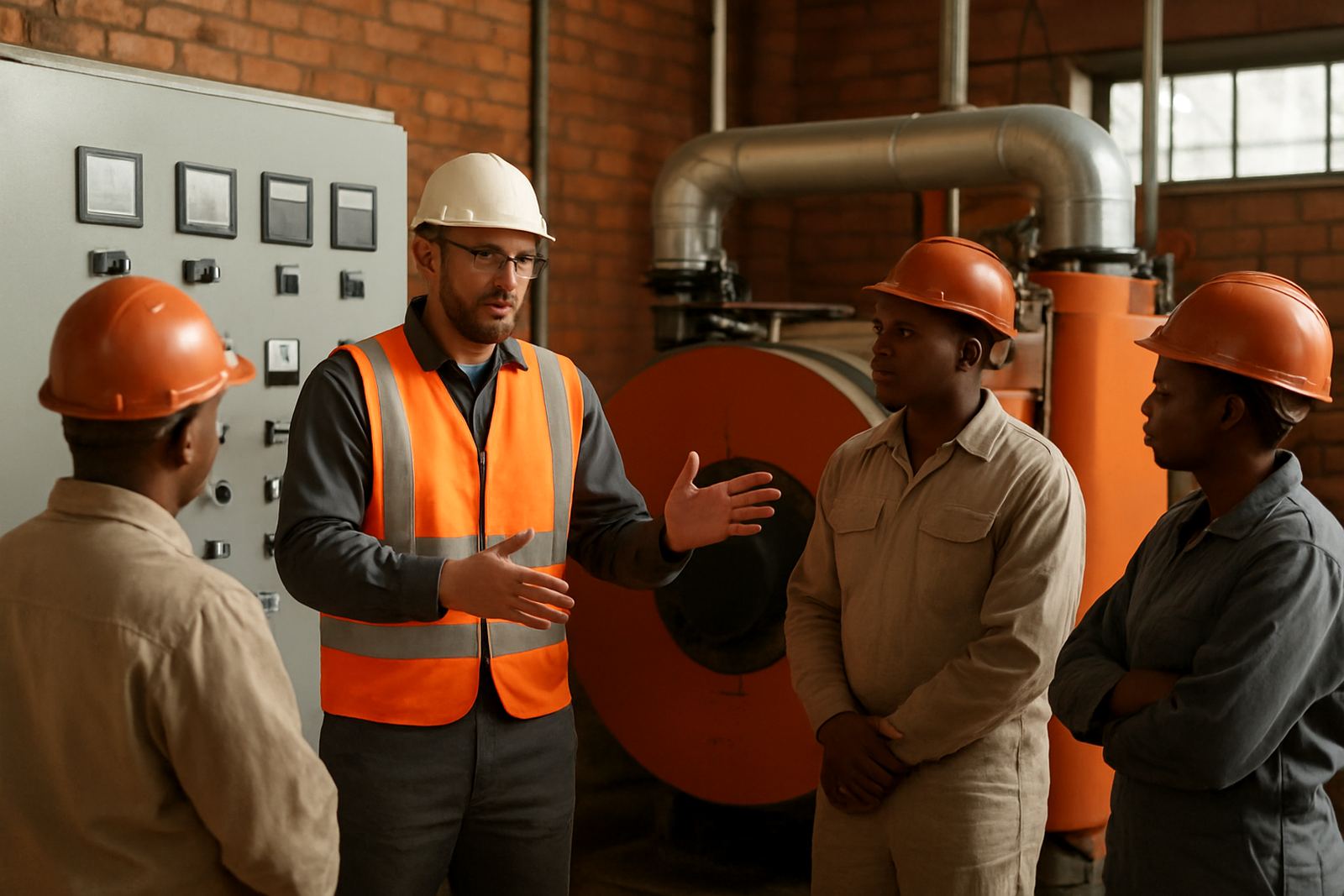
Before you compare equipment, work out what the site actually needs during the outage. A nursing facility, laundry, food plant and office block all use hot water differently. If you guess low, showers go cold and cleaning stops. If you guess high, you pay for fuel and equipment you do not need. On Gauteng sites we often find the peak demand is only for a few hours, while the rest of the day the load is much lower.
Ask for the normal water temperature, the required outlet temperature, the number of points in use at the same time, and the duration of the outage. Also check whether the site needs process heat, sanitary hot water, or both. This one step makes the comparison far more accurate.
- Peak litres per hour
- Required temperature rise in °C
- Hours of operation per day
- Space available for temporary plant
- Access for tanker, trailer or crane
Compare Boiler, Calorifier and Inline Heater Options
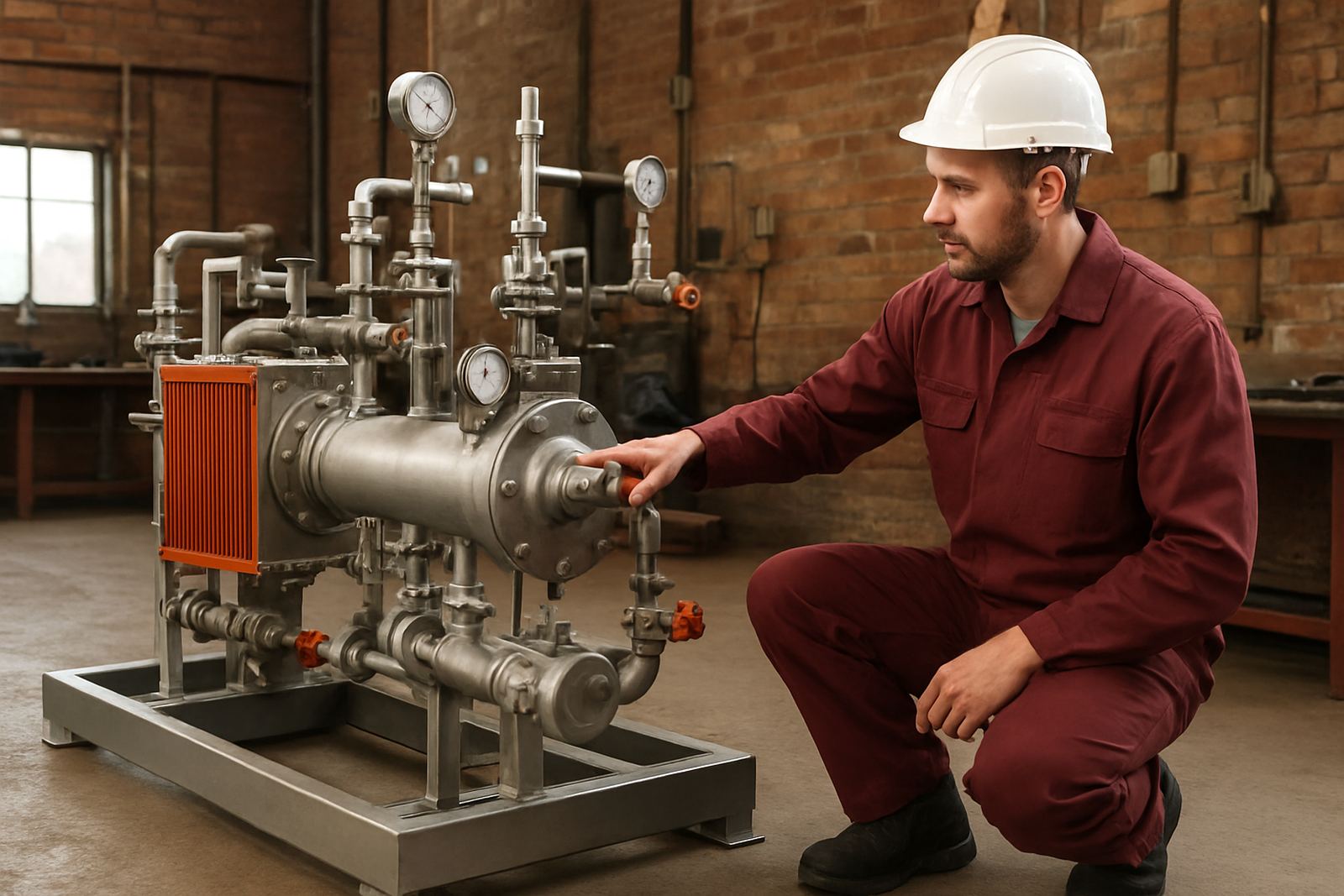
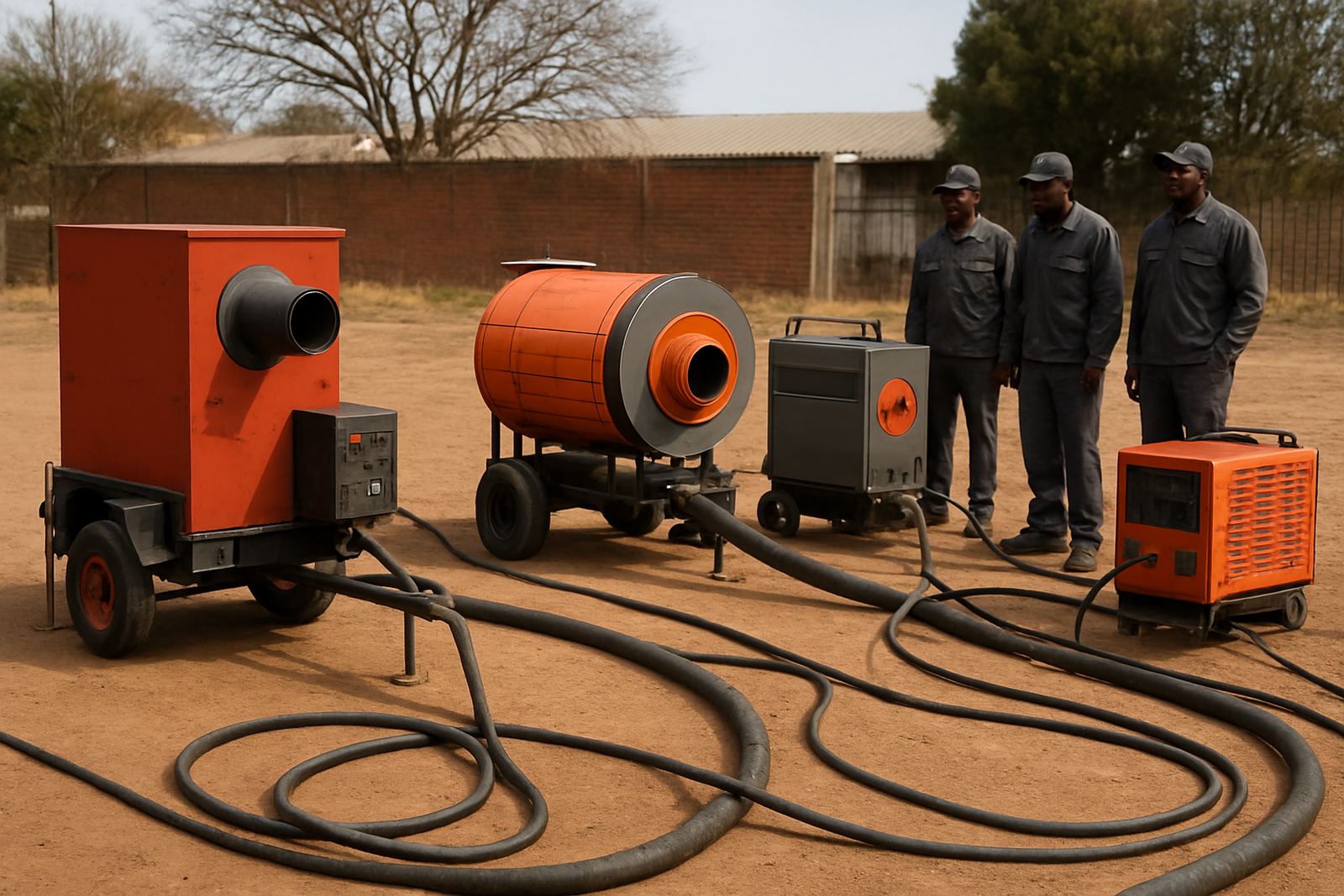
Temporary heat can come from different sets of equipment. A boiler gives you a central heat source and works well where there is a plant room, a buffer tank and a steady load. A calorifier suits stored hot water systems when you need volume ready for use. An inline heater can be useful where point-of-use heating is needed and space is tight. The right choice depends on your process and the existing installation, not just on what is available first.
Compare recovery time, footprint, fuel use and how quickly the unit can be tied into your current pipework. For many industrial sites, the best answer is a temporary boiler feeding the existing hot water circuit, with the controls set for the exact demand. On smaller commercial sites, a compact inline unit may keep showers and basins running until permanent repairs are done.
- Heat output in kW or MJ/h
- Recovery speed after peak use
- Compatibility with existing pumps and controls
- Fuel type and delivery method
- Noise level if the unit sits near occupied areas
Check Fuel, Power and Load-Shedding Risk
Temporary heat does not only depend on the heater itself. You also need enough fuel, stable electrical supply and safe backup for load-shedding. If the burner, controls or circulating pumps lose power during an outage, the whole setup can trip. That is why it helps to compare the full package, not just the heating unit.
Diesel is common for temporary boiler work because it can be brought in quickly and stored on site with the right precautions. Gas may suit some sites, but supply and storage rules need attention. For electric inline heaters, check whether the generator can carry the load without overloading other plant. In wet coastal conditions, and on dusty sites too, cable protection and weatherproof connections matter more than people expect.
- Fuel storage volume and top-up frequency
- Generator capacity versus heater load
- Changeover plan during outages
- Weather protection for burners and panels
- Access for refuelling without blocking operations
Safety, Compliance and Site Rules
Temporary heat is still plant, so it must be installed and run safely. Make sure the supplier checks pressure ratings, isolation valves, relief valves, venting and flue routing. If the unit will sit in a commercial building, the fire officer, landlord or body corporate may have rules about access, exhaust discharge and positioning. Some municipal and estate rules also restrict noise and parking of fuel trailers after hours.
Water treatment is another point people overlook. If the site already has scale or corrosion problems, putting temporary heat into that system without checking chemistry can cause more downtime. A proper comparison should include water quality support, a plan for daily checks and a clear handover record. That avoids surprise failures on the second or third day of operation.
Use a Simple Cost Check Before You Sign
The lowest daily rate is not always the cheapest option. Compare the full cost over the outage period, including delivery, installation, fuel, operator time, callout support and removal after the job. A slightly larger unit may cost more upfront but use less time on site and less labour to keep running. That matters when a plant is down over a weekend or during month-end production.
Ask for a written scope that shows exactly what is included and what counts as extra. If the supplier cannot explain the likely fuel burn, service interval or expected runtime, you do not yet have a proper comparison. A useful quote should help you decide in plain terms, not leave you guessing after the truck has arrived.
- Hire rate and minimum period
- Delivery and collection charges
- Fuel consumption estimate
- Installation and commissioning time
- 24 hour support for faults or changes
What to Send for a Fast Recommendation
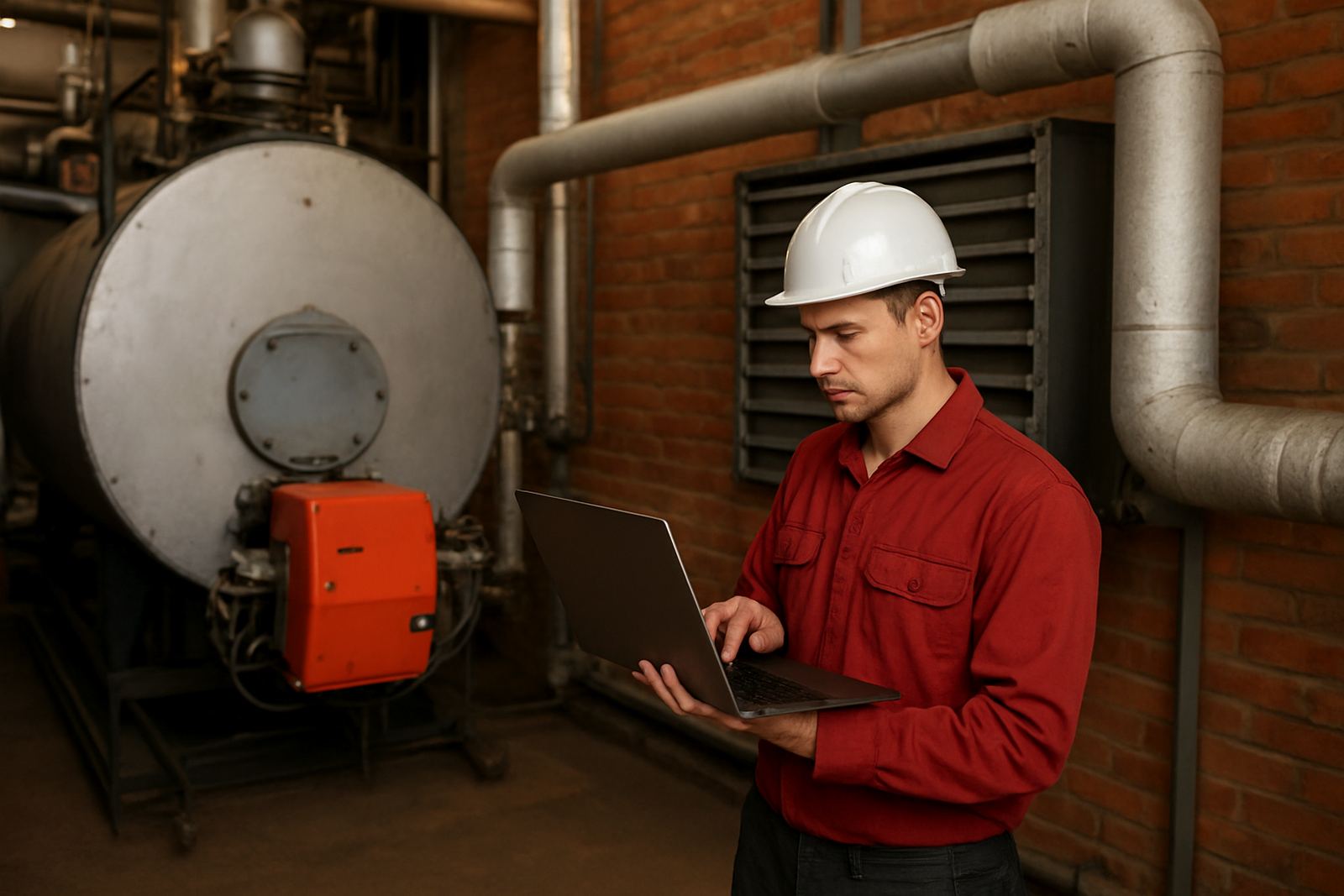
If you need temporary hot water quickly, send the key facts in one message. That speeds up the match between your site and the right unit. Include the site location, the type of building or plant, the problem you are facing, and any photos of the existing boiler room or hot water plant. If the outage is due to a failed component, say whether the site needs short term cover for a few days or a longer bridge until repairs are complete.
At Ai-TEC we work from Jet Park in Boksburg and support sites across Gauteng and nationally. Our team can compare options for boilers, calorifiers, inline heaters and related plant, then advise on the safest temporary route. The aim is simple: keep hot water available without wasting fuel or risking another stoppage.
- Site address and access details
- Required start date and expected duration
- Current plant type and fault description
- Hot water demand and operating hours
- Photos of the plant room, flue and service connections