Why retrofit jobs fail before the first pipe is cut
Most retrofit problems start long before the work team arrives on site. A plant may be due for a boiler upgrade, calorifier replacement, inline heater change or incinerator repair, but the existing room, pipe routes and power supply were never meant for the new duty. In older Gauteng plants, especially where equipment has been added over years, the available space is often smaller than the drawing suggests and access for lifting gear can be poor.
We also see projects where the client wants a like-for-like replacement but the operating load has changed. The system may now serve more process demand, longer production hours or higher hot water draw during winter. If that is not checked upfront, the new plant can be undersized or overworked from day one, which leads to more breakdowns and higher fuel use.
Check the room, clearances and access first
Before ordering equipment, confirm the actual site dimensions and not just the old drawings. Measure door widths, ceiling height, service clearances, floor loading and the route from the loading bay to the plant room. In Boksburg, Germiston and Pretoria we often find that an installation plan looks fine on paper but cannot be moved around a corner or through a low doorway.
Coastal humidity is less of a concern in Gauteng, but dust, heat and vibration still affect plant life. If the new unit is being installed in a corrugated steel room or a confined basement, allow for ventilation, drainage, lighting and safe maintenance access. A neat fit with no space to remove burners, inspect refractory or service valves will cost more later.
- Measure all access routes, not only the plant room itself
- Check floor strength and plinth height before delivery
- Allow working space for valves, gauges, burner access and future service
- Confirm lifting points, crane access and any municipal site restrictions
Tie-ins need a proper survey, not assumptions
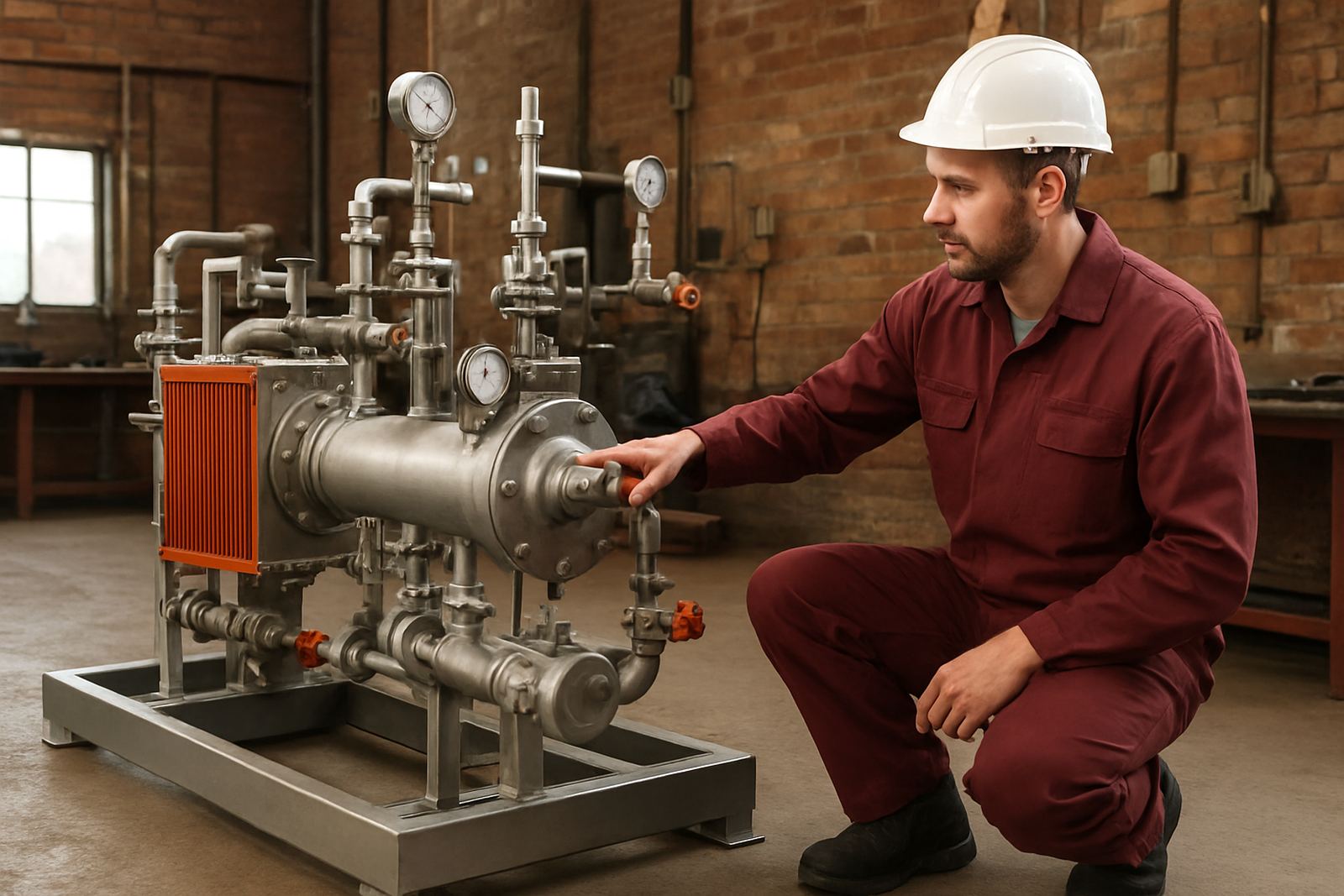
Pipework tie-ins are a common source of delay because old systems rarely match the latest layout. A retrofit may need hot water returns, steam lines, blowdown, fuel supply, condensate, flue outlets or electrical connections moved to new positions. If the old isolation valves are seized or the pipe sizes differ, the shutdown window can disappear quickly.
Controls are just as important. New plant often arrives with different safeties, sensors and burner management requirements. If the existing panel is dated or the wiring is brittle, the retrofit should include a clear controls scope before any equipment is ordered. This avoids the common situation where the mechanical work is complete but the plant cannot be commissioned because the control sequence does not talk to the new unit.
- Verify every pipe size, flange type and connection point on site
- Test isolations and drain points before shutdown day
- Match sensors, limit switches and interlocks to the new equipment
- Allow time for rewiring, label updates and control testing
Build a realistic shutdown plan for production sites
Many plants in Gauteng run on tight production schedules, so the shutdown window is often the biggest constraint. A realistic plan starts with the true duration of draining, stripping, lifting, reassembly, pressure testing, combustion tuning and handover. If the site depends on hot water for cleaning, process heat for manufacturing or thermal treatment for compliance, a short outage can affect the full operation.
Load-shedding adds another layer. If backup power is weak or the site has frequent changeovers between utility and generator supply, the team must check what happens to pumps, controls and fuel systems during commissioning. We also advise clients to line up spare valves, gaskets, sensors and refractory materials before the outage begins. Waiting for a part in the middle of shutdown work is where small jobs become expensive.
A good plan names the people responsible for each task and includes contact details for the operations manager, service coordinator and maintenance lead. On a live industrial site there should be no confusion about who isolates what, who signs off testing and who confirms restart.
Use a step-by-step retrofit checklist
A simple checklist keeps the project grounded in facts. It also helps compare quotes on the same scope, which is useful when one supplier is pricing supply only and another is pricing supply, installation and commissioning. For older boilers, calorifiers, inline heaters and incinerators, the checklist should cover condition, compliance, fuel usage and maintenance history, not just replacement cost.
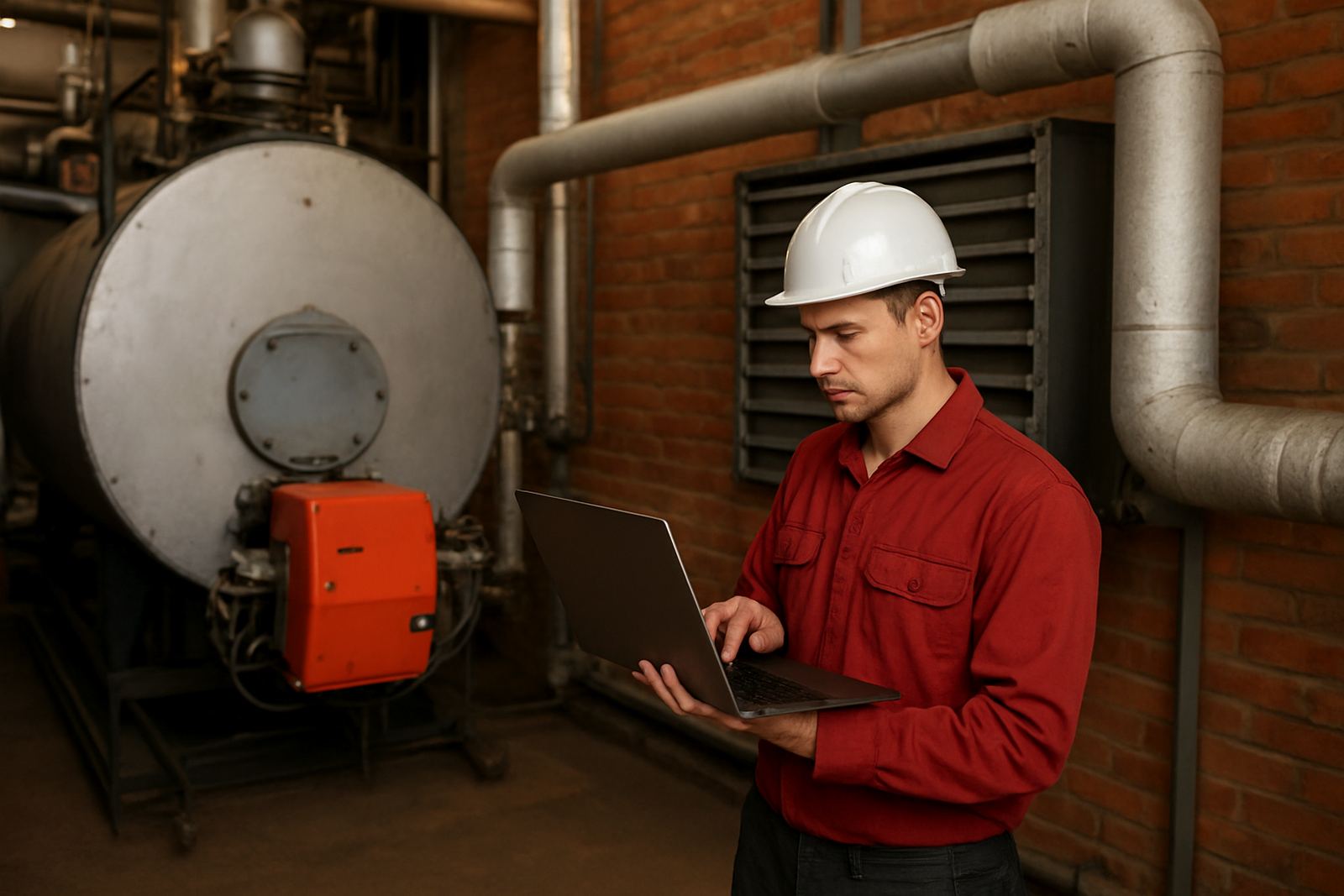
When our teams assess retrofit work from Jet Park and across our Boksburg, Kempton Park, Germiston, Midrand, Sandton and Pretoria service areas, we start with a site walk-through and a log of the existing plant condition. That allows us to spot hidden issues like poor water treatment, flue corrosion, damaged refractory or unsupported pipework before the shutdown date is fixed.
- Confirm the equipment duty and expected load profile
- Inspect the existing plant room, supports and pipework condition
- Review water treatment records and scale build-up
- Check electrical supply, controls and emergency shut-off functions
- List all spares, permits and inspections needed before start-up
Keep the handover practical and maintainable
A retrofit is not finished when the new unit fires up for the first time. The handover should include combustion tuning, operating setpoints, water treatment instructions, maintenance intervals and a clear fault response process. If the plant is handed over with no record of settings, the next breakdown can take longer to solve and the fuel bill may creep up.
We also recommend a follow-up inspection after the first few weeks of operation. This is where loose fittings, control drift, fuel adjustments and water quality issues show up. A short follow-up visit can save a client from repeated callouts, unnecessary wear and avoidable downtime. It is better to correct small issues while the plant is still fresh in service than after they have damaged tubes, burners or refractory.
For commercial and industrial sites, the aim is simple: install the right equipment, make the tie-ins once, and leave the plant serviceable for the long term. That is what keeps maintenance predictable and shutdowns shorter the next time around.