Start With the Plant List, Not the Price
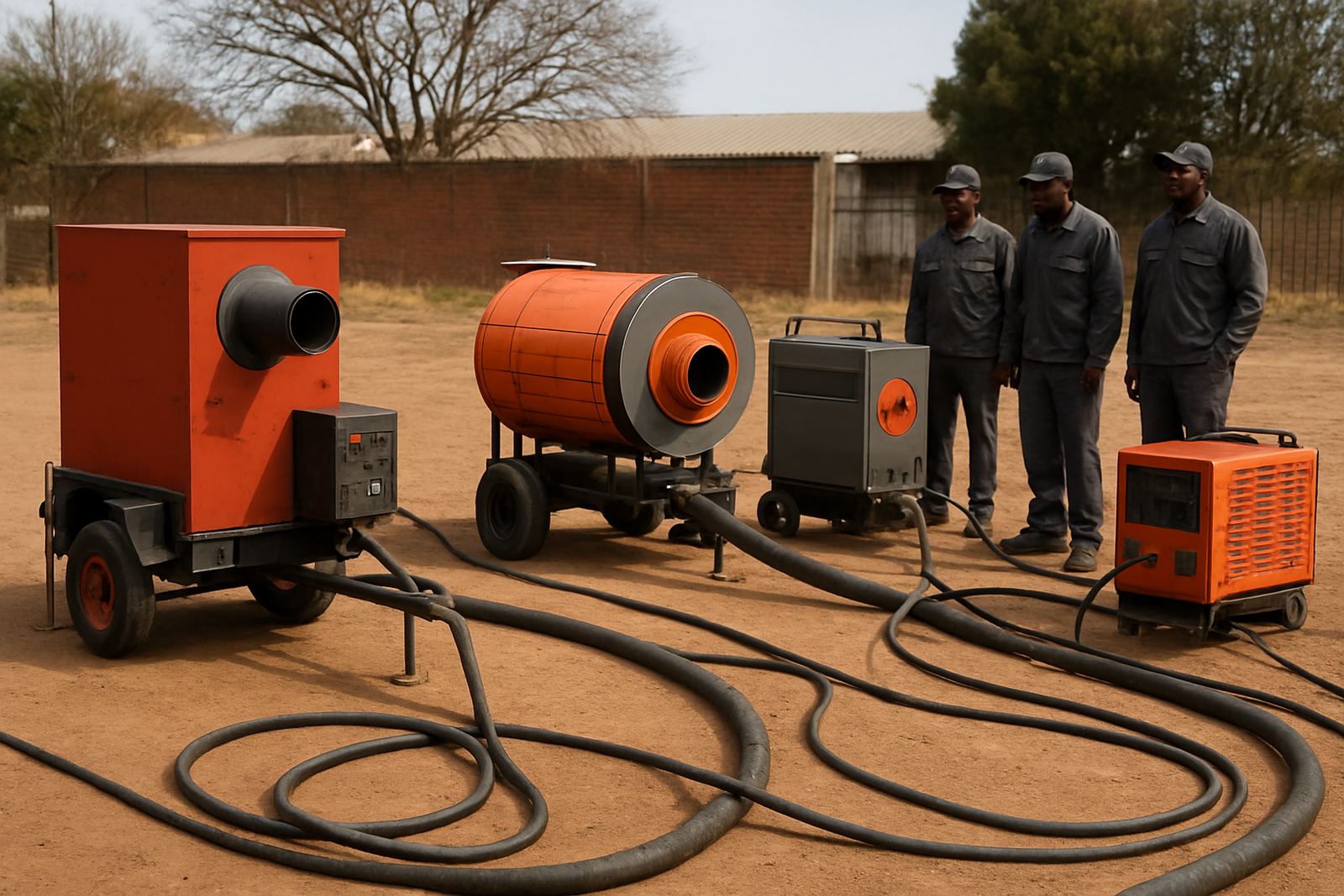
Before you compare quotes, write down every item that needs attention. A maintenance scope for a factory in Jet Park is not the same as a hospital laundry in Pretoria or a food plant in Midrand. Boilers, calorifiers, inline heaters and incinerators each need different checks, and the contract should say exactly what is included for each unit.
Ask for the serial numbers, pressure ratings, fuel type, burner arrangement and approximate age of the plant to be listed. If the supplier cannot separate the main boiler from the hot water system, or if they treat combustion tuning and water treatment as extras without stating it clearly, the contract will usually cost more later.
- List every vessel, burner, pump, valve and control panel
- Record operating hours, load patterns and shutdown periods
- Note any old repairs, leaks, refractory damage or corrosion
- Confirm if the site runs during load-shedding or on generator power
What a Proper Boiler Maintenance Scope Should Cover
A proper scope should describe what the technician does at each visit, not just say service boiler. The inspection should cover safety devices, burners, fuel train components, water level controls, blowdown points, seals and visible pipework. For steam systems, the contract should also deal with traps, strainers and condensate return issues, because hidden losses can push up your fuel bill fast.
Look for clear wording on cleaning, testing and adjustment. If the system uses gas, diesel or heavy fuel, the scope should state combustion checks and smoke test limits. If the plant is in a coastal area or exposed to dust, the contract should mention extra corrosion checks or soot build-up. That small detail can save a lot of down time later, trust me.
- Safety valves and low-water cut-outs tested at set intervals
- Burner cleaning and ignition checks included
- Flue path, sight glass and seals inspected
- Log sheets completed after every visit
Response Times, Emergency Callouts and After-Hours Support
Maintenance is not only about scheduled visits. A plant room failure at 4 am can stop production, affect catering, or leave a site without hot water for hygiene. Your contract should say how fast the team will attend normal breakdowns, what counts as an emergency, and whether after-hours callouts are covered or billed separately.
In Gauteng, sites in Boksburg, Germiston and Kempton Park may need same-day attendance, while national plants should have a practical escalation route. Check whether the supplier keeps technicians, spares and test equipment in-house or sends work out. If the answer changes every time you ask, that is a warning sign.
- Normal response time and emergency response time stated
- Callout fee, labour rate and travel charge shown in Rand
- Weekend and public holiday attendance defined
- Escalation process for repeat faults included
Water Treatment, Refractory and Other Hidden Costs
Many maintenance contracts look cheap because they leave out the items that protect the plant. Water treatment support is one of the biggest examples. Without the right chemical control, boilers scale up, tubes overheat and breakdowns follow. A contract should explain who tests the water, how often samples are taken and what action is required if results drift out of spec.
Refractory relining, insulation repairs and burner parts can also be missed from a basic scope. If the incinerator or boiler has hot spots, cracked lining or damaged insulation, those repairs need to be identified early. A good contract does not hide these issues, it sets out how they are reported and approved. This is where many sites get caught out, because small faults are left untill the next shutdown and then become expensive.
- Water quality testing frequency set out clearly
- Who supplies chemicals and test kits stated
- Refractory, insulation and burner wear handled as reportable items
- Spare parts approval process agreed in advance
Annual Inspections, Compliance Records and Site Paperwork
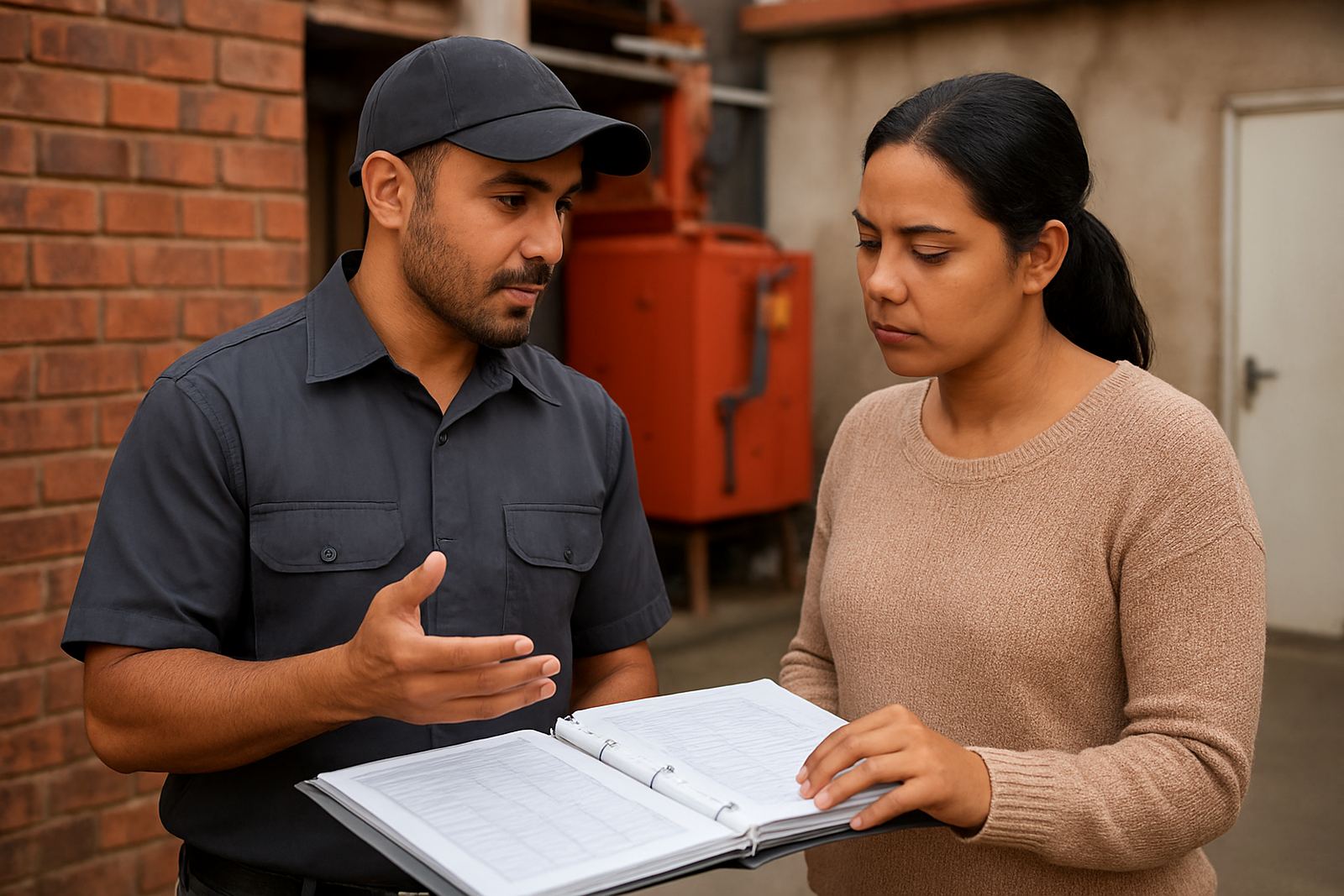
For many industrial sites the paperwork matters almost as much as the repair work. The maintenance contract should define who keeps service records, inspection reports, pressure test notes and corrective action lists. If municipal or insurer checks happen, you need documents that show the plant has been attended to properly and on time.
Make sure the contract states whether annual inspections are included or billed separately. The supplier should also confirm how defects are logged, how urgent items are escalated, and what proof is left on site after each visit. A neat file helps when the auditor comes through, and it helps the plant manager too.
Good records should include dates, findings, readings, parts replaced and sign-off from the responsible person on site. That level of detail makes handovers cleaner between shifts, especially where more than one department uses the same hot water or steam plant.
How to Compare Maintenance Quotes Without Guesswork
Do not compare only on total monthly price. Compare the scope line by line and ask what happens outside normal service hours. A contract with lower fees may exclude travel, minor parts, combustion tuning or follow-up visits, so the real cost can end up higher than the quote that looked more expensive at first.
Use the checklist below when you review each proposal:
- Does it name every item on site, with serial numbers or plant references?
- Are service intervals, testing and reporting intervals clear?
- Are emergency callouts, parts and travel charges explained?
- Does it include water treatment support, annual inspections and combustion tuning?
- Is the team local enough to attend quickly from Jet Park, Boksburg or nearby industrial areas?
If the answer is yes to most of these points, you are probably looking at a maintenance contract that will hold up in real plant conditions, not just on paper.
A Practical Pre-Sign Checklist for Plant Managers
Before you sign, walk the boiler room and compare the contract against the actual equipment. Check access, ventilation, drainage, lifting space and whether technicians can safely reach valves and panels. If the site is cramped or the plant room gets dusty, wet or hot, the scope should mention that too because it affects service time and risk.
Use this final check:
- All plant listed and physically matched to the contract
- Service frequency and shutdown windows agreed
- Emergency numbers and email contacts confirmed
- Parts approval and quotation turnaround agreed
- Maintenance records and compliance folders to be left on site
A well-written maintenance contract keeps boilers, calorifiers, inline heaters and incinerators working with less hassle. It also gives the site team one clear plan when a fault happens, instead of a scramble after hours.