What short cycling looks like on a real plant
A boiler short cycles when it starts, reaches set pressure or temperature too quickly, then shuts down again before the system has actually settled. A few minutes later it fires up again. On paper the boiler may look healthy, but in practice it is working too hard for too little useful heat.
In commercial laundry rooms, small factories, food plants and hospitals this often shows up as repeated burner starts, uneven steam or hot water supply, and a plant room that never seems to settle. The operator hears more ignition cycles than normal, and the fuel meter climbs faster than expected.
- Frequent burner start and stop sequences
- Pressure or temperature swinging up and down
- Higher fuel use with lower output
- More trips on flame failure, low water or high limit controls
The main causes we see in Gauteng plants
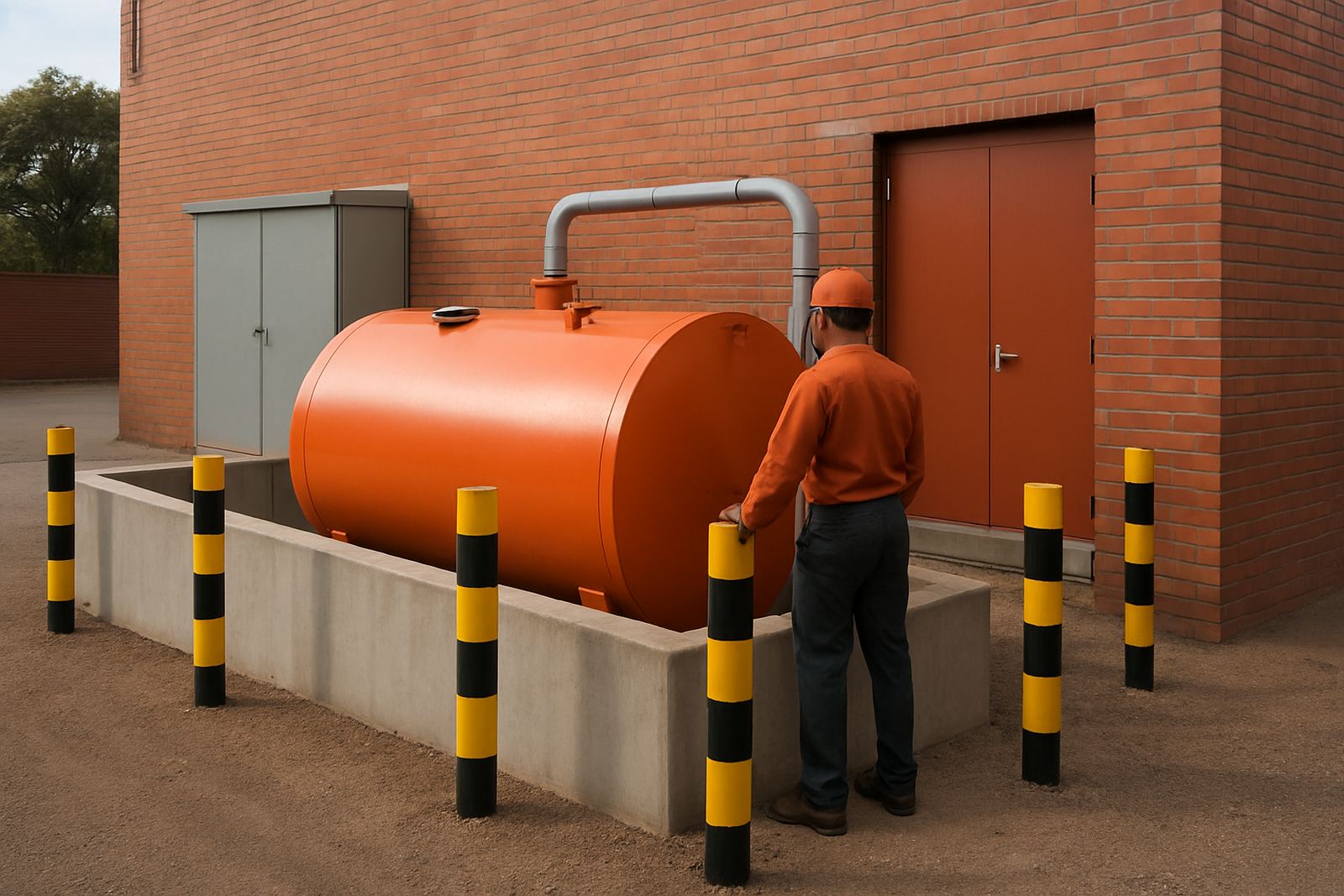
Most short cycling starts with a mismatch between boiler output and actual demand. A plant may have been sized for a peak load years ago, then equipment was removed, production changed or a calorifier was added without checking the whole system again. That is common in older buildings around Boksburg, Kempton Park and Germiston where plant rooms have been modified over time.
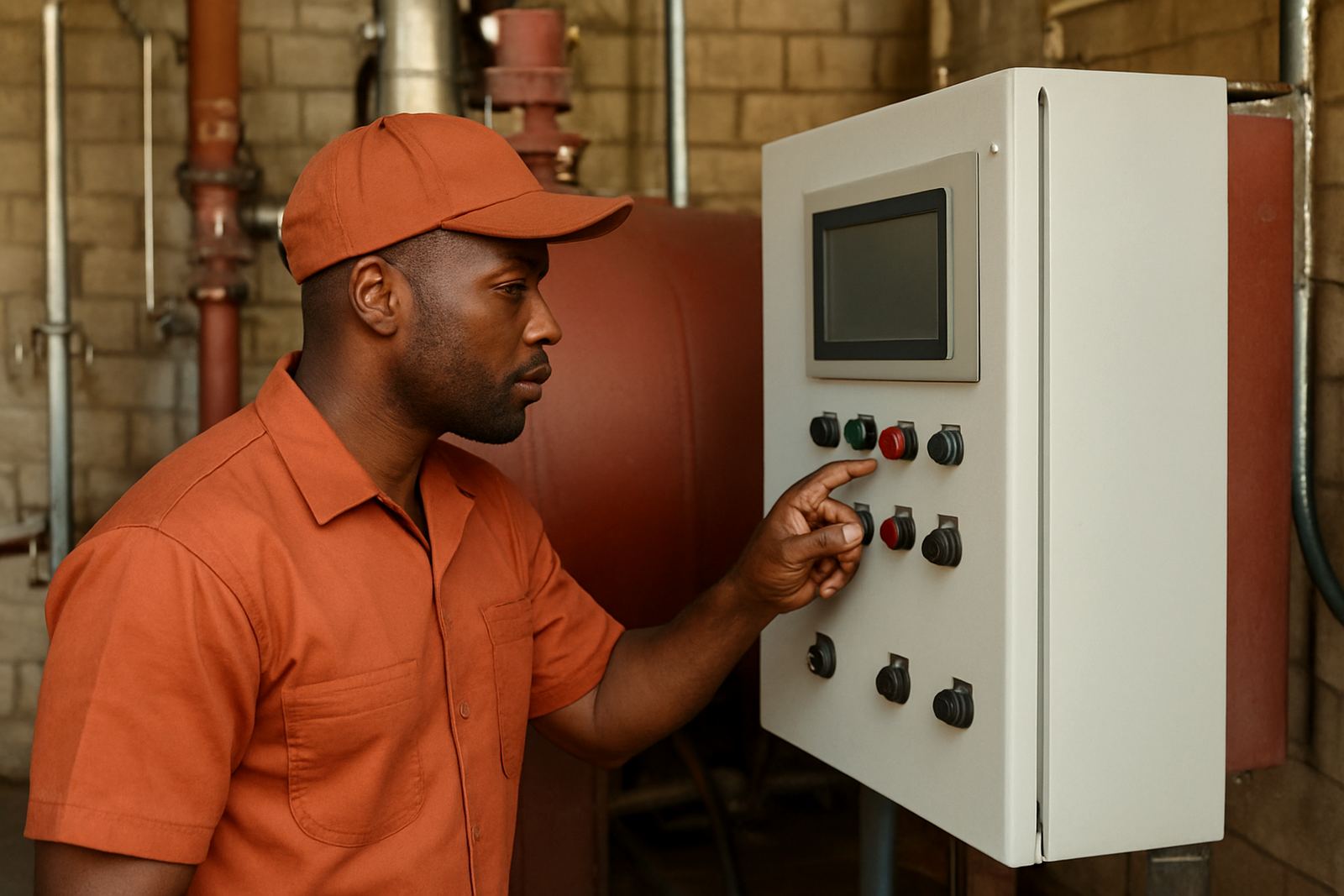
Controls can also cause the problem. A pressure control that is badly set, a temperature sensor in the wrong position, a faulty low fire link, or a burner that cannot modulate properly will all force the boiler to keep chasing the set point. On hot water systems, scale and poor circulation make it worse because heat is not moving away fast enough.
- Oversized boiler for the current load
- Poorly set pressure, temperature or sequencing controls
- Blocked strainers, scaled tubes or low flow through the system
- Failed valves, actuator issues or burner modulation faults
Why short cycling costs more than most people expect
The obvious cost is extra fuel, but the hidden cost is wear. Every start sequence places stress on ignition components, burner parts, relays and contactors. Repeated firing also creates more thermal shock in the boiler sections and fittings. Over time that means more leaks, more shutdowns and shorter service life.
Short cycling can also damage combustion quality. A boiler that keeps starting and stopping may never stay in its best operating range long enough for clean, stable combustion. That pushes up emissions, makes tuning harder and can lead to soot build-up or incomplete burning. In coastal areas the issue is even less forgiving because humidity and corrosion can already be attacking terminals and controls.
For production sites, the bigger risk is lost uptime. If a boiler cannot hold steady load, staff end up chasing alarms instead of running plant. That costs man-hours and creates pressure on maintenance teams who are already dealing with load shedding, water interruptions and strict operating windows.
How to tell whether the boiler is cycling or the system is the problem
Before replacing parts, it helps to work through the system properly. We normally check the demand side first, then the boiler itself. A quick visual inspection will not show everything, because short cycling often comes from a mix of small faults rather than one obvious failure.
- Compare boiler size against the actual connected load
- Check whether one boiler is doing all the work while others sit idle
- Inspect control set points and sequence logic
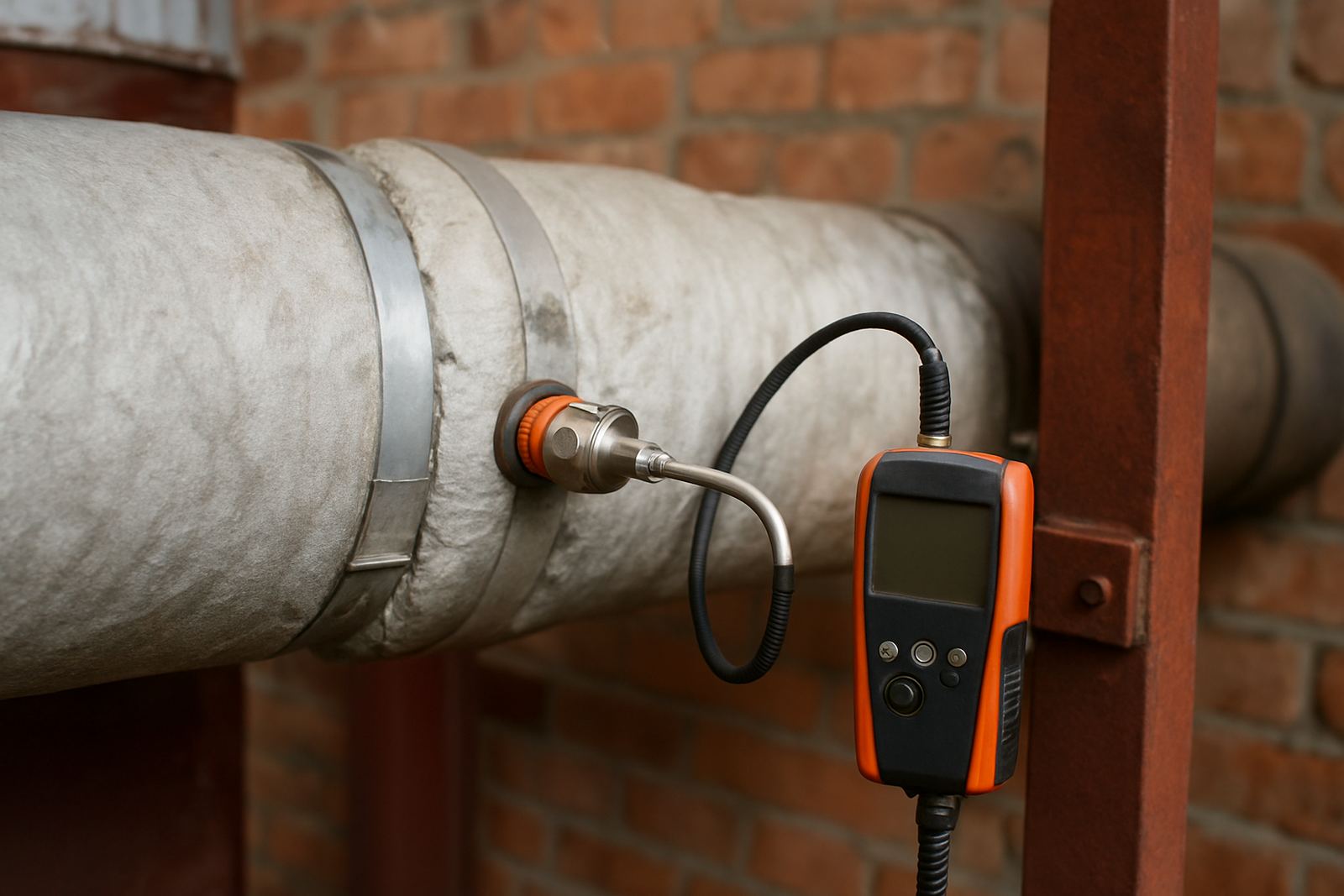
- Look at pump flow, valve position and return temperatures
- Check for scale, sludge, blocked strainers and air locks
- Review burner turndown and ignition performance
If a boiler fires for only a short burst, then shuts off with very little load change, the issue is usually control or capacity related. If the boiler runs better after a service but starts cycling again later, the root cause may be dirty heat transfer surfaces, poor water treatment or a circulation problem that has not been fixed properly.
Typical correction measures that actually hold
There is no single cure, because the correction depends on what the plant is doing. Sometimes the answer is as simple as resetting controls and restoring proper modulation. In other cases the boiler needs a deeper service, a new control strategy, or plant refurbishment so the demand matches the equipment.
Common correction measures include burner tuning, replacing faulty sensors, cleaning heat exchange surfaces, repairing valves and pumps, improving water treatment, and setting up lead-lag operation on multi-boiler plants. On larger sites we also look at whether the boiler should be staged differently so that one unit carries the base load while another only comes in when demand rises.
- Combustion tuning and control recalibration
- Boiler cleaning, descaling and soot removal
- Sequence control changes for multi-boiler plants
- Pump and valve repairs to restore proper circulation
- Water treatment support to slow scale and corrosion
A practical example from a Gauteng site
At a Midrand plant, a packaged boiler serving process hot water was starting and stopping constantly through the morning shift. The maintenance team had already checked the burner, but the cycling returned after each reset. Once the system was tested properly, the cause was found in two places: the boiler was larger than the current demand, and the return water was moving too slowly through a scaled section of pipework.
After cleaning the heat surfaces, correcting the pump issue and adjusting the control settings, the boiler ran longer and steadier. Fuel use dropped, the ignition calls reduced and the operators no longer had to keep watching the panel. That is usually what short cycling work should achieve, not just a quick fix but a plant that behaves sensibly all week.
When a boiler is short cycling, the safest approach is to treat it as a system fault, not only a burner fault. That way you fix the cause instead of paying for the same problem twice.