Start with the reason for the shutdown
Before anyone talks about boiler size or fuel type, get clear on why the temporary unit is needed. Is the plant down for an overhaul, a tube replacement, a calorifier failure, or a full site refurbishment? The answer changes the load profile, the duration of the hire and the amount of pipework work needed on the day. A laundry in Germiston may need steady hot water for washing all shift, while a factory in Boksburg might only need peak steam in the early morning. Those are very different jobs.
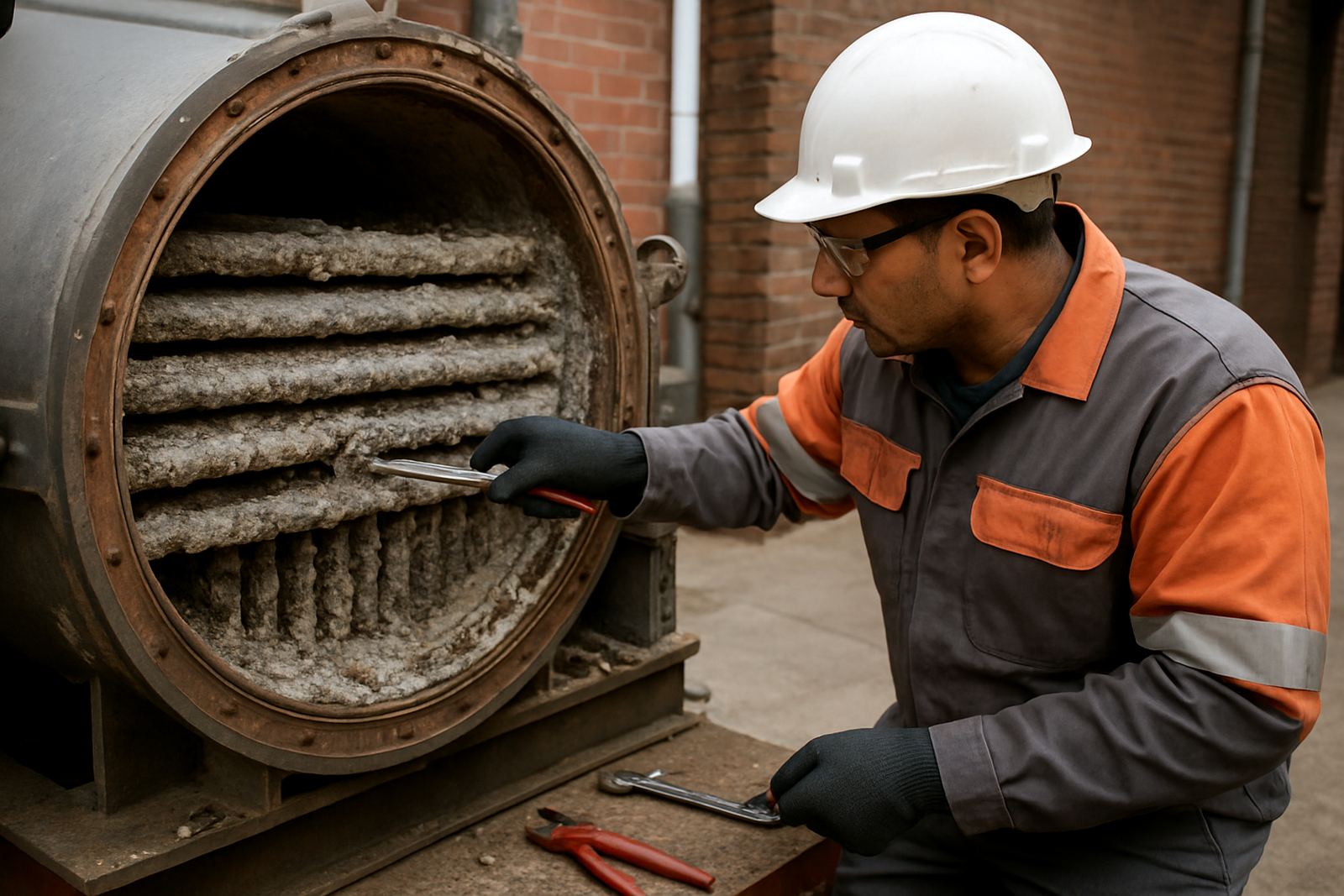
The best temporary boiler plans begin with a written scope. It does not need to be fancy, but it should state what service must be kept live, what can be isolated, and how much downtime the site can tolerate. If there is an existing boiler house, check the condition of valves, strainers and controls before the shutdown starts. Old, scaled pipework can cause trouble once the temporary plant is tied in, and that can turn a planned stop into a longer outage than anyone budgeted for.
- Identify the process that must stay running
- Confirm the expected load and operating hours
- Note any shutdown window set by production or tenants
- Check whether the existing plant can be bypassed safely
Site access and positioning matter more than people think
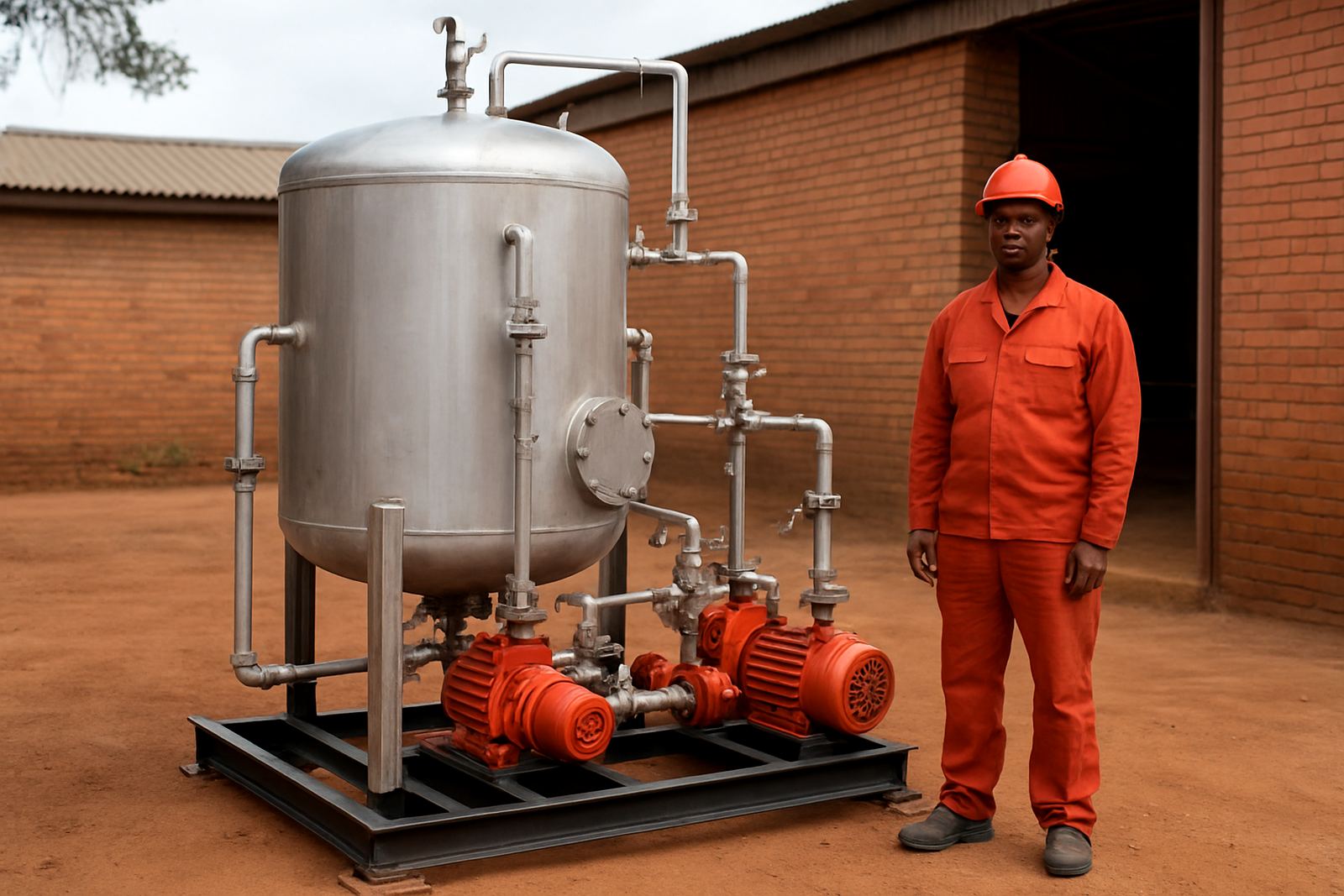
A temporary boiler cannot help if it cannot reach the plant room. On many Gauteng sites, the main issue is not the boiler itself but access around delivery trucks, low gates, narrow driveways and overhead pipes. In older industrial areas, there may be limited turning space for a trailer or containerised unit. In office parks or hospitals, the service entrance may only allow access at certain times, which means the install team has to work within strict time slots.
Check ground conditions too. A wet yard after summer rain, loose paving, or uneven concrete can make positioning difficult. If the site sits close to the coast, corrosion and salt build-up on fittings can also shorten the life of couplings and temporary hose runs, so protection needs to be factored in. If there is load-shedding risk, the access route for backup power, pumps and control panels should be planned at the same time as the boiler route, not after. That small detail is where jobs often slip.
- Measure gate widths, turning circles and door heights
- Confirm crane, forklift or loading bay support if needed
- Check floor loading and hard standing for the unit
- Allow space for hoses, blowdown lines and safe walkways
Tie-in points need a proper survey before hire
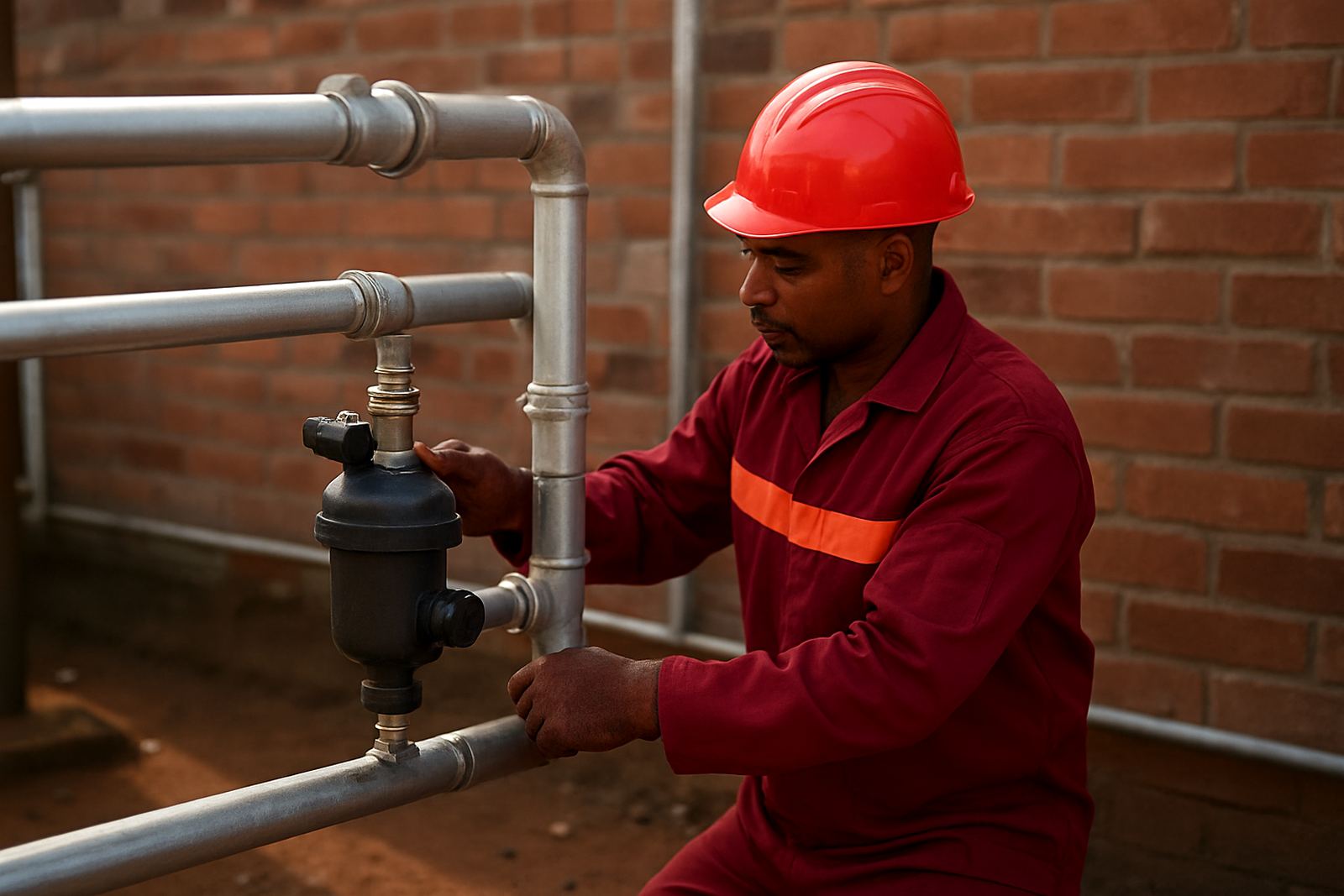
The temporary boiler only works as well as the tie-in points feeding it into the system. A quick look is not enough. You need to know where the steam, hot water or condensate connection will be made, what pipe sizes are available, and whether the existing isolation valves actually hold. On some older sites, the drawings are out by a few metres and the practical route is not what the plant room plan shows. It is worth verifying every connection on the ground.
Pressure, return temperature and flow rate all matter. If the temporary boiler is undersized, the site ends up chasing heat all day. If it is oversized, fuel use rises and the system can cycle badly. Water treatment should also be checked before start-up. Dirty water, untreated top-up water and sludge in the system will cause problems fast, especially where the boiler is expected to carry a critical process. A planned tie-in survey avoids last-minute cutting, extra couplings and unplanned welds.
- Confirm inlet and outlet sizes on site, not only on drawings
- Check pressure ratings on valves, hoses and fittings
- Review condensate return and drainage points
- Test whether isolation valves seal properly before the changeover
Utilities and fuel supply need to match the duty
Temporary boiler planning is not only about the heat source. The supporting utilities must match the load and the runtime. If the unit uses gas, there needs to be a proper supply pressure and enough capacity for continuous operation. If it runs on liquid fuel, you need secure storage, fire precautions and a filling plan that suits site rules. For electrically assisted systems, confirm the available supply and whether the panel can handle the starting load without nuisance trips.
Water supply is just as important. A temporary boiler cannot run reliably on low pressure or poor quality make-up water. On industrial sites around Pretoria or Midrand, we often see issues after maintenance when water treatment has been ignored for too long. That leads to scaling, frequent blowdown and poor heat transfer. If the existing plant uses dosing, softening or filtration, the temporary setup should be aligned to that same standard, otherwise the short-term plant becomes a maintenance headache.
Make sure the emergency shutdown procedure is clear. Everyone on site should know who can isolate the plant, where the fuel shut-off sits, and what to do if a control fault appears after hours. A temporary installation still needs the same discipline as a permanent one, and in some cases it needs more because the team is working around live production.
Compliance and safety are part of the plan, not the afterthought
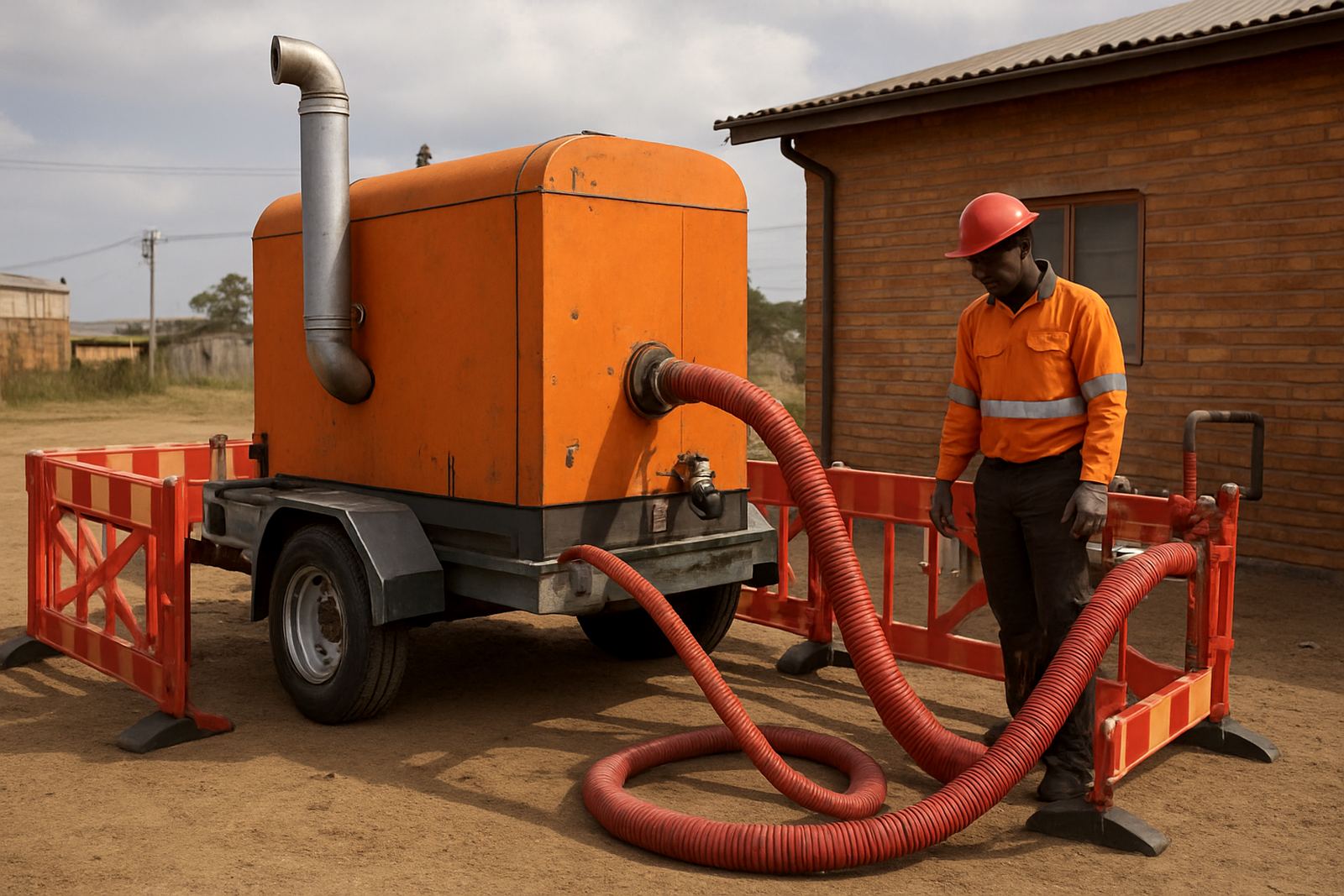
Temporary boiler work must follow the site’s safety rules, but it also has to fit the practical realities of commercial and industrial use. Hot surfaces, steam lines, fuel storage and exhaust routing all need attention before start-up. The boiler house or yard should be signed, barriers in place, and the working area kept free of unauthorised access. If the unit is near tenants or public areas, noise and heat discharge should also be checked.
Some sites need annual inspection records, operating logs or handover notes before the temporary unit is accepted. Others need coordination with the municipal rules for emissions, drainage or plant room access. This is where a proper project team saves time. A service coordinator can line up the visit, while a technician, projects engineer and fabrication supervisor sort out the practical details on the ground. If refractory work or repairs are needed before the temporary boiler goes live, it is better to find that out early instead of on the changeover morning.
- Confirm induction, permits and lockout procedure
- Set out fire protection and clear emergency routes
- Agree who monitors the plant after hours
- Keep inspection and handover records on site
A Boksburg example: planned changeover, not crisis work
One manufacturing site near Jet Park needed steam during a planned boiler overhaul. The original plan was to bring in a temporary unit at short notice, but the first survey showed a tight yard, a worn tie-in valve and a condensate return line with heavy scale. If the team had rushed it, the install would have taken longer and the site would still have lost production. Instead, the access route was marked, the valve set was refurbished, and the water treatment plan was corrected before delivery.
By the time the temporary boiler arrived, the connection points were ready, the operator briefing had been done and the fuel supply was already set out. The unit came online with only a short interruption, and the site kept running while the main plant was repaired. That is the real value of planning. You are not just hiring heat for a few weeks. You are protecting output, staff safety and the maintenance budget at the same time.
For Gauteng sites, especially where space is tight and schedules are unforgiving, temporary boiler planning should start as soon as the shutdown date is known. The earlier the survey happens, the less likely you are to face delays when the unit is due on site.
What to send before you book the unit
If you want a temporary boiler quote that is realistic, send the basics first. A clear site address, the service needed, operating hours, available access and the expected date range will already narrow the options. Add any drawings, photos of the plant room, and notes on existing pipe sizes or fuel supply. If you know the pressure and temperature requirement, include that too. The more practical the brief, the easier it is to plan the changeover without guesswork.
For sites across Boksburg, Kempton Park, Germiston, Pretoria, Midrand and Sandton, a local support team can usually survey quickly and match the temporary setup to the actual conditions on site. That saves repeat visits and keeps the work moving. It also helps when the plant is old and the drawings no longer match what is installed. A good plan starts with what is there now, not with what someone hoped was still there.
- Site address and contact person
- Required service type and duty hours
- Access notes and loading limits
- Photos of tie-in points and the boiler house