

Scaling In Calorifiers
Home / Notes / Scaling In Calorifiers

Notes

Scaling In Calorifiers

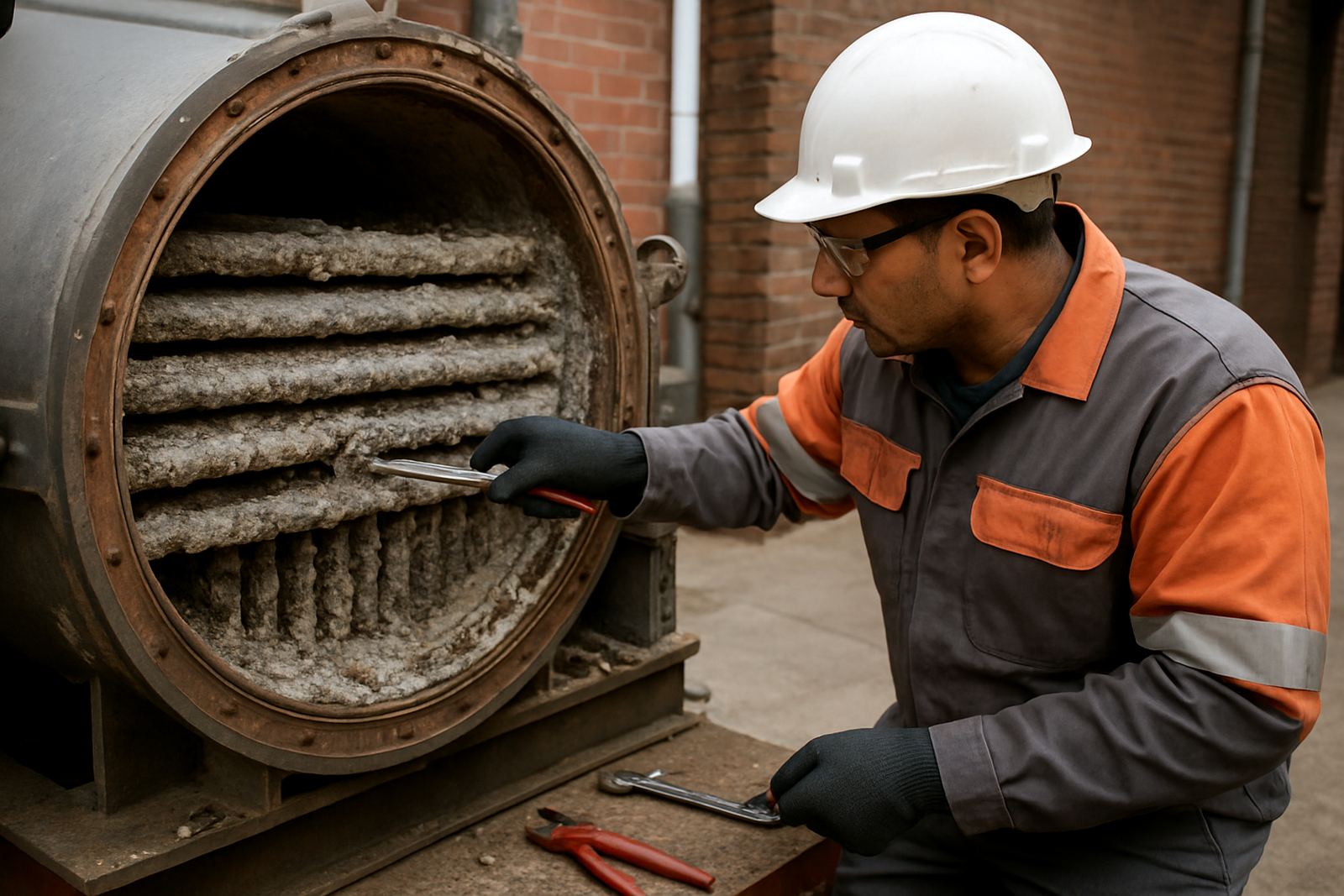
Scale in a calorifier does not happen overnight, but once it starts it quietly pushes up fuel use and slows hot water recovery. In Gauteng plants and coastal sites alike, the main causes are usually harder water, poor water treatment, high temperatures and delayed maintenance.

Why calorifier scale starts forming in the first place

Most calorifier scale starts with minerals in the water. As water is heated, calcium and magnesium fall out of solution and stick to the tube bundle, vessel surfaces or internal heating elements. If the system runs hot for long periods, or the water is repeatedly topped up with fresh raw water, the build-up gets worse.

In practical terms, the issue is not only water quality. Plant operators in places like Boksburg, Kempton Park and Pretoria often see faster scaling after repeated pressure losses, leaking valves or a poor return line that keeps introducing oxygen and fresh make-up water. That combination speeds up corrosion and lets scale settle where it should not.

  • Hard municipal supply with high mineral content
  • Frequent top-ups from leaks or drain-downs
  • Poor water treatment or skipped dosing checks
  • High operating temperatures and long run hours

What scale does to recovery time and fuel cost

Once scale forms, heat transfer drops. The boiler or heat source has to work longer to bring water up to temperature, and the calorifier stores less usable hot water for the same amount of fuel. That shows up as slow recovery after peak demand, especially in laundries, factories, clinics and apartment blocks where morning demand is tight.

A thin layer of scale can already cause trouble. A thicker layer acts like insulation. The plant burns more gas, diesel or electricity to get the same result, and in many cases the operators only notice when staff start complaining about lukewarm water or the plant takes too long to recover after a shower or wash cycle.

  • Longer heating cycles and higher energy bills
  • Reduced outlet temperature during peak demand
  • More cycling, which increases wear on controls and burners
  • Greater risk of localised overheating and tube damage

The signs technicians look for on site

Most scale problems give warning signs long before a full failure. A good technician checks recovery times, temperature rise, pressure stability and any unusual noise from the unit. Kettling sounds, hot spots and a drop in hot water flow are all worth a closer look. If the unit needs frequent thermostat adjustments to keep pace, the cause is often below the surface.

At a commercial site in Midrand, for example, a unit serving a staff canteen started taking nearly twice as long to recover after lunch rush. The issue was traced to internal scaling and poor treatment follow-up after a water softening fault. Once the bundle was cleaned and the treatment programme reset, recovery improved and the fuel draw came down noticeably, not overnight but steadily over the next few weeks.

  • Slow recovery after high draw-off periods
  • Uneven temperatures at different outlets
  • Noisy operation or rumbling during heat-up
  • Frequent tripping or overheating alarms

How water treatment keeps scale under control

Water treatment is not a once-off job. It needs checking, recording and correction. In many plants, the chemical programme or softening plant is installed correctly but then left to drift. Once the hardness creeps up, scale starts again. That is why water testing should form part of the maintenance routine, not just the breakdown response.

On industrial sites with high make-up rates, the treatment plan should match actual use. If the system loses water because of relief valve discharge, steam leaks or poor condensate return, the treatment load increases too. Better control at source is cheaper than repeated cleaning. It also helps plant managers stay in line with site safety rules and municipal discharge requirements where blowdown water is involved.

  • Check hardness, conductivity and pH on a routine basis
  • Inspect softeners, dosing pumps and filters
  • Fix leaks before they turn into constant make-up water
  • Keep a written log of readings and service dates

Cleaning, inspection and the cost of leaving it too long

Once scale has formed, it needs proper removal. Chemical cleaning can help on some systems, but it must suit the materials and the condition of the vessel. In other cases, mechanical cleaning or strip-down inspection is needed. If the plant has been neglected for a long time, you may also find sludge, corrosion or blocked passages alongside the scale.

The cost of leaving it too long is usually higher than the cost of planned maintenance. A unit that keeps running in a scaled condition may stay alive for a while, but it will use more energy and place extra strain on controls, pumps and safety devices. That is why annual inspections and planned servicing are cheaper than emergency callouts after a failed recovery cycle.

For plants in coastal air or humid stores, corrosion often works hand in hand with scaling. Salt in the air does not create scale by itself, but it can shorten the life of components if the equipment is already running hot and stressed.

A practical maintenance plan for Gauteng plants

For most commercial sites, the answer is a regular service plan that matches the load. A small office block in Sandton will need a different schedule from a factory in Germiston or a hospital laundry in Pretoria. The important thing is to keep the calorifier clean, the water treatment active and the operating temperatures sensible for the application.

A good plan should include inspection, descaling where required, valve checks, temperature verification and a look at the wider plant. If the system feeds multiple buildings, the return lines and balancing should be checked too. When the workload changes after an expansion or process change, the service schedule must change as well.

  • Set recovery targets and compare them month to month
  • Service before winter and again after peak summer use
  • Review water treatment after any plumbing work
  • Book repairs early when flow or temperature starts dropping

Questions we get asked

What causes scale in a calorifier?

Scale usually comes from hard water, repeated make-up water, poor treatment and high operating temperatures. If leaks keep introducing fresh water, the problem builds faster.

How does scale affect operating cost?

It slows heat transfer, so the plant uses more fuel or electricity to reach the same temperature. That means longer recovery times and higher monthly running costs.

How often should a calorifier be inspected?

Most commercial systems should be checked at least annually, with water treatment and operating readings reviewed more often on heavy-use sites.

Planning something? Email the team.

engineering@ai-tec.co.za