Why draft matters before you touch the burner
Draft is the slight pressure difference that pulls flue gases out of a boiler, calorifier or inline heater and replaces them with fresh combustion air. When it is correct, the flame burns cleanly and the plant works as intended. When it is weak or unstable, you see lazy flames, soot, poor efficiency and sometimes nuisance shutdowns on cold mornings or during windy weather.
In Gauteng, many sites notice draft problems after a plant room change, a new roof sheet, or a flue extension added during a refurbishment. On industrial sites in Jet Park, Germiston and Kempton Park, even a small change in roofline or nearby equipment can alter how the stack behaves. Draft should be checked with the full system running, not guessed from pipe size alone.
- Signs of poor draft include smoke spill at start-up, rumbling burners and black dust near inspection doors.
- Too much draft can also be a problem, because it can pull heat out too fast and upset burner stability.
- Draft issues often show up first during load-shedding recovery, when equipment restarts under a changed plant room temperature.
Height gives the stack its pull, but not in isolation
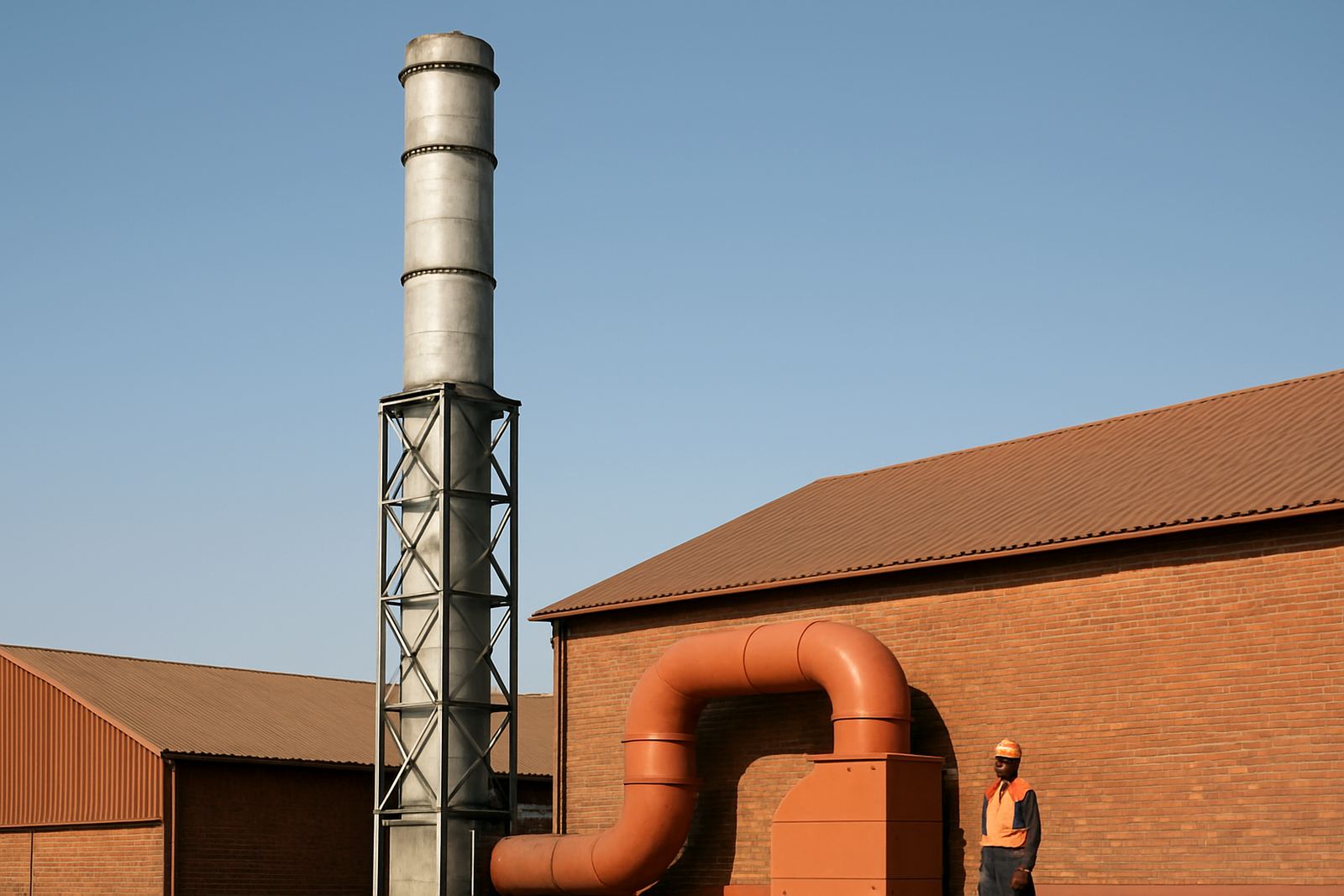
Chimney height is one of the first things people look at because a taller stack usually creates better natural draft. That said, height on its own does not solve everything. The stack must also suit the appliance output, the flue gas temperature and the building layout. A tall but badly routed chimney can still underperform.
For commercial and industrial equipment, added height is often useful where the plant room sits below roof level or where neighbouring buildings block wind movement. In Pretoria and Midrand, we often see units that need an extra rise above the roof ridge to clear turbulence. Coastal humidity is not the issue in Gauteng, but thermal conditions, winter starts and wind around tall structures can still affect performance.
- Increase height where the flue termination is too close to a roof edge, parapet or taller obstruction.
- Keep in mind that very tall runs may need extra support, access points and expansion allowance.
- Check local building and fire rules before altering the stack, especially on multi-tenant or high-occupancy sites.
Diameter must match the actual gas flow
Flue diameter should suit the volume and speed of the gases leaving the burner. If the flue is too small, back pressure rises and the plant struggles to breathe. If it is too large, the gases cool too quickly and draft can weaken, especially on start-up. Both errors can cause poor combustion and condensation inside the flue.
We often find older plant rooms where a boiler or incinerator has been replaced, but the original chimney was left in place. What worked for the old unit may not suit the new firing rate. A 500 kW boiler, for example, will not behave the same as a smaller heater just because they share the same roof route. The flue has to be checked against the equipment data and site conditions together.
- Measure existing pipework instead of assuming the old installation is correct.
- Look for signs of condensate, staining or corrosion inside oversized flues.
- Confirm that joints, bends and access doors are sealed and properly supported.
Routing changes draft more than many owners expect
The shortest route is not always the best route, but every extra bend, horizontal section or offset affects draft. Horizontal flue runs hold heat differently from vertical rises, and sharp turns slow the movement of gases. Long runs can also collect condensation if the temperature drops before the flue reaches the termination point.
On one Jet Park site, a boiler started showing poor combustion after a maintenance team added two extra elbows to avoid a cable tray. The change looked small on paper, yet it reduced natural pull and created soot at the burner throat. The fix was not just cleaning the boiler. It needed a revised flue route and proper support spacing so the stack could move as designed.
- Keep horizontal runs as short as possible and slope them where the application allows.
- Avoid unnecessary bends, reducers and sudden section changes.
- Do not route a flue through spaces where heat or moisture can damage nearby services.
Wind, nearby structures and plant room pressure
External wind can help or hinder draft depending on termination height, roof shape and surrounding structures. A flue outlet that looks fine on a calm day may struggle when strong side winds push air back down the stack. Likewise, extractor fans, louvres and open plant room doors can change room pressure and disturb combustion air supply.
Factories and commercial buildings in Sandton, Boksburg and Germiston often have mixed ventilation systems, so the boiler room is never really isolated. If the room is under negative pressure, the burner may starve for air. If a nearby fan creates turbulence at the termination, the flue may pulse or spill fumes. This is why draft checks should include the room, roof and neighbouring plant, not just the chimney itself.
- Check whether extractor fans, make-up air units or open roller doors affect the boiler room.
- Inspect the stack termination for wind exposure, roof turbulence and recirculation risk.
- Watch for changes after new roof plant, partitions or extraction ducting are installed.
Condensation and corrosion are signs the flue is not happy
When flue gases cool too quickly, moisture can condense inside the chimney. That moisture may carry acidic by-products from combustion and it can attack steel, seals and masonry. Over time, this leads to rust, weakened joints, damp patches and damaged refractory around the base or breach piece.
Condensation problems are common where flues are oversized, poorly insulated or left with long cold horizontal sections. They also show up after shut-down, when the stack cools fast overnight. In winter, a morning start on a cold flue can be the difference between clean ignition and a smoky first cycle. Regular inspection helps spot early damage before it becomes a shutdown or a safety risk.
- Look for rust streaks, water marks and flaky deposits around joints and supports.
- Insulate exposed sections where heat loss is causing condensation.
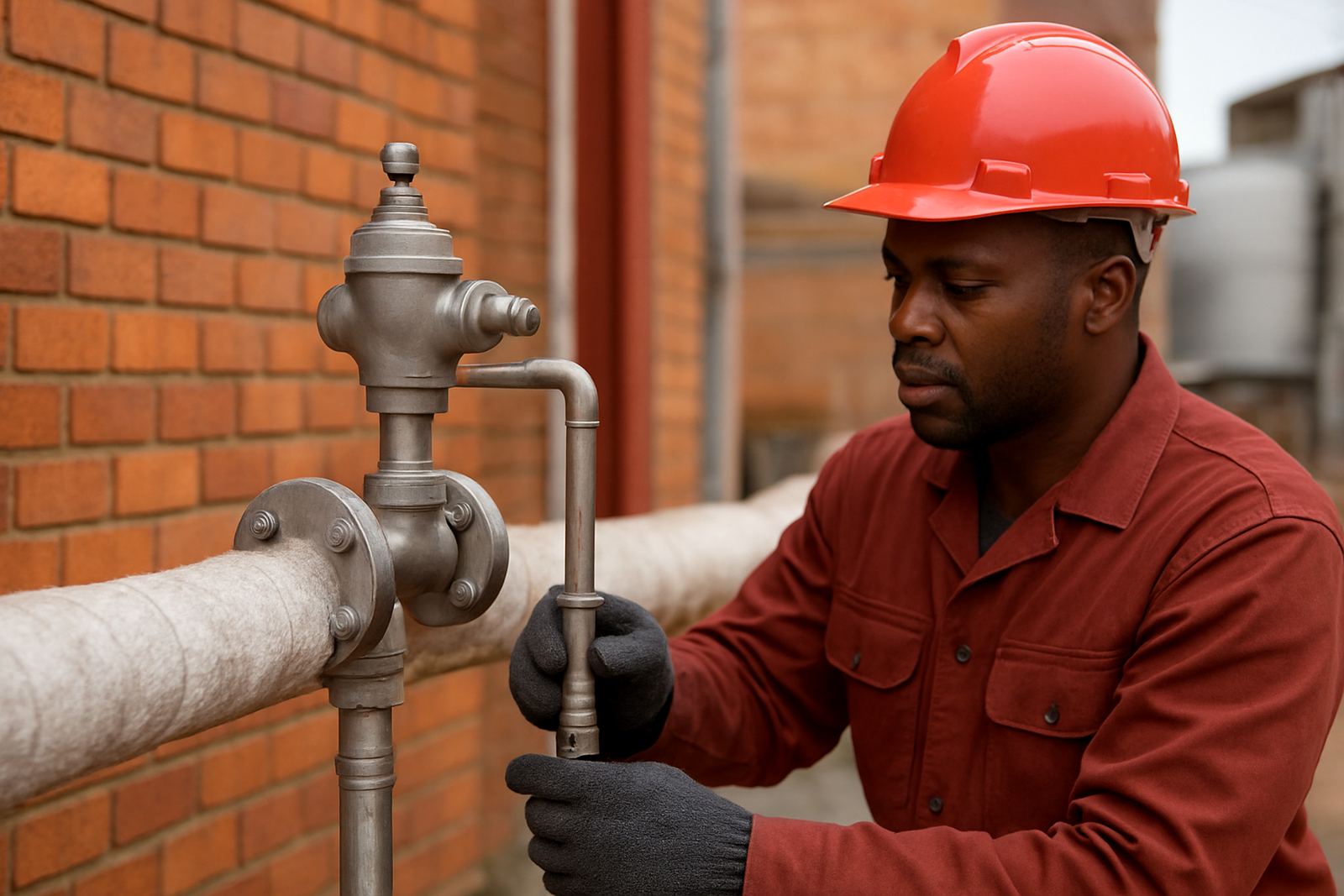
- Make sure drain points, clean-out access and seals are maintained properly.
What we check during a draft inspection in Gauteng
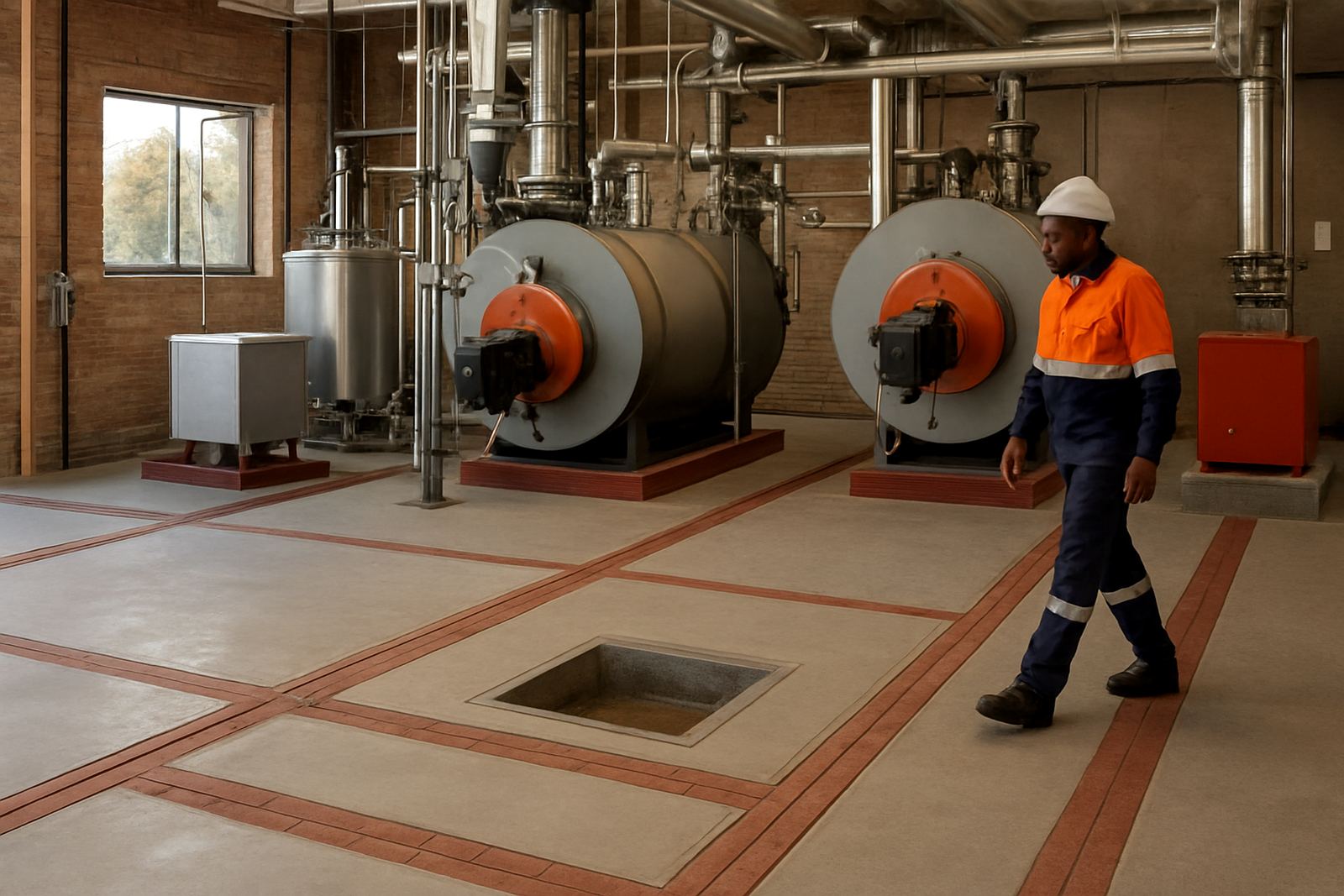
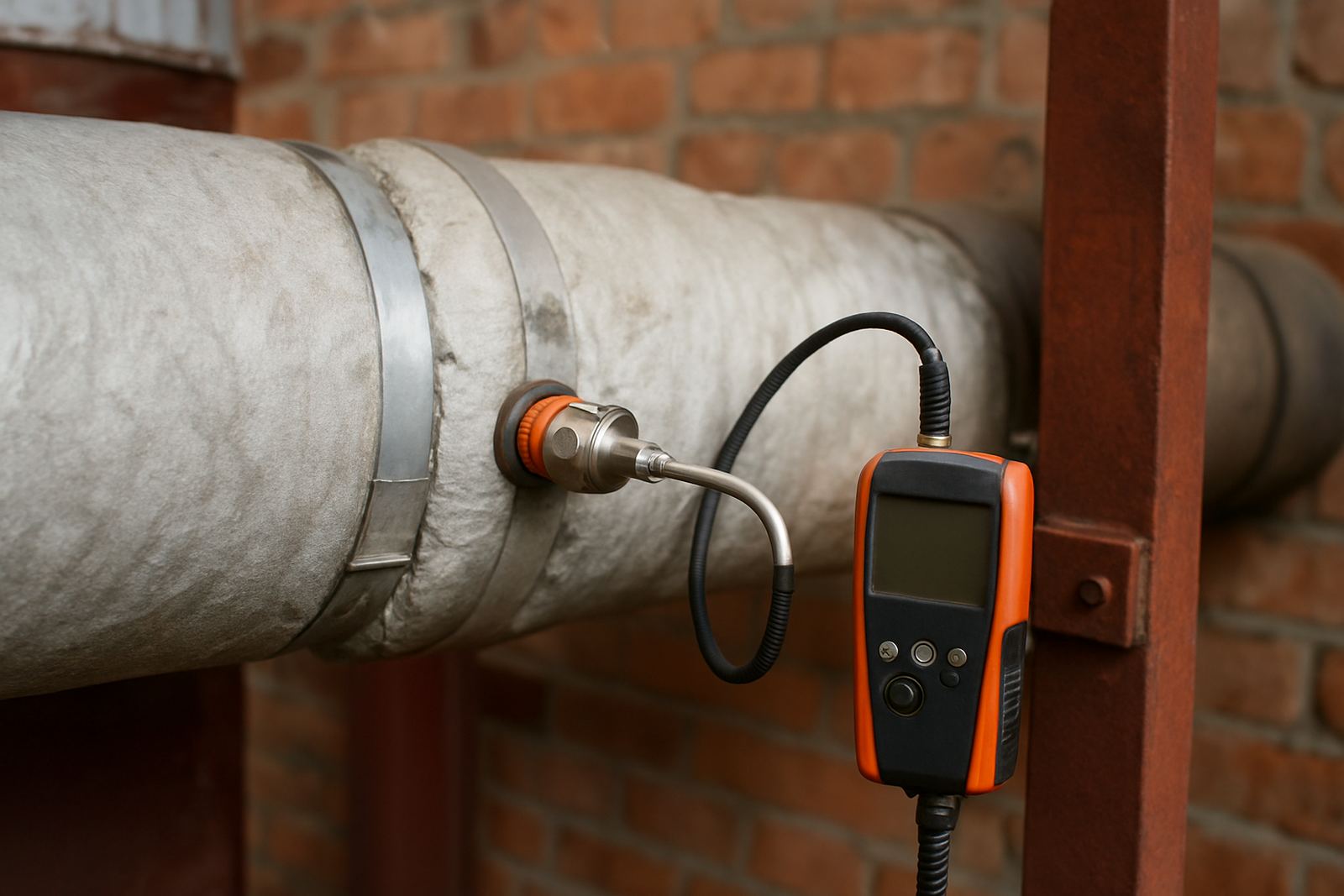
A proper draft inspection combines measurements, visual checks and combustion testing. At Ai-TEC, we look at the full path from appliance to termination, then confirm whether the system matches the site load and operating pattern. That includes boilers, calorifiers, inline heaters and incinerators, because each one behaves differently under fire.
For sites in Boksburg, Kempton Park, Pretoria, Midrand, Sandton and Germiston, our service teams also consider access for maintenance, weather exposure and future refurbishment work. If a stack needs reworking, it is better to plan it around shutdown windows and annual inspections than wait for a failure during peak demand.
- Check stack height, diameter, supports and termination position.
- Confirm room pressure, burner condition and combustion settings.
- Look for soot, corrosion, condensate and signs of restricted flow.
- Advise on repairs, relining, combustion tuning or plant refurbishment where needed.