What stack temperature actually tells you
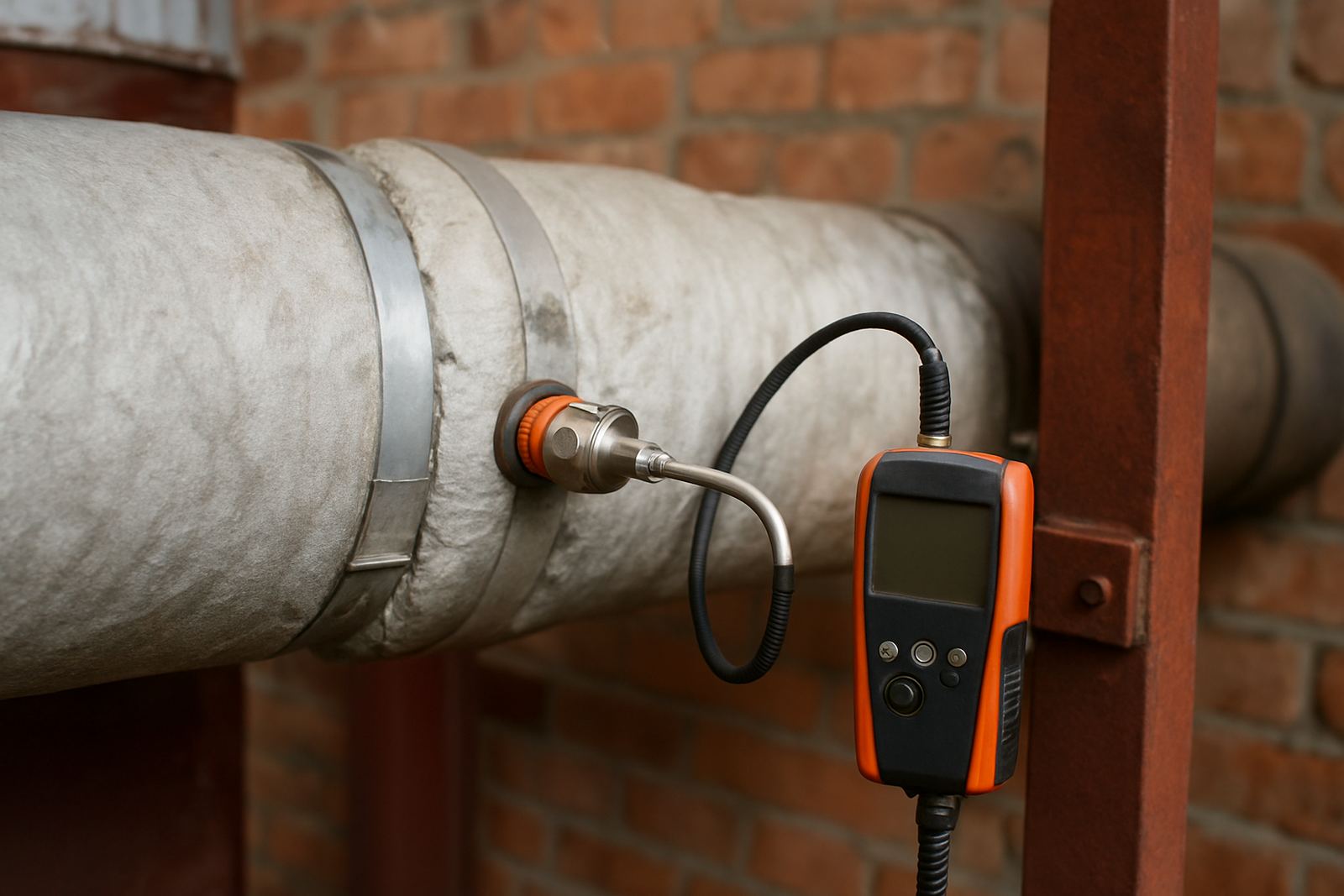
Stack temperature, also called flue gas temperature, is the temperature of the gases leaving the boiler, calorifier, inline heater or incinerator through the flue. It does not tell the whole story on its own, but it is a practical sign of whether heat is being transferred properly. If the reading is drifting higher than usual, the plant is often wasting fuel or struggling with a fault.
In a Gauteng plant, a steady reading that matches the equipment history is often a good sign. A sudden rise after cleaning or a burner adjustment usually points to a changed operating condition. A sudden drop can also matter, because it may mean the unit is firing too cool, condensing where it should not, or has a sensor issue. The key is to compare the number with the normal operating range for that specific unit, not just a general rule.
Why a hotter flue often means lower efficiency
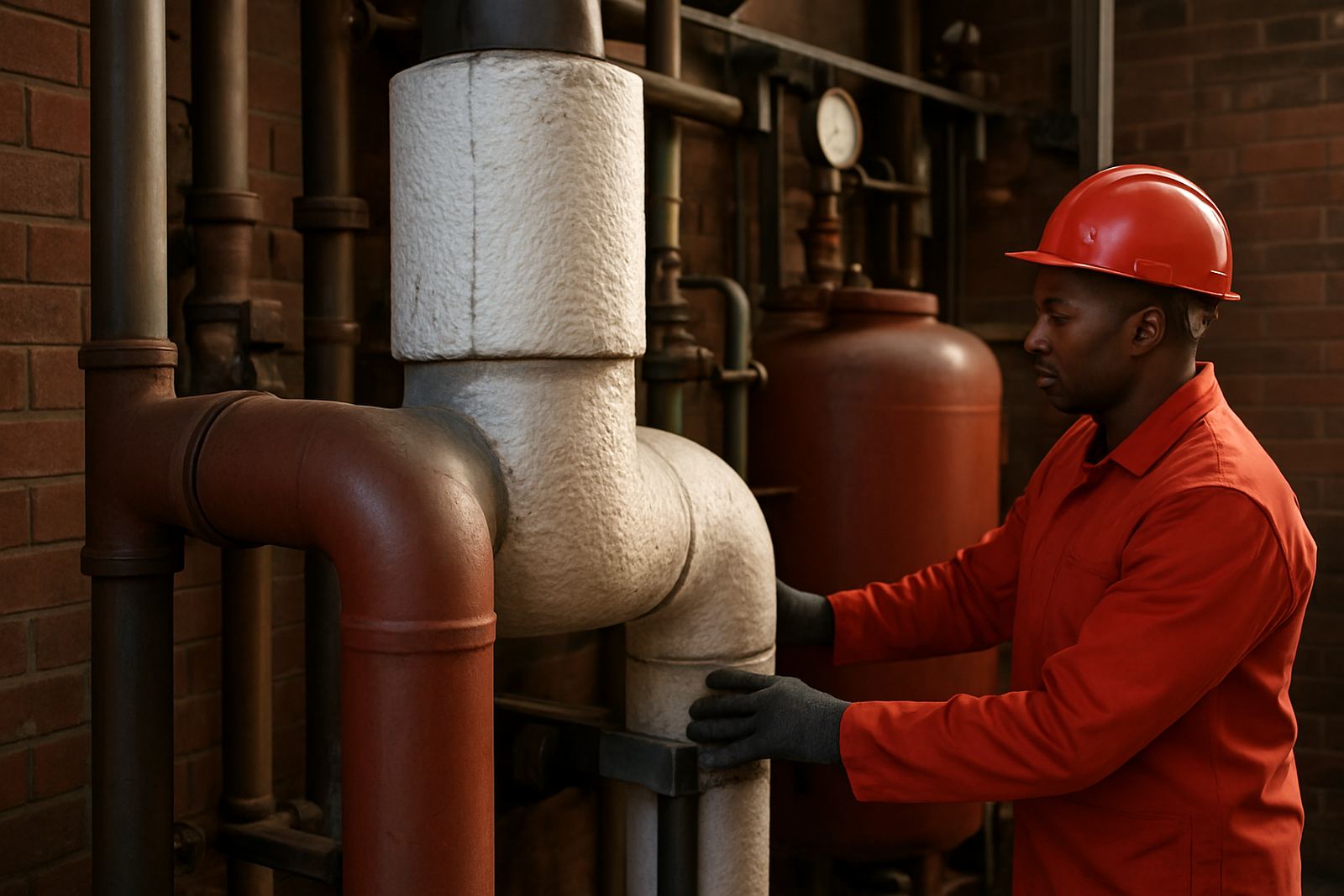
When combustion heat passes through the heat exchanger properly, more of that energy ends up in the water or process. If the stack temperature is high, more heat is escaping with the exhaust gases. That usually means the surfaces inside the boiler are dirty, the burner is not tuned correctly, or the load has changed and the plant is cycling badly.
On industrial sites we often find the issue after a few weeks of heavy use. Soot on the fire side, scale on the water side, or poor air-fuel balance can all push the temperature up. Even a small build-up can make a difference on a plant that runs long hours and pays municipal tariffs every month.
- Dirty tubes or heat exchange surfaces reduce heat transfer.
- Incorrect air settings can send too much heat up the stack.
- Low water treatment standards can cause scale and poor flow.
- Short cycling wastes fuel and raises operating costs.
The plant condition clues hiding behind one reading
Stack temperature is useful because it gives a fast view of plant condition, not just efficiency. A gradual increase can point to soot build-up, burner drift, failing controls, or water side scaling. A temperature that jumps around can suggest a faulty probe, unstable gas pressure, fan problems, or a control sequence that is hunting.
We often tell maintenance teams to treat the reading like a warning light. It does not name the fault, but it tells you where to look. In plants with several boilers or heaters, comparing one unit against the others is often more useful than looking at the absolute number alone.
- Gradual rise: likely fouling, scale, or combustion drift.
- Erratic readings: sensor, wiring or control issue.
- Lower than normal: possible probe error or poor firing rate.
- High after servicing: check damper setting, burner trim and load demand.
What we see in Gauteng plants
In Jet Park, Boksburg and the wider Ekurhuleni area, many plants run under pressure from shift work, load-shedding and tight production schedules. That means equipment is often restarted hard, then left to run for long periods. We see stack temperature problems after power interruptions, poor water treatment, and missed annual inspections. The plant may still run, but the fuel bill and wear start climbing.
A practical example is a factory in Germiston that reported slower steam recovery and higher gas use. The stack temperature had crept up over several months. The cause was a mix of soot build-up, a burner that needed combustion tuning, and poor feedwater treatment that left scale on the water side. After cleaning, tuning and water treatment support, the reading settled back and the plant became easier to manage. The fix was not one big repair, just a few correct steps done in order.
When a rising stack temperature needs urgent attention
Not every increase needs a shutdown, but some signs should be checked quickly. If the temperature rise comes with flame instability, smoke, odour, tripping, or uneven heating, there may be a safety or damage risk. On incinerators, abnormal stack temperatures can also affect emissions and compliance with municipal rules or site limits.
It is worth acting early because a small fault can turn into a tube failure, refractory damage or a burner problem that takes the whole plant offline. Coastal humidity can also make controls, terminals and insulation degrade faster, while inland dust and poor housekeeping add soot and blockage. Both conditions can make the stack reading less reliable if maintenance slips.
- Check the reading against the normal operating log.
- Inspect burner settings and flame shape.
- Look for soot, scale or restricted gas flow.
- Confirm the temperature probe is clean and accurate.
How to use the reading in daily maintenance
The best way to use stack temperature is to record it regularly and compare it with fuel use, steam demand and service work. A logbook or control trend gives the maintenance team something solid to work from instead of guesswork. If the number changes after a cleaning, inspection or burner adjustment, that tells you the work had an effect.
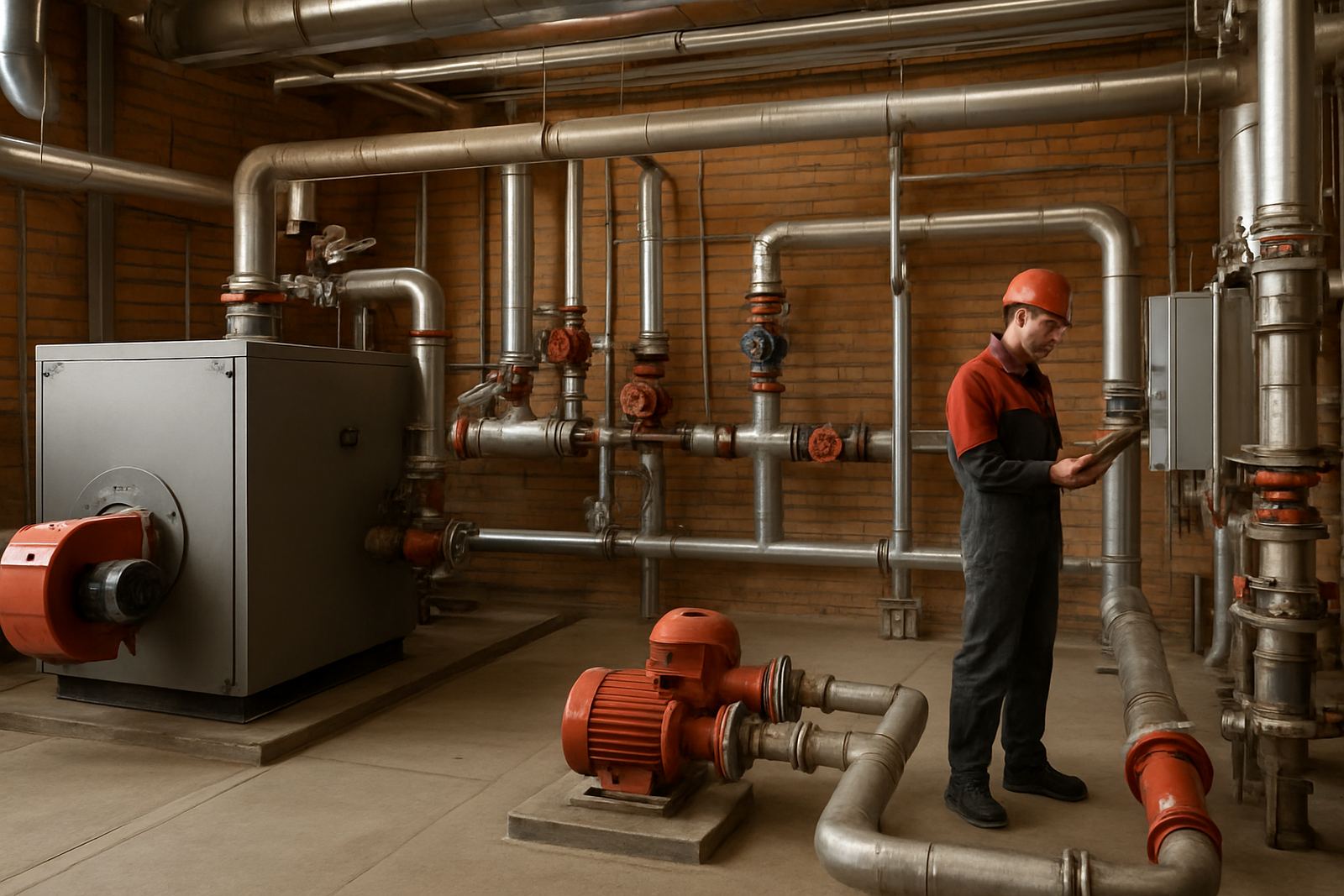
For plants with boilers, calorifiers, inline heaters and incinerators, the reading should be part of the routine check list. It is a quick sign that helps with planning, especially where service teams have to work across Boksburg, Kempton Park, Midrand, Sandton and Pretoria. If the stack temperature starts moving out of range, it is time for inspection, not just another fuel top-up.
- Record the reading at the same time each day or shift.
- Note fuel use, load and any power interruption.
- Compare before and after servicing.
- Keep burner, flue and water treatment records together.
A practical rule of thumb for plant managers
Stack temperature meaning is simple at heart: if the number is rising without a clear reason, the plant is probably losing efficiency or developing a fault. If the number is stable and matches the service history, the equipment is usually behaving as expected. The important part is not chasing one perfect figure, but understanding the trend over time.
For commercial and industrial sites, that trend can save fuel, reduce emergency callouts and catch wear before it becomes a breakdown. With regular servicing, combustion tuning, refractory relining, annual inspections and water treatment support, the stack reading becomes a useful management tool instead of just another number on a gauge.