Why chamber temperature decides what happens to the load
An incinerator has to do more than get hot. The chamber must hold the right temperature long enough for the waste to break down fully, while air supply and residence time support the burn. If the chamber runs too cool, unburnt material can pass through, odours increase and ash can carry visible carbon. If it runs too hot, you can shorten refractory life, damage metalwork and push the unit into unnecessary fuel use.
In practice, temperature control is the centre point of reliable operation. That matters whether the unit is handling clinical waste, light industrial residue or general combustible material. In Gauteng, where many sites run under tight schedules and load-shedding already puts pressure on plant uptime, a stable chamber saves time and keeps operators from chasing the same problem every week.
What a proper temperature profile should do
A good incinerator does not just spike once and hope for the best. It needs a steady operating band, with the primary chamber and secondary chamber doing different jobs. The primary side dries and breaks down the waste. The secondary chamber finishes the gases so smoke and odour are reduced before discharge.
- Primary chamber heat must stay high enough for ignition and steady breakdown.
- Secondary chamber heat must be maintained for complete gas burnout.
- Flue temperatures should be checked for signs of heat loss or poor draft.
- Door seals, burners and dampers must work together or temp will drift.
If the temperature climbs and falls sharply, the unit may be fighting poor fuel pressure, blocked air paths or worn sensors. That is where an experienced technician can save a site from wasting days on guesswork.
The parts that usually cause temperature drift
Most temperature faults start with a small mechanical issue. A damaged thermocouple gives a false reading. A burner with poor atomisation makes the flame lazy. Refractory cracks let heat leak out before it has done its job. Even ash build-up around air inlets can upset the burn pattern and throw the chamber out of balance.
On older plants, especially where maintenance was delayed during busy seasons, a few worn items can stack up fast. One site in Kempton Park called for repeated smoke complaints after a power interruption. The real issue was a weakened sensor, a sticky damper and a blocked secondary air path. Once those were sorted, the chamber held steady again and the after-smoke stopped. Not every fault is dramatic, sometimes it is just three small problems working together.
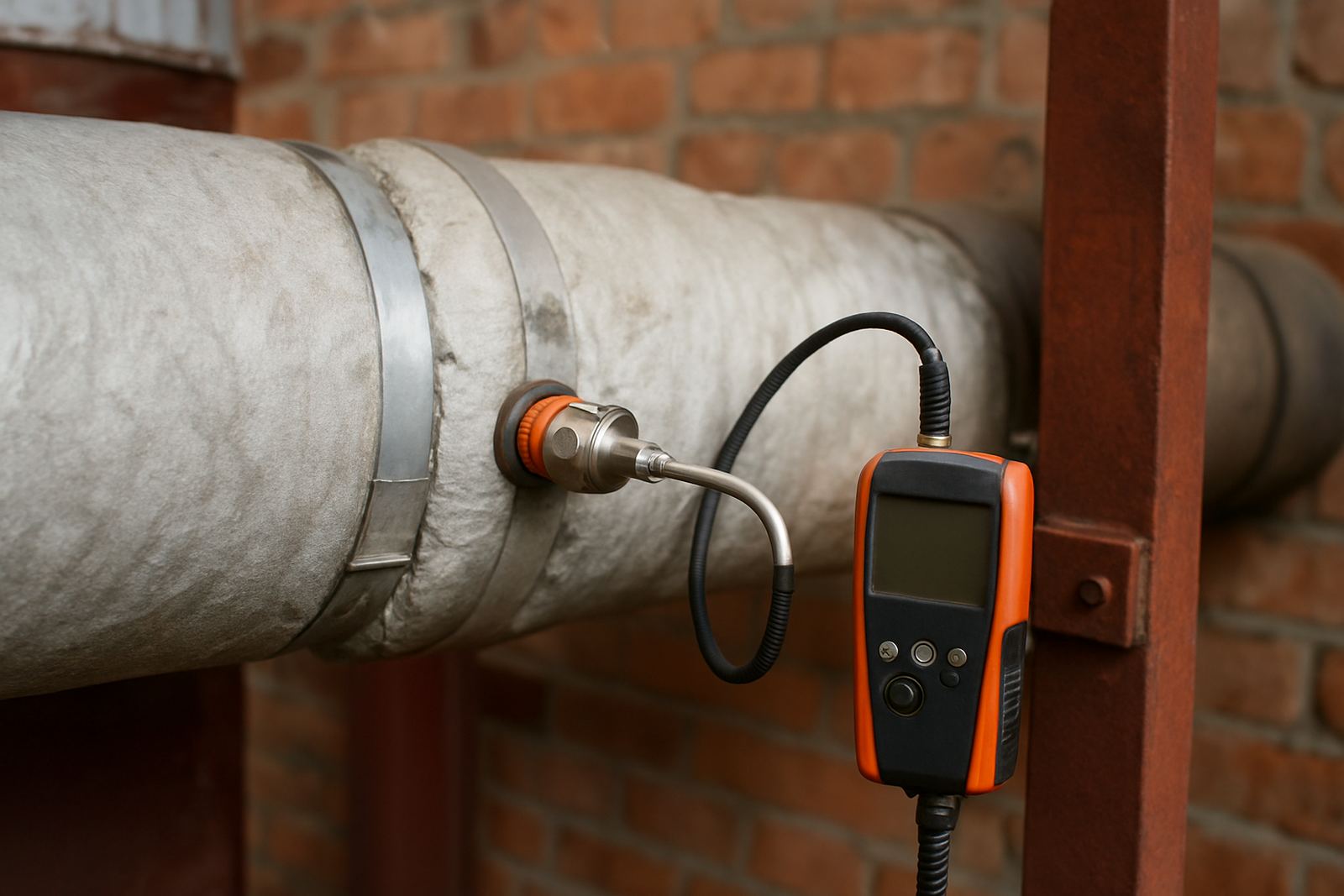
- Check thermocouples and control readings against a trusted hand meter.
- Inspect burners for poor ignition or uneven flame shape.
- Look for cracked refractory, loose anchors and hot spots on the shell.
- Clean air passages and confirm damper movement is free.
How operators can keep temperatures steady on site
Good operation starts before the load goes in. Waste should be sorted as far as the process allows, because wet material, sealed containers and mixed non-combustibles all drag the chamber away from its target. Overloading is another common cause of unstable heat. A unit that is packed too tight cannot breathe, and then operators turn the burner up to compensate, which usually makes matters worse.
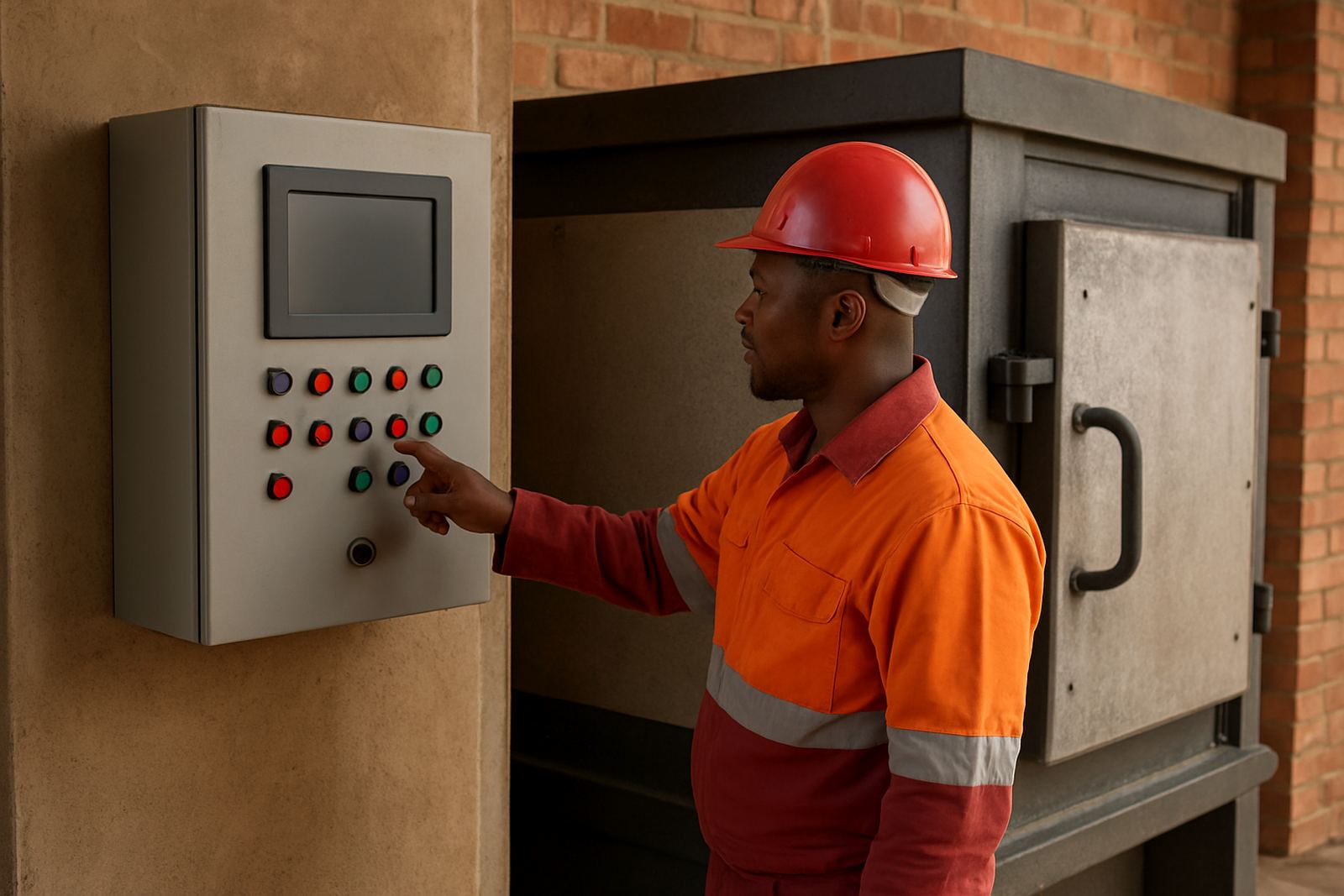
Daily checks should be simple and strict. Watch the temperature trend, not only the current reading. Confirm burner start-up, check the fuel supply, and note any unusual noise or delayed ignition. On sites with municipal or environmental reporting duties, those records help when inspections ask why the plant ran outside its normal band. A short logbook entry can save a long argument later.
- Load waste in smaller, controlled batches.
- Keep an eye on fuel pressure and burner cycling.
- Record chamber readings at start-up, mid-cycle and shut-down.
- Do not ignore a change in smell, smoke colour or flame noise.
Why hot enough is not the same as too hot
Some operators think higher temperature automatically means better destruction. It does not. Once the chamber is hotter than the design calls for, the plant may still be processing waste badly while also burning through fuel and stressing the lining. Excess heat can warp components, reduce service life and increase the chance of unplanned shutdowns.
The point is to match temperature with dwell time, air balance and the waste type being processed. That is why combustion tuning matters so much. A well-tuned unit can often give cleaner results at lower fuel use than a badly adjusted one running flat out. In real terms, that means fewer callouts, less downtime and lower running cost over a year.
Maintenance that protects refractory, burners and controls
Temperature control is only reliable when the whole plant is looked after. Annual inspections should include burner service, control testing, seal checks and refractory condition. If the lining is thin, heat loss rises and the chamber has to work harder for the same result. In coastal or humid areas, corrosion can also creep into fittings and control panels, so it pays to inspect terminals and cable runs before faults start.
For plants in and around Boksburg, Pretoria or Midrand, scheduled maintenance is usually easier than emergency work during a breakdown. It keeps the chamber consistent and gives the owner a better idea of when parts will need replacement. That planning matters where waste handling cannot pause for long, especially if the site must keep within local fire or environmental requirements. A clean, controlled incinerator is usually the one that has not been left to run until it fails.
A practical temperature lesson from a Gauteng site
A manufacturing site in Germiston was running an older incinerator that could reach temperature, but not hold it. Operators noticed that the first loads burnt off well, then later cycles produced darker exhaust and more ash. The root cause was a mix of worn burner parts, a cracked section of refractory and poor air balance after a hurried restart following power loss. The plant was not short of heat, it was short of control.
After the unit was inspected, the damaged lining was repaired, the burner was serviced and the controls were reset to suit the waste pattern on site. Temperatures settled, the stack ran cleaner and the team no longer had to keep nudging the settings every shift. That is the point of proper temperature management: it makes the plant predictable. And in a busy operation, predictable means easier to run.