Why missing insulation costs more than you think
When insulation breaks down on a boiler shell, hot water line, steam pipe or calorifier, the heat does not stay in the system. It escapes into the plant room, roof space or service duct, and your equipment has to keep making up that loss. On a site running long hours, that wasted heat becomes a steady fuel bill rather than a once-off fault.
We see this often on older plants in Boksburg, Germiston and Midrand where lagging has been removed for repairs and never replaced properly. A small bare section on a 100 mm line can radiate enough heat to raise room temperatures, which then affects nearby electrical gear and makes the area uncomfortable for staff. In summer, that extra heat is felt even more because the plant room is already fighting ambient heat and poor airflow.
There is also the hidden wear. Higher surface temperatures place stress on valves, seals, sensors and cable runs. If the insulation is loose, wet or crushed, it can trap moisture against the metal and speed up corrosion under the cladding. That is a costly repair waiting to happen.
How to spot heat loss before the bill climbs
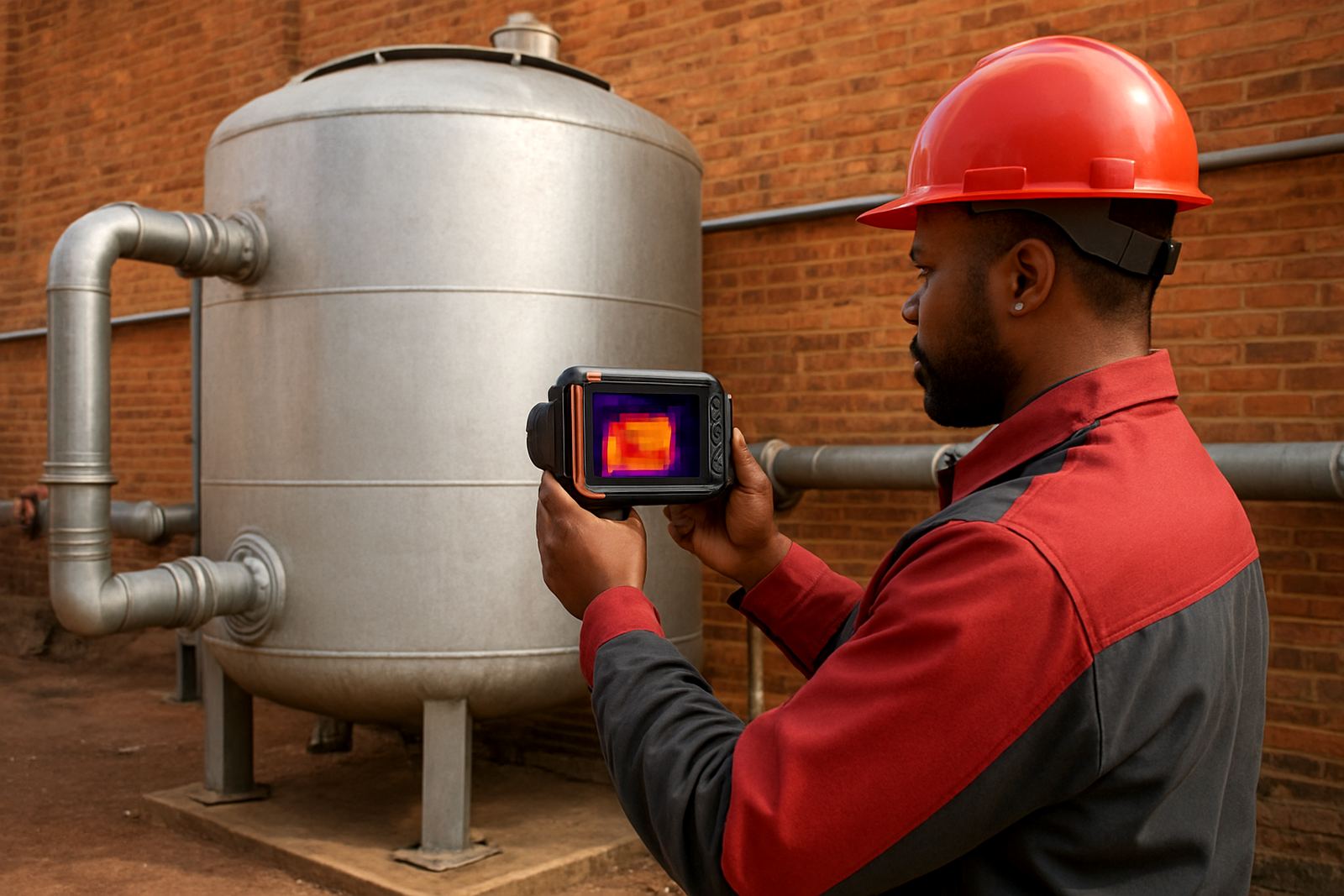
Most insulation problems can be picked up during a normal walk-through if the team knows what to look for. You do not need fancy gear to see the obvious signs. Discoloured cladding, damp patches, peeling tape and hot spots you can feel from a safe distance all point to heat escape.
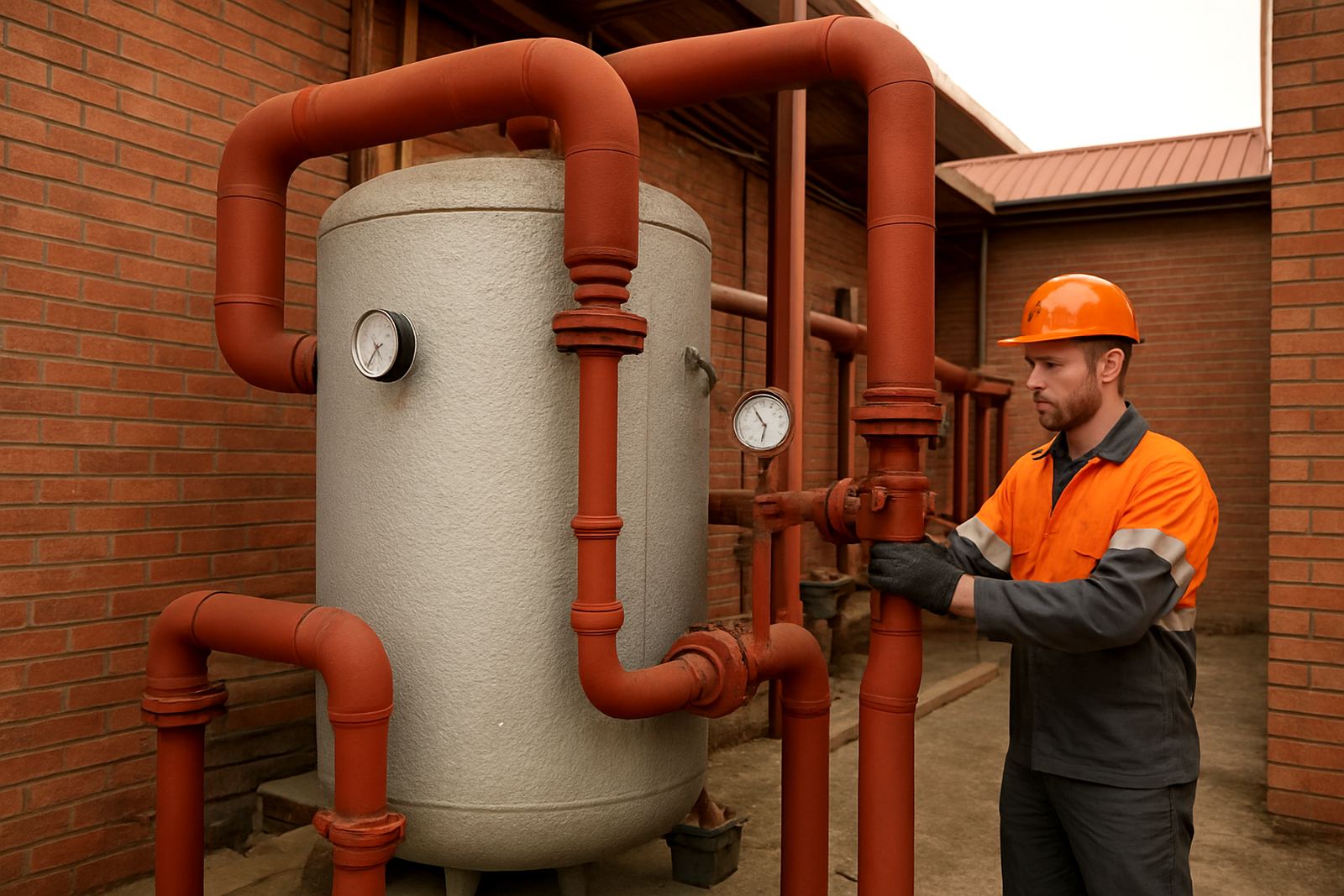
- Check valve bodies, flanges and pipe bends where insulation is often cut away and not replaced neatly.
- Look for soft or sagging sections on calorifiers and storage vessels, especially after roof leaks.
- Inspect outdoor runs for damaged jacketing, bird pecking and wind-lifted sections.
- Feel for unusual warmth in corridors, ceilings or service shafts next to hot water lines.
- Watch for condensation on nearby cold surfaces, which can happen when hot and cold services are too close together without proper separation.
A plant room in Pretoria recently showed the value of a simple check. The maintenance team complained about high steam use and warm walls. A visual inspection found several metres of missing lagging around a bypass line and a calorifier connection. After repair, the room temperature dropped and the boiler no longer cycled as hard during peak demand. Nothing glamorous, just practical fault finding.
Where heat loss usually starts on commercial plant
Heat loss rarely comes from one big failure. It starts in the small places that get opened often or exposed to moisture. Boiler doors, inspection hatches, flanged joints and removable blankets on calorifiers are common weak points. If the insulation is not refitted tightly after a service, heat will leak every time the plant runs.
Outdoor boiler houses along the East Rand and in parts of Centurion face extra strain from weather. Wind drives rain under poorly sealed cladding, and coastal humidity is not the only problem. Even inland, summer storms and dust can work their way into gaps. Once the mineral wool or other insulation gets wet, it loses performance and can stay damp longer than expected.
- Boiler shells and front doors
- Calorifier bodies and top domes
- Steam and hot water distribution lines
- Flange sets, valves and strainers
- Expansion joints and removable access sections
Factories, hospitals, schools and body corporates often have mixed pipework where older insulated sections meet newer refurbishments. That is where the thermal losses show up first. If one contractor leaves a patch thin or uneven, the system still works but the operating cost slowly rises.
Room temperature, safety and staff comfort
Heat loss is not only an energy issue. It also changes the working conditions around the plant. A hot room makes it harder for technicians to do service work properly and increases the chance of error. If the area is cramped, the extra heat can make access to valves, gauges and burner controls unpleasant during a long breakdown callout.
In some buildings the complaint starts with office staff, not the maintenance team. They notice hot ceilings, warm walls or a rise in air conditioning use near service ducts. That is often linked to uninsulated lines passing above ceilings or through common areas. Once those lines are properly insulated again, the load on the cooling system drops and the space becomes easier to manage.
Safety matters too. Bare hot surfaces can burn hands during routine checks, especially where signage is poor or new staff do not know the plant layout. Good insulation helps reduce accidental contact and keeps pipework from radiating heat into areas not designed for it.
What good insulation work should include
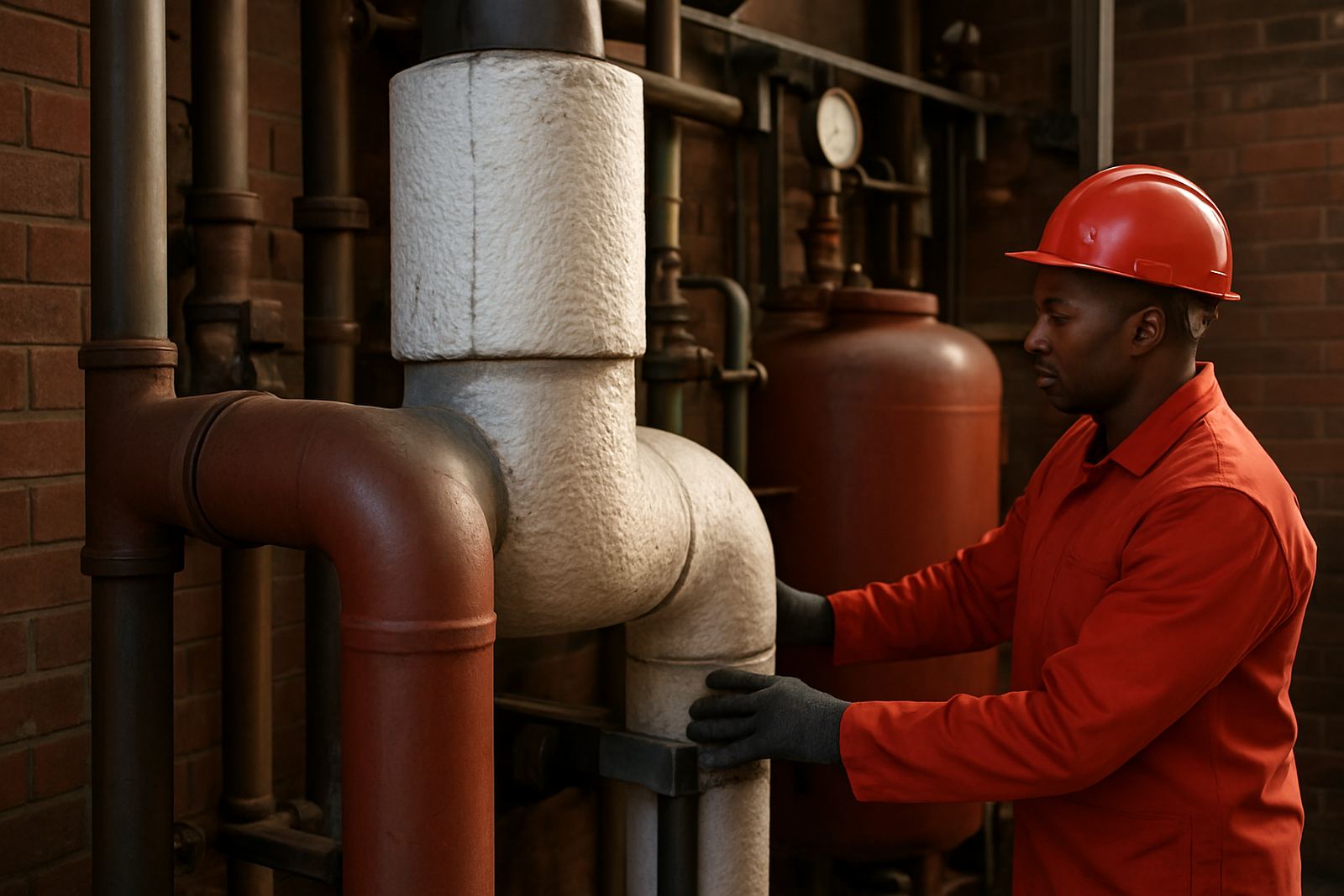
Proper insulation is not just wrapping a pipe and calling it done. It needs the right thickness, the right finish and neat treatment around fittings so that maintenance can still be done later without tearing everything apart. On commercial and industrial systems, the finish should suit the environment as well. Outdoor lines need weather protection, while plant room sections need access that can be removed and refitted cleanly.
At Ai-TEC, we normally look at the condition of the insulation at the same time as boiler servicing, calorifier maintenance and plant refurbishment work. That way, a loose section found during a breakdown does not get forgotten until the next incident. Where heat loss is serious, we may recommend a phased repair so the plant can stay running while the worst areas are corrected first.
- Correct material thickness for the service temperature
- Secure cladding or protective finish for indoor and outdoor use
- Access covers that can be removed for inspections
- Clean treatment around valves, flanges and instrument points
- Replacement of wet, damaged or compressed insulation
A practical Gauteng example from the plant room
A distribution site in Germiston called us after noticing that the boiler room was getting uncomfortably hot and the fuel usage had crept up. The boiler itself was still firing properly, so the problem was easy to overlook. During inspection we found several stripped sections on the hot water lines, poor sealing around removable covers and one calorifier section where the insulation had settled after a roof leak.
Once those areas were repaired, the room temperature came down and the plant ran with less heat bleed into the work area. The operations manager also reported that the nearby electrical panel room was no longer running as warm. It was not a major rebuild, just sensible maintenance and better attention to where the heat was going.
That is the point with insulation. If it is sound, nobody notices it. If it is damaged, everyone pays for it through fuel, comfort and wear on the system.
When to bring in a specialist team
If you see repeated hot spots, wet cladding or rising fuel costs with no clear change in production, it is time for a proper inspection. The issue may be insulation, but it may also be burner tuning, leaking valves, poor water treatment or a combination of faults that all add up. A good assessment should cover the whole heat path from combustion to distribution and back.
Ai-TEC services commercial and industrial boiler plants across Gauteng and nationally from our Jet Park base. We handle boiler servicing, calorifier maintenance, inline heater repairs, incinerator servicing, combustion tuning, refractory relining, water treatment support, annual inspections and plant refurbishment. If you need a practical check on heat loss, our engineering team can help spot where the energy is escaping and what to fix first.