Why stored hot water cools faster than many plants expect
Every stored hot water system loses heat through its shell, heads, flanges, manways and connected pipework. The larger the exposed surface area, the more heat leaks away while the plant is standing still. In practical terms, a tall, slim calorifier with good insulation can hold temperature better than a wide vessel with poor lagging, even if both carry the same volume.
Standby time matters just as much. A tank that is reheated every hour will show less visible loss than one that sits through a long weekend or a holiday shutdown. In Gauteng, where night temperatures can dip sharply, that standing loss shows up on Monday morning as longer recovery times and more burner run hours.
The three drivers: surface area, insulation and standby time
When we assess heat loss from storage, we usually start with three practical drivers. These are simple to measure on site and they explain most complaints about hot water not lasting the shift.
- Surface area: Bigger exposed shells, pipe runs and valve sets lose more heat than compact installations.
- Insulation condition: Wet, damaged or compressed lagging allows heat to bleed out far faster.
- Standby time: Long idle periods, low demand weekends and load-shedding related stoppages increase losses.
If a vessel was sized for a production line that now runs extra shifts, or if the plant expanded and added draw-off points, the original storage arrangement may no longer suit the actual demand profile. That is when a system starts looking inefficient even though the boiler itself may be in decent condition.
What poor insulation looks like on site
Poor insulation is not always obvious from a distance. A blanket can look neat on the outside while the core has gaps, moisture or missing sections around fittings. On coastal sites, humidity speeds up jacket corrosion and trapped moisture reduces the value of the insulation layer. Inboard plant rooms also suffer when warm pipes are left bare after maintenance and never properly re-lagged.
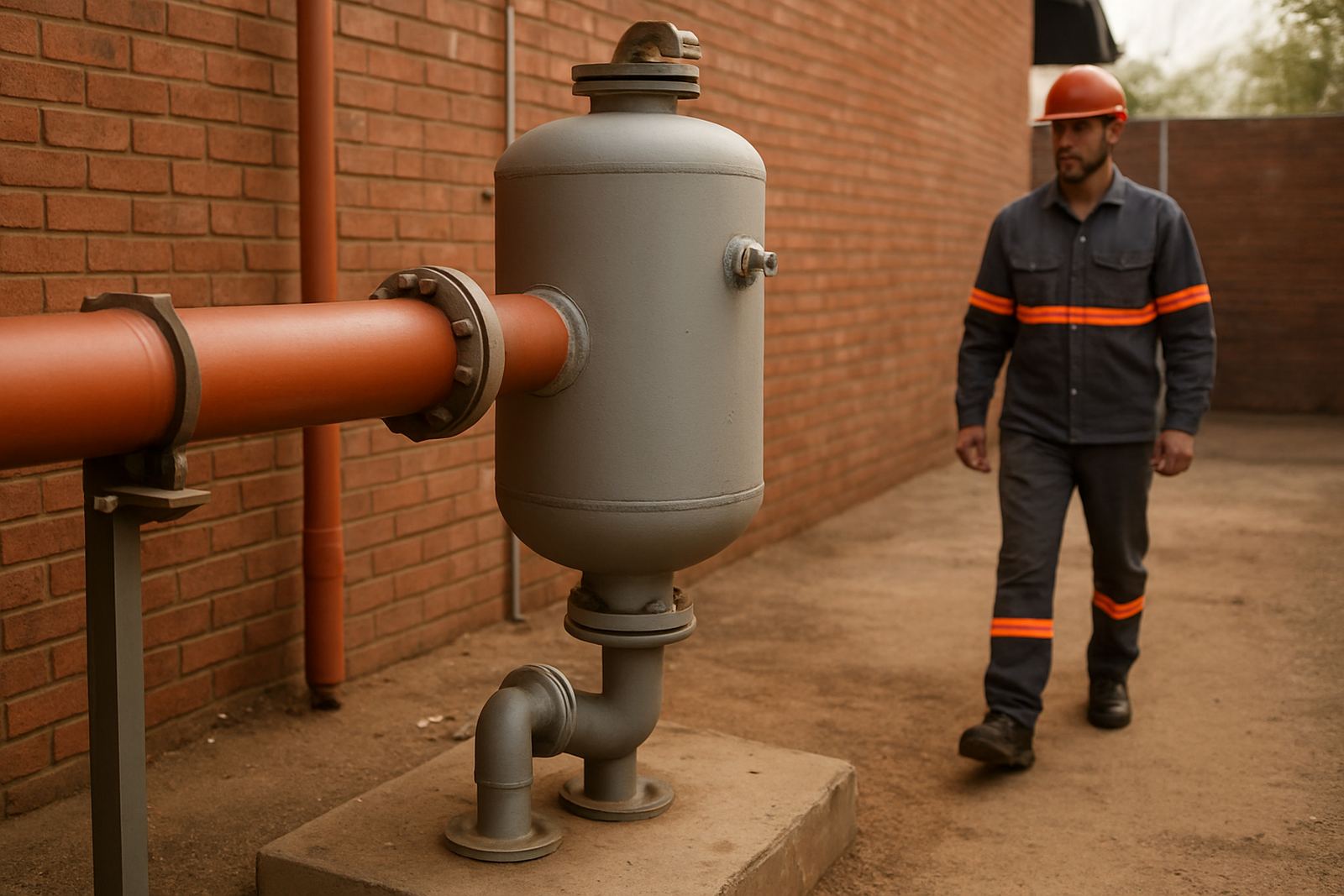
We often find the same weak points again and again: uninsulated flanges, short valve stubs, failed removable covers, and top or bottom heads that were left thinner than the shell insulation. Those small gaps can waste more energy than people expect because heat escapes from the hottest points first.
- Check for damp patches or sagging on lagging
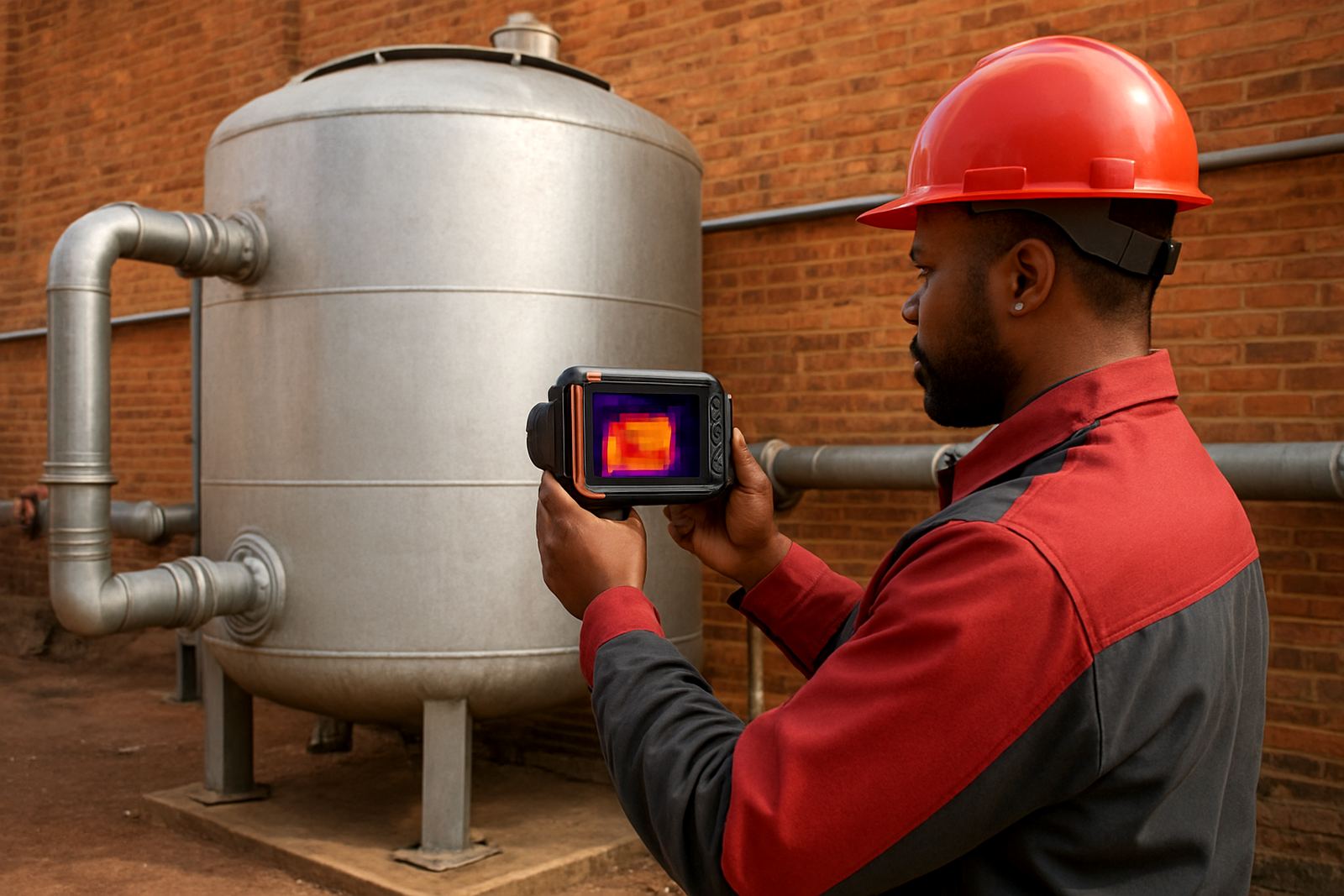
- Feel for hot spots around valves, manways and supports
- Inspect pipe bends and short exposed connectors
- Look for jacket damage after service work or access opening
How standby time changes the bill
Storage loss is not just about what leaves the vessel in an hour. It is about how long the system sits between heating cycles. A tank that is maintained at temperature all day for a hospital laundry, for example, behaves differently from a plant that is only needed in the morning and again late afternoon. The second system loses more to standby and then asks for a harder recovery when demand returns.
During load-shedding, many plants see an even bigger hit. When circulation stops, the tank stratifies and the hottest layer at the top starts cooling into the cooler water below. Once power returns, the boiler or inline heater has to work against a larger temperature gap, which increases fuel use and delay.
- Reduce idle temperature only where process limits allow it
- Keep recirculation pumps on the correct duty cycle
- Plan heating windows around production peaks
- Review recovery time after shutdowns and outages
A Boksburg example from a live industrial site
At a packaging plant near our Boksburg base, the maintenance team reported that hot water was available first thing in the morning but fell away before lunch. The boiler had no major fault, yet the calorifier shell was running hotter than expected and the return temperature was unstable. On inspection, the vessel insulation was intact on the front face but badly compressed around the supports and the upper fittings.
We also found a long exposed run to a wash point and an older calorifier that had been left online through weekends even though demand had dropped. After re-lagging the hot spots, checking control set points and tightening the standby schedule, the plant used less fuel and recovery times improved. The change was practical, not dramatic, but it saved the site from chasing symptoms every Monday.
What to inspect before you blame the boiler
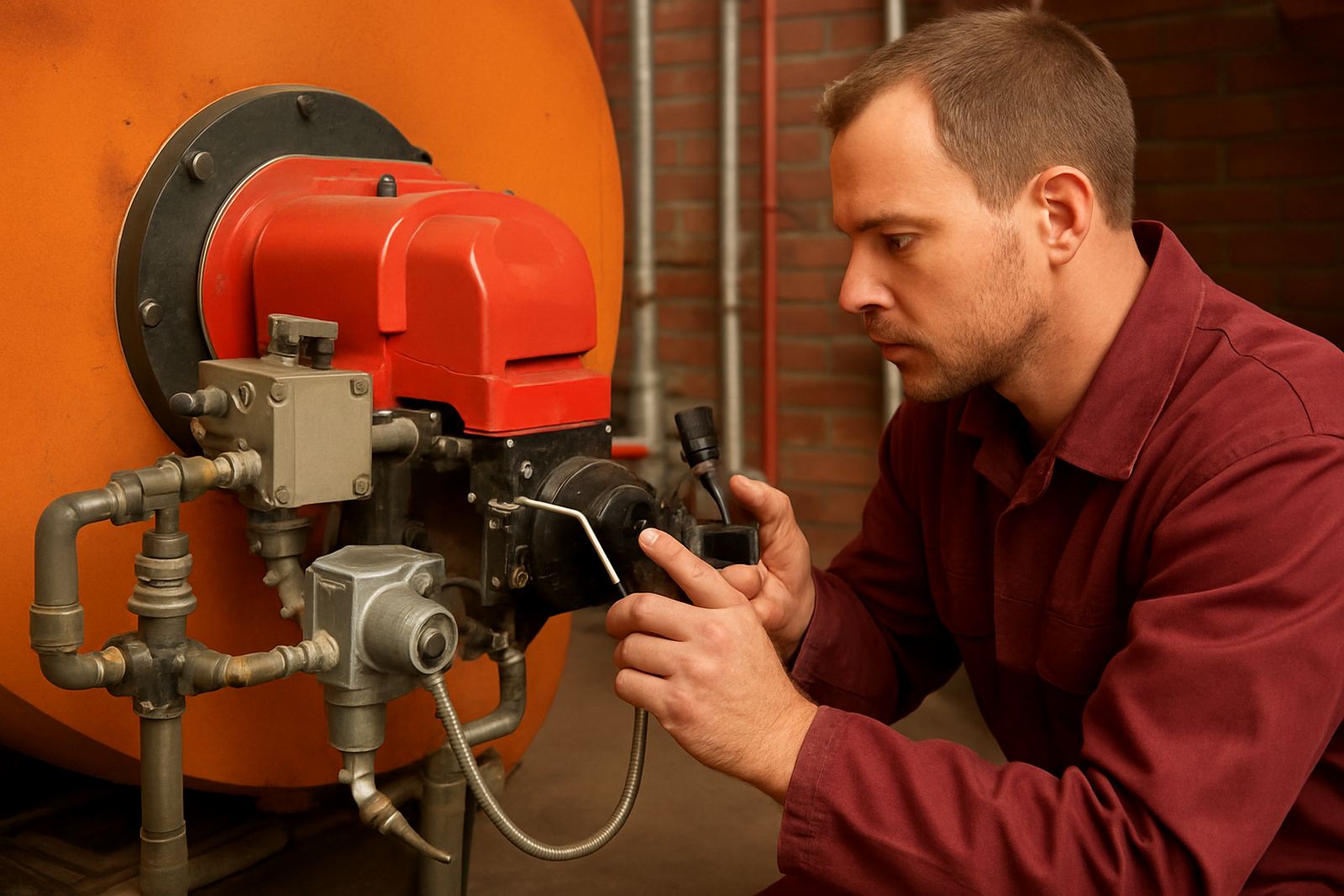
When water temperatures are falling too quickly, the vessel is often blamed first. In practice, the real loss may be in insulation, valve sets or pipework. A boiler can be firing correctly and still appear underperforming if the stored heat is leaking away faster than it is being replaced.
Before you schedule major work, check the basics below:
- Vessel jacket condition and wet insulation
- Temperature drop across the vessel during standby
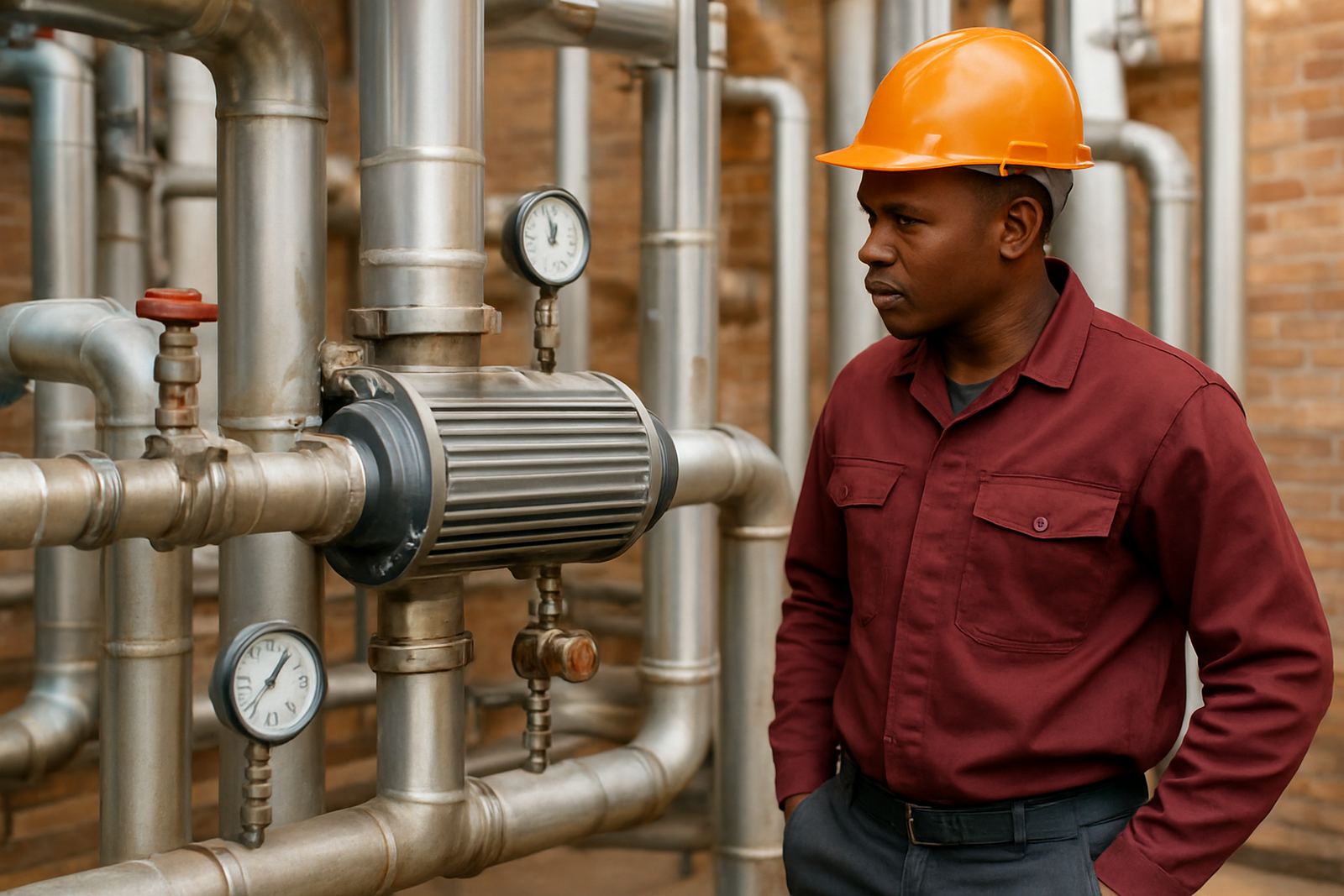
- Uninsulated pipework, strainers and valves
- Recirculation flow and pump operation
- Scale build-up, sludge or internal fouling
If there is heavy scaling inside the calorifier, heat transfer slows down and the burner stays on longer. That raises fuel use and can shorten component life, especially on systems that already struggle with hard water or poor water treatment control.
Practical maintenance that cuts stored heat loss
Good maintenance does not remove heat loss completely, but it keeps it within reason. For commercial and industrial plants, the useful gains usually come from steady inspection and small corrective work rather than emergency repairs. That includes checking combustion, confirming insulation integrity and making sure operating temperatures suit the actual duty cycle.
Ai-TEC supports boiler servicing, calorifier maintenance, inline heater repairs, incinerator servicing and annual inspections across Gauteng and nationally. From Jet Park, Boksburg, our teams can assist with emergency callouts, combustion tuning, refractory relining, water treatment support and plant refurbishment. We work around municipal rules, shutdown windows and site access limits, which matters on plants that cannot afford a long break in supply.
If your stored hot water is falling away too fast, the problem is usually measurable. Once you know where the heat is leaking, you can fix the right part of the system and stop paying to heat the same water twice.