Start with the product, not the heater
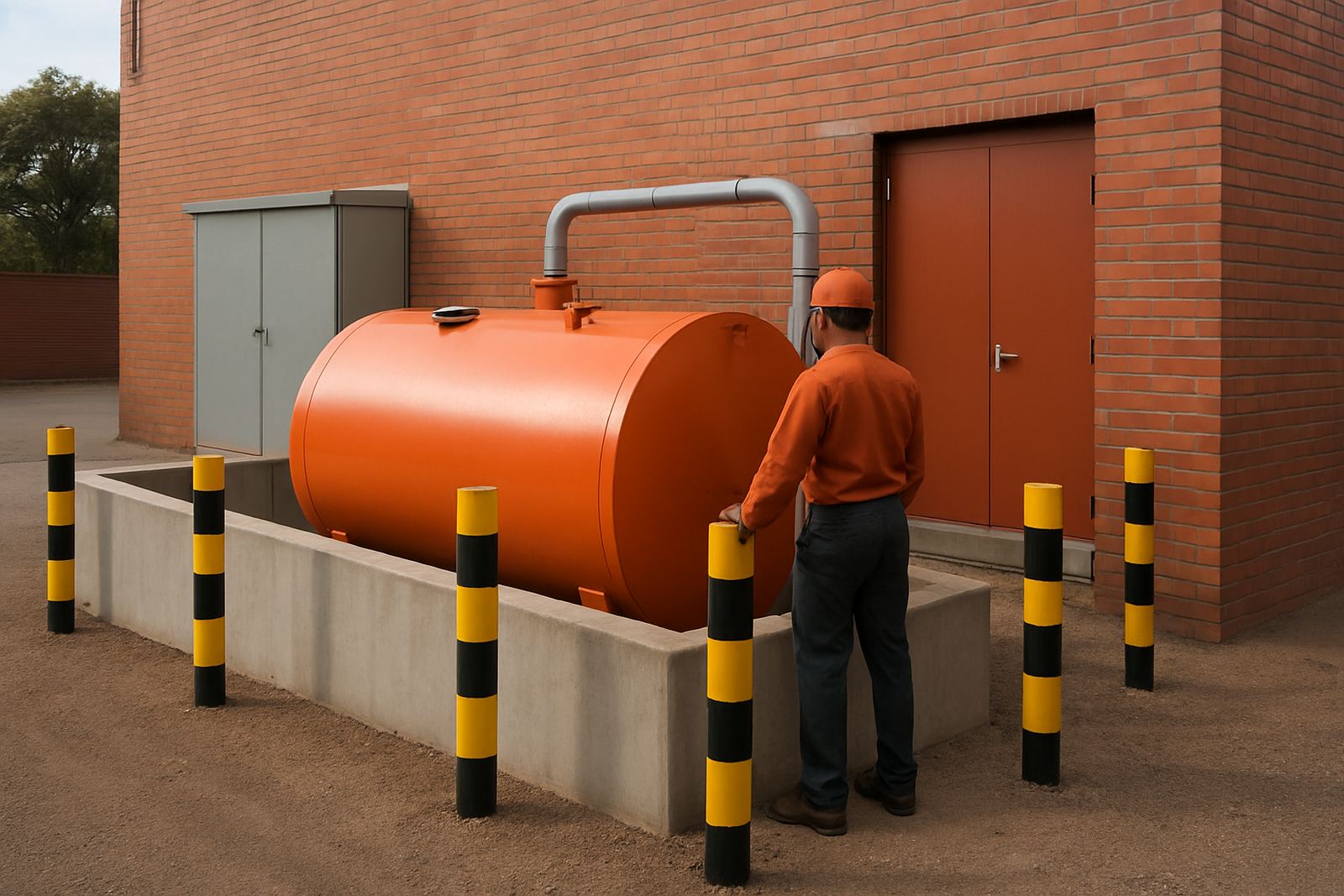
Every process fluid behaves differently. Light oils may thin quickly once warmed, while syrups, fats and some food or chemical blends can change from pourable to stubborn in a small temperature window. Before you choose a heater, confirm the target viscosity, the safe product temperature and whether the fluid must stay in motion or can sit in a vessel for short periods.
It also helps to know how the product is handled between the tank, pump, heater and point of use. A system that works on paper can still fail if the pipe run is too long, there are too many bends, or the pump cannot maintain flow once the product cools overnight. In Gauteng, cold early mornings can make that difference very clear, especially on uncovered pipework.
- Check the product data sheet for max temperature and any burn or degradation risk.
- Match heater output to flow rate, not only tank size.
- Allow for start up after a weekend shutdown or power cut.
- Plan for cleaning if the fluid can harden in the line.
Even heat matters more than high heat
With viscous fluids, uneven heating can be worse than slow heating. Hot spots can char product on the heater surface while the bulk of the fluid is still too thick to pump. That leads to fouling, poor energy use and in some cases off-spec product. A good system spreads heat properly through a coil, jacket, inline heater or circulation loop, rather than relying on one hard working point source.
For oils and syrups, stable temperature control is often more important than a very high setpoint. Many plants find that holding a slightly lower temperature with good circulation gives better results than chasing a quick heat up. The same idea applies to storage tanks, transfer lines and filling points. If one part of the line is colder, that is where blockage and pressure spikes usually start.
- Use insulation to reduce heat loss on tanks and pipelines.
- Keep control sensors in a position that reads the true product temperature.
- Avoid overfiring or oversizing, because it can damage product and equipment.
- Inspected heat transfer surfaces regularly for scale and fouling.
Steam, electricity or thermal fluid: choose for the duty
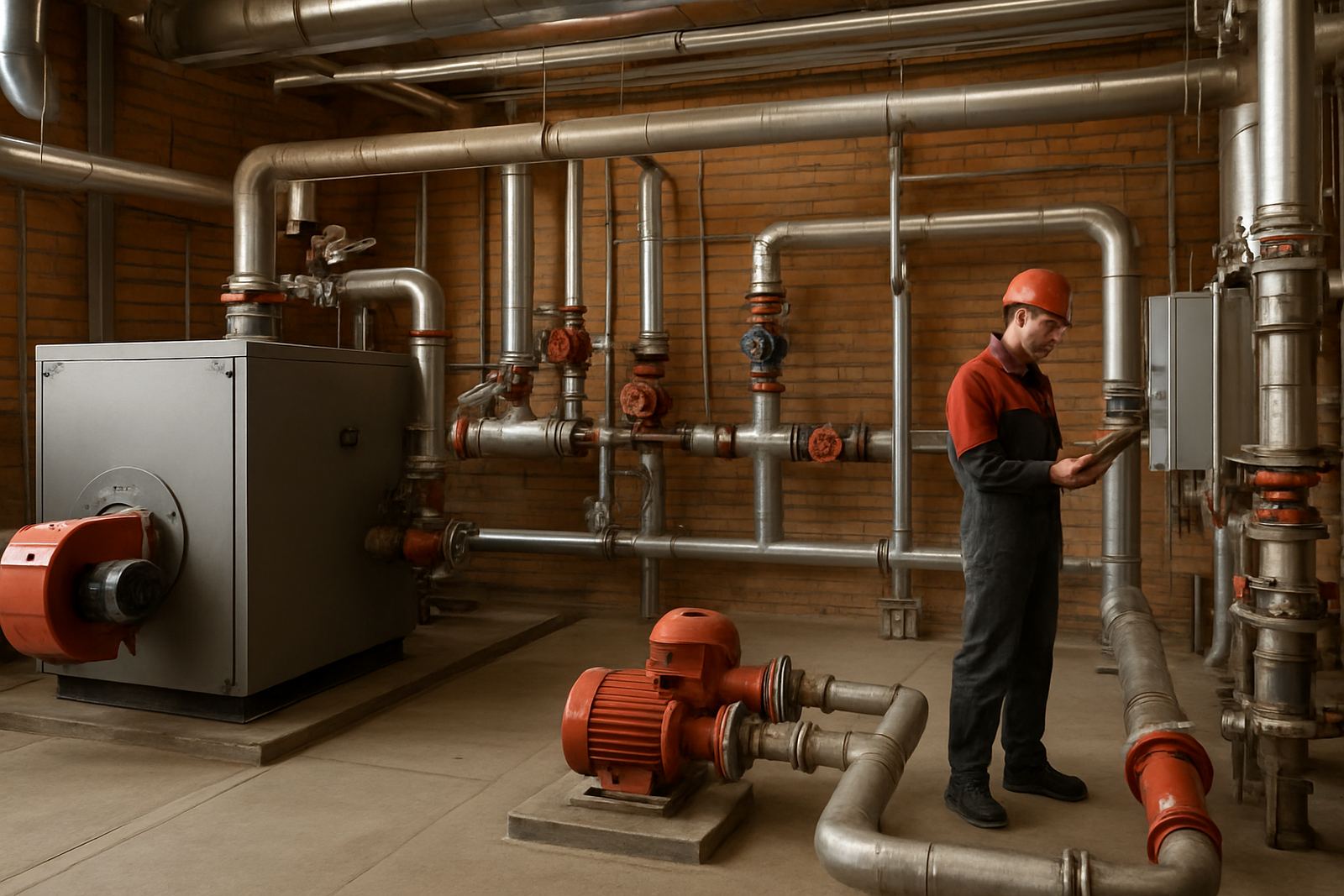
There is no single answer for every plant. Steam works well where a site already has a boiler and a maintenance team that understands condensate return, traps and pressure control. Electric inline heating can suit smaller duties or localised points of use, especially where only part of the plant needs heat. Thermal fluid systems are used where a steady supply of process heat is needed across several loads and where the operating temperature would be awkward for direct steam.
The right choice depends on the product, available utilities and the cost of downtime. A bakery, edible oil plant or chemical blender in Gauteng may have very different needs from a depot on the coast where humidity and corrosion become part of the maintenance plan. In some plants the answer is not a replacement, but a better balanced combination of heater, circulation and control.
- Use steam where you already have reliable boiler capacity and proper condensate return.
- Use electric heat for smaller lines, point of use duties or where steam is not available.
- Use thermal fluid when you need steady high temperature across multiple points.
- Consider the effect of load-shedding on each option and whether backup is needed.
Pumps, valves and pipework decide the real outcome
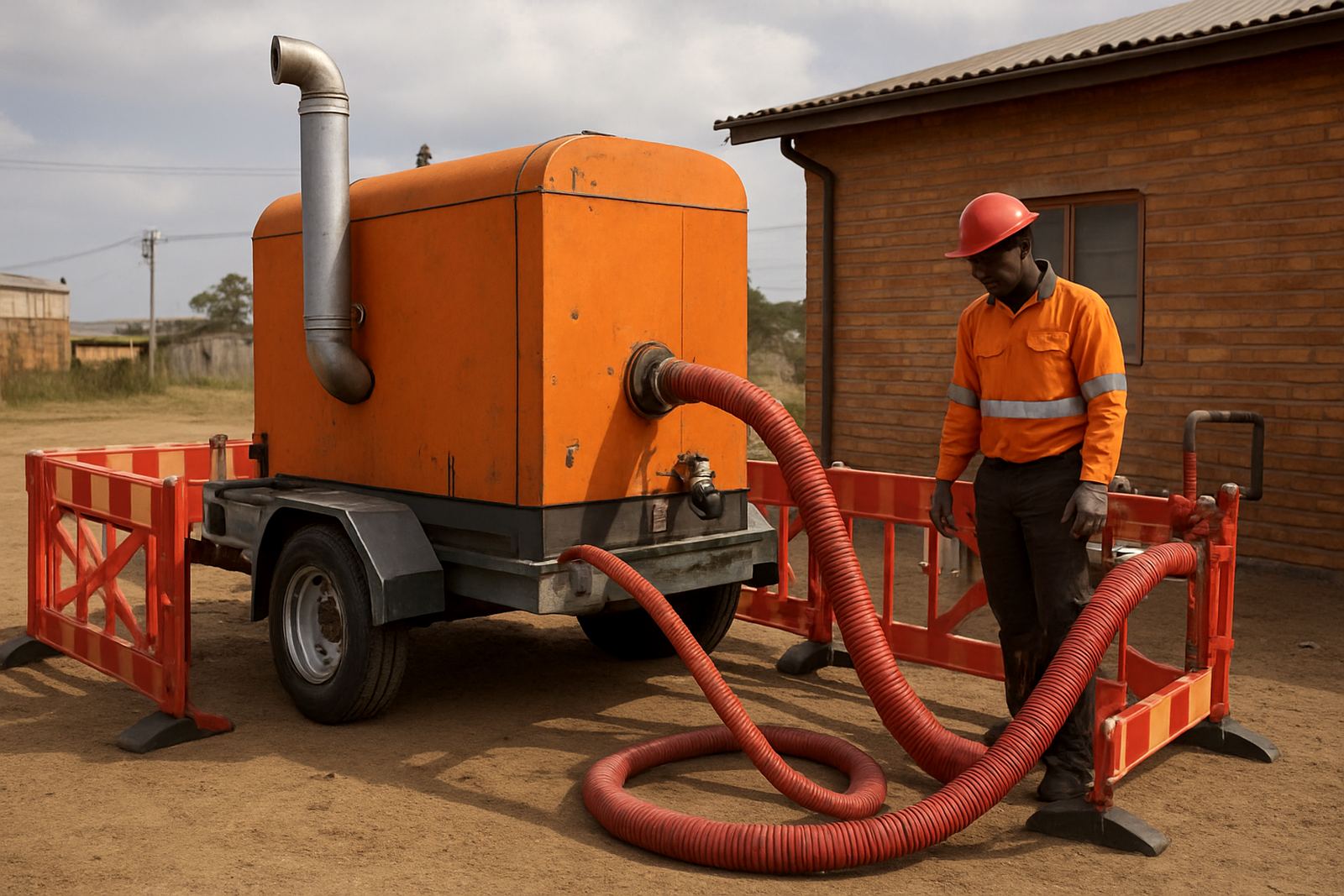
Many heating problems are blamed on the heater when the real fault is in the pipework or pump selection. Thick fluids need the right line speed, enough suction head and valves that do not create unnecessary restriction. If the pump cavitates or struggles after a cold start, the heater may be working fine but the process still stops. The same goes for strainers that are too fine, long dead legs or badly placed bypass lines.
When a site starts asking for repeated callouts, it is worth checking the whole path from storage to discharge. On a plant in Boksburg or Germiston, for example, a short run from a heated tank to a dosing point may work well in summer then seize up on a cold July morning if the insulation is poor and the trace heat is undersized. Small changes to layout can save a lot of energy and trouble.
- Size pumps for cold start conditions, not only normal running conditions.
- Keep suction lines short and as straight as possible.
- Use valves and fittings that suit the viscosity of the fluid.
- Review any dead ends where product can cool and set.
Maintenance keeps heat efficient and product on spec
Process heating gear needs regular attention if you want predictable output. Burners need tuning, controls need calibration and heat surfaces need cleaning. On steam systems, water treatment, blowdown and trap condition matter. On electric systems, terminals and elements need checking for heat damage and moisture ingress. In corrosive environments, even a small gasket leak can turn into bigger problems fast.
A proper maintenance plan should also look at insulation damage, control drift and signs of product build up. If a plant keeps running hotter to achieve the same flow, that is often a sign that heat transfer has dropped or the fluid has changed. Annual inspections and planned shutdown work are usually cheaper than emergency repairs at 2am. That is especially true when a plant has to keep moving through month end and public holidays.
- Inspect burners, sensors, elements and controls on a fixed schedule.
- Check insulation, gaskets and seals after cleaning or shutdowns.
- Record start-up times, temperatures and energy use to spot drift.
- Plan for spares on critical lines so the plant is not stuck waiting for a part.
A Gauteng example: winter start-up on a food and chemical line
A mid-sized plant between Johannesburg and Pretoria was struggling with thick syrup blend transfer every winter. The product moved well once it was warm, but morning start-up kept delaying packing and the operators were turning the heater up too high to catch up. That caused local overheating on the heater surface and the product darkened in places.
The fix was not just a bigger heater. The line was insulated properly, a better circulation path was set up, the control sensor was moved to a more accurate point and the warm-up procedure was changed so the fluid was brought up gradually. After that, the plant got faster start-ups, fewer blockages and lower fuel use. The operators stopped fighting the system and the product quality stayed consistent.
That is the main lesson with process oil heating: if you treat it as a full system, not a single machine, you get better results. The right temperature, the right flow and the right maintenance plan all have to work together.