Why stored hot water becomes a hygiene issue
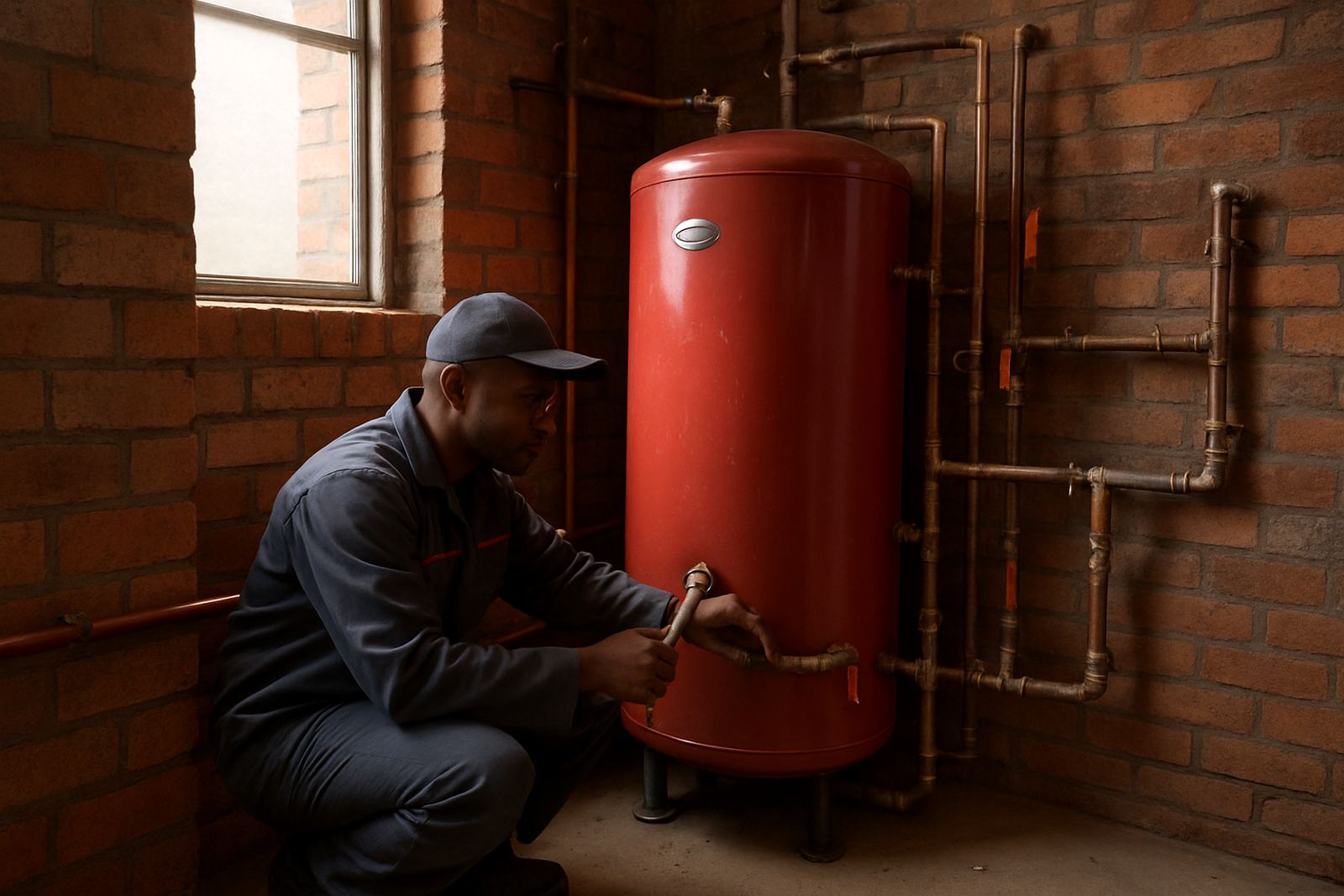
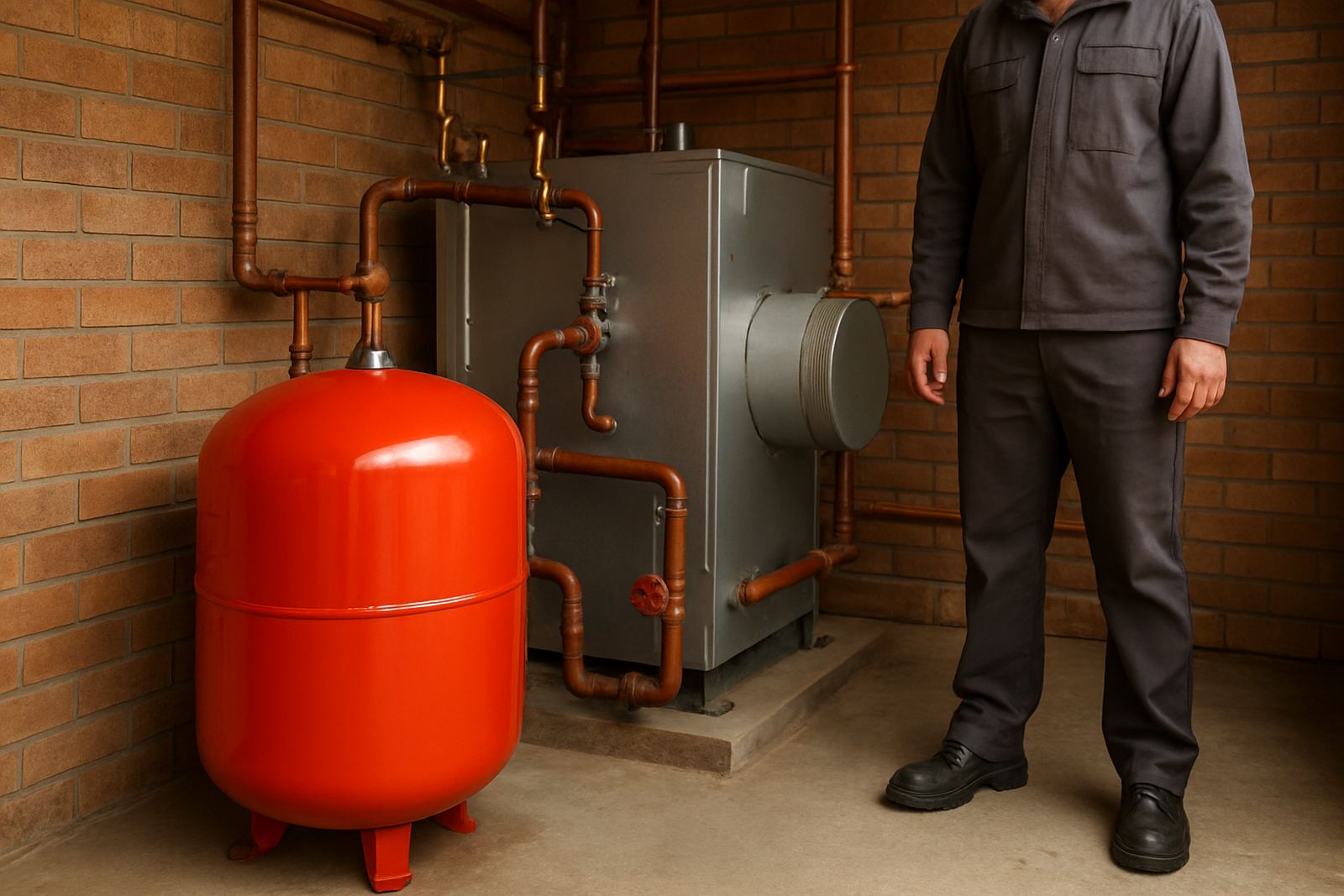
A calorifier holds hot water for showers, kitchens, hand basins and process needs, so the water is often stored for longer than people realise. If the temperature inside the vessel falls into the wrong range, bacteria can multiply in stagnant sections, dead legs and poorly circulating lines. That is where hygiene risk starts, and it is not only a hospital problem. Office blocks, factories, lodging facilities, food plants and schools all face the same basic issue.
On many sites the first warning sign is not a smell or a visible problem. It is a slow change in outlet temperature, a longer heat-up time after load shedding, or a tank that cycles too often because the burner, element or control set-up is not working as it should. Once storage temperature drifts, the whole water system can become harder to manage.
In practical terms, the risk grows when hot water is stored below the target range, when cold make-up water enters too quickly, or when scaling and sludge insulate the heating surface. A tank can look fine from the outside and still be carrying a hygiene concern inside.
Temperature control is the main control point
For most sites, the simplest protection is also the most reliable: keep stored hot water at a proper temperature and verify it regularly. That means checking thermostat settings, confirming probe accuracy, and making sure the system reaches the required heat at the furthest outlet as well as at the tank. If the calorifier is only hot near the vessel, the job is not being done properly.
Temperature management also depends on circulation. A dead leg or a failing pump can let water sit too long, and that gives any biological growth time to build. In winter, especially in parts of Gauteng where the morning water line is cold, the system may take longer to recover after use. In coastal humidity, the outside of the vessel and pipework can also corrode faster, so insulation and lagging need regular attention.
- Check stored water temperature at the vessel and at remote points.
- Inspect circulation pumps, valves and thermostats before peak season.
- Look for scale build-up on heating surfaces and inside strainers.
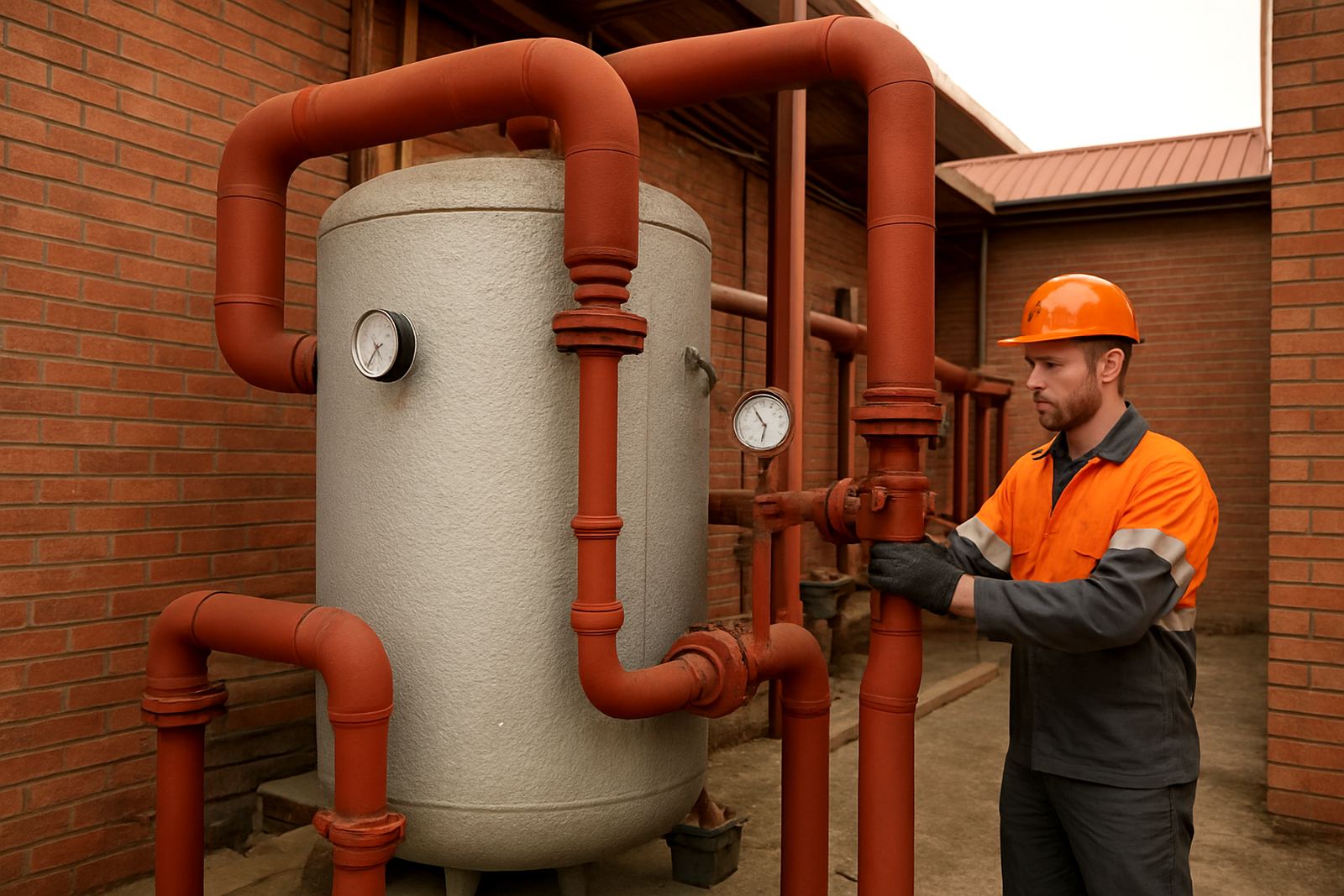
- Test safety valves, gauges and isolation valves during planned shutdowns.
What the warning signs usually look like on site
Most hygiene problems do not arrive all at once. They creep in through worn controls, neglected servicing and hard water. You may see white scale around fittings, rusty staining at flanges, or cloudy water after periods of downtime. Some sites report a sulphur-like odour, but by then the system is already telling you that the water quality needs attention.
Another common sign is uneven temperature between taps. A shower block may feel fine near the plant room but lukewarm on the far side of the building. That usually points to poor circulation, balancing issues, or a calorifier that is not recovering fast enough after heavy demand. In a busy factory, that can affect shift change, cleaning routines and welfare compliance all at once.
- Lukewarm outlets after peak use.
- Scale on heating coils, tubes or immersion elements.
- Frequent tripping, pressure loss or noisy operation.
- Long delays before hot water reaches remote points.
If these signs show up together, the problem is often bigger than one failed part. It can be a mix of water treatment, maintenance backlogs and a control fault. That is why an experienced technician looks at the full water path, not just the tank.
How Gauteng sites manage risk during outages and busy periods
Load-shedding has made temperature control more difficult for many sites around Boksburg, Kempton Park, Midrand and Pretoria. When power returns, a calorifier may need to recover a full tank quickly while other plant starts up at the same time. If the system is undersized or badly set, stored water can sit in the danger zone longer than it should.
A local example is a commercial laundry in Germiston that runs early shifts and high wash volumes. When hot water supply dips overnight, the morning recovery is slow and the team starts work with lukewarm water at the far end of the building. The problem was not only the heater. Scale in the vessel, tired controls and poor circulation were all part of the story. After cleaning, tuning and control checks, the system held temperature properly again and water quality concerns dropped off.
Sites with backup generators often assume that power continuity means water safety is covered. It does not. If the calorifier is cycling poorly or the sensors are not accurate, the stored water can still spend too long below the required temperature. Municipal water interruptions also bring fresh cold water into the system, which means recovery matters even more.
Maintenance tasks that protect water quality
Good hygiene control depends on planned maintenance, not only on emergency repairs. A calorifier should be opened, inspected and cleaned at intervals that suit the water quality, duty cycle and site type. Hard water areas may need more frequent attention because scale acts like an insulating blanket and makes the heater work harder.
When we service a system, we look at the parts that directly affect hygiene and temperature stability. That includes the vessel, heating surfaces, controls, insulation, pipe supports and safety fittings. It also includes the water treatment side because untreated water can shorten equipment life very quickly. On some sites a small amount of sludge at the bottom of the tank is enough to reduce performance and create stagnant pockets.
- Drain and inspect the vessel for sludge, pitting and scale.
- Calibrate controls and confirm sensor placement.
- Check circulation and make sure flow is reaching the full circuit.
- Review water treatment records and top-up procedures.
If any of these items are missed, the system may still produce hot water but it will do so less efficiently and with more risk. That means higher running costs, more breakdowns and more pressure on the maintenance team.
What a proper inspection should confirm
An annual inspection should not be a tick-box exercise. It should confirm whether the calorifier is still safe, efficient and fit for the site it serves. We expect to see proper temperature retention, good recovery time, working safety devices and no signs of internal corrosion that could affect water quality. If the plant room is cramped or the pipework is badly supported, that should also be recorded because vibration and movement can damage fittings over time.
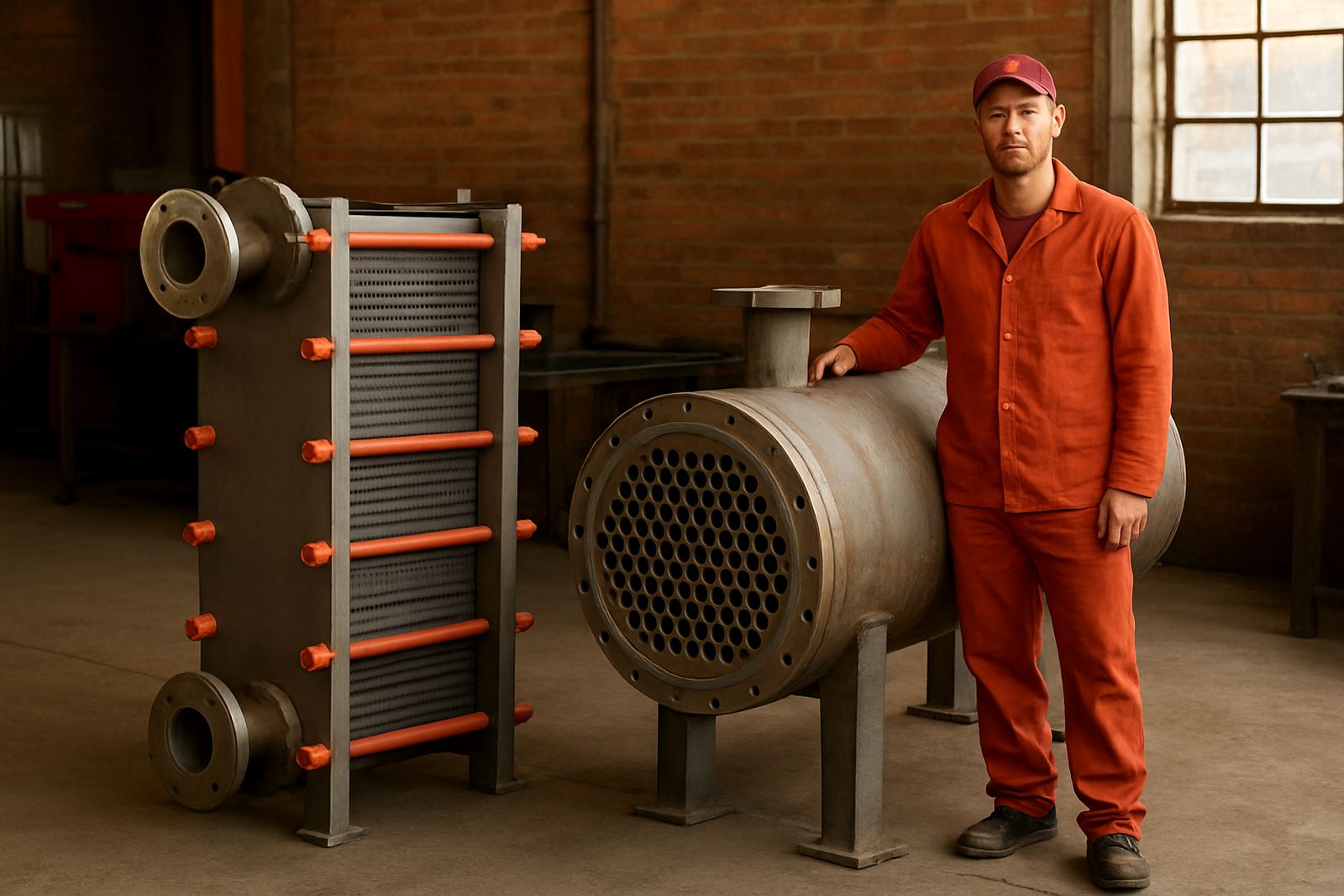
At Ai-TEC, our service teams in Gauteng and nationally deal with boilers, calorifiers, inline heaters and related plant in commercial and industrial settings. That includes servicing, repairs, combustion tuning, refractory work, plant refurbishment and emergency callouts when a site cannot wait. For hygiene risk, the key point is simple: if the hot water system is not holding temperature properly, the issue should be treated as urgent, not minor.
With the right checks in place, stored hot water can remain safe and dependable. Without them, the risk can build quietly, and by the time it is obvious the site may already be out of compliance and dealing with avoidable downtime.