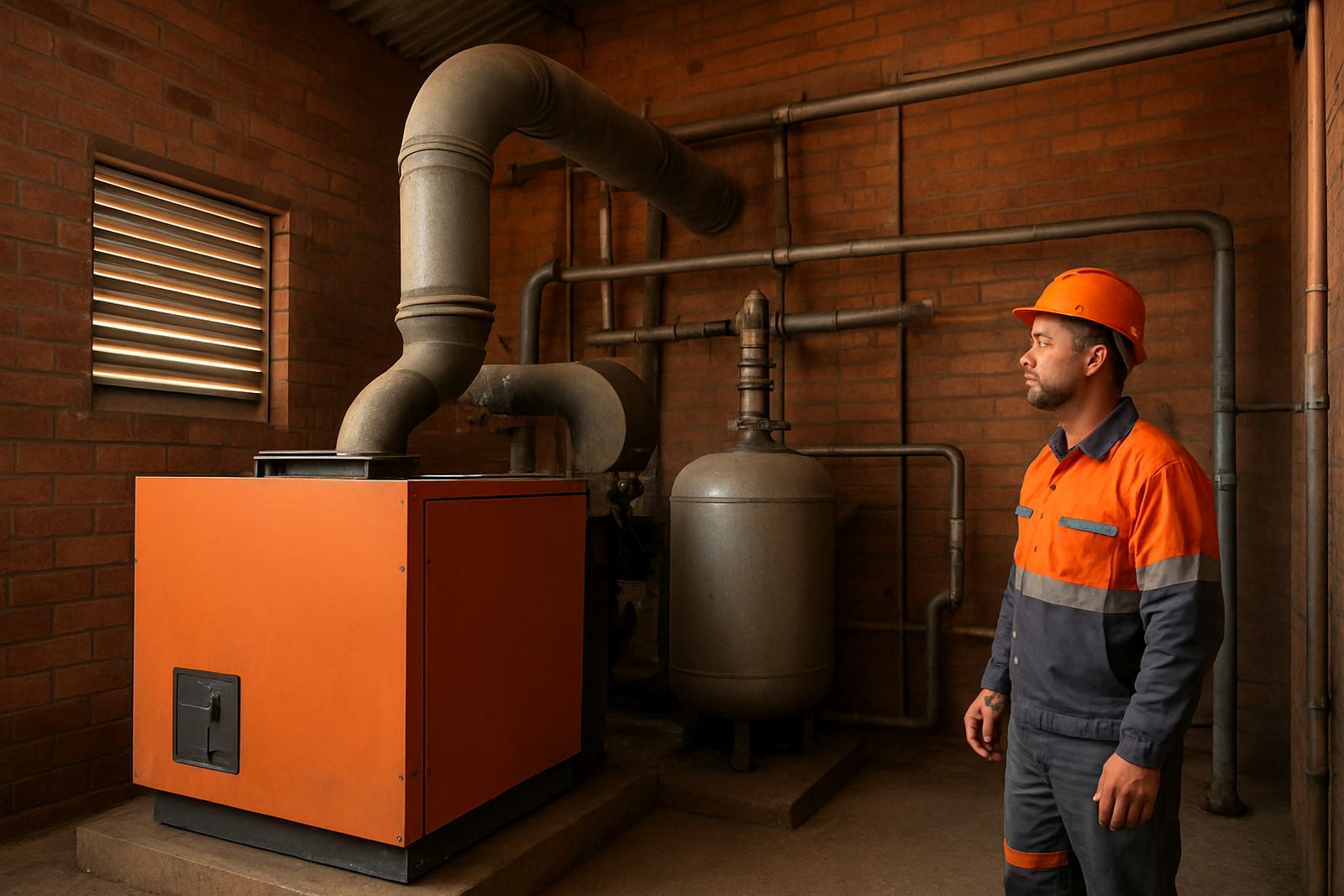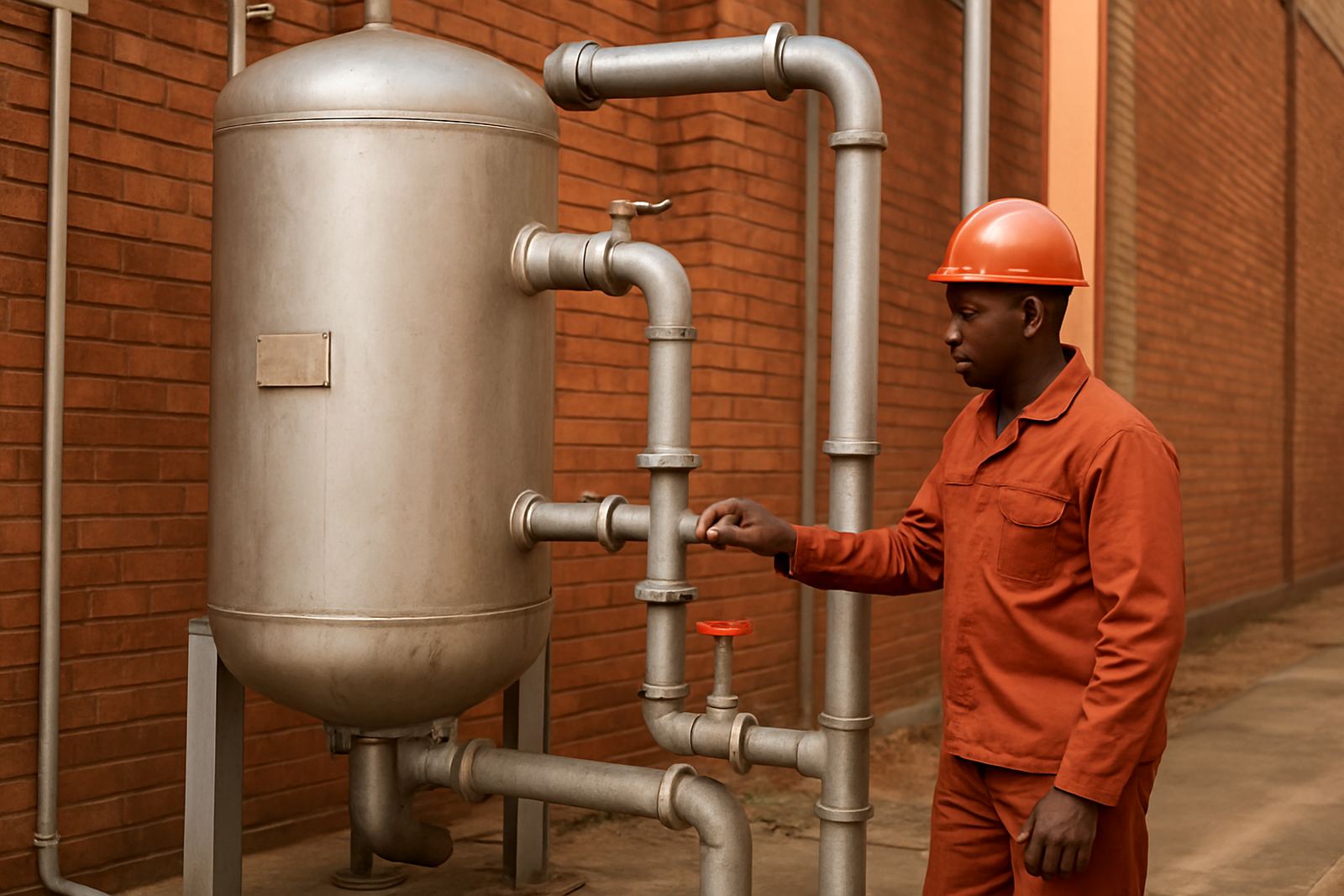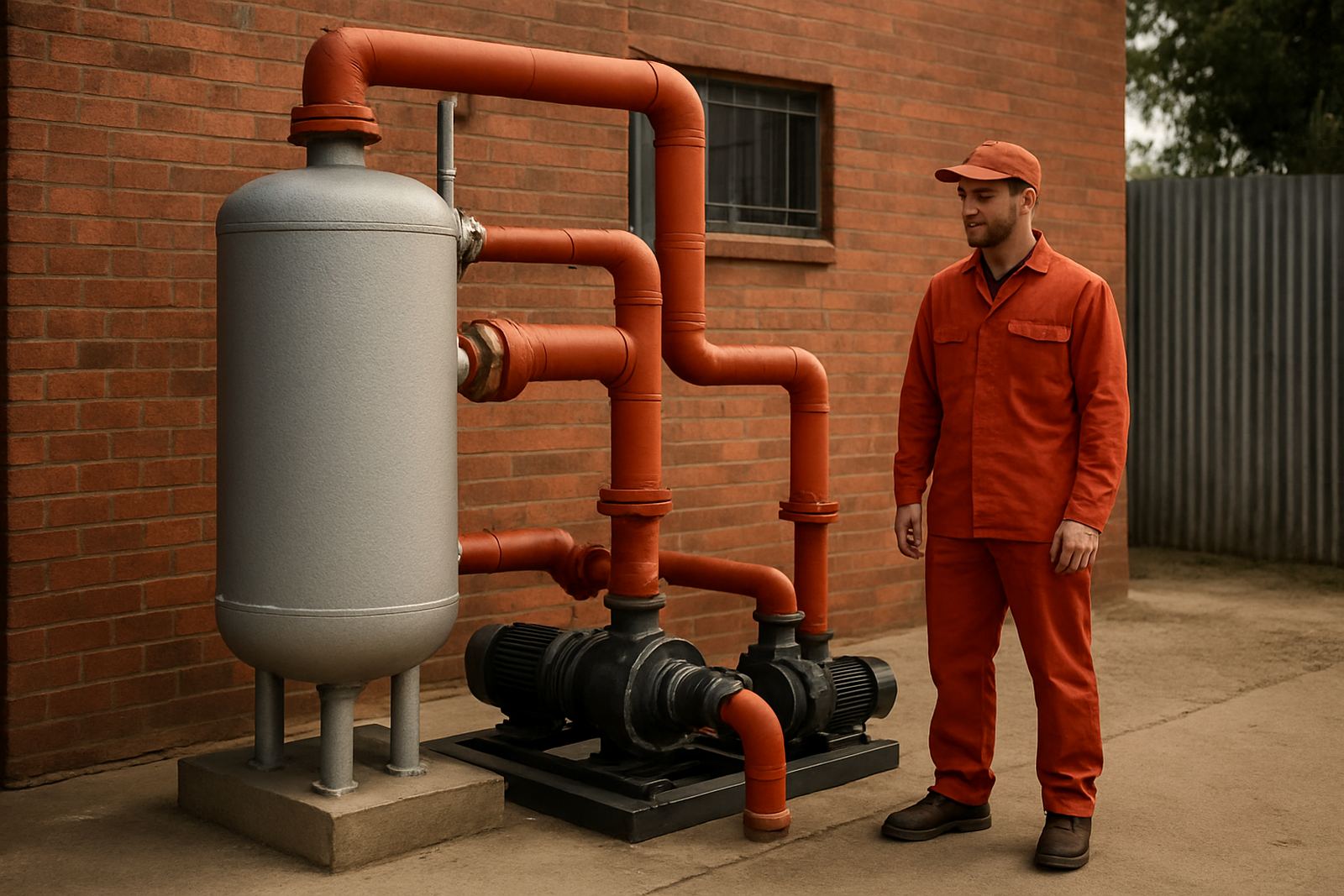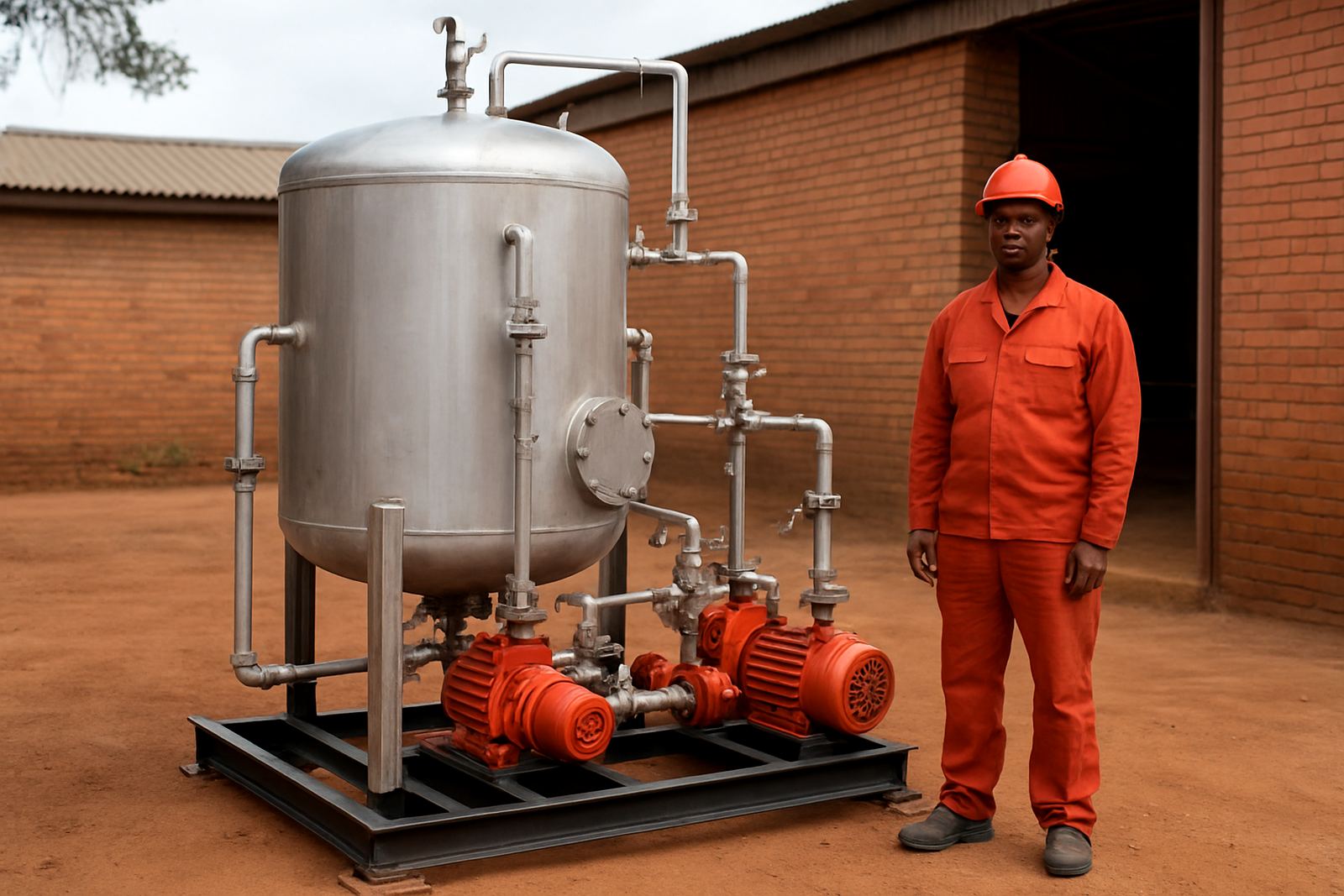
What deaeration does in a boiler plant
Deaeration is the process of removing dissolved gases, mainly oxygen and carbon dioxide, from feedwater before it enters the boiler. Water from a municipal supply or borehole can look clean and still carry enough gas to cause pitting, rust and early failures inside pipes, valves and pressure vessels.
In simple terms, hot water holds less gas than cold water. A deaerator uses heat and controlled venting to release those gases before they reach the boiler. That matters on sites in Gauteng where plant often starts and stops through the day, and the feedwater may change after load-shedding or during peak demand.
When deaeration is working properly, the boiler does not have to fight corrosion on every cycle. That means less tube damage, fewer leaks and less time spent on emergency repairs. It also helps steam quality and supports cleaner combustion because the whole system is working from a better starting point.
Why dissolved oxygen causes such trouble
Oxygen is one of the main enemies of boiler metal. Even small amounts can cause pitting, which is a form of localised corrosion that eats into the steel in small spots. Those spots can grow into pinholes, then leaks, then full pressure failures if the issue is left too long.
Carbon dioxide creates another problem. It can dissolve into condensate and form carbonic acid, which attacks return lines, condensate tanks and pipework. In busy plants, this often shows up as brown staining, noisy fittings and shortened life on valves and traps.
Common signs that dissolved gases are causing trouble include:
- Rust-coloured condensate or sludge in low points
- Frequent topping up of treated water
- Leaks on return lines, flanges and pump seals
- Tube scaling followed by hot spots
- Intermittent pressure drop or unstable boiler operation
One plant can look fine on the outside and still be losing money through hidden corrosion. That is why water treatment and deaeration need to be checked together, not as separate jobs.
How deaeration is done in practice
There are a few ways to deaerate water, but the most common industrial approach is to heat the feedwater close to saturation so gases are driven off. The deaerator then vents those gases out of the system while the water is held in a controlled storage section before pumping to the boiler.
Some sites use a thermal deaerator, others rely more on chemical oxygen scavengers alongside good temperature control. On larger steam plants, the best result usually comes from a proper combination of heat, venting and chemical treatment. The right setup depends on pressure, steam demand, water make-up rates and how often the plant is running.
Things that affect performance include the size of the feed tank, the condition of the spray nozzles or trays, vent size, level control and the temperature of the incoming water. If any of these are out, gases may still stay in the system. That is why annual inspections and regular checks are worth the time.
- Feedwater temperature should be checked against the system design
- Vents must not be blocked or throttled closed
- Level controls must keep stable water volume in the tank
- Insulation should be intact to reduce heat loss
- Steam leaks near the deaerator need attention fast
A Gauteng example from a busy plant
Take a food processing site in Boksburg working through early shifts, with a boiler that feeds cleaning, cooking and hot water points. The plant runs hard in the mornings, slows over lunch, then picks up again for washdown. When the water treatment programme slips and the deaerator vent is not checked, dissolved oxygen stays in the feedwater and corrosion starts showing up in the return line.
In one case, the maintenance team noticed repeat leaks on the same section of pipe and a gradual drop in boiler efficiency. After inspection, the feed tank temperature was too low, the vent was partially restricted and the chemical dosing was not matching the make-up rate. Once the venting, dosing and temperature control were set properly, the leaks eased and the boiler ran with less noise and fewer trips.
That kind of issue is common in Gauteng because plants often rely on a mix of municipal supply, standby tanks and variable operating hours. If the system is left to drift, the boiler may still make steam, but it does so with more wear and higher operating cost.
Signs your system needs attention now
Deaeration problems usually do not arrive with a dramatic alarm. They build up quietly, then show themselves as maintenance headaches. If your site is seeing repeat corrosion or unstable feedwater quality, it is worth checking the deaerator and linked water treatment points together.
- Frequent make-up water loss with no clear external leak
- Boiler feed pumps running hotter than normal
- Steam or condensate lines showing early corrosion
- Air in the system after shutdown or restart
- Boiler water tests that keep moving out of range
Sites near the coast see faster corrosion from humidity, but inland plants are not exempt. In winter, cold inlet water and stop-start operation can still hold enough gas to cause damage. A proper check should include the tank, controls, dosing, sample points and the condition of the surrounding pipework.
What good maintenance should include
Deaeration works best when it is treated as part of the whole boiler plant, not as a single item on a checklist. The technician should look at the water side, the combustion side and the mechanical condition of the plant together. That gives a better picture of where heat is being lost and where corrosion may start.
For commercial and industrial systems, useful maintenance normally covers regular inspection, combustion tuning, water treatment support, refractory checks where needed and prompt repair of any venting or control faults. If the boiler plant feeds multiple areas, the load pattern should also be reviewed so the system is not cycling harder than it should.
With the right maintenance, deaeration helps the plant last longer, use fuel more sensibly and stay ready for demand. It is not glamorous work, but it saves money and avoids shut-downs that nobody needs during a busy production week.
If you are looking at a boiler room in Jet Park, Midrand, Pretoria or anywhere else in the country, the same rule applies: clean water on the inside gives the whole plant a better chance. A few small adjustments now can prevent bigger repairs later, especially when the plant is already under pressure from load-shedding and tight operating schedules.