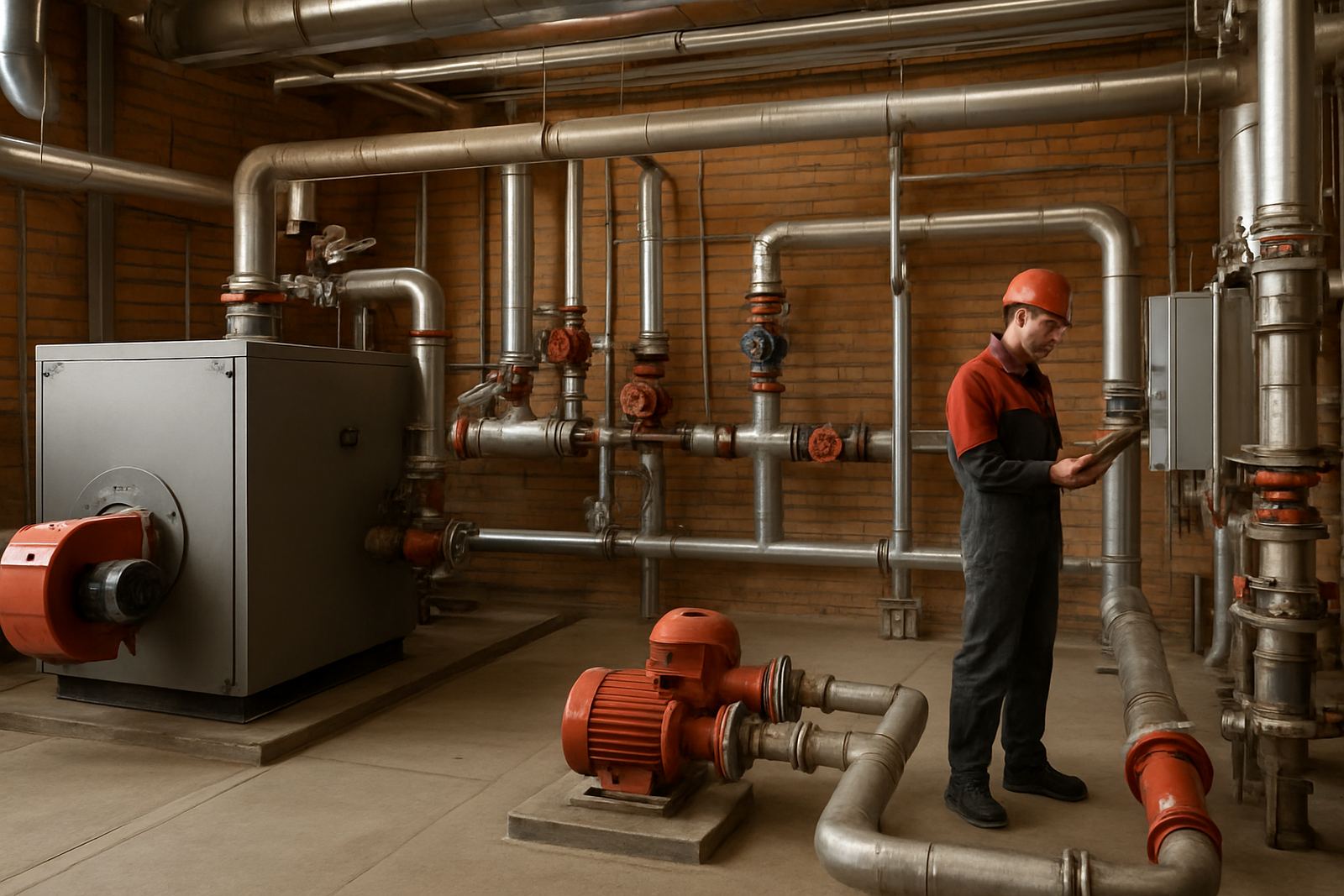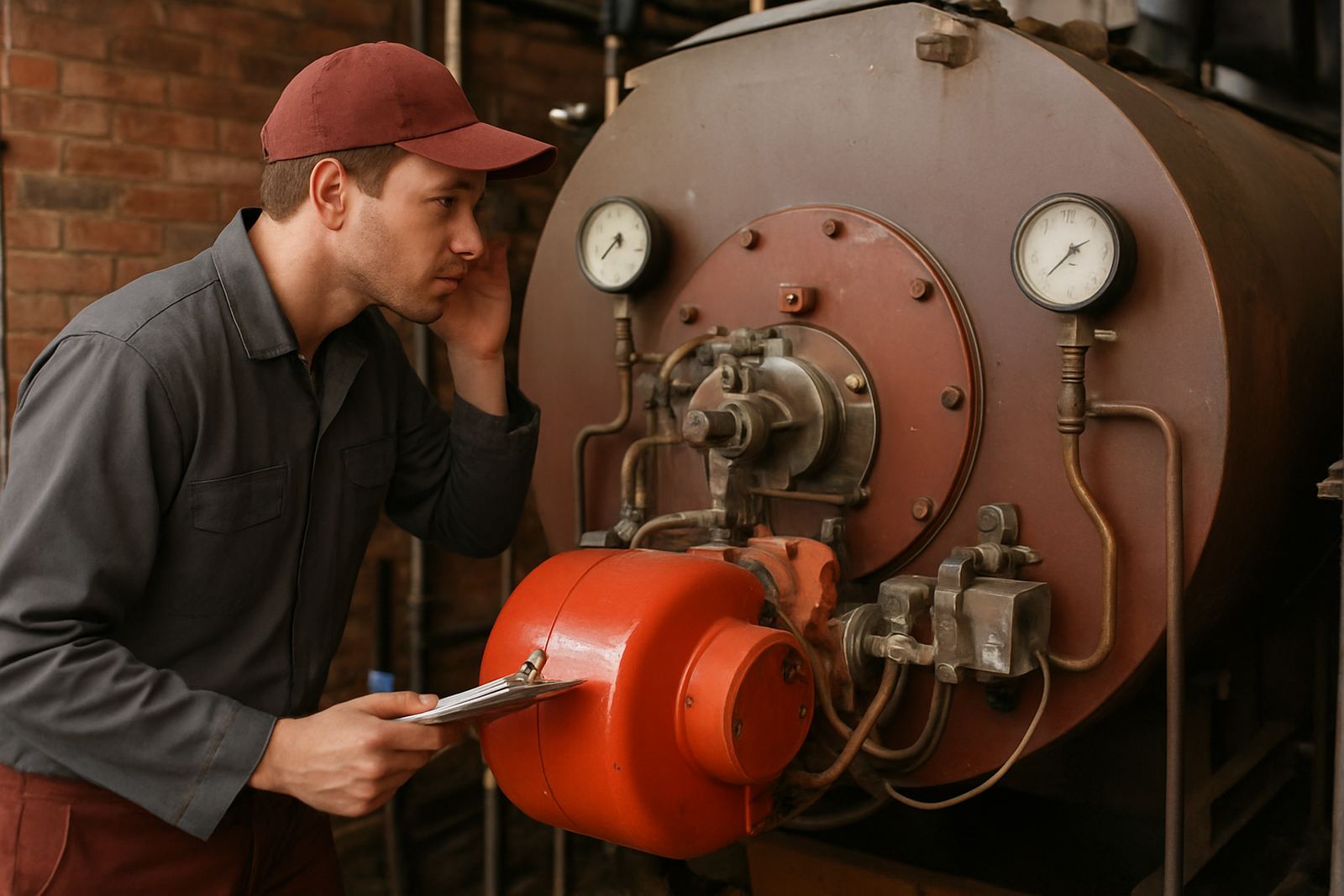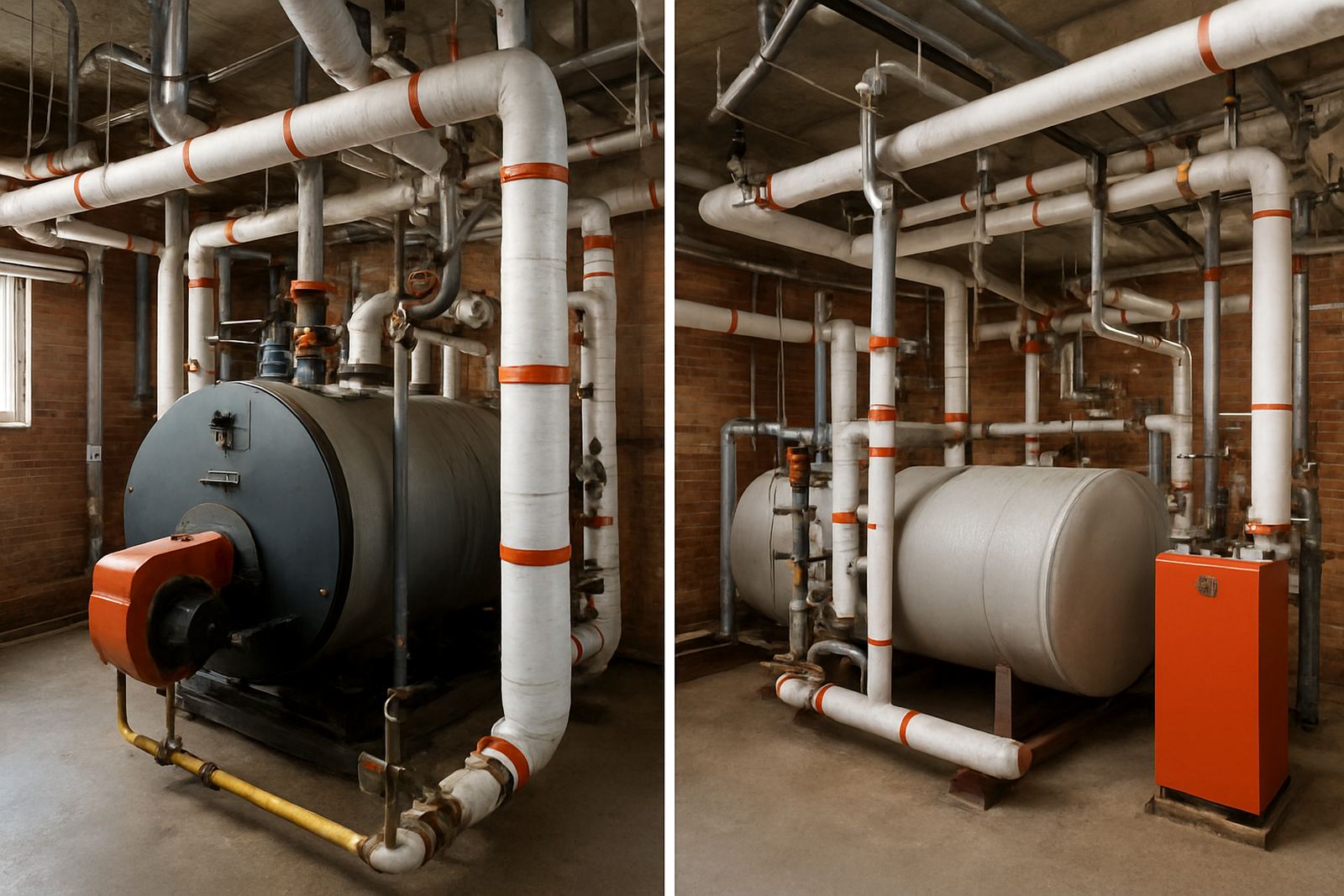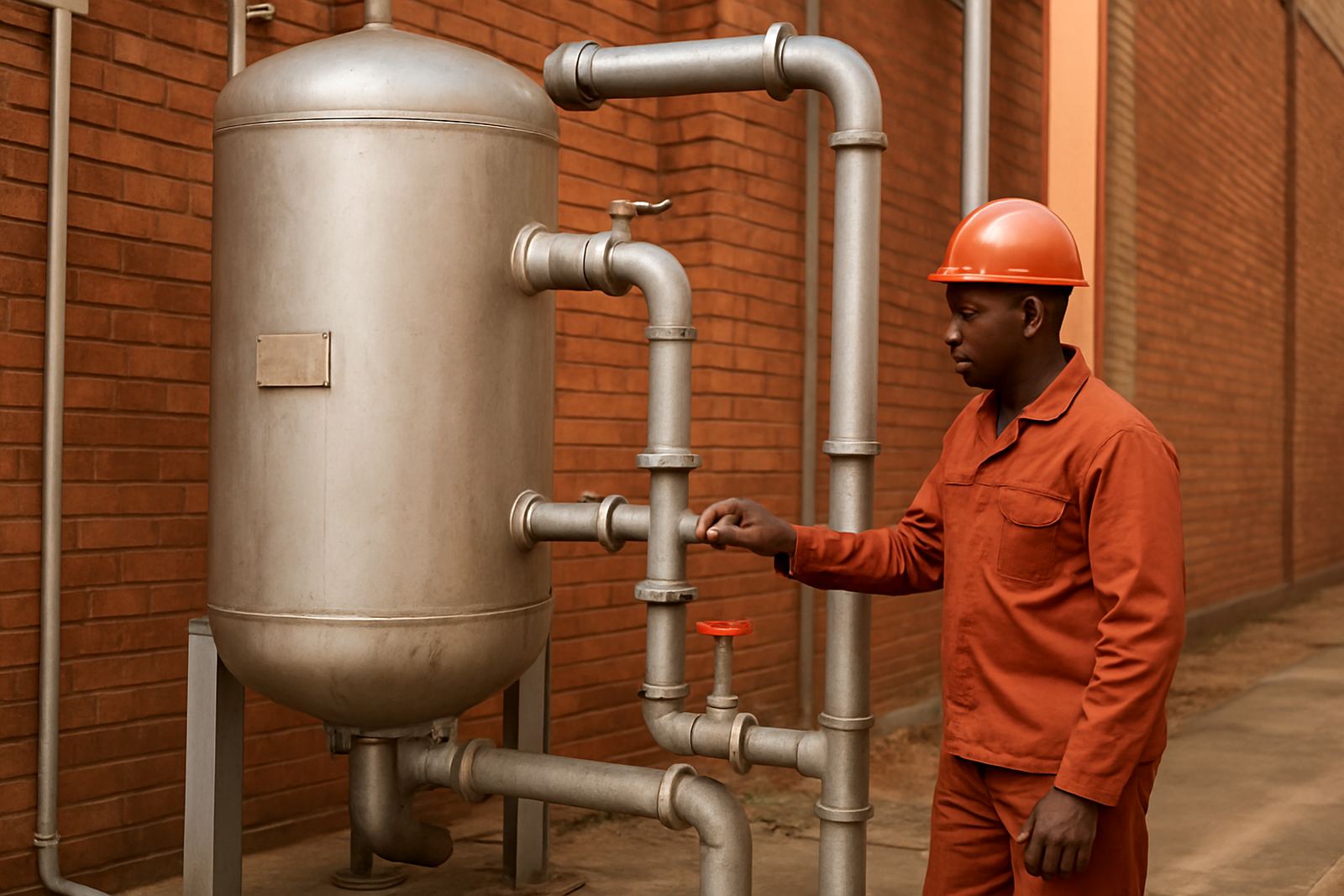
What boiler blowdown is meant to do
Blowdown removes concentrated water from the boiler so salts, sludge and other suspended matter do not build up. Every time water turns to steam, the impurities stay behind. If they are not bled off in a controlled way, the boiler water gets dirtier, scale forms faster and the system has to work harder to make the same output.
Good blowdown is a balancing act. Too little and the boiler carries too many solids. Too much and you dump hot water and heat straight down the drain. On a commercial or industrial site that can mean higher fuel use, extra make-up water and more chemical treatment than necessary. In Gauteng, where many plants already face load-shedding pressure and tighter operating budgets, that waste adds up quickly.
- Controls dissolved solids in the boiler water
- Removes sludge from low points and mud drums
- Protects tubes, controls and valves from fouling
- Helps keep steam quality steadier for plant use
How poor practice wastes heat, water and Rand
Poor blowdown practice usually starts with guesswork. An operator opens the valve for a fixed time every shift, or leaves it too long because the boiler looks dirty. That may feel safe, but it is not efficient. The discharge is usually hot enough to carry useful energy away, and every litre lost must be replaced with cold water that then has to be heated again.
On a site in Boksburg or Germiston, you may not notice the cost on one shift, but over a month the numbers show up in fuel, water and treatment chemicals. If the boiler is handling process loads, laundry loads or space heating, the knock-on effect can be lower steam pressure, more burner cycling and extra wear on pumps and valves.
- Hot water is lost before it can be used
- Make-up water increases chemical and treatment demand
- Excess discharge can cool the boiler and disturb steam pressure
- Frequent cycling can shorten component life
Signs your blowdown routine needs attention
There are a few practical signs that the routine is not right. You may see unstable gauge glass readings, foaming, carryover into steam lines, or deposits in strainers and traps. If the site keeps calling for water treatment top ups but the boiler still scales up, the blowdown schedule probably needs checking against the actual water conditions.
In coastal areas the water issue can be different, but even inland, municipal supply changes, seasonal demand and plant returns can alter the balance. A good routine is not set once and forgotten. It must be checked against conductivity, TDS readings, boiler size, feedwater quality and how hard the plant is being run that week.
- Foaming or wet steam at the point of use
- Scale on tubes, sight glasses or low-water cut-offs
- Frequent chemistry corrections with little improvement
- Unusual temperature swings during or after blowdown
Bottom blowdown and surface blowdown work differently
Not all blowdown is the same. Bottom blowdown helps remove settled sludge from the lowest part of the boiler. It is usually short and controlled, because the aim is to shift heavy dirt without stripping too much heat from the system. Surface blowdown, sometimes called continuous or skimming blowdown, is used to control dissolved solids at the water line.
Sites often get trouble when the two are confused. If bottom blowdown is used too often, it can waste energy. If surface blowdown is ignored, the boiler water can concentrate too much and cause carryover. The right method depends on the boiler design, the water quality and the plant duty. For a factory in Pretoria East running long hours, the answer may not be the same as for a smaller plant in Midrand with stop start demand.
- Bottom blowdown clears settled sludge and sediment
- Surface blowdown controls concentration at the water line
- Each boiler needs a schedule matched to load and feedwater quality
- Valve condition matters just as much as timing
A practical example from a Gauteng boiler room
A midsize plant in the East Rand was blowing down on a fixed timer twice a shift, regardless of whether the boiler had been idling or under full load. The operators were doing their best, but the valve was opening for longer than needed and the discharge line was running very hot. The site also had a recurring scale issue on the waterside, which meant the team kept adding treatment and still seeing poor heat transfer.
After checking operating hours, feedwater quality and conductivity, the schedule was adjusted and the valve was serviced properly. The result was less waste, steadier boiler water condition and fewer complaints from production about pressure swings. Nothing dramatic changed, just better control. That is usually what good blowdown looks like. Small gains, repeated every day, are worth more than a heavy-handed routine that throws money away.
This is where local support matters. A team working from Jet Park can get to Boksburg, Kempton Park, Sandton or Pretoria without delay, which helps when the valve is sticking, the water treatment needs checking or the boiler is showing signs of carryover.
Good blowdown habits that save water and protect plant
The safest approach is to build blowdown into the normal maintenance plan, not treat it as a quick clean out. Operators should know what normal conductivity looks like, when to open the valve, how long to hold it open and what signs show the boiler is drifting out of range. It also helps to inspect discharge pipes, valves and cooling arrangements so hot blowdown is handled safely and legally on site.
For many plants, the biggest gains come from simple discipline. Check the water treatment, confirm the valve seals properly, keep records and make sure the boiler is not being blown down harder than the duty requires. If the plant has changed, for example new shifts, extra process load or a different feedwater source, the routine should change too.
- Use readings, not guesswork, to guide timing
- Inspect valves, lines and discharge points regularly
- Record blowdown volume and water treatment changes
- Review the schedule after any plant change or upset
When to bring in service support
If blowdown keeps drifting out of range, the problem may not be the operator. A sticky valve, poor instrumentation, incorrect water treatment or internal fouling can all make a good routine look bad. That is when a proper inspection and service visit saves time. It is better to correct the cause than keep opening the valve longer and hoping for the best.
For boilers, calorifiers, inline heaters and incinerator plant, regular servicing keeps the system honest. Ai-TEC supports sites across Gauteng and nationally with maintenance, combustion tuning, refractory relining, inspections and emergency callouts. If your blowdown is wasting heat or you are seeing recurring water quality issues, it is worth getting the plant checked before the next breakdown forces the issue.