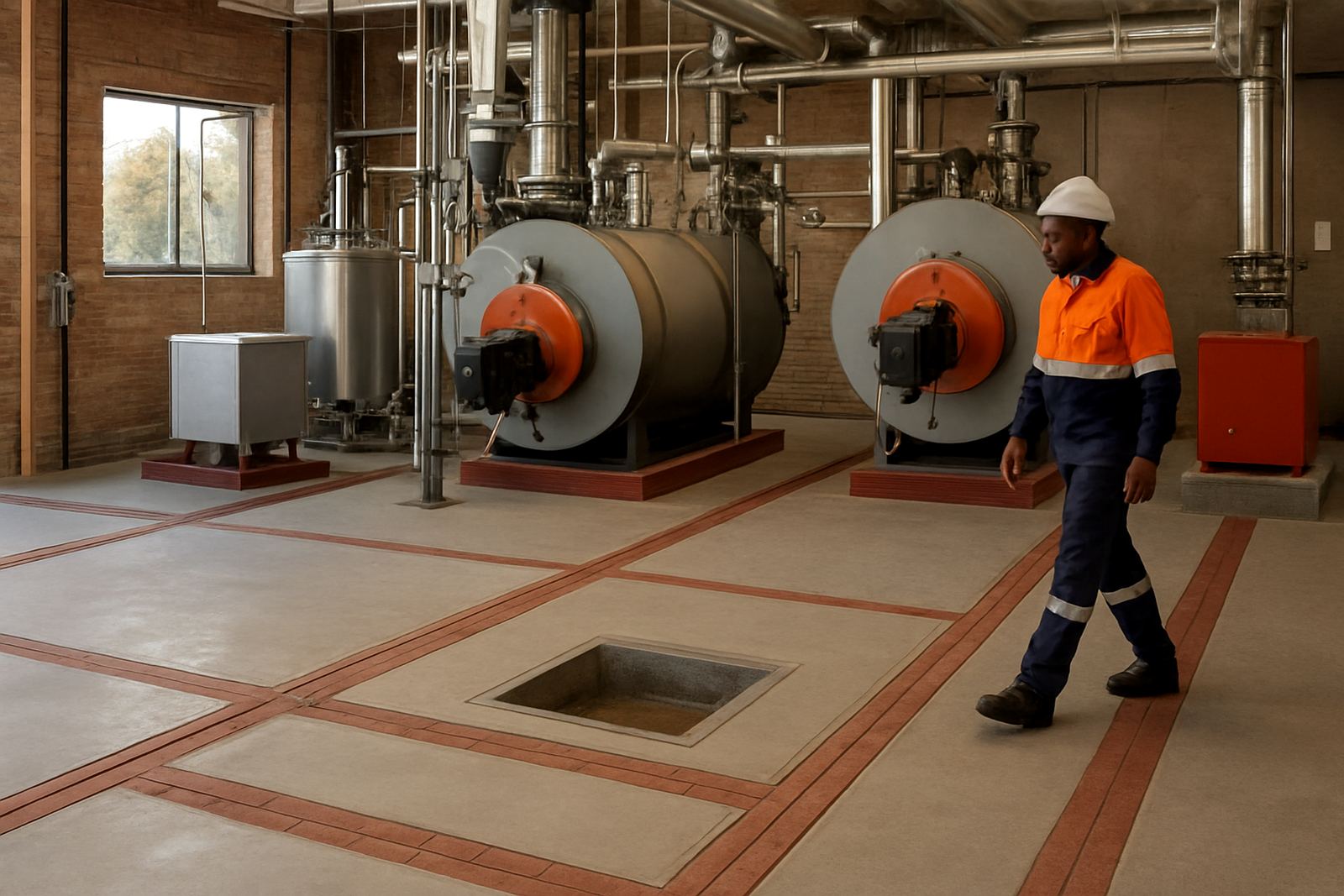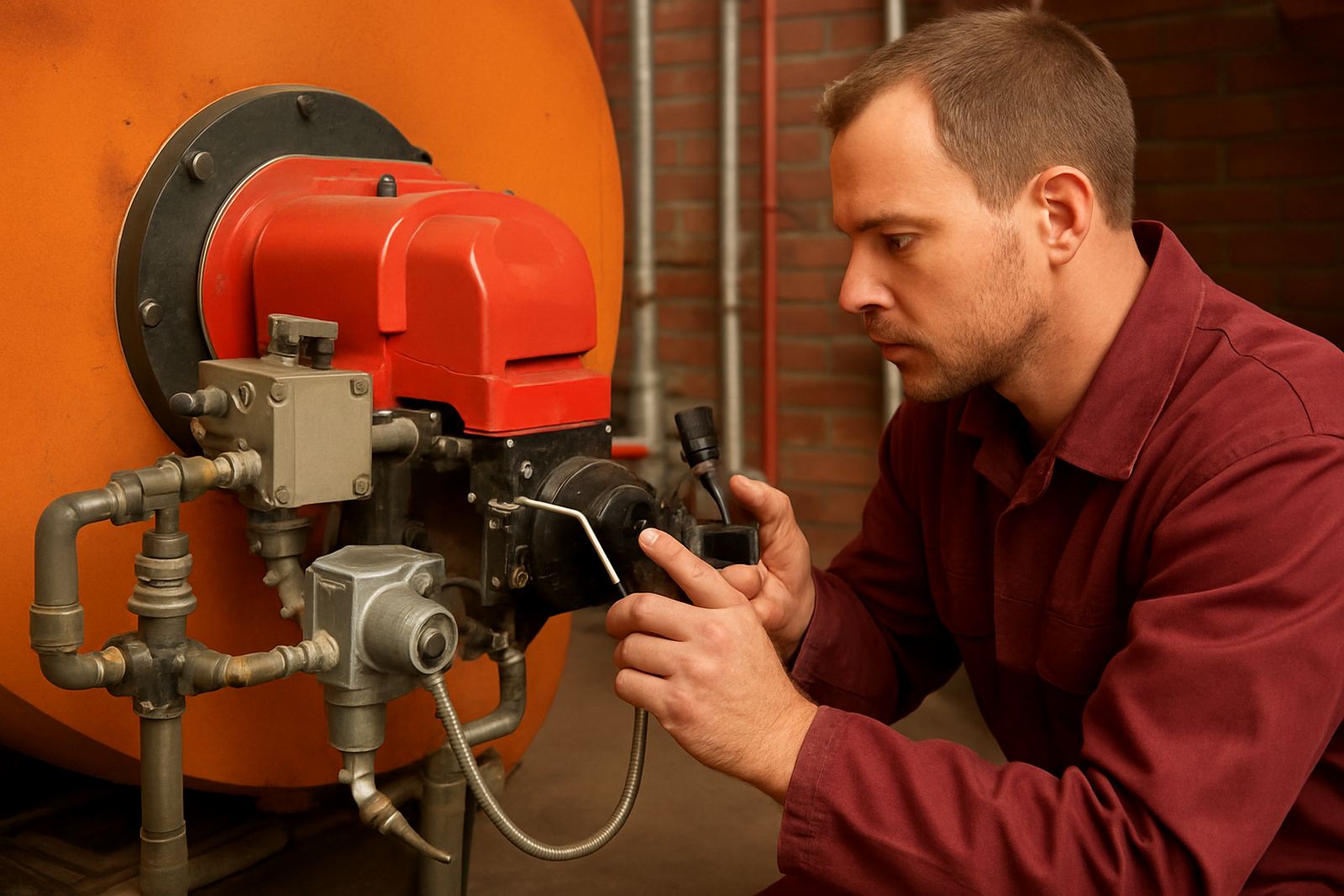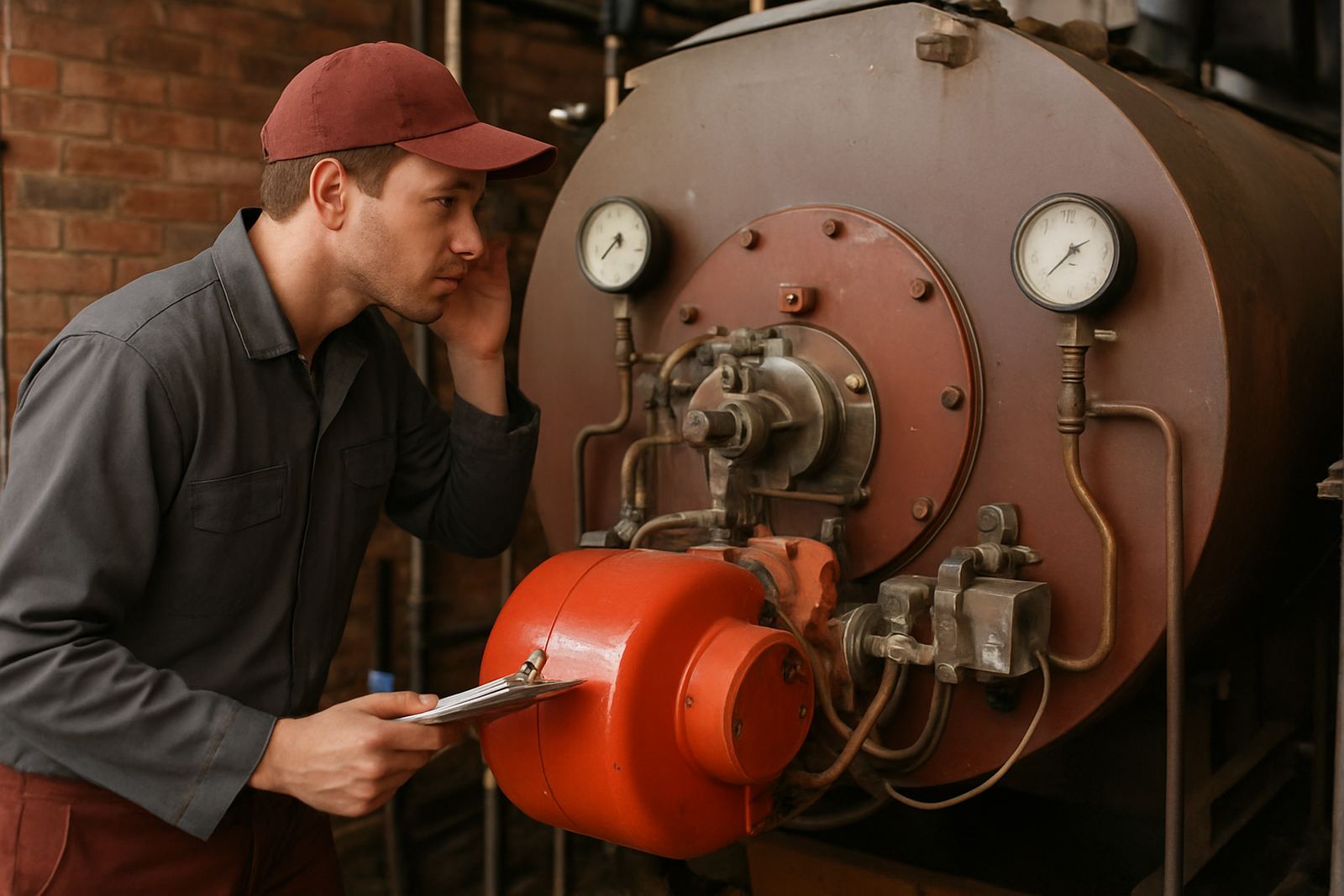
When a boiler starts talking back
Operators often ignore small changes in sound until a plant trips or hot water output drops off. A fresh rattle, a hard knock on start-up, or a high pitched whistle can tell you where to look long before a breakdown shuts the system down.
In commercial sites around Boksburg, Germiston and Pretoria, we see the same pattern again and again. The noise is usually not the problem by itself, it is the symptom. If a boiler has been running for years on untreated water, has poor burner setup, or has air trapped in the system after a maintenance shutdown, it will start to complain.
- Record when the noise starts, such as cold start, demand peaks or after topping up water.
- Check whether the sound changes with pressure, temperature or firing rate.
- Look for related issues like higher fuel use, poor steam output or repeated lockouts.
Banging and kettling usually point to scale or boiling at the metal
Deep banging, rattling or a kettle like sound often means the heat transfer surface is fouled. Scale acts like insulation, so the flame heats the metal harder than it should. The water close to that surface flashes into steam, and the result is a sharp crack or rumble.
This is common in plants that top up with hard water or skip water treatment after a summer outage. In some Gauteng factories, the first sign is not the sound itself, but a sudden rise in gas usage and slower heat-up times. If the unit is cycling harder than usual, the noise may be warning you before tubes or vessel sections start to suffer.
- Test water quality and check for hardness, conductivity and sludge.
- Inspect for poor circulation or blocked strainers.
- Arrange boiler cleaning and descaling before damage spreads.
Whistling and hissing often come from pressure, vents or steam leaks
A whistle can sound minor, but it often marks a restriction. Partially closed valves, faulty vents, steam leaks or pressure control issues can force steam through a small opening and create a loud, thin sound. Hissing is similar, though it may also come from a leaking gasket, vent valve or seal.
On smaller plant rooms the noise is easy to miss during the day and more obvious after hours. A maintenance team in Midrand once called us because the boiler sounded like it was whistling through the wall. The issue was a small steam leak at a joint that had worsened after repeated start stop operation. It was not dramatic, but it was bleeding energy and putting strain on the system.
- Listen near valves, air vents, joints and pump seals.
- Check whether pressure is hunting or cycling up and down.
- Do not keep tightening fittings without checking the cause, because that can hide a bigger fault.
Popping, rumbling and uneven firing can signal combustion trouble
If a burner sounds rough, pops on ignition, or runs with a dull rumble, the combustion setup may be off. Incorrect air fuel balance, blocked burner parts, poor atomisation on liquid fuel systems, or a dirty flame path can all disturb stable firing.
This is where combustion tuning matters. A boiler that lights cleanly and runs at the correct air ratio should sound steady. If it starts surging, the sound may change with weather, gas pressure, dirty filters or a fault in the control train. On a windy winter morning in Sandton, a plant may behave differently from the same unit on a still day in Germiston, so readings should be taken under proper operating conditions.
- Check the flame pattern and ignition sequence.
- Confirm burner settings against measured combustion readings, not guesswork.
- Inspect for soot build up, blocked air intakes or tired control components.
Clattering, knocking and vibration are often mechanical warnings
Not every boiler noise comes from the vessel itself. Pumps, fan motors, pipe supports and expansion joints can all transmit sound through the plant room. A clattering pipe may be loose on its clamps, while a repeating knock can come from water hammer, faulty non return valves or fast opening valves.
When the sound travels through the floor or wall, people sometimes blame the boiler first. That can waste time. A proper servcie check should cover the boiler, the connected pipework and the equipment around it. In coastal areas this matters even more because humidity and corrosion can loosen supports and damage fixings faster than expected.
- Listen for vibration at pump sets and mounting points.
- Check brackets, anchors and flexible connections.
- Review start up and shut down sequence to reduce water hammer.
What a Gauteng plant should do before the noise turns into downtime
The safest response is simple: identify the sound, document it and bring in the right inspection before the fault grows. A boiler room in Jet Park or Kempton Park may be able to run for another shift with a minor issue, but that is not the same as saying the issue is harmless. Noise is often the first warning that the plant is burning more fuel than it should, or operating outside a stable range.
A practical plan is to link sound checks to monthly maintenance, annual inspections and water treatment support. That way the team is not relying on memory after a load-shedding event, a restart after municipal water interruptions, or a cold morning when demand jumps. A clean sound is not just about comfort, it is a sign that the plant is working as intended.
- Log the noise, operating pressure, water level and fuel use.
- Use the same start up routine each time so changes are easier to spot.
- Call for inspection early if the sound changes suddenly or repeats after reset.
Boiler noise is worth listening to because it gives away the story before a failure does.