How waste heat boilers use process heat
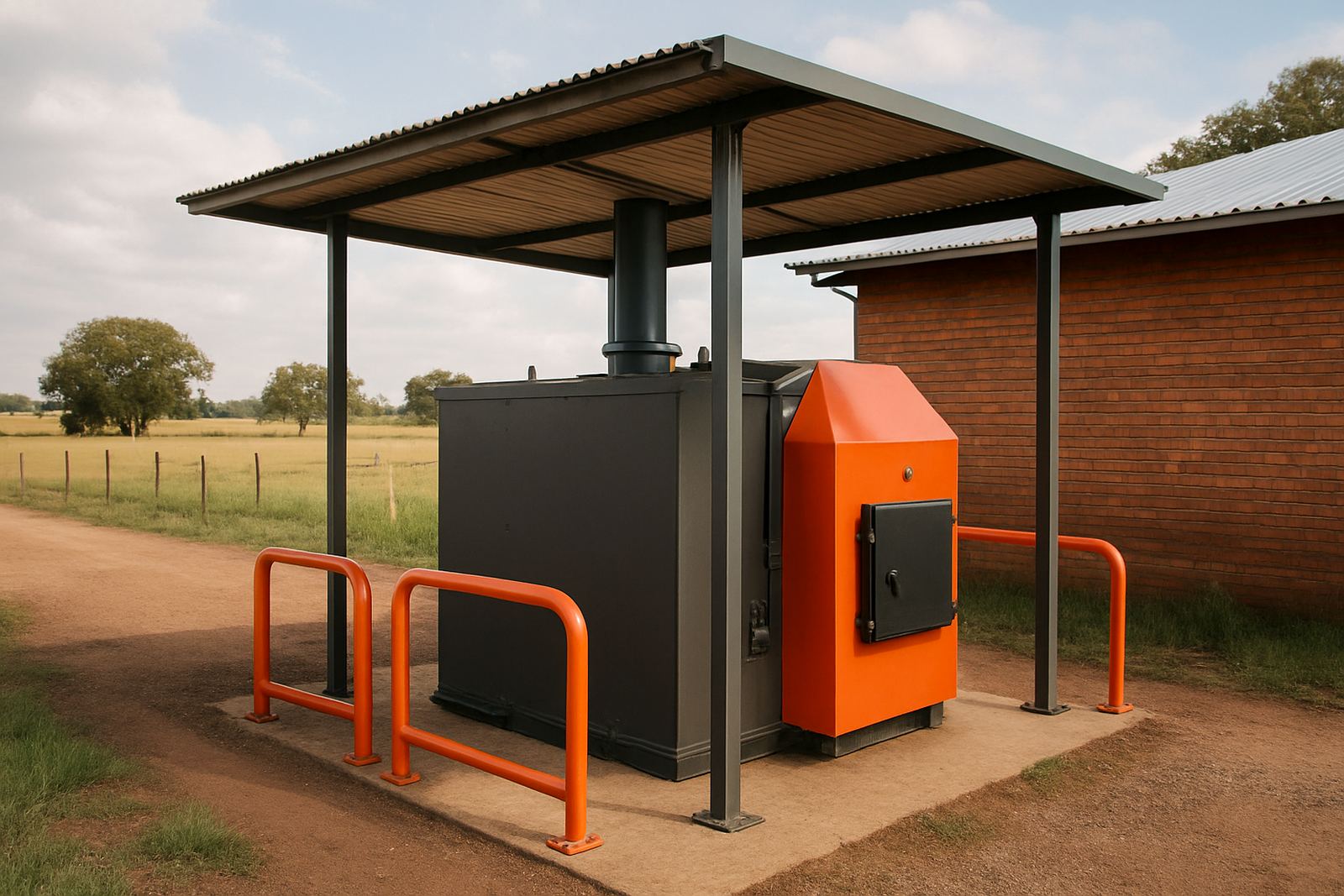
A waste heat boiler sits downstream of a hot process and captures energy that is already being paid for. Instead of letting that heat go up the stack or out with exhaust air, the boiler transfers it into water and produces steam or hot water for site use. That can support laundry, sterilising, washdown, heating, process vessels or preheating duties.
These units are common where flue gas temperatures are high, where a furnace or kiln runs for long hours, or where a plant has steady thermal output from engines, ovens or thermal treatment systems. The key point is that the source heat must be stable enough to keep the boiler loaded. If the source swings up and down all day, the control system and bypass arrangement need to be planned properly so the plant does not trip or overheat.
In South African plants, waste heat recovery is often used to offset diesel, gas or electricity costs, especially where load-shedding already puts pressure on backup plant. If the recovered heat can cover even part of the demand, it takes pressure off the main boiler house and can lower operating cost month by month.
Sizes, configurations and pressure ratings
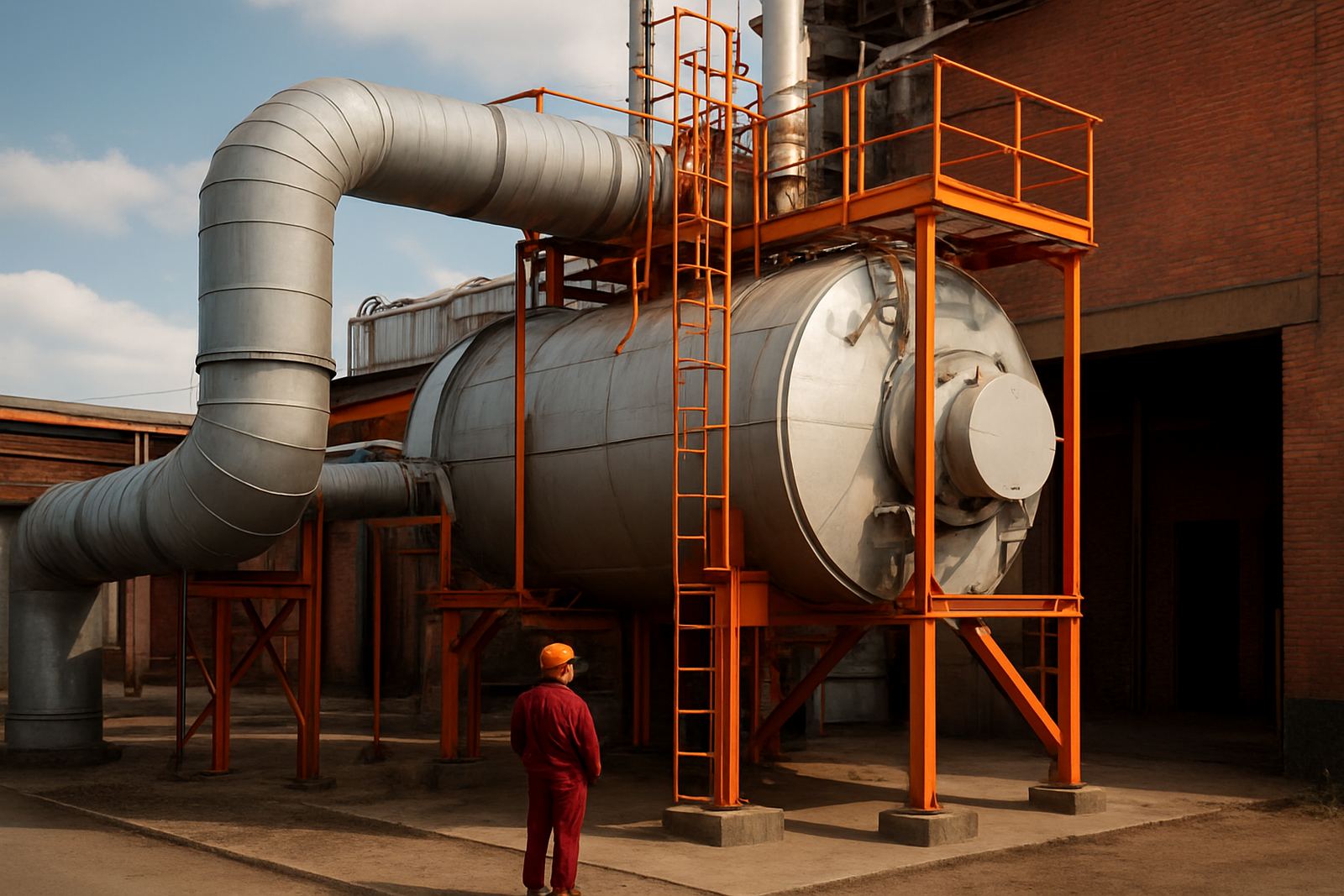
Waste heat boilers are built around the source conditions on site, so there is no single standard size that suits every job. Ai-TEC supplies and manufactures units for small process lines through to larger industrial installations, with shell and tube, water tube, economiser style and package arrangements depending on the duty. The final selection depends on flow, temperature, steam output and how much space is available around the plant.
Typical working ranges include compact units for low to medium duties and larger packages for continuous process plants. Steam systems may be supplied with saturated steam output, while hot water units are often used where process heating or preheat duties are more suitable. Pressure and temperature ratings are matched to the application, the available heat source and the plant certification requirements.
- Heat source temperatures commonly from 180 C to 900 C, depending on the process
- Steam outputs from small site duties up to multi-tonne per hour industrial loads
- Hot water duties for 70 C to 120 C service, subject to application
- Materials selected for corrosion risk, condensate conditions and flue gas chemistry
- Options for soot access, inspection doors, drains and bypass dampers
For coastal sites and chemically aggressive plants, materials and access design matter just as much as capacity. A unit that looks fine on paper can still give trouble if the condensate is acidic, the flue gas carries dust or the site has poor drainage and standing water.
Where waste heat recovery makes sense
These boilers suit plants where heat is a by-product of the main process and the site has a regular demand for steam or hot water. They are often used in food processing, metal treatment, boilers and ovens, incineration plants, chemical production, drying lines and energy centres. Any operation with steady high-grade exhaust heat should be checked for recovery potential before extra fuel is added elsewhere.
They also make sense where plant managers are trying to reduce emissions or make better use of existing assets. In many factories, a waste heat boiler can be tied into a new or existing steam header, or used to feed a hot water circuit for preheat. That can free up boiler capacity for peak periods and give the site more breathing room during outages.
- Process plants with continuous heat discharge
- Sites with rising fuel spend and pressure to cut waste
- Operations needing preheat, wash water or low pressure steam
- Boiler houses that are short of capacity at peak times
- Facilities planning upgrades, refurbishments or compliance work
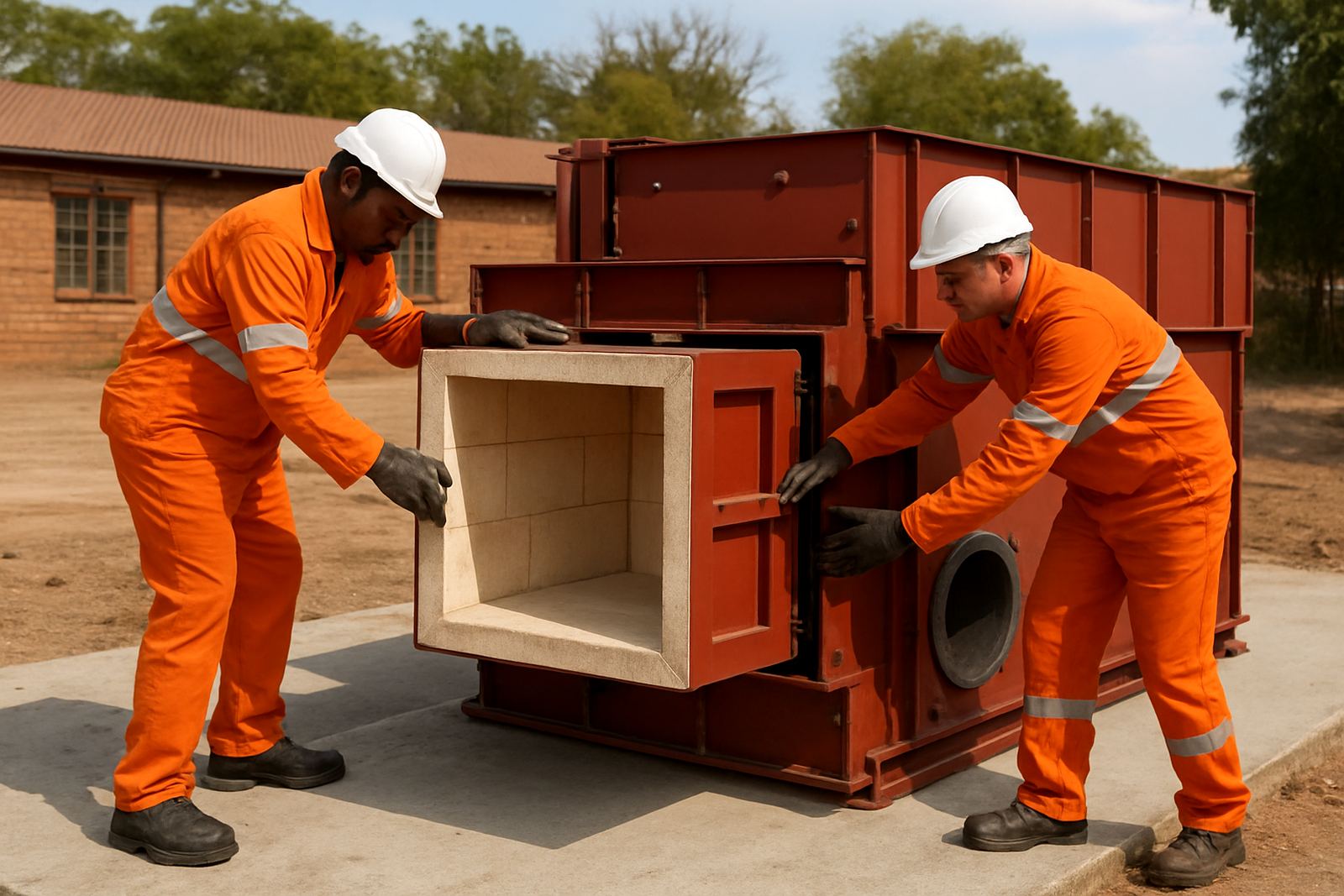
Where space is tight, the layout has to allow for maintenance access, tube cleaning and safe removal of panels or sections. A good recovery job is not only about capture rates, it is also about getting into the unit later without shutting the whole plant down for days.
Installation, flue routing and service connections
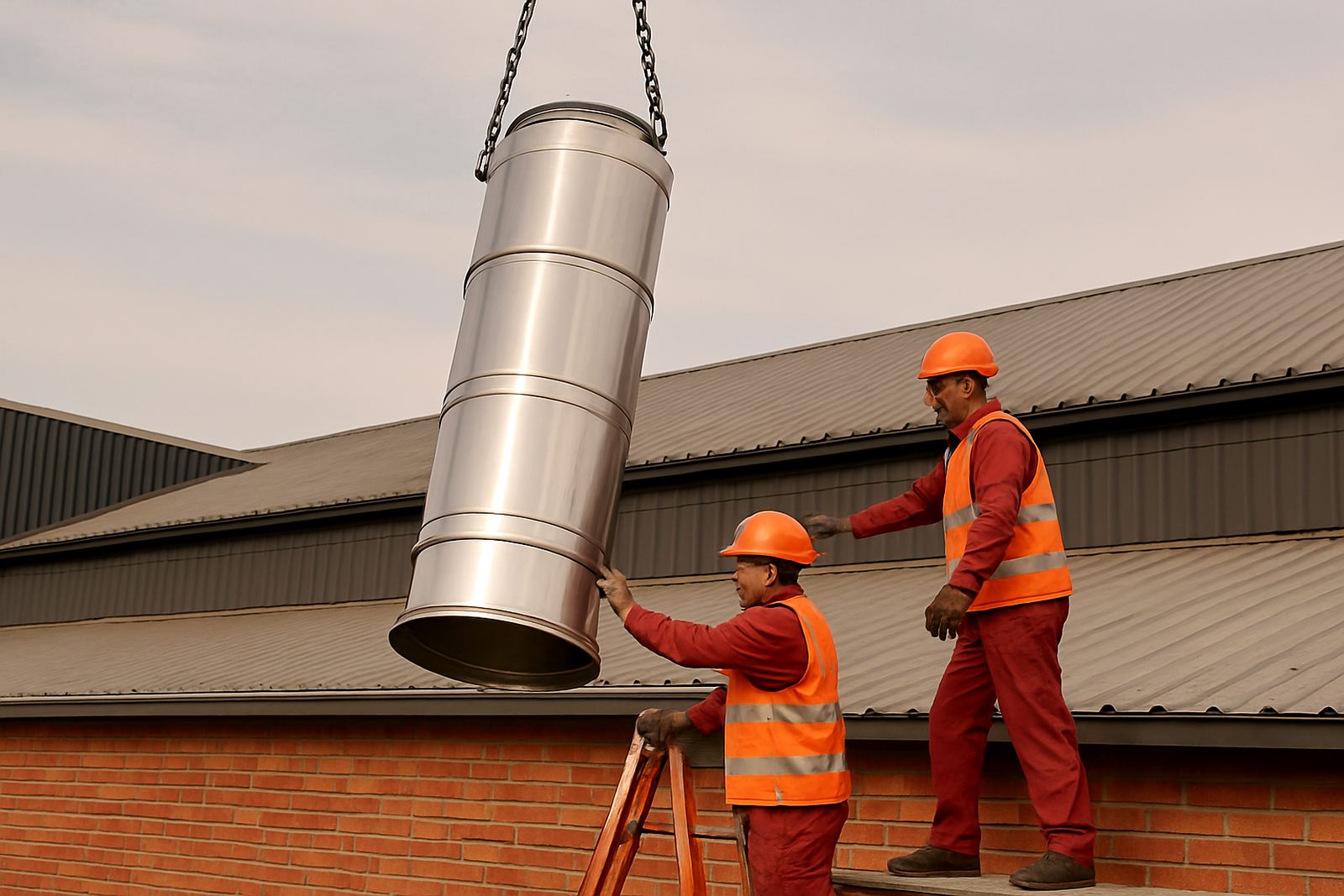
Installation starts with a site check on heat source, gas path, condensate return, controls and drainage. The boiler must be placed so the hot gas path is short enough to limit heat loss but long enough to allow proper transfer. If the system needs a bypass, that should be planned from the start so the process can keep running during maintenance or upset conditions.
Power needs are usually modest compared with the heat being recovered, but the controls, pumps, dampers and safety gear still need reliable supply. Many sites want the controls on a backed-up circuit so the system can shut down safely during load-shedding. If the unit is linked to an existing steam plant, interlocks and pressure control must be checked carefully so the recovery boiler and main boiler do not fight each other.
On gas fired or mixed fuel plants, the flue routing must respect stack height, draught, and municipal or environmental rules where they apply. Drain lines, blowdown, water make-up and chemical dosing should be laid out with service access in mind. A cramped installation may save floor area but it usually costs more later when tubes need cleaning or a valve pack has to be changed.
Care, inspections and keeping the unit efficient
A waste heat boiler only pays its way if it stays clean and well tuned. Soot, scale and dust act like insulation, so the heat transfer falls off and outlet temperatures climb. Regular servicing should include internal inspection, tube cleaning, burner and damper checks where fitted, water side checks, blowdown verification and control testing. If the source gas carries ash or oily residue, cleaning intervals may need to be shorter than on a clean process.
Water treatment is important because poor water quality shortens tube life and can cause carryover, scaling and early failure. On steam systems, conductivity, hardness and pH need regular monitoring. On hot water systems, corrosion control and sludge removal are just as important. A small test issue left for months can become a tube leak or a full shutdown, and those are the jobs nobody wants on a Friday afternoon.
- Check stack temperature and compare it with the design figure
- Inspect tube bundles, headers and access points for fouling or corrosion
- Test safeties, probes, pumps and control switches
- Review water treatment logs and blowdown records
- Plan annual inspections during a plant shutdown window
Ai-TEC supports servicing, combustion tuning, refractory relining, water treatment support and plant refurbishment for sites in Gauteng and further afield. Our Jet Park base in Boksburg supports work in Kempton Park, Germiston, Pretoria, Midrand and Sandton, with national service teams available where the plant needs it.
What to check before ordering a waste heat boiler
Before ordering, gather the process data that will define the unit. The more accurate the input, the better the recovery rate and the fewer site changes you face later. A recovery boiler is not a standard shelf item, it has to fit the source and the duty properly.
Useful order details include the flue gas or process gas temperature range, gas flow rate, dust or chemical content, required steam pressure or hot water temperature, duty profile, available footprint and any limits on noise, emissions or stack height. It also helps to know whether the unit will run continuously or only during certain shifts, and whether the site has hard water, poor drainage or coastal humidity that could affect corrosion.
- Source heat temperature, flow and expected running hours
- Desired output: steam, hot water or preheat duty
- Available space, lifting access and maintenance clearance
- Water quality, condensate return and blowdown arrangement
- Electrical supply, controls and load-shedding backup needs
- Any municipal, environmental or site safety constraints
If those points are clear, Ai-TEC can size the equipment, define the connections and advise on the service plan from day one. That saves time on site and helps the boiler deliver usable heat instead of just adding another piece of plant to maintain.
Key facts
| Product type | Heat recovery boiler for steam or hot water |
|---|---|
| Heat source range | Approximately 180 C to 900 C, duty dependent |
| Output options | Saturated steam, low pressure steam, hot water or preheat |
| Construction | Carbon steel or corrosion resistant materials, application dependent |
| Controls | Temperature, pressure, level and safety interlocks |
| Service support | Installation, servicing, inspections, tuning and repairs |