What a modular incinerator does on site
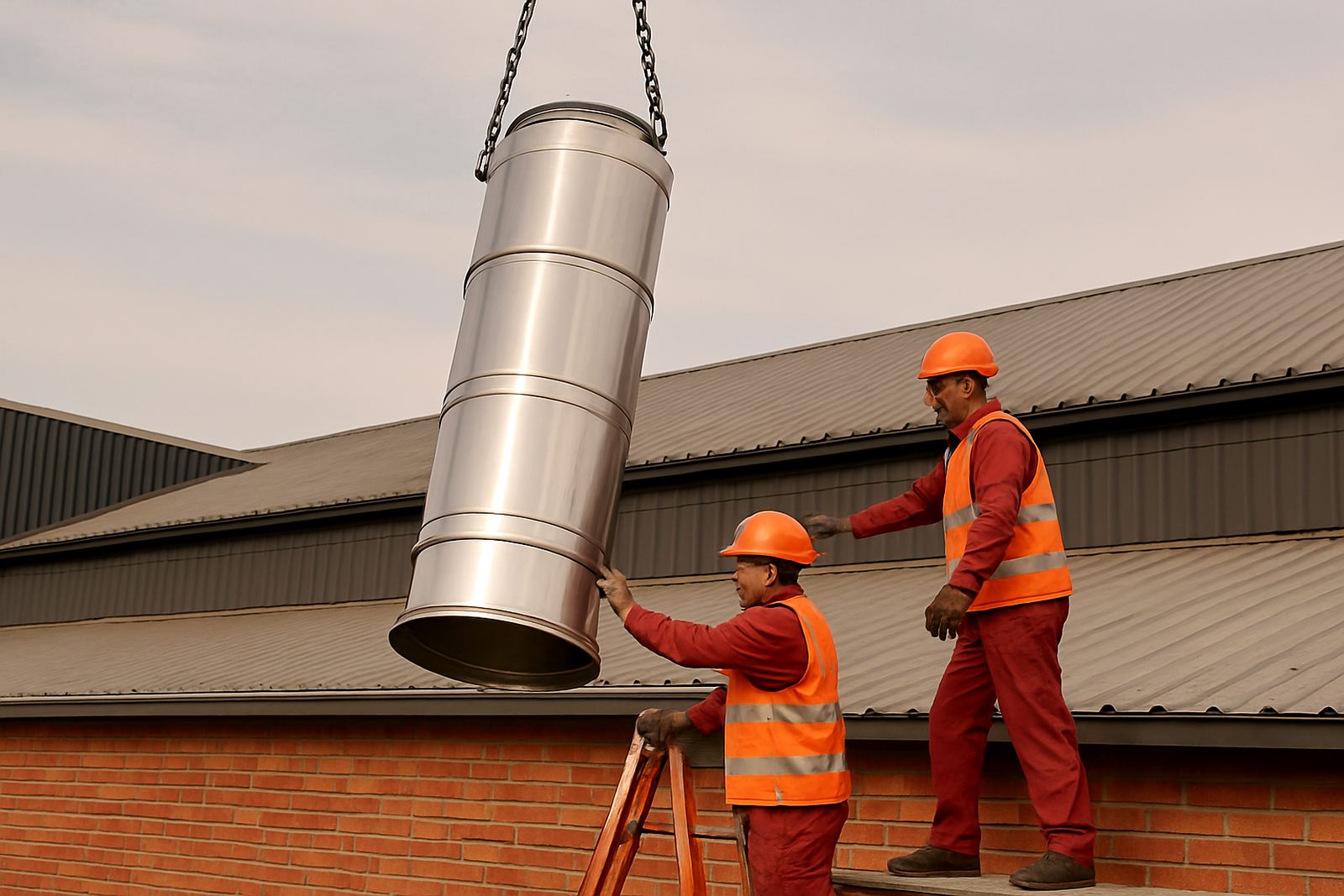
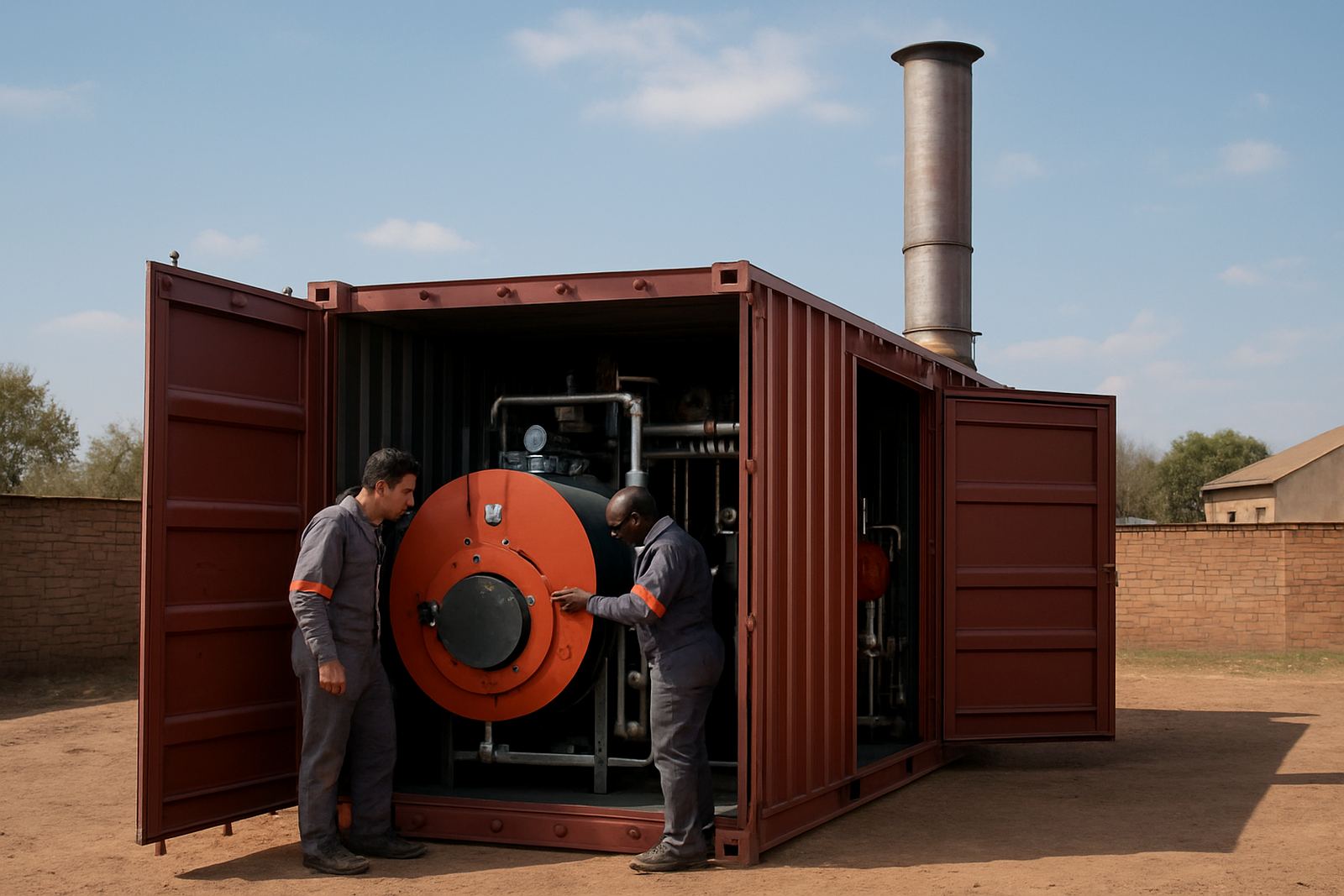
A modular incinerator is made in sections so it can be moved to site, lifted into position and assembled where a full factory-built unit would be difficult to bring in. The combustion chamber, loading door, burner train, control panel and flue sections are arranged to suit the waste load and the available floor space. This is useful on active sites in Gauteng where access is tight, plant rooms are already crowded, or the road delivery route has weight limits and sharp turns.
These units are used for general combustible waste, production offcuts, packaging, PPE, animal by-products where permitted, and other controlled waste streams. The right design depends on the material, the burn rate, the hours per day, and the level of ash left behind. A smaller site might only need one chamber with manual loading, while a larger plant may need a bigger chamber, a stronger refractory lining and better flue treatment to keep emissions in line with local rules.
For sites that cannot afford long downtime, modular build also helps with phased installation. The shell can be delivered first, then burners, controls and flue items follow when cranes, electricians and gas fitters are ready.
Sizes, chamber options and firing layouts
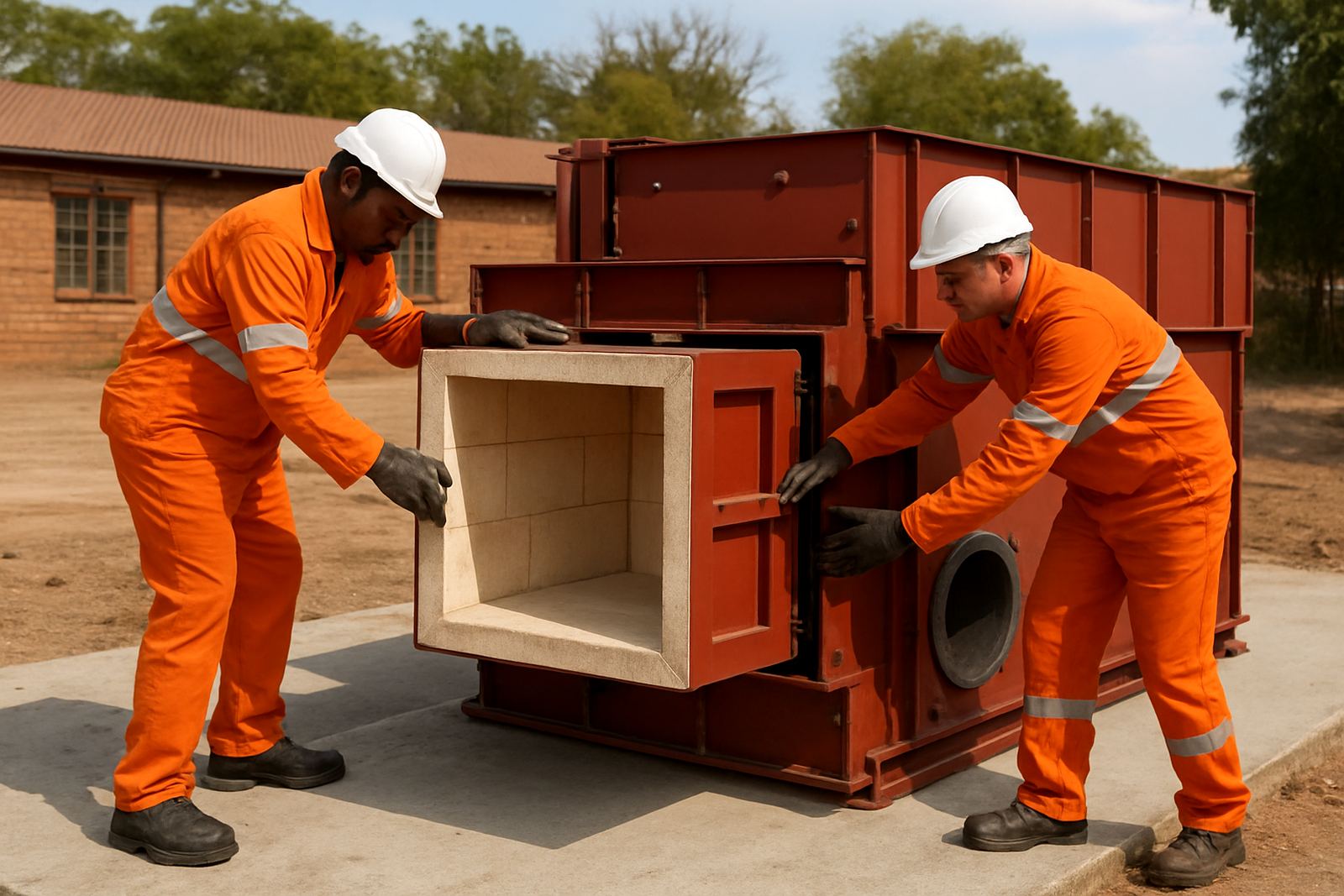
Modular incinerators are available in a range of capacities, from compact units for low to medium waste volumes through to higher throughput systems for daily plant loads. The chamber size, roof profile and refractory thickness are matched to the temperature range and the type of waste. Where continuous use is expected, extra lining thickness and better insulation help hold heat and reduce fuel draw.
Typical options include a single primary chamber, a secondary afterburning chamber, automatic temperature control, viewing ports, ash extraction points and access hatches for cleaning. Depending on the waste type and site rules, the unit can be configured for gas or diesel firing. On some plants the layout also allows staged loading so the operator can manage the burn cycle without overfilling the chamber, which cuts smoke and keeps the fire steadier.
- Manual or semi-automatic loading arrangement
- Single or dual chamber configuration
- Gas or diesel burner setup
- Temperature and flame monitoring
- Access for ash removal and refractory checks
- Optional flue gas treatment and stack height adjustments
Where modular incinerators fit best
These units suit sites that need controlled waste disposal but do not have the space for a large fixed civil build. Hospitals, clinics, laboratories, poultry operations, abattoirs, food plants, warehouses and light manufacturing sites often choose a modular arrangement because the installation can be planned around existing production. Sites in Boksburg, Kempton Park, Germiston and Pretoria often prefer this route when they are upgrading old plant or adding capacity in stages.
They also work well where waste movement must be contained. If your site already has strict internal hygiene rules, or you are dealing with odours, rodents or wet waste, a correctly sized incinerator is better than letting material build up in skips. In coastal areas and humid conditions, the steelwork and control gear need proper corrosion protection, so the installation spec should include paint systems, cabling routes and weather shields that suit the local environment.
- Healthcare and veterinary waste handling
- Animal by-product disposal where allowed
- Packaging, paper, plastics and offcuts from production
- Sites with restricted access or no room for large civil works
- Operations that need staged growth and future capacity
Installation, fuel supply and power needs
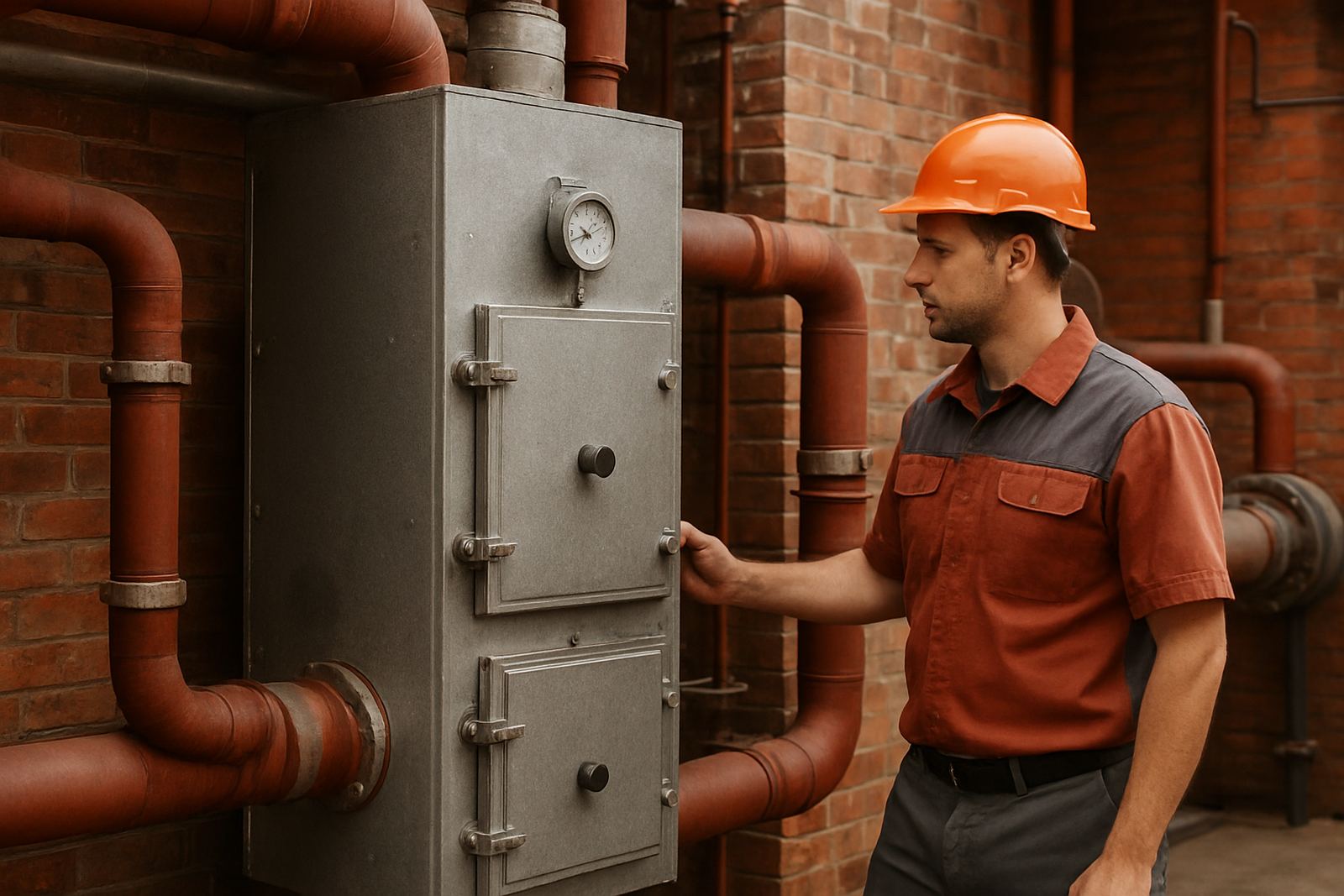
Installation normally starts with a site survey, floor loading check and review of the flue route. A modular incinerator still needs proper foundations or a prepared slab, enough clearance for maintenance, and safe access for loading and ash removal. If the unit is going into an existing plant room, venting and heat build-up must be checked carefully so that nearby equipment, cable trays and stored materials are not exposed to excessive temperature.
Fuel and power needs depend on the chamber size and control package. Gas-fired units need a stable gas supply, correct pressure regulation and leak testing. Diesel-fired units need a clean fuel line, tank placement and bunding where required. Electrical supply is needed for burners, controls, fans and safety devices. On sites affected by load-shedding, it is worth planning for backup power or a controlled shutdown sequence so the unit does not stop mid-cycle. That protects refractory life and avoids partially burned waste.
We also check the stack height, discharge point and local municipal requirements before final placement. Some sites need additional screening, noise control or access management for waste trucks and service crews.
Care, servicing and emission control
Good servicing keeps the chamber hot, the burn clean and the ash easier to remove. Refractory lining should be inspected for cracking, hot spots and loose sections. Burners must be tuned so the flame pattern is correct and the fuel does not waste itself on poor combustion. Door seals, hinges, thermocouples, dampers and controls all need regular checks, especially on sites where the unit runs most days.
Routine care normally includes ash removal, chamber cleaning, burner servicing, calibration of temperature controls, and checks on the flue path for soot build-up or obstruction. In wet or coastal air, electrical cabinets and external steelwork need extra attention because corrosion can creep in faster than expected. If the incinerator is handling mixed waste, operators should also watch for plastics, aerosols, metal items and damp material that can cause smoke, carryover or damage to the lining. A short service interval often saves a bigger repair later on, and it keeps the plant within spec.
- Monthly visual inspections and ash removal
- Quarterly burner and control checks
- Annual refractory review and relining where needed
- Flue and stack inspection for soot or blockage
- Combustion tuning after fuel or waste changes
- Service records for audits and compliance files
What to confirm before you order
Before you order, it helps to define the waste stream, daily volume, operating hours and space available for delivery and assembly. Ask for the chamber size in metres, the expected batch load, the fuel type, electrical supply requirements and the footprint once the access doors and service panels are open. If the site has narrow roads, weak slabs or limited crane access, that must be known early so the modular sections can be planned for safe lifting.
You should also confirm whether the job needs a secondary chamber, flue treatment, stack extension, odour control, or ash handling changes. For regulated waste, the supplier must work to the correct local approval path and the operating team should know how the material will be recorded and handled. A clear spec makes maintenance simpler later on and avoids changes after delivery when the plant is already on site.
Ai-TEC works from Jet Park, Boksburg with service teams across Gauteng and nationally. We handle supply, fabrication, installation support, commissioning and ongoing maintenance, so the unit is set up with the site conditions in mind from day one.
Key facts
| Product type | Modular incinerator for commercial and industrial waste handling |
|---|---|
| Capacity range | Compact to high-throughput units, sized to site waste volumes |
| Construction | Sectional steel build with high-grade refractory lining |
| Fuel options | Gas-fired or diesel-fired burner configurations |
| Controls | Temperature monitoring, safety interlocks and burner management |
| Service support | Commissioning, combustion tuning, inspections and maintenance |