What an animal waste incinerator does on site
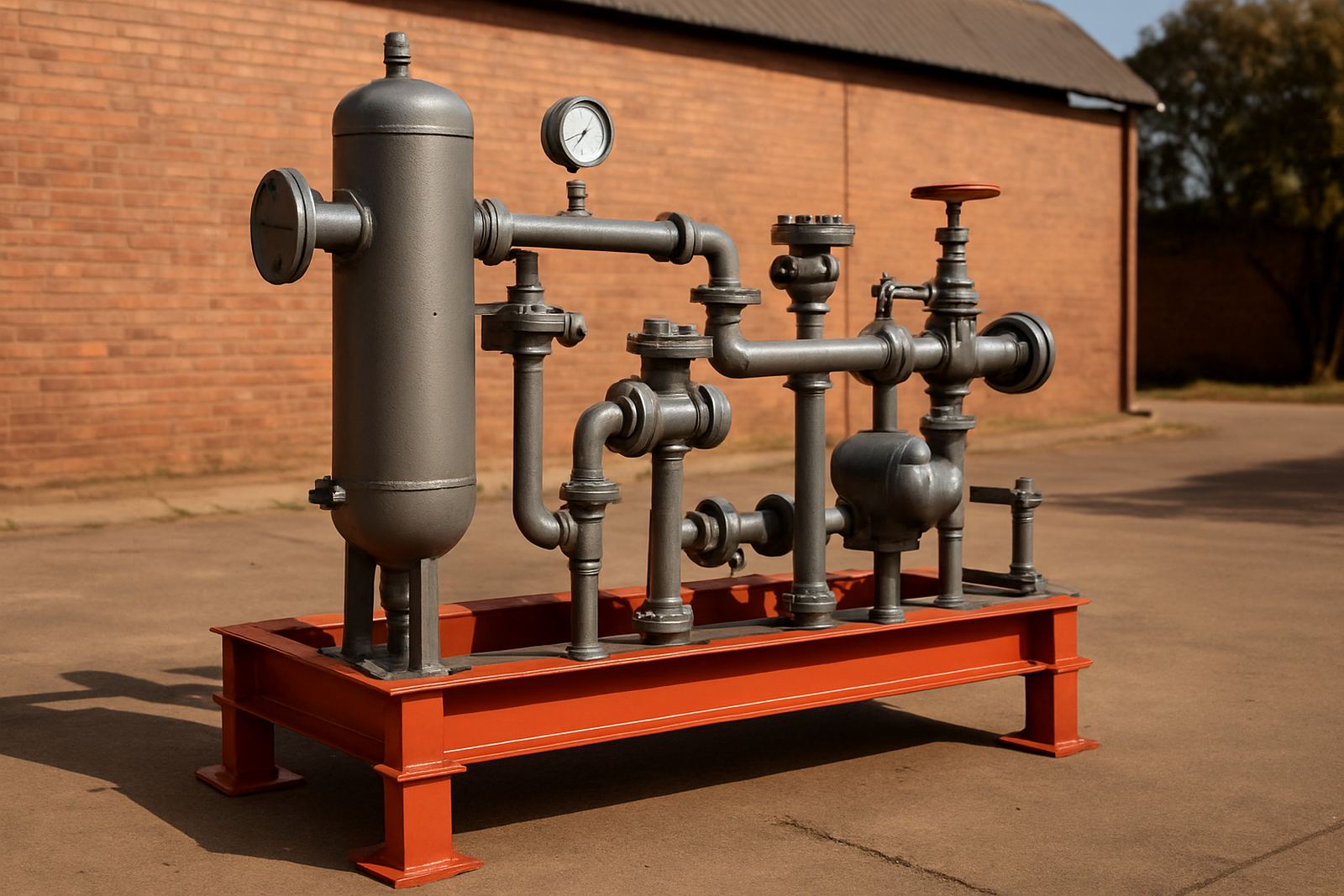
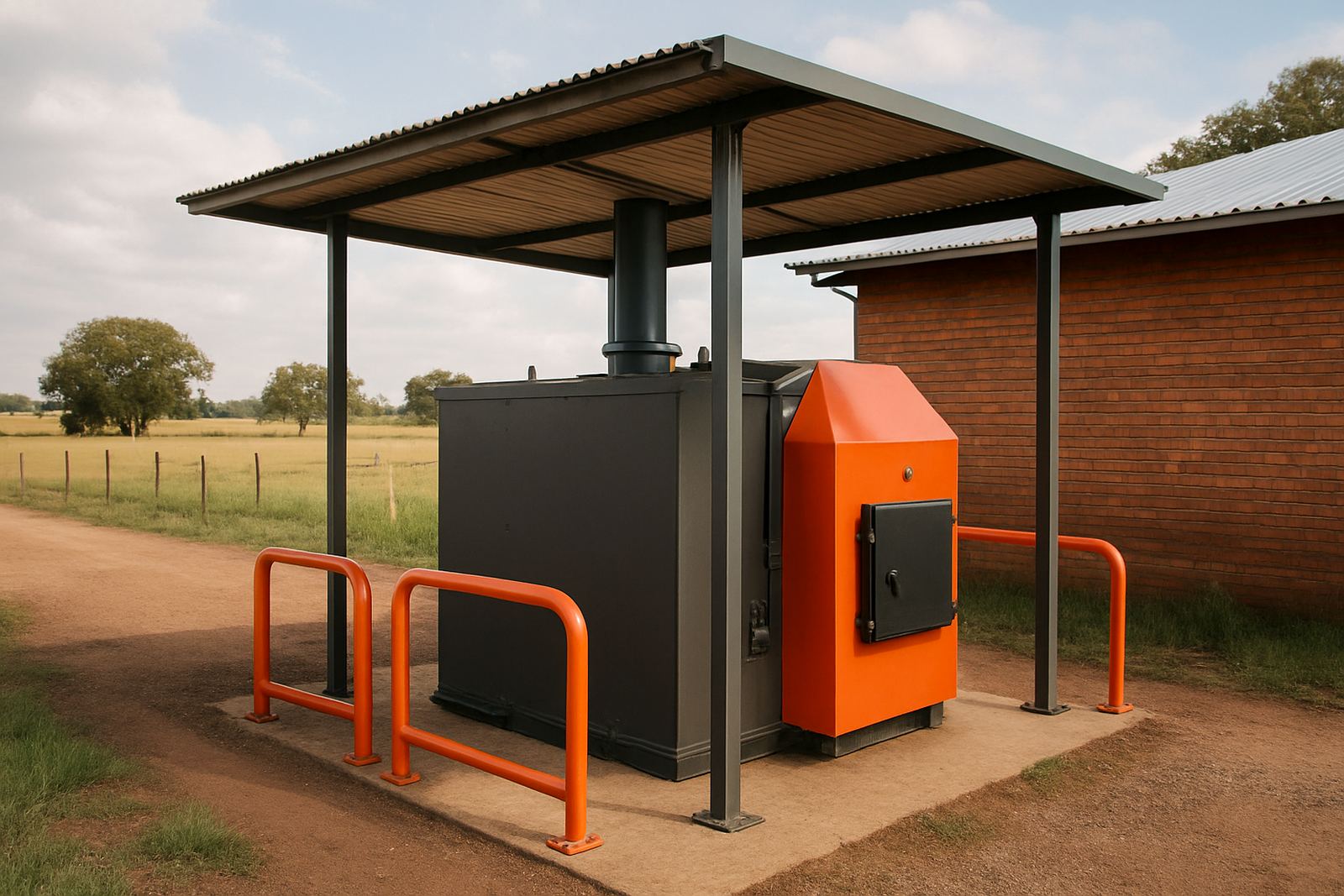
An animal waste incinerator is a purpose-built high temperature chamber for the controlled disposal of carcasses and contaminated organic waste. It is used where off-site removal is slow, costly or not suitable for biosecurity. The unit reduces waste to ash, with the process managed through insulated chambers, burner control, flue extraction and, on larger units, secondary combustion for cleaner burn-off.
For poultry farms, abattoir support areas, veterinary hospitals, research facilities and animal shelters, the main value is containment. Material stays on site, movement is reduced, and the risk of odour, scavengers and cross-contamination is kept down. In areas with irregular refuse collection, load-shedding or long distances to disposal points, that matters even more.
Ai-TEC supplies units for commercial and industrial use, with options matched to the size of the site, the type of waste and the daily batch load. We also handle maintenance, burner faults, lining repairs and commissioning so the unit keeps performing properly after install.
Sizes and build options for different waste loads
Incinerator size should be based on the volume and type of waste, not just the amount of floor space available. A small veterinary clinic may only need a compact batch unit, while a broiler operation, laboratory or municipal animal health facility may need a larger chamber with a stronger burner set and heavier refractory lining.
Common options include single-chamber and dual-chamber units, manual or automatic loading doors, static floor or trolley loading, and varying chamber depths to suit carcass size. Steel thickness, insulation rating and refractory grade are selected according to duty cycle and the temperatures required for consistent destruction.
- Compact units for small veterinary and clinic use
- Medium batch units for farms, shelters and animal holding sites
- Larger units for higher daily loads and repeat burn cycles
- Options for diesel, LPG or natural gas firing where supply is available
- Controls for temperature monitoring, timer operation and safety interlocks
For coastal or high-humidity sites, material selection matters. Corrosion protection around the casing, frame and control enclosure helps extend service life, especially where wash-down is frequent or the plant sits near the coast.
Where these incinerators suit best
These systems suit places that need biosecure disposal on a predictable basis. That includes livestock farms, poultry farms, vet practices, animal shelters, research units, game facilities, quarantine areas and mortuaries that handle animal remains. They are also used at facilities where waste has to be destroyed quickly after disease control events or post-mortem handling.
For Gauteng sites such as Boksburg, Kempton Park, Germiston, Pretoria, Midrand and Sandton, the practical issue is often space and permitting. The installation needs a suitable external location, access for delivery and fuel, and enough clearance for heat, flue routing and safe loading. Municipal rules can differ on stack height, nuisance control and operating hours, so it is worth checking those early.
On remote or agricultural properties, the main questions are fuel supply, maintenance access and whether the unit must run through power interruptions. We often look at standby power provision or burner control arrangements where the site cannot afford downtime during an outbreak or busy production period.
Installation, power supply and fuel requirements
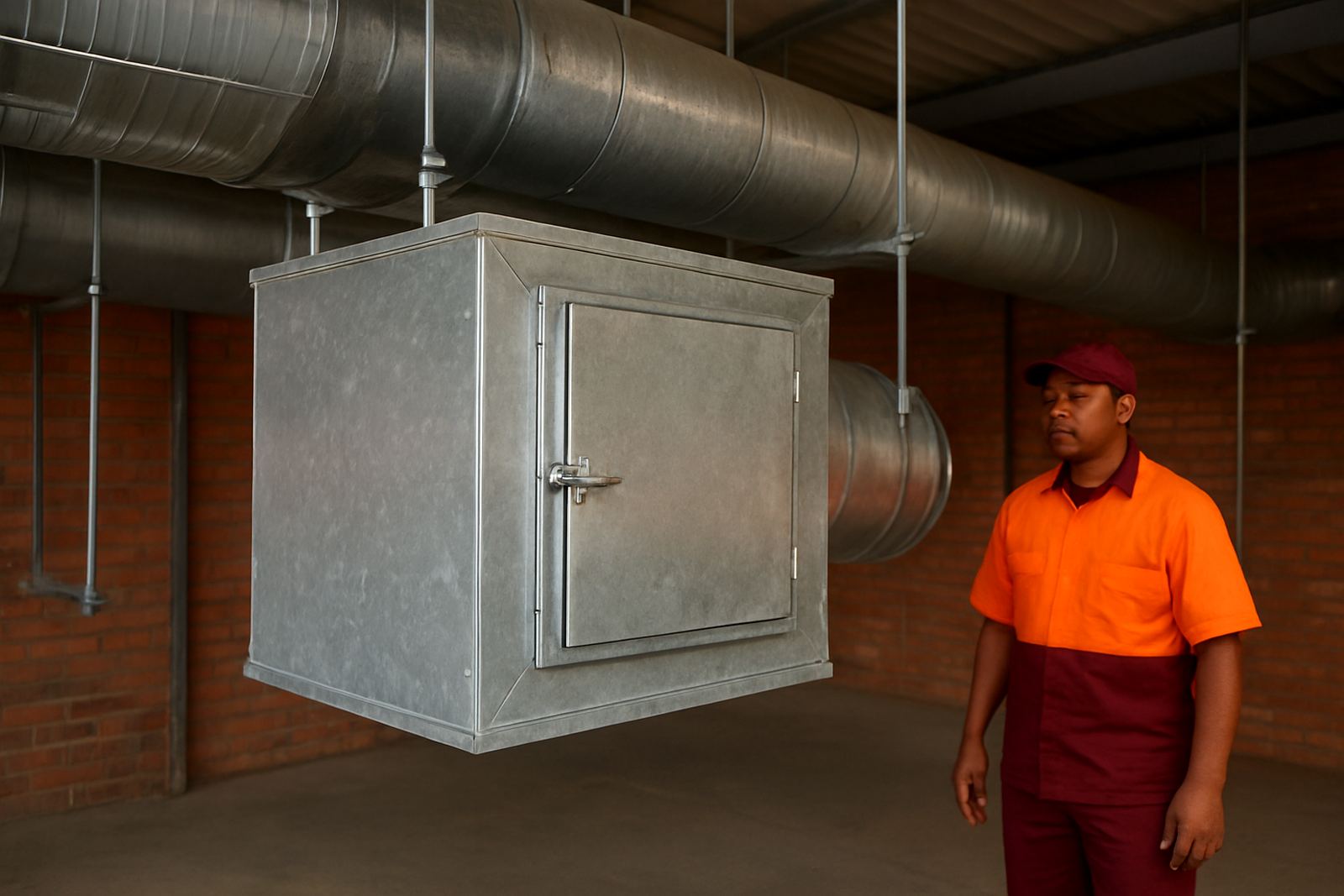
Installation starts with a proper foundation, safe access and the right flue path. Most units need a level concrete base, space for service access and separation from feed stores, fuel tanks, staff areas and drainage points. The flue arrangement must suit the building, prevailing wind and local compliance requirements, not just the shortest route out.
Power needs vary by model. Smaller units may only need single-phase supply for controls, while larger systems need three-phase power for ignition, fans and control panels. If the site faces load-shedding, a backup supply or operational plan should be part of the order. A unit that cannot complete its cycle can leave half-burnt waste and extra cleaning work.
Fuel can be diesel, LPG or natural gas depending on the design and site supply. Each has its own practical considerations. Diesel is common where gas reticulation is not available, while gas can be cleaner and easier to regulate where infrastructure exists. We help match the unit to the fuel source so the site does not end up with a burner it cannot support.
- Concrete base with correct load rating
- Flue and stack sized for safe draft and discharge
- Electrical supply matched to burner and controls
- Fuel storage or gas connection planned before delivery
- Access for tanker, service vehicle and ash removal
Care, servicing and daily operating checks
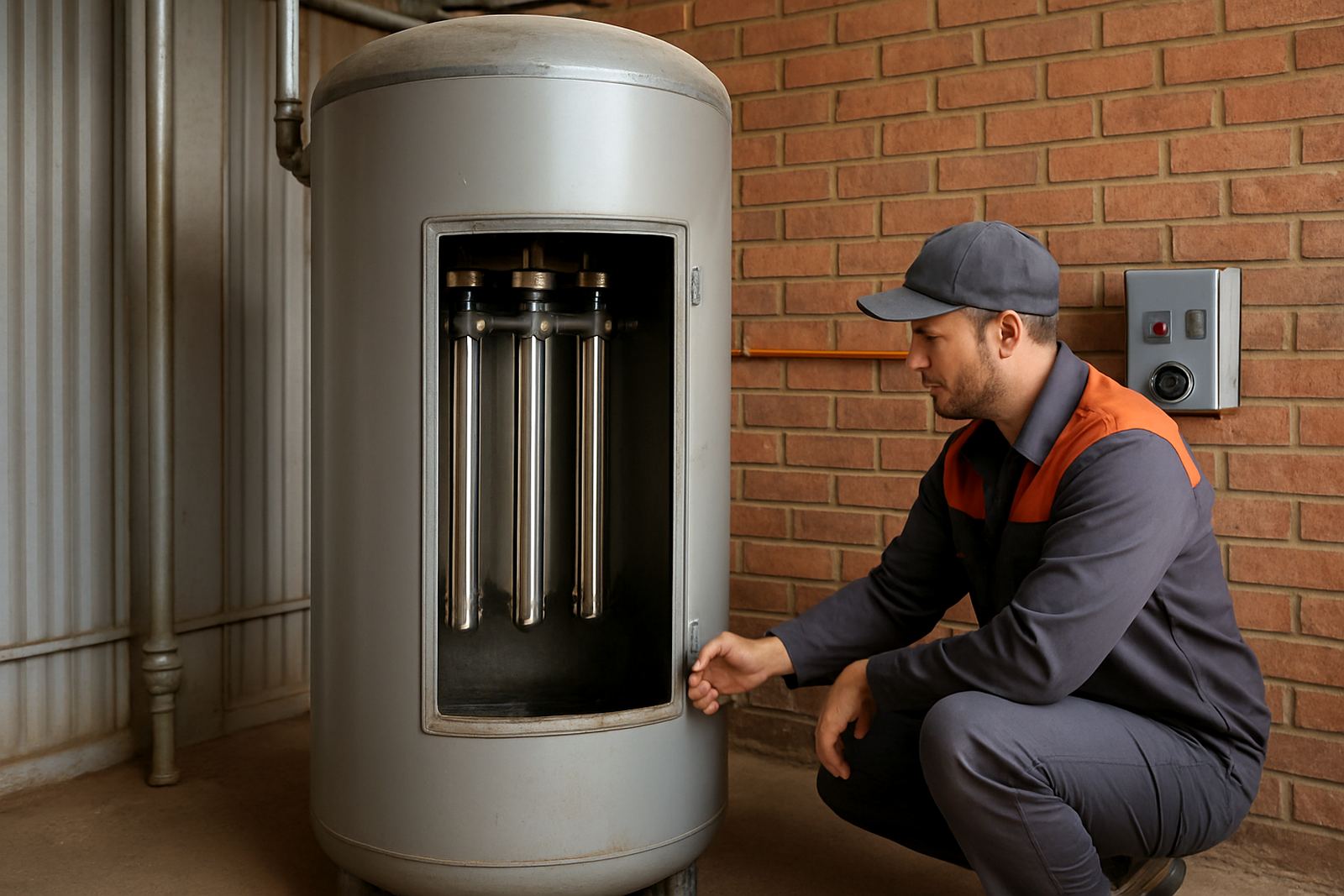
An animal waste incinerator works best when it is treated as process equipment, not a once-off purchase. Daily checks should cover burner ignition, chamber condition, door seals, temperature rise and ash build-up. Ash must be removed at the right intervals, and the floor and loading area kept free of excess residue so the next cycle starts cleanly.
Over time, the refractory lining, burner nozzle, seals and control components will need attention. High heat, repeated cycling and wet waste all shorten service intervals. If waste is loaded too fast or the chamber is overfilled, temperature recovery slows and fuel use increases. That is one reason proper operating training matters.
Ai-TEC provides servicing, combustion tuning, refractory relining and emergency callouts for these units. Our team also supports annual inspections and plant refurbishment where a unit has been idle or is no longer meeting duty requirements. If the incinerator is working harder than it should, it will show up in fuel use, burn time and chamber condition before it fails completely.
What to check before you order one
Before ordering, it helps to define the waste stream properly. Ask what material will be burned, how many kilograms per day, whether carcasses are whole or cut, and how often the unit will run. A good-sized unit for a small clinic may be far too small for a poultry operation, and an oversized system can waste fuel.
Check the following details before purchase:
- Expected daily and weekly waste volume
- Type of waste, including wet load and packaging contamination
- Preferred fuel type and available supply
- Available power supply and backup during outages
- Space for installation, loading and flue discharge
- Any local environmental or municipal requirements
- Whether service access is needed from the front, side or rear
If you need a unit for a farm, clinic or veterinary facility in Gauteng or further afield, Ai-TEC can assist with supply, fabrication support, installation planning and ongoing maintenance. We also coordinate with site teams in Boksburg, Kempton Park, Germiston, Pretoria, Midrand and Sandton, plus national service travel where required.
Key facts
| Waste type | Animal carcasses and contaminated organic waste |
|---|---|
| Construction | Insulated steel shell with refractory-lined chamber |
| Fuel options | Diesel, LPG or natural gas depending on model |
| Power supply | Single-phase or three-phase, model dependent |
| Operation | Batch loading with controlled combustion cycle |
| Service work | Servicing, combustion tuning, relining and inspections |