What a Duplex Calorifier Does on Site
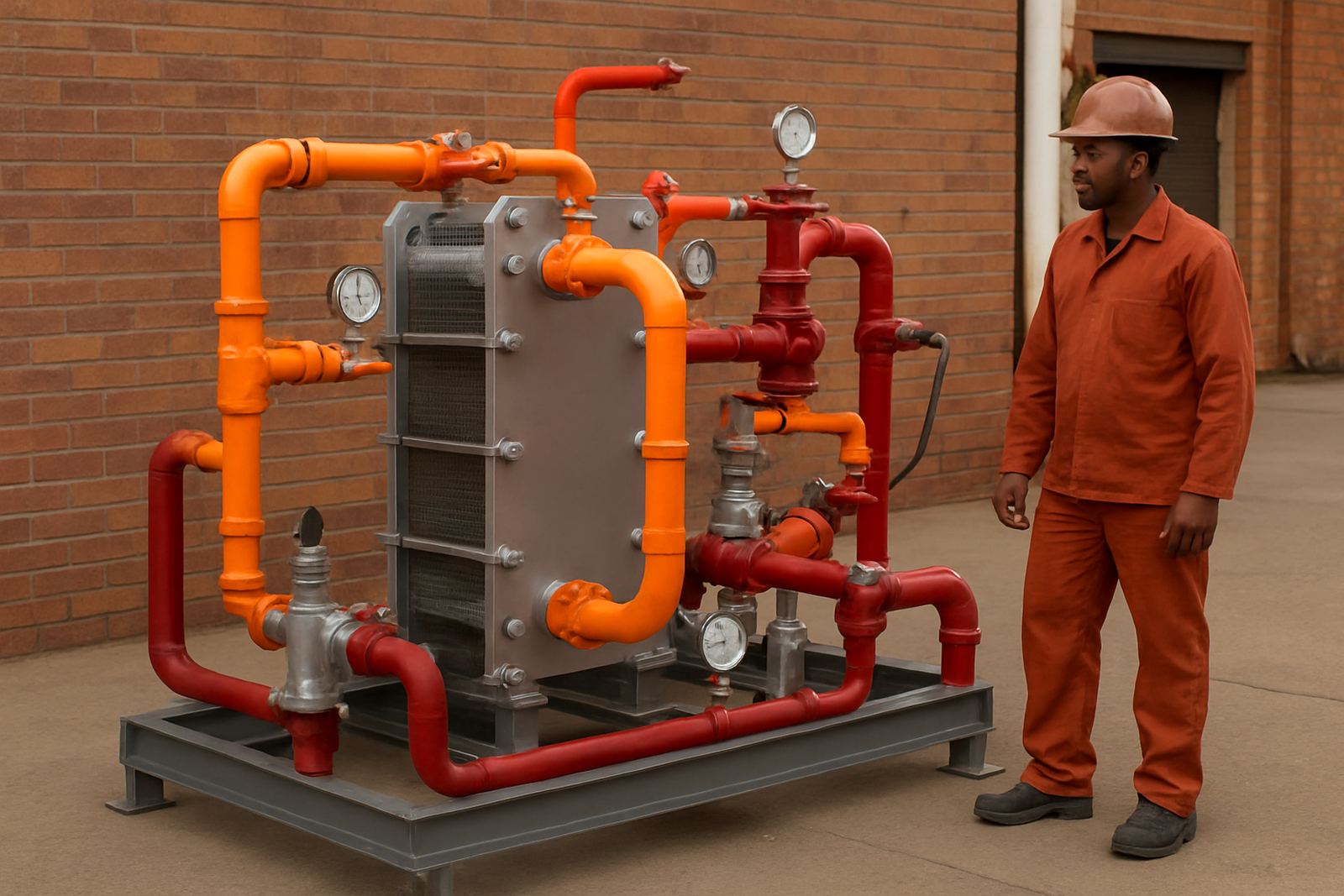
A duplex calorifier is a hot water vessel with two heating arrangements built into one unit, or two linked heating banks that work in stages. In plain terms, it lets you bring on only the capacity you need at that moment, then add the second stage when demand rises. That helps on sites with changing loads such as hostels, hospitals, hotels, laundries, factories and canteens where morning demand can be heavy and afternoons lighter.
These units are normally used with steam, hot water or indirect heating from a boiler plant. On many Gauteng sites, that means you can manage the load better during load-shedding recovery periods and avoid running a full-size system flat out when only half the demand is live. It also gives maintenance teams more control if one side of the system needs attention.
Typical Sizes, Materials and Build Options
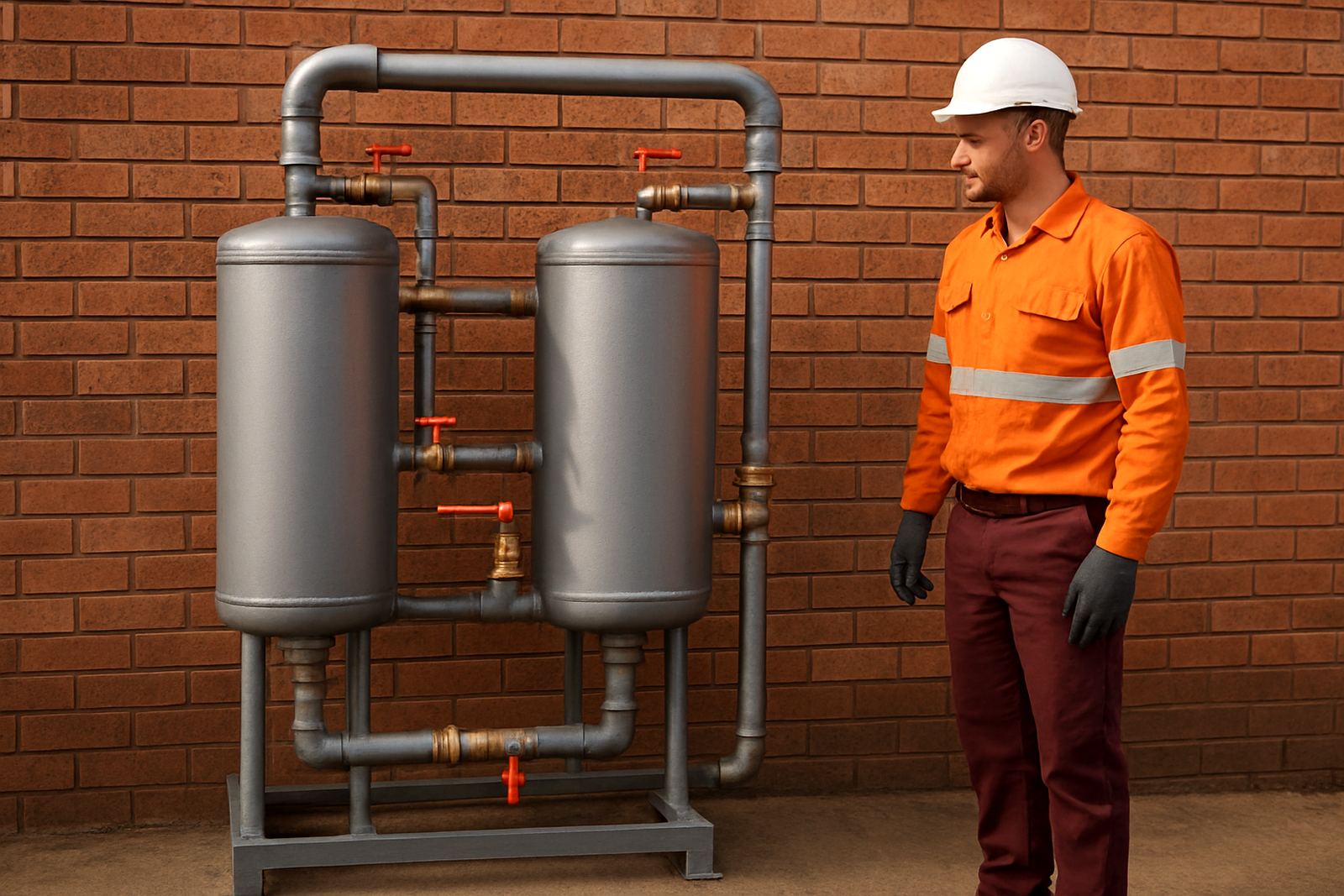
We supply and manufacture duplex calorifiers in a range of capacities to suit small commercial buildings right through to larger industrial plants. Common vessel sizes start at about 300 litres and can go well past 5 000 litres, depending on the required recovery rate, available plantroom space and water demand profile. Units can be vertical or horizontal, with flanged connections, inspection openings and matched coil arrangements where required.
- Vessel capacity from 300 litres to 5 000 litres plus
- Single or twin heating circuits for staged operation
- Copper, stainless steel or mild steel construction, depending on water quality and duty
- Insulation options for plantrooms, roof spaces and indoor installations
- Accessory fittings such as temperature gauges, drain points and pressure relief connections
Where coastal humidity or hard water is a concern, we will guide you on material choice and water treatment support so the vessel lasts longer and stays easier to maintain.
Where Duplex Calorifiers Suit Best
These units are a practical fit for sites that do not use hot water at a steady rate all day. You see them often in guest houses, clinics, prisons, mining accommodation, food production areas, schools and multi-storey commercial buildings. If your plant has a boiler room in Boksburg, Kempton Park, Germiston or Pretoria and the hot water demand changes by shift, a duplex calorifier can be a better option than a single fixed output vessel.
They also help where municipal supply pressure is not always steady, because storage gives you a buffer while the heating side works through the day. For operations in coastal or corrosive air, correct placement, venting and pipe support matter too. We often recommend keeping the vessel in a dry, serviceable plantroom rather than tucked away in a tight, poorly ventilated corner.
- Hospitals and clinics with staggered ward demand
- Hotels, lodges and staff accommodation
- Factories with washdown and process water use
- Educational sites with peak morning showers
- Sites needing backup capacity while one heating bank is isolated
Installation, Fuel and Utility Requirements
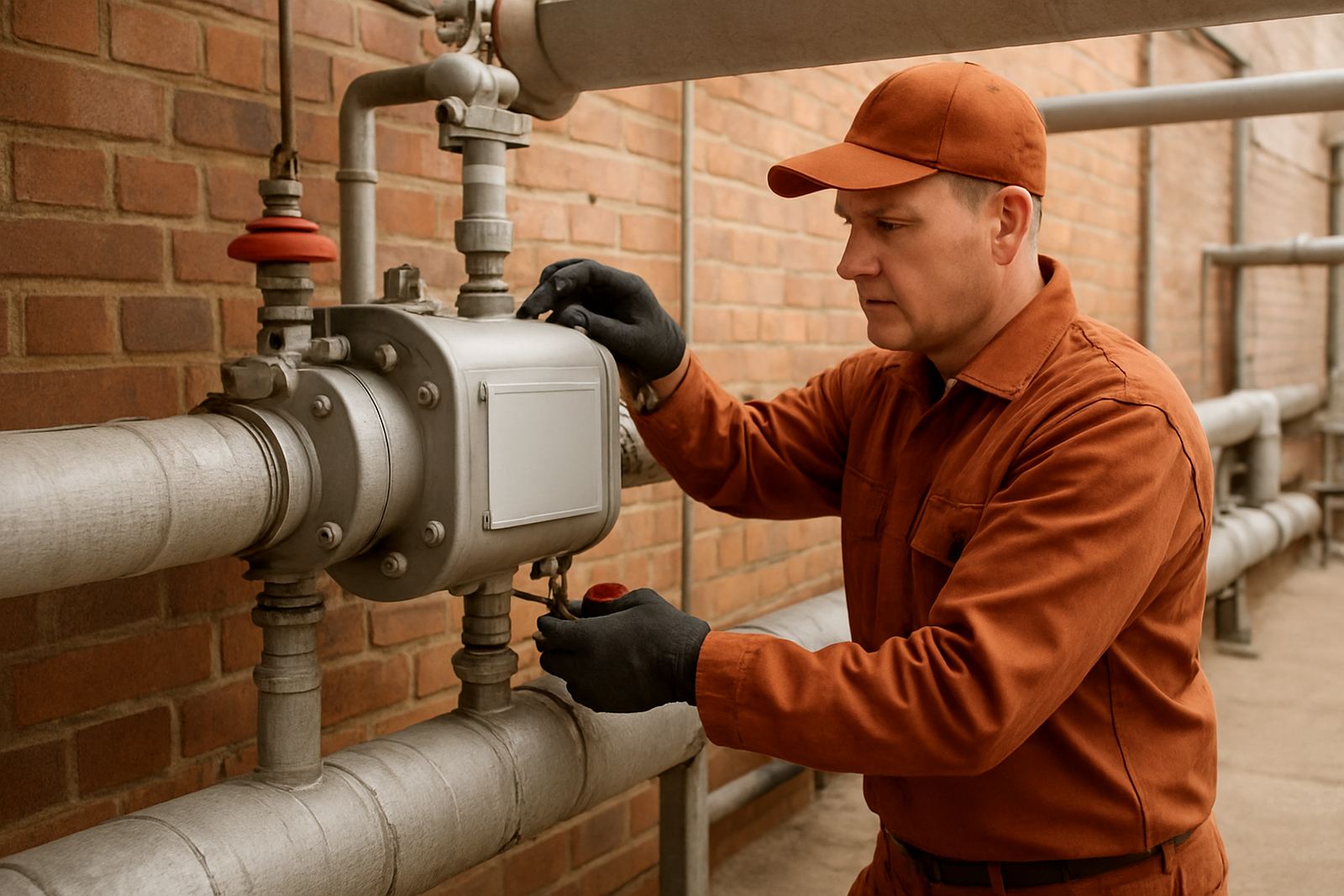
Installation depends on the heating source, vessel size and flow rate required. Duplex calorifiers may be connected to steam, boiler hot water, electric backup elements or other indirect heating arrangements. The pipework must be sized for the actual flow, not guessed off the tank size alone, and the controls should allow staged operation without short cycling. If the plantroom is crowded, plan for access around manways, valves and sensors before the unit is lifted in.
Power needs are usually modest for control gear, pumps and instrumentation, but if electric back-up or trace heating is added then the supply must be checked properly. Gas use is more about the upstream boiler or heater arrangement than the calorifier itself, so we look at burner capacity, flue routing and combustion air as part of the full install. On many sites in Gauteng, the bigger issue is not the nameplate rating but whether the incoming services and return temperatures are set up for real-world use.
Care, Servicing and Water Quality
A duplex calorifier should be inspected regularly for scale, leaks, thermostat drift, safety valve function and general heat transfer performance. If the site water is hard, scale build-up can cut efficiency and slow recovery quite quickly. In older plantrooms we also see insulation damage, lagging gaps and tired controls that make the system work harder than it should, sometimes for years.
Our service teams handle annual inspections, combustion tuning on linked boiler plant, water treatment support and planned shutdown work. For sites with heavy use, a six-month check is worth considering, especially where the water is aggressive or the load changes by season. If one heating circuit starts lagging behind the other, it is better to isolate and test early than to wait for a full hot water shortage on a busy Monday morning.
- Check scale, corrosion and sediment at least once a year
- Confirm valves, gauges and controls are working correctly
- Inspect insulation, pipe supports and expansion allowance
- Test relief valves and draining arrangements
- Record flow temperature, return temperature and recovery time
What to Confirm Before You Place an Order
Before you order, we need the hot water demand, peak usage times, available plantroom space and the heating medium you are using. It also helps to know whether the unit must fit through a standard doorway, whether there is a crane lift, and if the install is in a tight basement, rooftop plantroom or service yard. A proper site check can save a lot of rework later, and it is usually the difference between a neat install and a headache.
Please have the following details ready:
- Required litres per hour and storage volume
- Incoming water temperature and required outlet temperature
- Heating source type, such as steam, hot water or electric support
- Available voltage, control supply and breaker capacity if applicable
- Connection sizes, plantroom access and lifting limits
- Any water treatment history, scaling issues or previous failures
If you are replacing an older unit, send us the nameplate details, photos of the connections and the layout around the vessel. That usually gives enough information to advise on a like-for-like swap or a better sized replacement.
Key facts
| Product type | Duplex calorifier for staged hot water heating |
|---|---|
| Capacity range | Approx. 300 litres to 5 000 litres plus |
| Heating arrangement | Single or twin indirect heating circuits |
| Construction options | Stainless steel, copper or mild steel, subject to duty |
| Installation format | Vertical or horizontal, plantroom dependent |
| Typical applications | Hospitals, hotels, factories, schools and accommodation plants |