What an inline oil heater does on a process line
An inline oil heater raises and holds the temperature of oil as it passes through the line, so the product stays pumpable and moves at the right viscosity. In practical terms that means less strain on pumps, more even flow through heat exchangers or vessels, and fewer blocked lines when weather turns cold in Gauteng or when a plant starts up before full load.
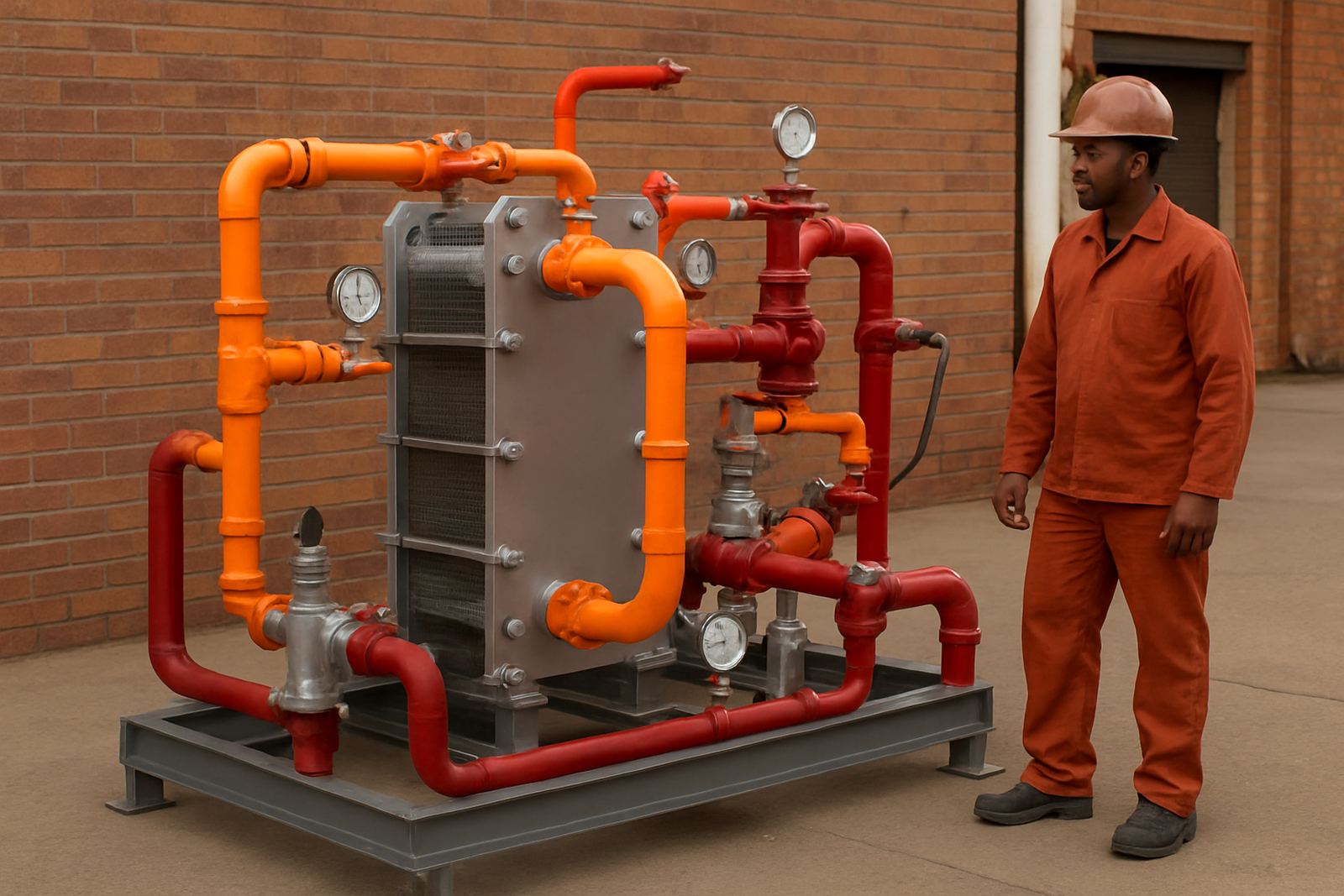
These heaters are fitted directly into the flow path, either as a packaged skid or as a built-up item on the plant. The heating medium can be electric, steam, hot water or thermal fluid depending on the duty and the site utilities. For factories with shifts running through load shedding, the right heater can help keep product at set point between stoppages, especially where a process line must restart quickly without dumping cold oil back into the system.
Ai-TEC supplies, manufactures and maintains inline oil heaters for commercial and industrial duties. We work on new installations, replacement units and refurbishment of existing plants. The aim is simple, accurate heat transfer, practical access for maintenance, and a layout that suits the site instead of forcing the site to suit the heater.
Sizes, ratings and build options for local plants
Inline oil heaters are built to match the flow rate, temperature rise and operating pressure of the line. There is no one-size unit because a food plant in Midrand, a workshop in Boksburg and a refinery support area near the coast will all need different materials, controls and safety fitment. We size each heater around the product, the duty cycle and the actual site conditions.
- Flow capacities from small pilot lines through to high-volume process skids
- Temperature control for low to medium viscosity oils and heat transfer duties
- Operating pressures selected to suit the pump curve and line pressure
- Material choices for carbon steel or stainless steel wetted parts where corrosion risk is present
- Electric element, steam coil or thermal fluid heating arrangements
- Manual or automatic control panels, local indication and remote signal options
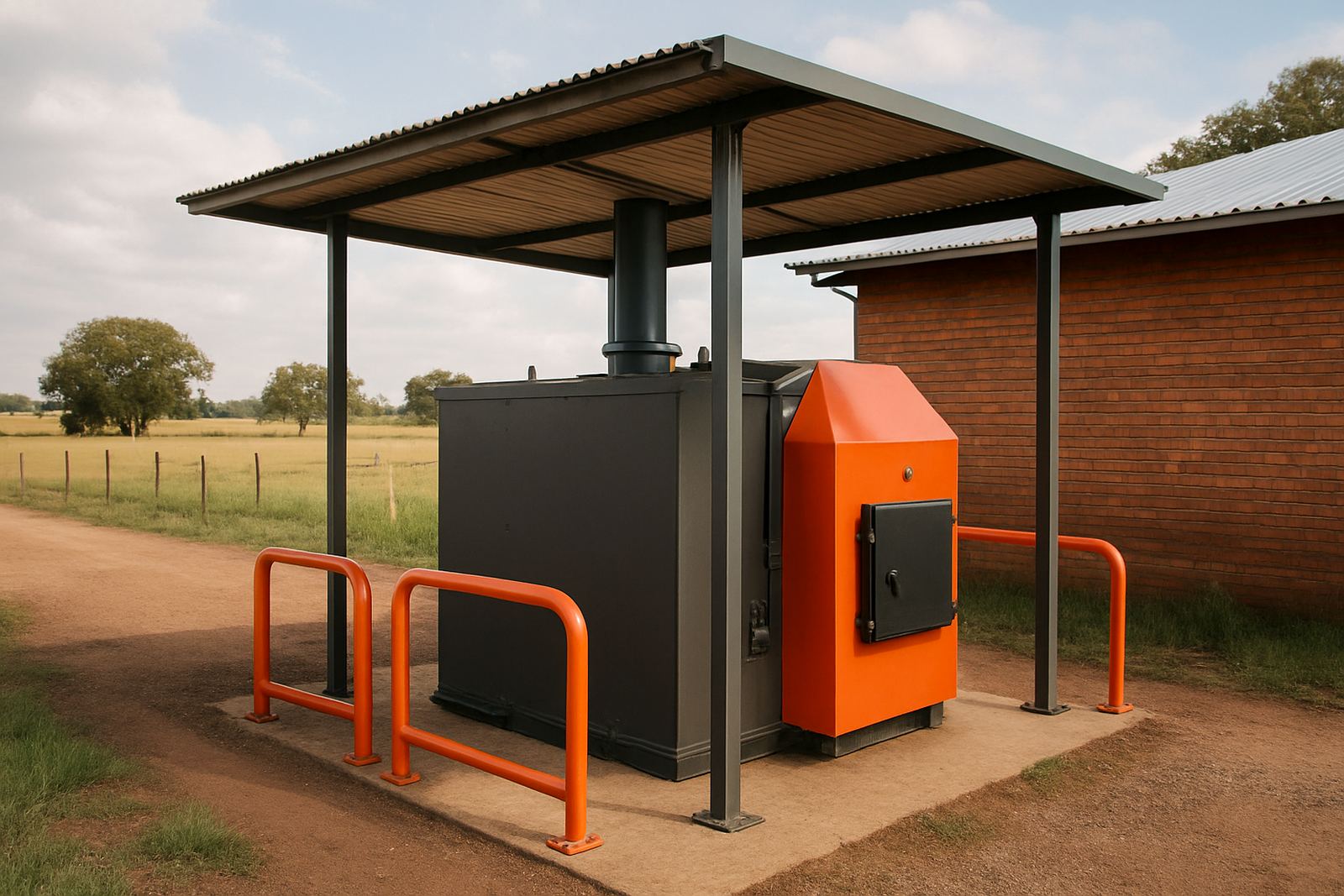
Common build details include flanged or threaded connections, insulated bodies, drain points, vent points, thermostats, flow switches and high temperature cut-outs. Where the line runs outdoors, we also consider rain exposure, dust, vibration and coastal humidity. A heater that works inside a clean plant room may fail early outside if the casing, wiring glands and insulation are not set up for South African weather.
We can also assist where the plant needs a section replaced rather than a full new set-up. If the housing is sound but the tube bundle, elements or controls have failed, a targeted rebuild often gives better value and less downtime.
Where inline oil heaters are a practical fit
These heaters suit any operation that must keep oil at a set temperature before pumping, dosing, blending or transfer. They are common on process lines where poor temperature control causes uneven output, overloading of pumps or product that does not meet spec. In many plants the heater is not the main event, but it makes the rest of the plant behave properly.
- Industrial process plants with hydraulic or lubricating oil loops
- Food, packaging and general manufacturing lines using heat-controlled oils
- Heating and transfer systems where viscosity must stay within a narrow band
- Sites with long pipe runs or cold start conditions in winter
- Plants that need stable operation during load shedding recovery
- Facilities where a single heater failure can stop a full batch or shift
We often specify inline heaters for plants in Germiston, Kempton Park, Pretoria, Midrand and Sandton, where service access and uptime matter. For clients farther afield, Ai-TEC sends service teams nationally and can support commissioning, fault-finding and scheduled maintenance without dragging the project out for weeks. If the process is critical, we plan for isolation valves, bypass lines and enough space for future tube or element removal.
Installation, power and gas requirements on site
Installation starts with the duty sheet, not the welders. We confirm the product, flow rate, inlet temperature, outlet temperature, pressure drop and the type of energy available on site. For electric heaters, power supply must match the load and control gear, with proper protection, earthing and cable sizing. For gas or steam assisted systems, the feed pressure and safety controls must be checked before commissioning. A unit that is undersupplied will cycle badly, overheat in spots or trip out under load.
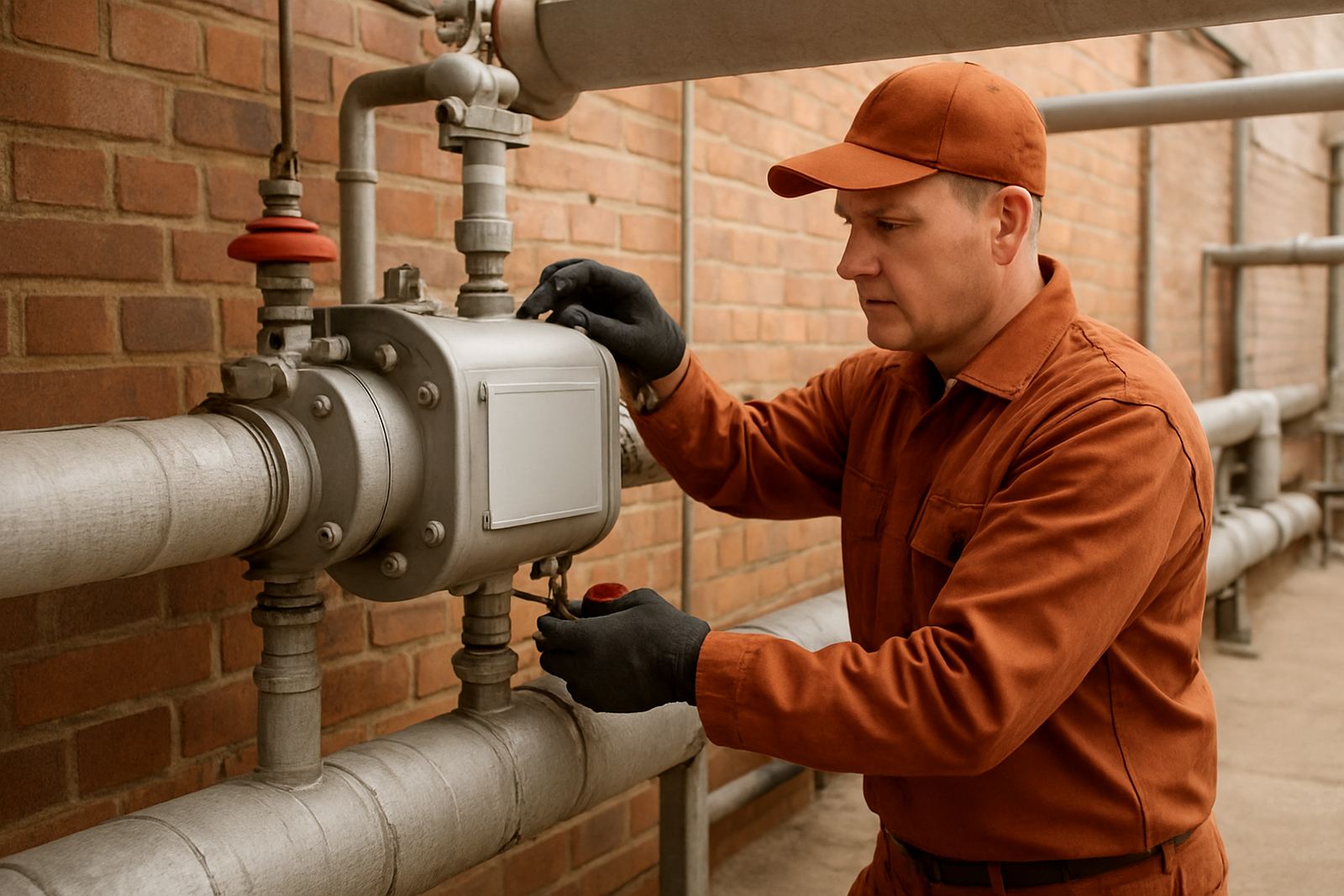
Most sites need a level base, enough access for maintenance, and correct pipe support so the heater body is not carrying the weight of the line. We also look at expansion joints, relief valves, non-return valves and drainage. Where municipal or insurance rules apply, the installation has to be neat, documented and ready for inspection. That includes labels, emergency stops and clear access to isolation points.
For plants that operate through long shifts, we recommend a bypass arrangement so the line can keep moving while the heater is isolated for service. It sounds basic, but plenty of downtime comes from a good heater that was installed with no way around it. A little extra piping now can save a full day of lost production later.
Service, cleaning and performance checks
Like any heat exchange equipment, inline oil heaters perform best when kept clean and checked on a schedule. Scale, sludge and carbon build-up reduce heat transfer and push power use up. Controls drift over time too, especially where the plant sees vibration, heat and dust. Regular servicing helps the heater hold temperature without short cycling or unnecessary wear.
Ai-TEC offers servicing, combustion tuning where applicable, annual inspections and plant refurbishment support. Our team checks heaters for leaks, corrosion, insulation breakdown, loose connections, element condition, sensor drift and control response. If the site has water treatment or upstream contamination issues, we can also advise on the effect that has on the wider system, because dirty oil and poor treatment usually show up at the heater first.
- Inspect seals, flanges and gaskets for signs of seepage
- Check temperature sensors and high limit protection
- Verify flow and pressure across the heater
- Clean strainers and heat transfer surfaces
- Test control panels, contactors and interlocks
- Record power draw, outlet temperature and trip history
A planned service visit is far cheaper than a shutdown after an overheated line cooks the product or trips the supply. We keep the checks practical and the paperwork clear, so the maintenance team knows what was done and what needs attention next.
What to send when requesting a quote or replacement
The more detail you give us upfront, the faster we can size the right heater and avoid costly changes later. If you are replacing an existing unit, photos and the old nameplate details are useful. If it is a new line, the process data matters most. We would rather ask for the right information now than discover a pressure issue after the unit is already built.
- Oil type and operating viscosity range
- Required inlet and outlet temperatures
- Flow rate in litres per hour or litres per minute
- Operating pressure and available pressure drop
- Power supply, steam availability or gas supply details
- Site location, space limits and whether indoor or outdoor installation is planned
Also tell us if the line is exposed to coastal humidity, washdown, dust, or frequent stop-start operation. That helps us choose the right casing, insulation and controls. If the unit has to fit around existing pipework in Boksburg, Pretoria or on a national rollout, we can work with the space that is actually there, not the space on a drawing that changed three times already.
Key facts
| Product | Inline oil heaters for process lines |
|---|---|
| Typical duties | Maintaining oil temperature and controlling product viscosity |
| Heating options | Electric, steam, hot water or thermal fluid |
| Materials | Carbon steel or stainless steel wetted parts, depending on duty |
| Controls | Local control, temperature indication, cut-outs and interlocks |
| Service area | Gauteng with national service teams |