Fourways Central Plant: why the upgrade was needed
The client was a residential body corporate in Fourways, Sandton, managing multiple service blocks with uneven hot water pressure, slow recovery times and rising fuel use. The old plant had reached the stage where routine repairs were no longer enough, especially with higher morning demand and complaints after load-shedding events when systems were restarting under heavy demand.
The brief was straightforward: stabilise hot water supply, reduce downtime, improve control, and make the plant easier to service without causing disruption to residents. The team wanted a practical solution that would fit within the existing boiler room footprint and work with the site’s current pipework and controls, not a full demolition and rebuild.
Site constraints, access and live occupancy
The site stayed live through the works, so we had to phase everything carefully. Access to the boiler room was tight, with limited lifting space, standard residential parking rules and a narrow service route that had to remain clear for other contractors and emergency access. Like many Fourways complexes, the plant room sat close to occupied units, so noise, dust and shutdown timing all needed proper coordination.
We also had to plan around Gauteng water quality and scale build-up. The existing system had signs of fouling in the strainers and poor heat transfer at the calorifiers, which can happen fast when water treatment is inconsistent. Coastal humidity was not the issue here, but the winter temperature swings and power interruptions still put strain on the plant.
- Live residential occupation throughout the project
- Restricted lifting and delivery access
- Shutdown windows limited to agreed weekday periods
- Existing pipework had to be retained where sound
- Controls had to suit the current plant room layout
What Ai-TEC supplied and installed
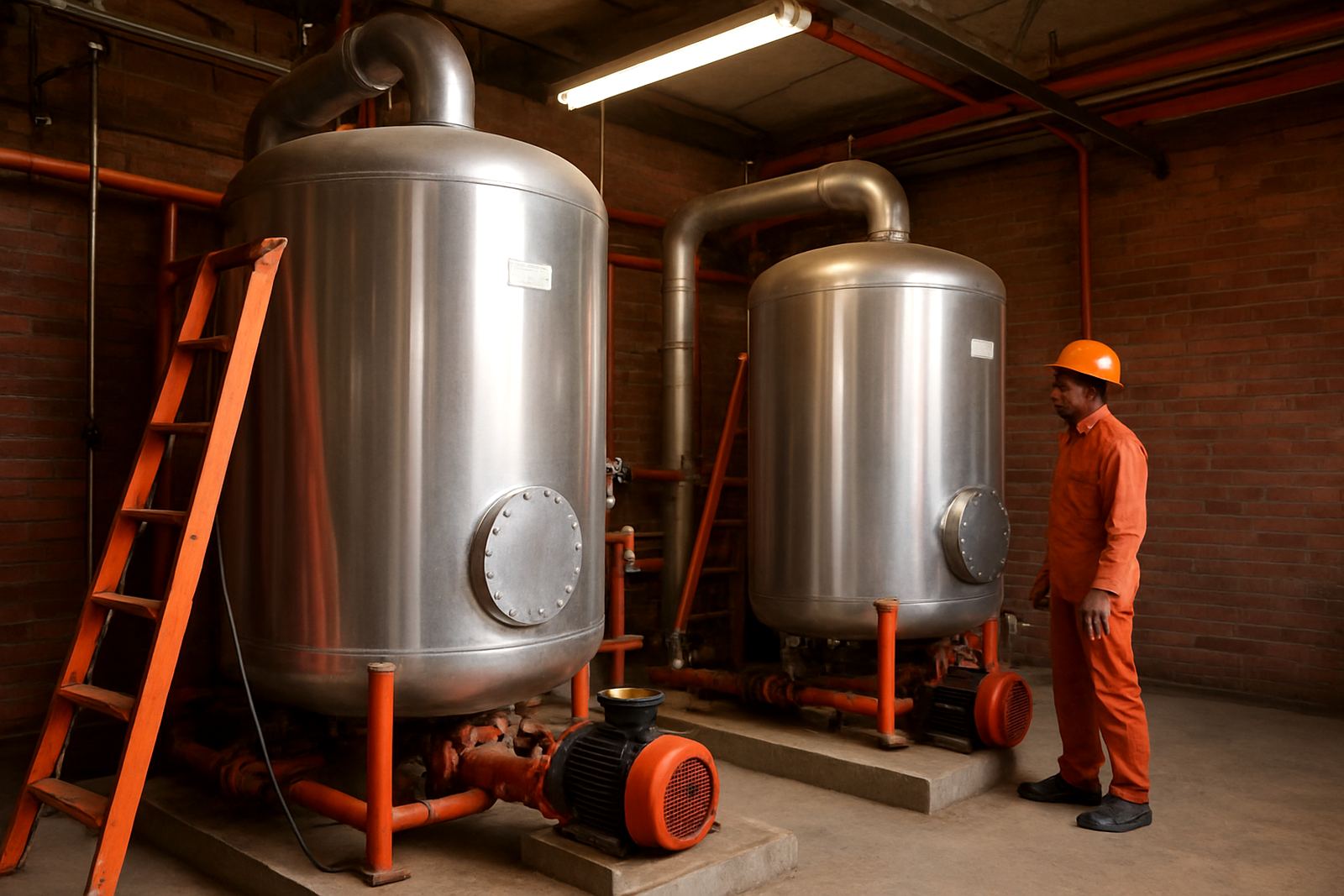
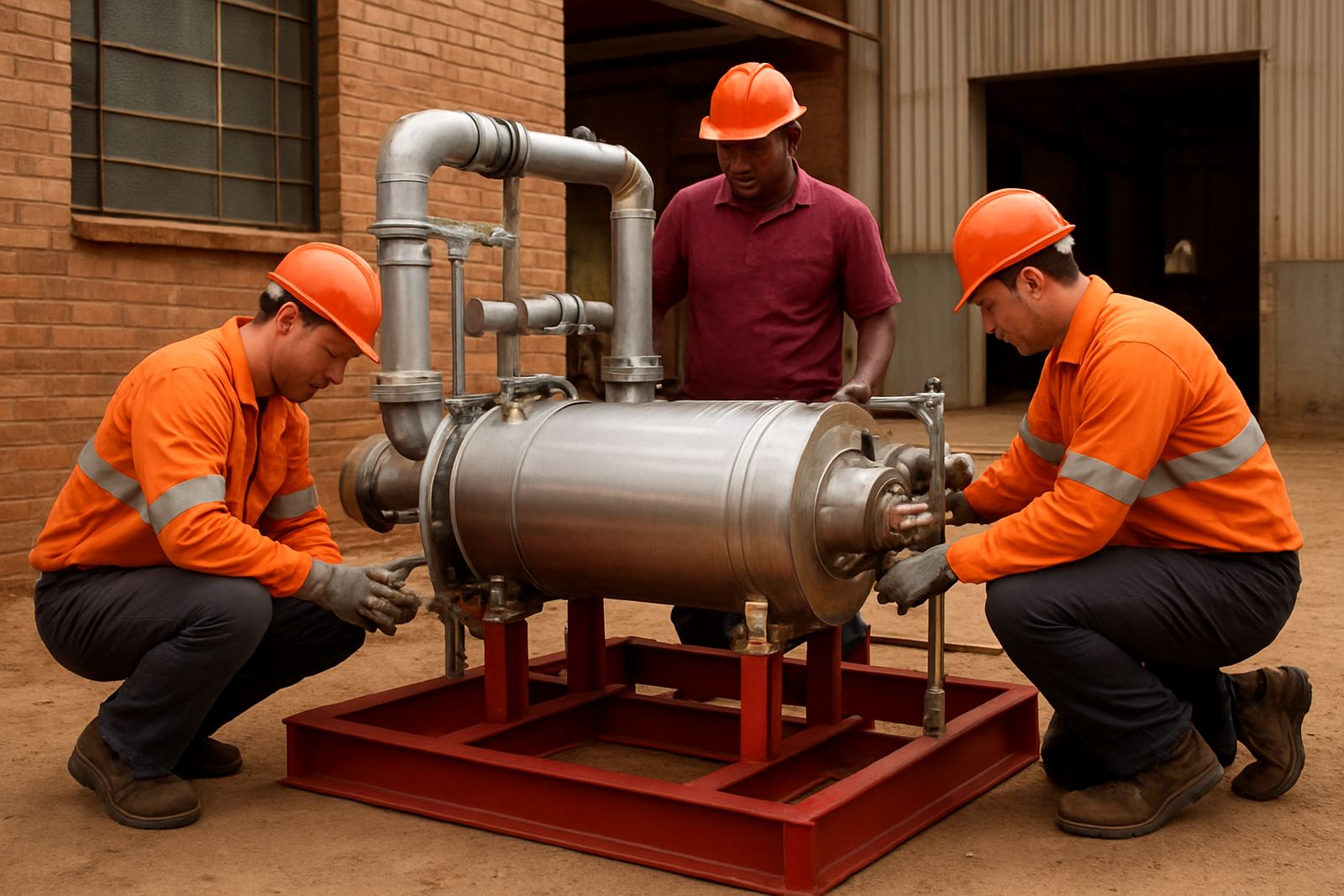
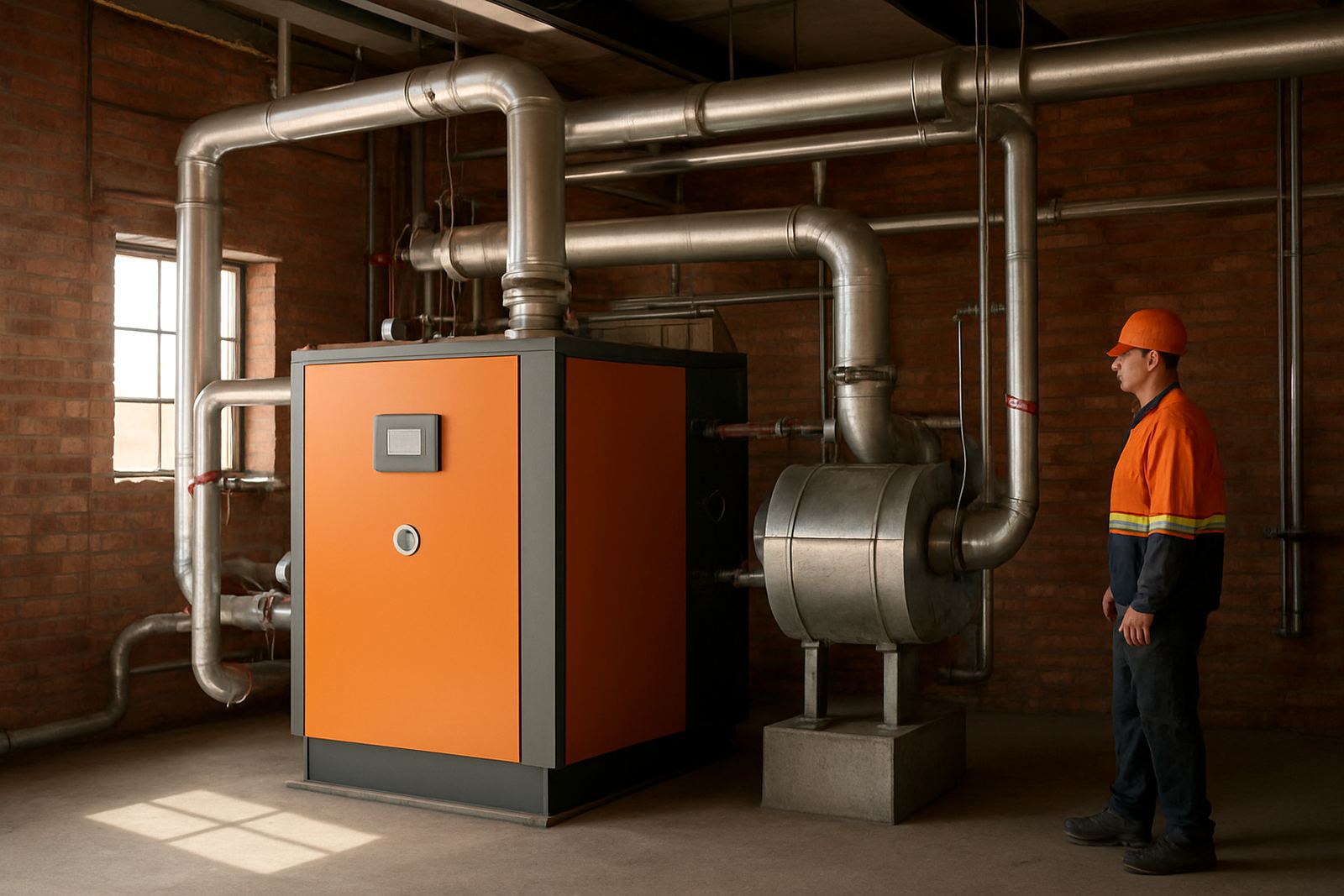
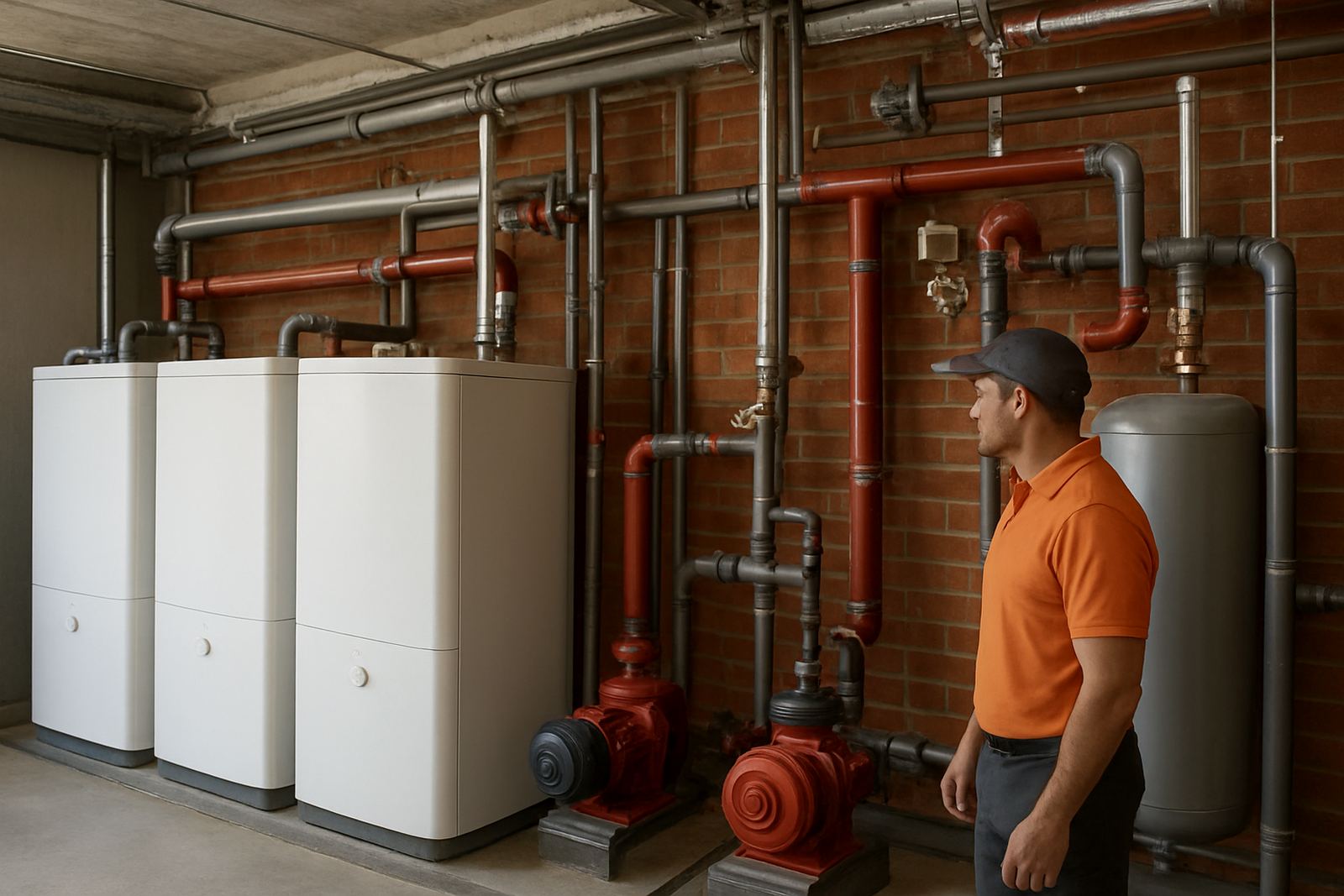
We supplied and installed a central hot water plant upgrade built around improved boiler performance, serviceable heat exchange equipment and more reliable controls. The scope included the removal of worn items, refurbishment of usable sections and reconfiguration of the plant so maintenance could be done faster in future. Our fabrication team also modified support steelwork and ancillaries to suit the new layout.
The works included combustion tuning, replacement of worn valves and fittings, improved circulation components, and refreshed insulation on exposed hot surfaces. We also checked the water treatment side so the plant would not be set up for a short-term fix only. A plant can look fine on day one and still fail early if scale, sludge or poor dosing are left unchecked, so we treated that as part of the job, not an extra.
- Boiler and calorifier interface checks
- Combustion tuning for better fuel use
- New control adjustments for staged heating
- Pipework modifications and insulation repairs
- Water treatment support and line flushing
Timeline from shutdown planning to handover
The project ran over five weeks from first site walk-through to final handover. Week one covered the survey, measurements and shutdown plan. Week two focused on procurement and fabrication in Jet Park, Boksburg, while the site team prepared the plant room and isolated sections of the system. Week three and four covered installation, tie-ins and controls changes. The final week was used for testing, commissioning and operator handover.
Because the complex was occupied, we kept communication tight. Zanele Dlamini coordinated updates, while Pieter van der Merwe managed the technical side of the programme and Musa Khumalo handled the plant checks and start-up work. That kept the work moving without residents being left in the dark about timings or temporary interruptions.
Results in hot water recovery and day-to-day use
Once commissioned, the plant delivered steadier hot water across the residential blocks and recovered faster during peak morning and evening use. The client also gained better control over the plant, which made it easier to spot changes in performance before they became complaints. In practical terms, that means fewer callouts, less panic when temperatures dip, and a plant that behaves properly when demand jumps.
Fuel use improved after tuning and control adjustments, although the bigger gain was reliability. For a site like this, reliability matters as much as output. If the plant goes down at 06:00, residents do not care about a spec sheet, they care whether the shower runs hot. The upgrade reduced that risk and gave the body corporate a cleaner maintenance plan going forward.
- More even hot water delivery to multiple blocks
- Faster recovery during peak use
- Lower unnecessary cycling and better control
- Easier access for routine servicing
- Clearer maintenance intervals for the site team
What we would do again on a similar site
We would follow the same approach again: start with the site constraints, phase the work around occupancy, and keep the plant as simple as possible without cutting corners. Residential plants often fail because someone tries to force industrial equipment into a space that was never planned for it, or because maintenance access was an afterthought. Here, careful layout planning saved time later.
We would also keep water treatment and controls tied to the upgrade from day one. That is where long term value sits. A central hot water plant is not just boilers and pumps, it is the full system, from combustion and circulation to chemical treatment and operator response. Get those parts working together and the plant lasts longer, costs less to run, and gives fewer surprises.
Project handover and support from Gauteng
Ai-TEC continues to support central hot water plant clients from our Jet Park, Boksburg base, with service teams covering Gauteng and travelling nationally where needed. For Fourways Central Plant, the handover included operating notes, service recommendations and a practical schedule for follow-up inspections. The client now has a clearer path for planned maintenance instead of waiting for an urgent breakdown.
That is usually where the real value is on these projects. A good upgrade should make the next year easier, not just the next week. With annual inspections, combustion tuning and water treatment checks in place, the plant can stay ahead of wear and keep residents supplied through busy seasons and load-shedding periods.
Key facts
| Project | Fourways Central Plant central hot water upgrade |
|---|---|
| Client type | Residential body corporate with multiple service blocks |
| Town | Fourways, Sandton |
| Duration | 5 weeks from survey to handover |
| Scope | Boiler plant upgrade, calorifier interface work, controls changes, tuning and water treatment support |
| Outcome | Improved hot water stability, faster recovery and easier maintenance |