Healthcare Hot Water That Could Not Miss a Shift
The client was a private healthcare facility in Boksburg with high daily demand for domestic hot water and strict hygiene routines. The old calorifier system had reached the point where recovery time was too slow for peak morning use, and once the plant fell behind it took hours to catch up. Staff were also dealing with temperature swings at wash basins and in support areas, which is never ideal in a medical setting.
The brief was simple on paper but harder in practice. Replace the failing calorifier plant, keep hot water available as far as possible during the changeover, and make sure the new installation could handle continuous demand without constant operator intervention. The site could not afford long downtime because the hospital runs on a 24 hour cycle and a missed hot water supply affects wards, kitchens and cleaning teams immediately.
- Client type: private healthcare facility
- Location: Boksburg, Gauteng
- Service pressure: continuous domestic hot water demand
- Key issue: slow recovery and repeated outages
What We Found During the Site Assessment
Our first visit focused on the existing plant room, the pipework layout, available space and the condition of the water side equipment. The old calorifier setup showed the usual signs of hard service life: scaling, poor heat transfer, tired valves and uneven performance between duty periods. We also checked the water quality history because poor treatment can shorten the life of calorifiers and raise energy use very quickly.
There were a few constraints that had to be managed properly. Access to the plant room was narrow, isolation points were limited, and the site needed the work done in phases so that there was no full service break. In addition, the hospital is in an area where load-shedding and municipal supply interruptions can complicate commissioning, so the changeover plan had to allow for unstable utility conditions and after hours work.
- Limited plant room access for removal and installation
- Phased shutdowns to protect hospital operations
- Water treatment review before recommissioning
- Allowance for load-shedding during testing
The Calorifier Plant We Supplied
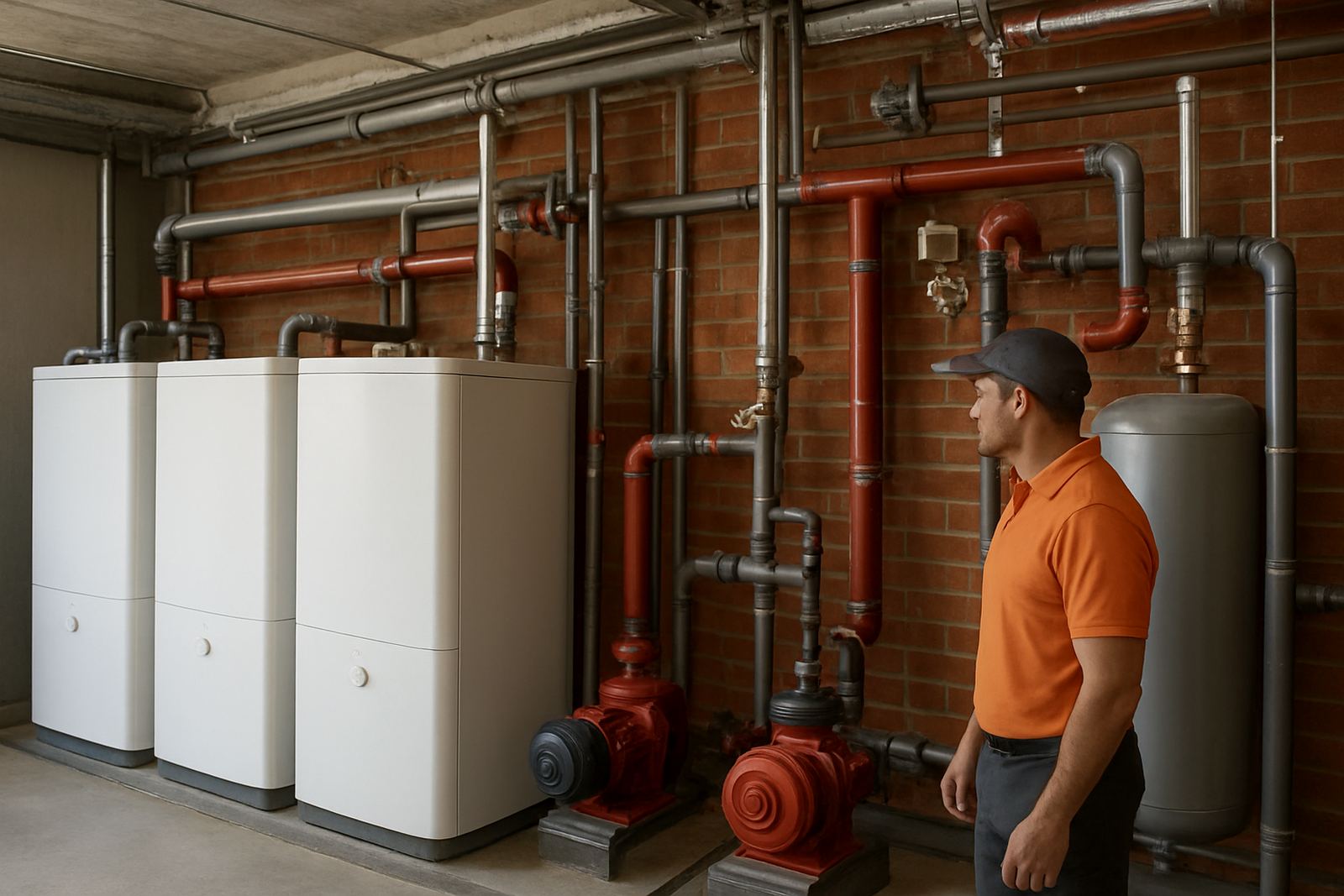
Ai-TEC supplied replacement calorifier equipment sized for the actual demand profile on site rather than a guess based on old plant capacity. The new arrangement included hot water storage and indirect heating components selected to improve recovery time and give the facility more stable outlet temperatures through the busy parts of the day. We also reviewed the circulation arrangement so the system would respond faster at the points furthest from the plant room.
Along with the main equipment, we supplied the ancillaries needed for safe operation and better control, including isolation valves, temperature controls, pressure safety items and pipework modifications where the existing layout no longer made sense. The team also checked insulation and lagging on the exposed runs because heat loss in a hospital plant room quickly adds up on the electricity bill and places more strain on the heating source.
- Replacement calorifier plant matched to actual peak demand
- Improved circulation for faster hot water delivery
- New control and safety components fitted
- Pipework alterations to suit the revised layout
How the Work Was Done Over Four Weeks
The project ran over four weeks from final measurement to commissioning. Week one covered detailed survey work, confirmatory drawings and procurement. Week two was used for removal planning, isolation preparation and prefabrication of connection sections in our Jet Park base. Week three covered delivery, old equipment removal and installation of the new calorifier line-up. Week four was for pressure testing, flushing, water treatment support and final handover.
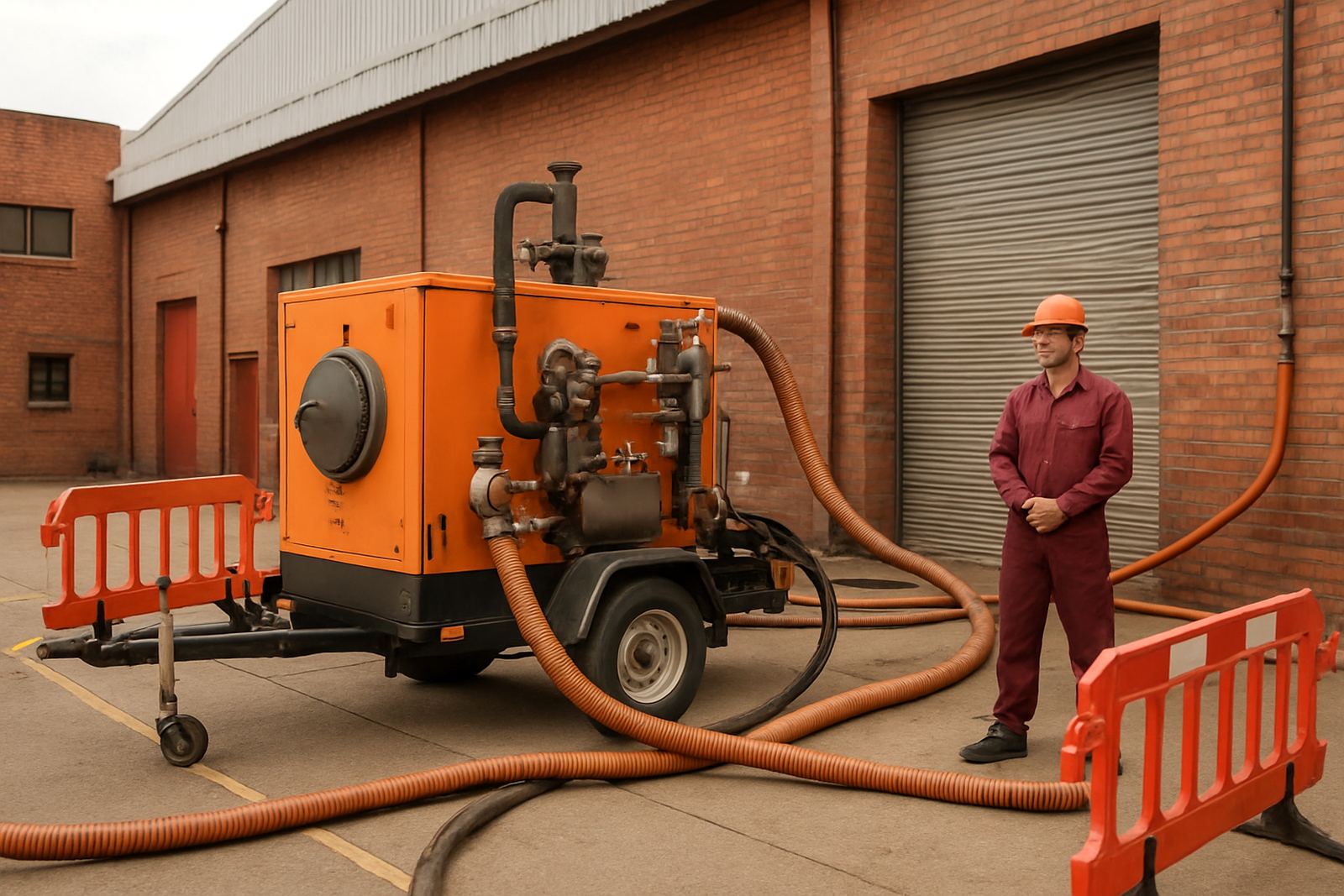
The actual cutover was scheduled during a low-demand window and coordinated with the hospital’s maintenance team. We had to work cleanly and keep the area controlled because this was an active healthcare site with moving staff, patients and support vehicles. The sequence mattered. Drain down, remove, position, connect, test, then bring the system back online in stages so any issue could be caught early without affecting the whole site.
- Project duration: 4 weeks
- Prefabrication completed offsite to reduce onsite time
- Staged recommissioning to limit disruption
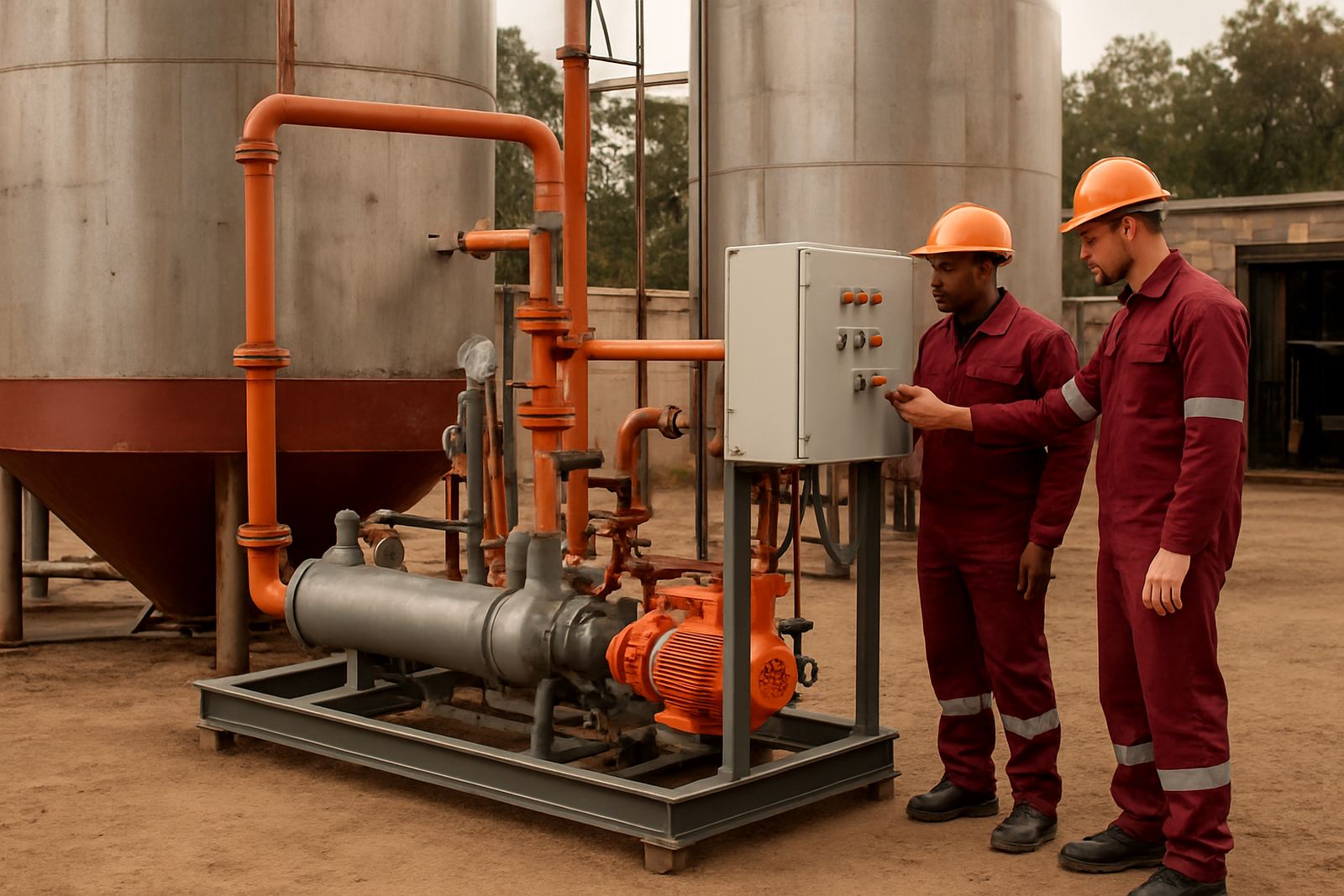
- Final checks done with the maintenance team present
Results After Commissioning
Once the new calorifier plant was commissioned, the improvement was clear. Recovery time dropped, temperature stability improved and the site stopped chasing hot water outages, especially during the morning peak. The maintenance team had better control over the system and fewer manual interventions were needed to keep the plant performing.
From an operating point of view, the main gain was reliability. That matters in healthcare because hot water is not a comfort item, it is part of daily clinical hygiene and cleaning support. The new setup also gave the site a better base for scheduled maintenance, since valves, controls and water quality can now be checked before they become a problem. In practical terms, the site got a plant room that could keep up with demand instead of limping through it.
- Faster hot water recovery after peak use
- More stable outlet temperatures
- Fewer service interruptions for staff
- Lower risk of unplanned downtime
What We Would Repeat On The Next Upgrade
If we were doing this type of hospital upgrade again, we would keep the same approach: survey properly, prefabricate as much as possible, and plan every shutdown around the site’s live operating hours. That is the part that saves the client trouble. It is also worth spending time on water treatment from day one, because a clean calorifier system lasts longer and performs better than one that is left to scale up.
We would also keep the commissioning plan simple and documented. In a healthcare environment, everyone needs to know which valves are live, which circuits are still isolated and who is signing off each stage. A neat installation helps, but a clear handover helps more. That is how you avoid callouts two weeks later for a fault that could have been spotted on day one.
- Do a full site survey before specifying replacement plant
- Prefabricate where possible to shorten onsite disruption
- Coordinate shutdowns around the hospital schedule
- Put water treatment and handover checks into the plan from the start
Key facts
| Project | Boksburg Hospital Upgrade |
|---|---|
| Site type | Healthcare facility |
| Location | Boksburg, Gauteng |
| Scope | Replacement calorifier plant and associated controls |
| Timeline | 4 weeks |
| Outcome | Improved recovery time and reduced hot water outages |