When the plant still works, but not well enough
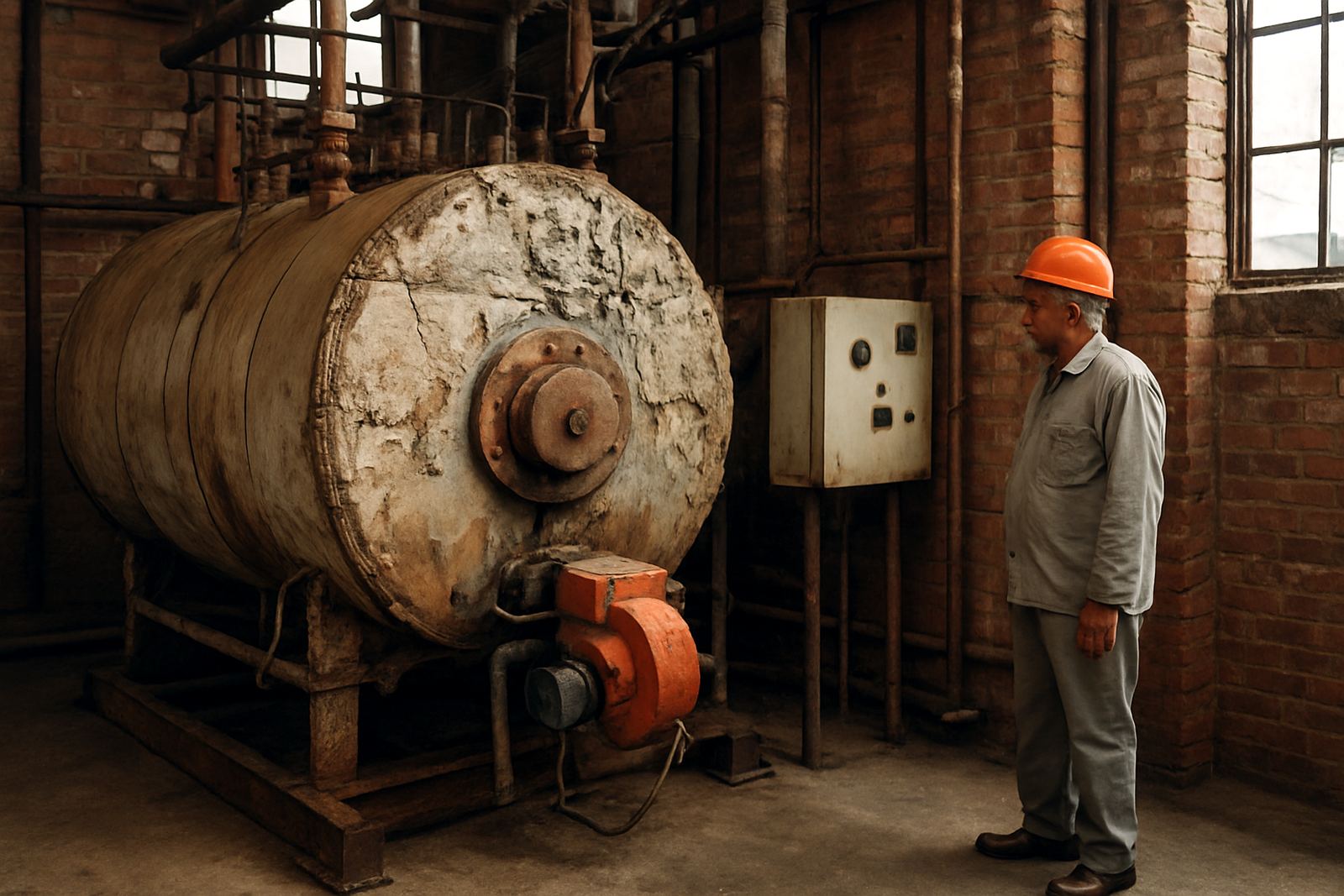
The first sign is usually not a total breakdown. It is a unit that keeps running, but needs more fuel, more attention and more unplanned stoppages to do the same job. On a boiler or calorifier, that may show up as long heat-up times, uneven output, noisy operation or a stack of small repairs that never quite solve the real issue.
If the shell, pressure vessel, casing or core structure is still sound, refurbishment can give you a proper return without the cost and disruption of full replacement. In many Gauteng plants, especially in food prep, light manufacturing and laundry operations, that matters more than starting over with new plant and new pipework.
- Fuel use has climbed but production has not
- Controls are dated, but the main unit is serviceable
- Breakdowns are short, yet frequent enough to upset shifts
- Technicians keep replacing the same worn parts
The cost test: repairs piling up faster than value
A useful rule is to compare the last 12 months of repair cost with the cost of a proper refurbishment and with the cost of replacement. If you are already spending heavily on tubes, burners, sensors, valves, insulation, refractory or wiring, the plant is telling you something. The question is whether that spend is fixing the root problem or only keeping the unit alive for another month.
Refurbishment starts making more sense when the equipment still has a solid frame and the required output has not changed much. In many cases, the plant can be stripped, inspected, repaired and recommissioned for far less than buying a new set-up and reworking the full installation.
- Repeated callouts for the same fault
- Escalating spares costs year after year
- More overtime just to keep service running
- Old controls causing poor combustion or temperature drift
Age matters, but condition matters more
Age alone is not the full story. We still see units that are old on paper but mechanically worth saving, and newer units that have been run hard, poorly treated or exposed to bad water conditions. In coastal humidity, poor condensation control or untreated make-up water can age equipment much faster than the calendar suggests. In Gauteng, dusty conditions, load shedding related cycling and rushed restarts can also wear systems faster than expected.
A proper inspection should check what can be saved and what cannot. That includes steel thickness, tube condition, burner train performance, insulation, pumps, instrumentation, safety devices and the quality of the water treatment history. If the critical components are still repairable, refurbishment is often the practical route.
- Pressure parts are still within acceptable limits
- Tube replacement is possible without major redesign
- Controls can be upgraded without changing the full plant
- Support steel and ancillaries are serviceable
Signs your site should refurbish before it replaces
Some warning signs point clearly toward refurbishment rather than a straight swap. If your plant room layout still works, the flue route is usable, and the production demand has not doubled, then replacing everything may create unnecessary cost and downtime. This is common in hospitals, processing sites, hotels and commercial buildings where the system can be improved in stages.
One of the biggest clues is when the trouble sits in support systems rather than the main vessel. Faulty combustion settings, worn insulation, failed pumps, weak instrumentation, scaling, corrosion and damaged refractory can all make a good unit perform badly. Fix the right layer first.
- Heat output is poor, but the main casing is still sound
- There are hot spots, scaling or soot build-up
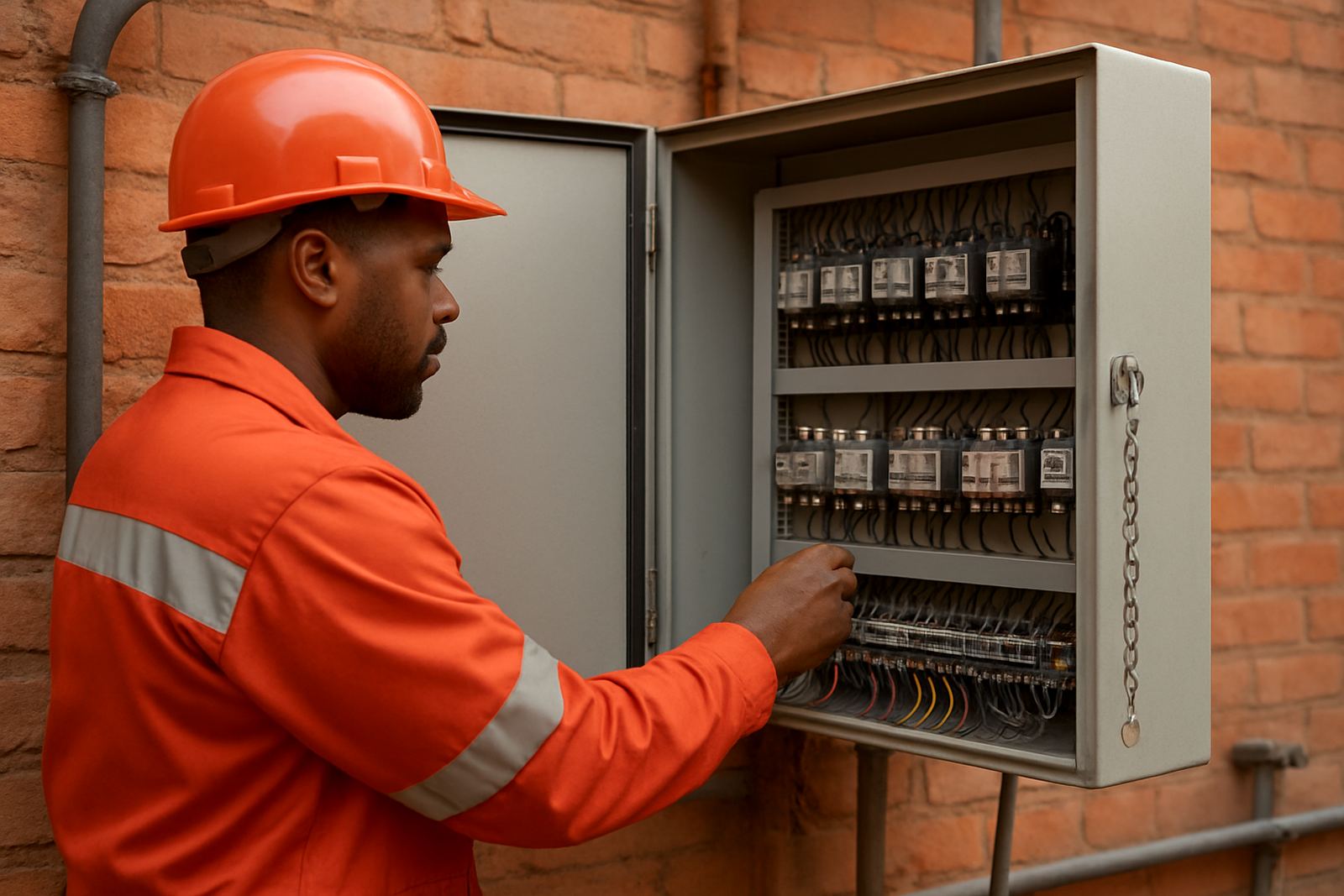
- Control panels and safeties are dated or unreliable
- Operators can keep the plant going with manual intervention
Refurbishment works well when downtime must be controlled
For many businesses, the biggest cost is not the repair itself. It is the shutdown. A full replacement can mean new foundations, altered pipework, fresh electrical work, compliance checks and longer commissioning. Refurbishment can often be staged so the site stays running while key sections are handled in sequence. That is especially useful for premises with limited backup capacity or tight production windows.
A Jet Park client with process heating had a unit that was still structurally sound, but fuel use was high and service interruptions were becoming regular. Rather than remove the complete system, the site chose a controlled refurbishment. The work was planned around production hours, and the plant was returned with better combustion, repaired insulation and renewed service life without the full interruption that a complete replacement would have caused.
- Work can be planned around shifts or weekends
- Critical services do not have to stop for long periods
- Commissioning can be done in phases
- Risk is easier to manage on busy sites
What a sensible refurbishment normally includes
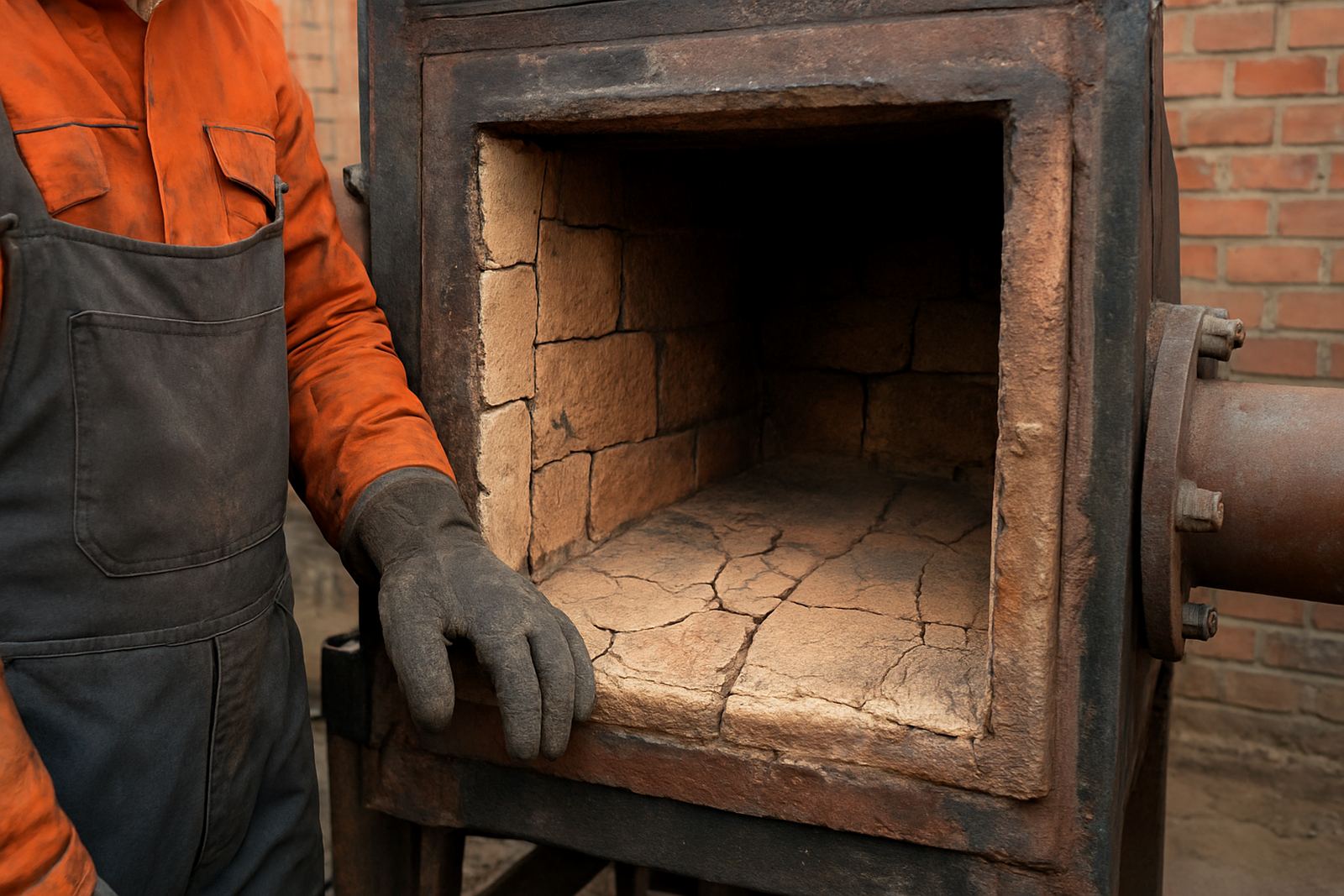
A proper refurbishment is more than a paint touch-up and a few spare parts. It should start with inspection, then move to cleaning, repairs, tuning and testing. On boilers, calorifiers, inline heaters and incinerators, that may include combustion tuning, refractory relining, water treatment support, control upgrades, pump repairs, new gaskets, valve replacement and full operational checks. The aim is to restore dependable performance, not just to get through the next inspection.
Where needed, annual inspections and condition reports should guide the scope. If corrosion, scaling or poor water quality caused the damage, those issues must be addressed or the same failure will return. Refurbishment is only worthwhile when the root cause is fixed too.
When replacement is the better call
There are times when refurbishment is not the right answer. If the pressure parts are badly wasted, the structure is no longer sound, or the site’s demand has changed beyond what the old plant can reasonably handle, replacement may be more cost effective. The same applies where compliance upgrades would require so much alteration that the old equipment no longer offers value.
As a rule, if the plant cannot be made safe, efficient and supportable for the next few years, then replacing it is the cleaner decision. But when the base equipment is still good and the trouble sits in wear items, controls or service history, refurbishment usually gives the better return.