Why small cracks matter in boilers and high-heat plant
Refractory is there to hold heat where it belongs and protect the steel behind it. Once it starts cracking, the lining can lose insulation value, hot spots can form, and the surrounding shell may begin to overheat. On boilers, calorifiers, inline heaters and incinerators, that can mean higher fuel use, more frequent trips and in some cases damage that spreads far beyond the first crack.
In Gauteng plants, we often see this after repeated stop-start cycles, poor burner tuning, or water leaks that let moisture into the lining. A crack does not always mean a full rebuild is needed, but it does mean the unit should be checked properly and soon.
Visual signs that usually show refractory trouble
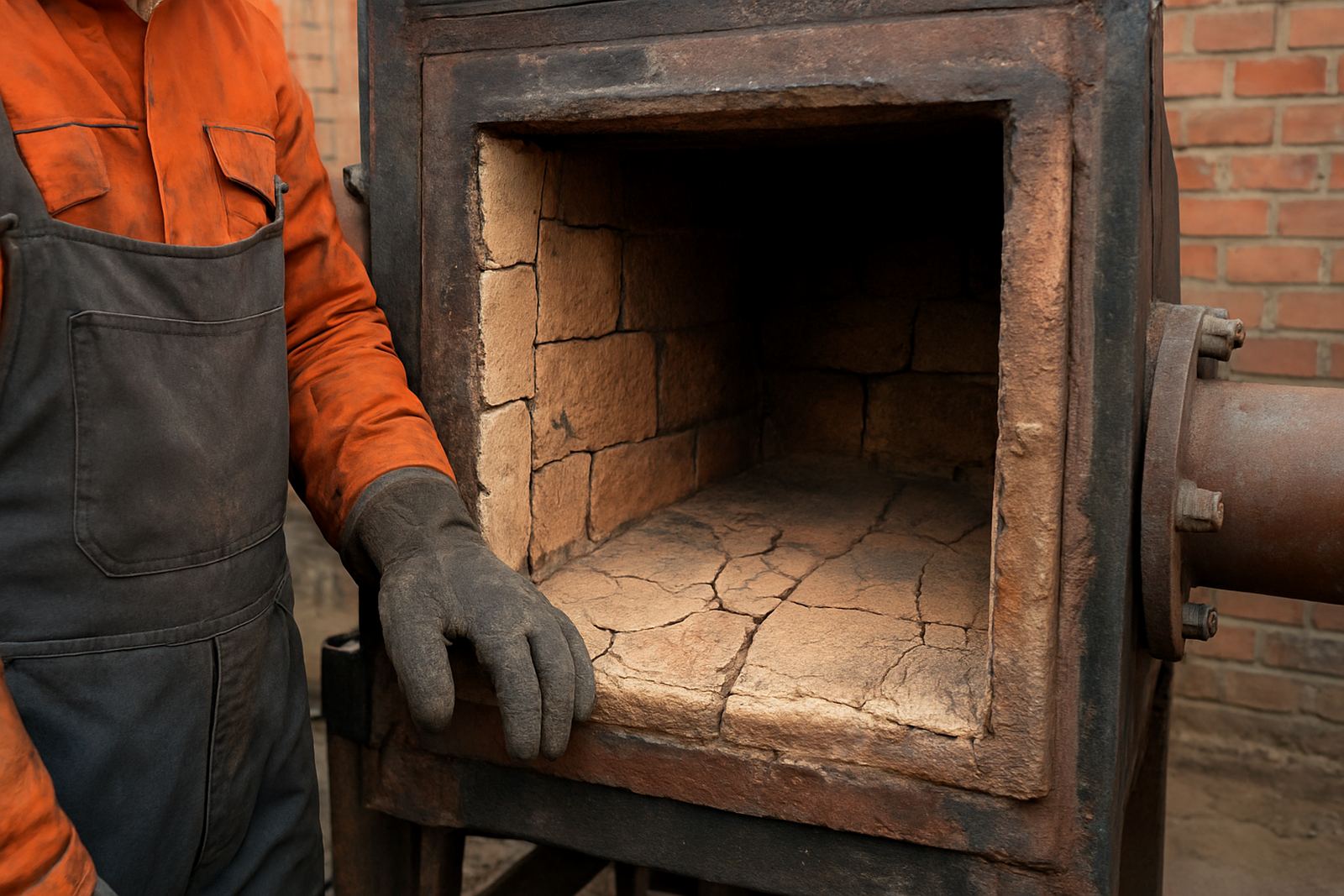
The first warning is often seen during a routine walk-around or inspection with the unit cold. Some cracks are hairline and stay stable for a while, while others open and close with heat. Either way, there are a few signs that should never be ignored:
- Hairline cracks that run across joints or around access openings
- Chunks breaking away at edges, burner tiles or door surrounds
- Discolouration on the outer casing from heat escaping
- Dusty debris below the unit after firing cycles
- A fresh smell of hot insulation or a patch that seems hotter than the rest
If the crack is wide enough to catch a fingernail, or if the lining is bulging, it is past the stage of simple monitoring. That usually means movement inside the lining or loss of bond to the base material.
What crack patterns tell you about the cause
Cracks do not all mean the same thing. Straight cracks along a joint may point to normal expansion, but if the pattern becomes stepped, spidered or uneven, there may be deeper trouble. Thermal shock is common where plant is brought from cold to full load too quickly. Moisture damage can also show up after cleaning, rain ingress or a water leak near the casing.
In some older plant, repeated repairs over the years create hard spots beside softer material. When the unit heats up, each section moves differently and the crack opens again. That is why patching the visible face alone often gives only a short life.
- Uniform fine cracking can be normal ageing
- Widening cracks after heat-up suggest movement or poor anchoring
- Localised cracking near burners can point to flame impingement or poor combustion
- Cracks with rust staining may mean water ingress or hidden corrosion
Signs the problem is already affecting performance
Once refractory wear starts affecting the way the plant runs, the signs are easier to spot. Burners may need more frequent adjustment. Fuel use rises for the same output. Doors, peep holes and inspection ports may run hotter than before. In some cases operators notice the unit taking longer to come up to temperature, which is a sign that heat is escaping where it should not.
On incinerators, damaged lining can also upset burn temperatures and odour control. On boilers, hot spots can cause metal distortion, gasket failure or repeated seal problems. These are not small issues when the plant is carrying production, sterilising duties or hot water demand through the shift.
A practical example from a Boksburg plant
At a food-processing site near Boksburg, operators reported a faint burning smell and a warm patch on one side panel after start-up. The boiler was still running, so the fault had been left for a few weeks. When the lining was opened, there was a crack behind the burner throat and a section of refractory had shifted slightly away from the backing. The visible crack on the outside looked minor, but the inner face had already started to break down.
Because the issue was found before the shell overheated, the repair was limited to targeted refractory replacement, a combustion check and a full re-commissioning test. If it had carried on unchecked, the site would likely have faced a longer outage and more expensive steel repairs.
What to do when you spot a crack
Do not keep adding load and hoping the lining settles down. Log the crack, note the date, and check whether it changes after a heating cycle. If there is visible movement, hot casing, debris, or repeated cracking in the same place, the unit should be taken up for inspection by a technician who works on heat plant and refractory systems.
- Switch the unit to a safe condition if the outer casing is overheating
- Record the location, size and shape of the crack
- Check for water leaks, burner faults and excessive cycling
- Arrange inspection before the next production peak or cold front
Early action usually saves money. It also reduces the chance of unplanned downtime during load-shedding periods when backup heat and hot water are already under pressure.
How regular inspections help extend refractory life
Routine inspections should include the lining, anchors, doors, burner zones and any joints that move during heat-up. Annual inspections are useful, but higher-use plant may need checks more often, especially where coastal humidity, chemical washdown or frequent starts are part of the job. A good maintenance plan also includes combustion tuning, water treatment support and proper record keeping so changes can be tracked over time.
For sites in Gauteng and across the country, the aim is not to wait for visible failure. It is to catch early movement before a small crack becomes a shut down. That approach protects the equipment, the budget and the team trying to keep the plant running.