Why idle equipment needs a fresh start plan
When a boiler, calorifier, inline heater or incinerator has been sitting idle, the risk is not just dirt and dust. Seals dry out, moisture builds up in low points, scale settles in the vessel and controls can drift out of calibration. In Gauteng we often see idle plant that has been left through a shutdown, a seasonal drop in demand or a tenant change, then rushed back into service when production picks up again.
The first mistake is treating an idle unit like one that was only switched off yesterday. A proper start up after idle should include a visual inspection, mechanical checks, water side checks and a controlled light up or energising sequence. If the plant is in a coastal or humid area, or has been in a dusty plant room near the coast, the checks need even more care because corrosion and salt carry-over can move faster than people expect.
Inspect the plant room before you touch the burner or elements
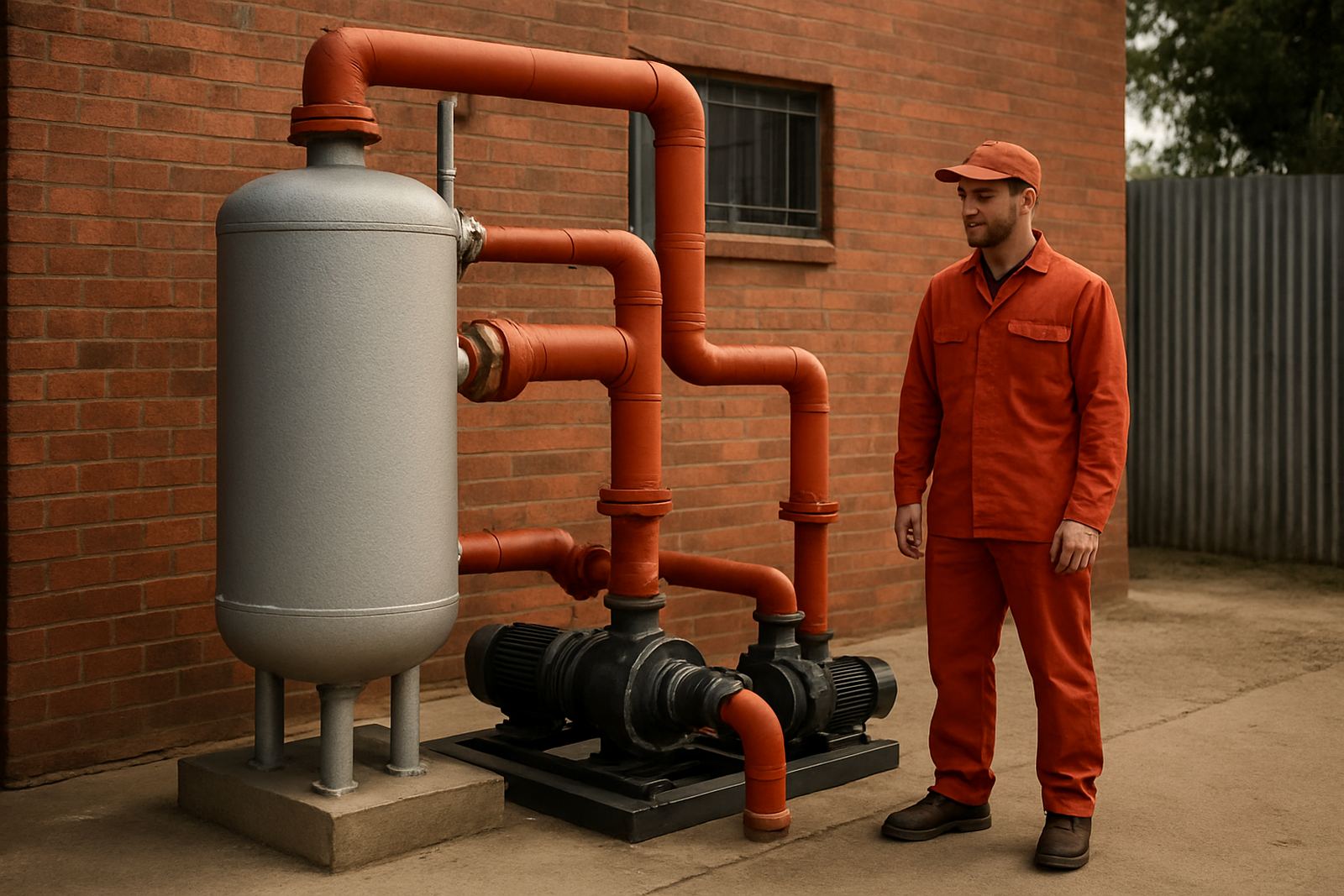
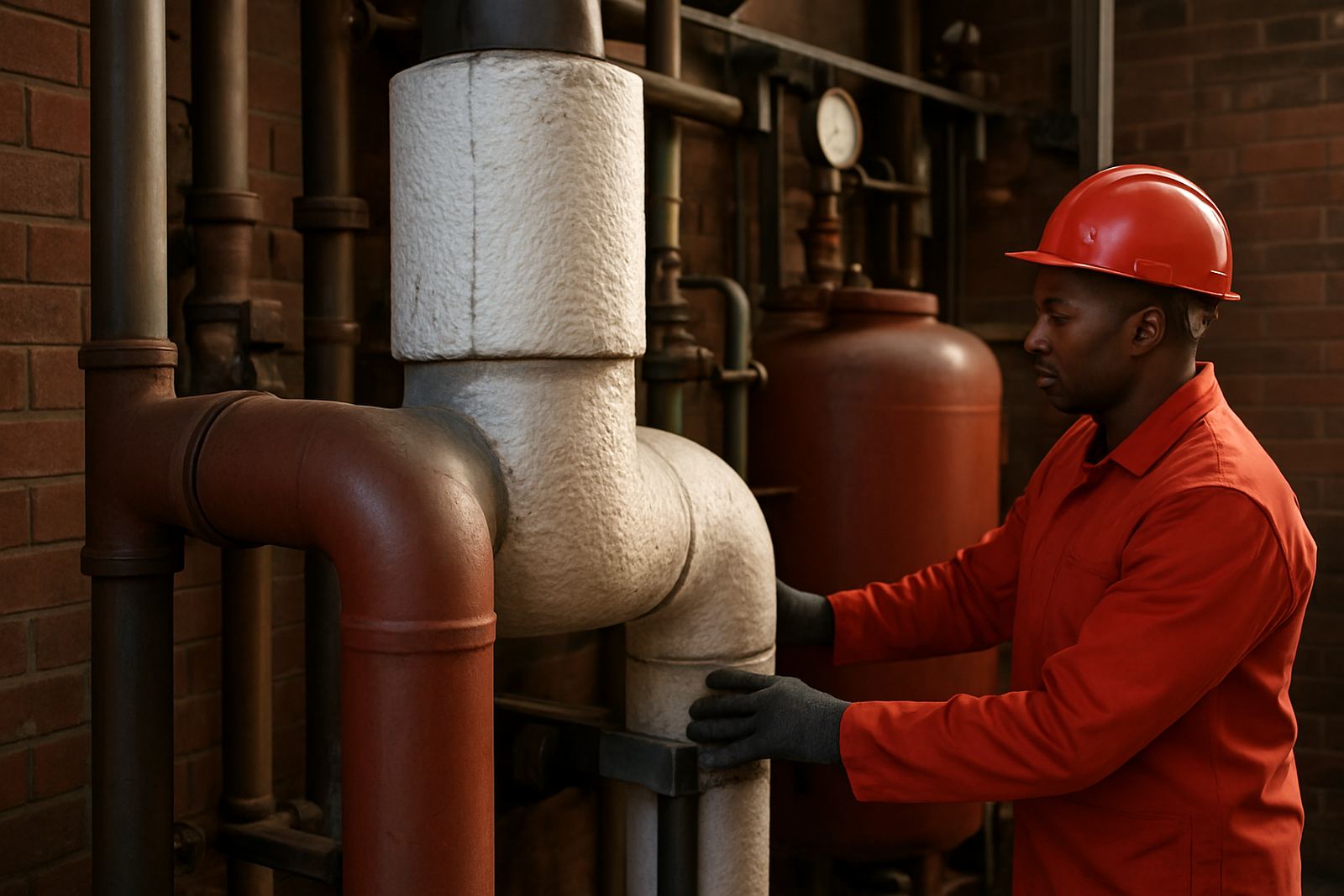
Start with the space around the equipment. Look for leaks, standing water, blocked vents, loose insulation and any sign of vermin or debris inside the casing. Check that the access around the unit is clear so maintenance staff can reach valves, sample points and inspection covers without moving stock or tools out the way at the last minute.
It also pays to confirm the basics that are easy to miss during a shutdown. Is the gas supply still live and correctly labelled? Are the electrical isolators sound after any load-shedding event? Has anyone locked off the plant for other work? A quick walk-through can save a lot of trouble later, especially on sites where more than one contractor has been working in the same area.
- Check for water leaks on pipe joints, flanges and pump seals.
- Confirm venting and combustion air paths are open.
- Inspect cable glands, control panels and emergency stops.
- Make sure all safety signs and access notices are still in place.
Treat the water side as the main risk
On most idle systems the water side is where the trouble starts. If the unit was drained, partly drained or left with poor water treatment, scale, sludge and oxygen corrosion can build up quickly. That can affect heat transfer, cause hot spots and shorten tube life. In a calorifier the result may be poor hot water recovery. In a boiler it may mean slow steaming, unstable pressure or repeated trips.
Before start up, test the water quality and compare it with the system requirements. Flush low points if needed and remove any sediment from strainers or blowdown points. If chemical treatment has been off line, do not simply refill and hope for the best. Get the treatment back into spec, then retest after circulation. We have seen plants in Midrand and Boksburg where a unit looked fine from the outside but the sample point told a very different story.
- Check pH, hardness, conductivity and dissolved solids.
- Inspect automatic dosing equipment and chemical tanks.
- Flush dead legs and sample lines before final testing.
- Confirm feed pumps, valves and level controls are working.
Burners, elements and controls must be tested in sequence
For fuel fired boilers and heaters, the burner assembly needs a careful inspection before any ignition attempt. Clean or replace dirty nozzles and strainers, check ignition components, verify flame supervision and test safety interlocks. On electrical heaters, inspect elements for damage, measure insulation resistance and confirm contactors and thermostats are operating correctly. Never bypass a fault just to get heat back on line quickly.
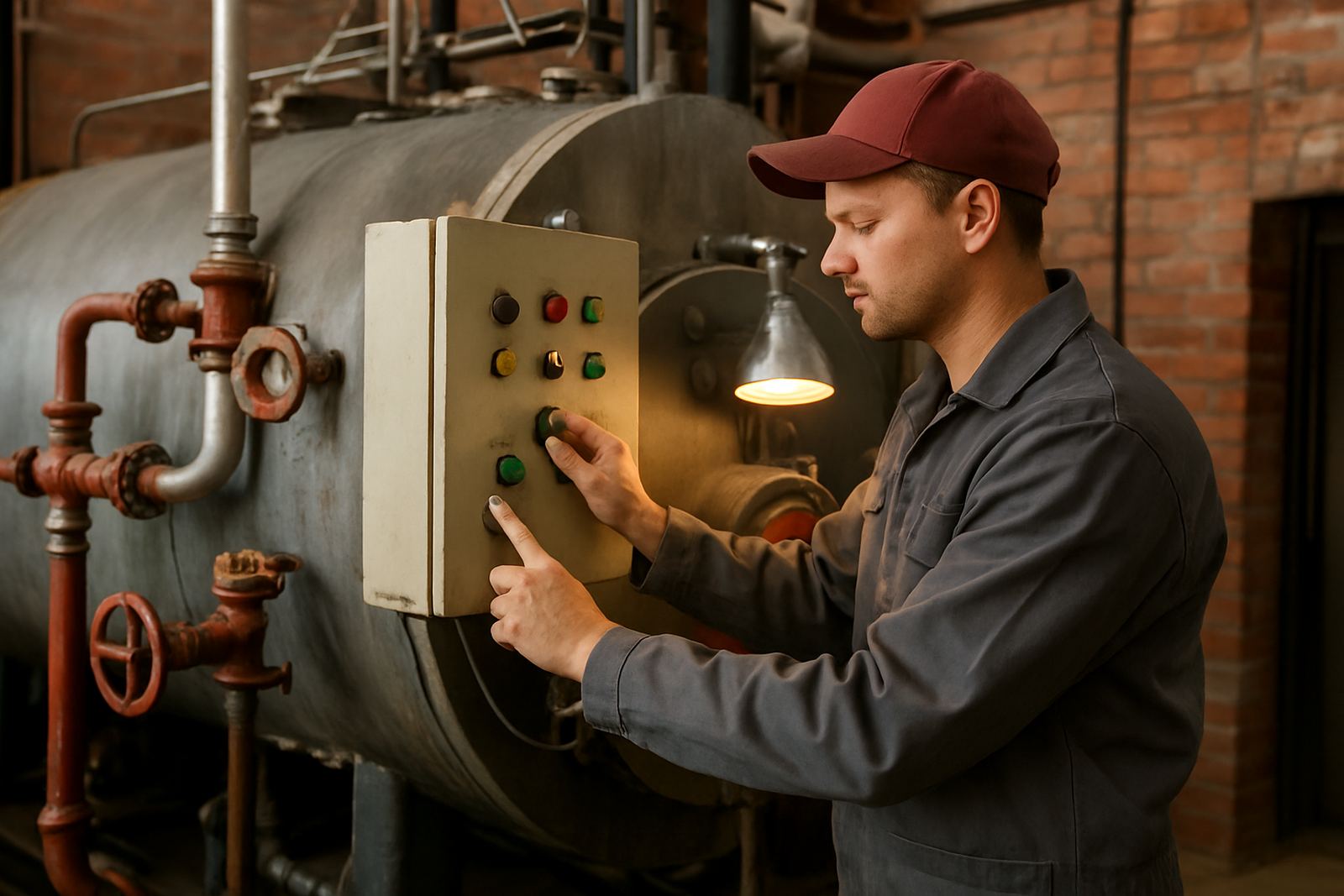
Controls should be tested one by one, not all at once. That includes pressure switches, level probes, temperature controls, high limit devices and shutdown circuits. A simple control fault can become an expensive callout if it is only discovered once the plant is already under load. If the unit has a PLC or control panel, confirm that alarms are clear and that set points match the current process requirement, not last season's settings.
Warm through slowly and watch the first hour closely
The first hour after start up tells you nearly everything. Bring the system up slowly, watch for unusual noise, vibration, odour or cycling, and stay close enough to catch a fault before it grows. Let the equipment reach stable operating temperature and pressure in steps, then recheck the water level, blowdown function, pump operation and all visible joints. On bigger plants, assign one person to watch the gauges while another walks the line for leaks.
If the unit has sat idle for a long time, plan for a second inspection after it has cooled slightly. Gaskets may settle, bolts may relax and previously hidden leaks can appear once the system is hot. That is normal enough, but it should be corrected before the plant is handed back to production. A hurried handover often creates a repeat visit two days later, and nobody needs that when schedules are already tight.
A Johannesburg factory example that got the timing right
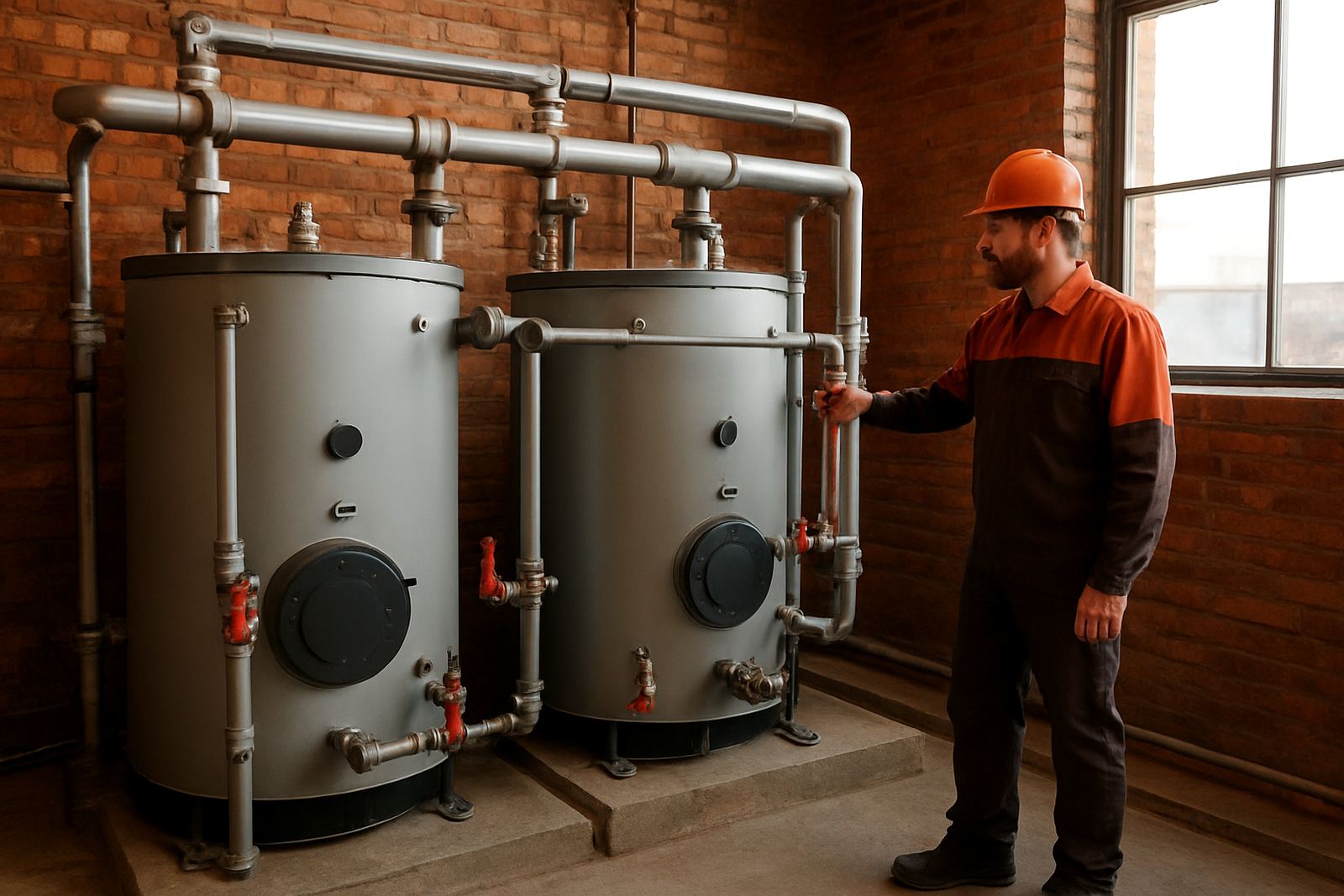
A fabrication client in Germiston had two boilers and a calorifier standing idle over a long shutdown while building work went on around the plant room. Before restart, the team checked water quality, replaced tired gaskets, cleaned the burner train and verified the safety controls. They also tested the feedwater system because the site had suffered a few load-shedding interruptions and the pumps had not run in weeks.
When the plant came back online, the first unit started cleanly, but a blocked strainer on the second line would have caused a trip within minutes. It was caught during the pre-start checks, so the plant did not lose a production shift. That is the point of a proper restart routine. It keeps small faults from becoming shutdowns and gives the maintenance team a clear record of what was done before the unit returned to service.
When to bring in a service team
If the equipment was idle for months, if there was a previous fault before shutdown, or if the plant feeds critical hot water or process heat, get a qualified service team involved before restart. That is especially important where municipal inspections, insurance conditions or internal safety rules require written records. A start up report should note the condition of the plant, the checks completed and any parts that were replaced or adjusted.
Ai-TEC supports commercial and industrial boilers, calorifiers, inline heaters and incinerators across Gauteng and nationally from our Jet Park base. Our service teams work in Boksburg, Kempton Park, Germiston, Pretoria, Midrand and Sandton, with emergency callouts, inspections, combustion tuning, refractory relining and water treatment support available where required. If you need the plant checked before it goes back into service, it is better to ask early than to wait for the first fault.