Why Standby Capacity Matters When Downtime Is Not An Option
Critical sites do not have the luxury of waiting for Monday morning. In a hospital, a failed calorifier can affect wards, kitchens and laundries. In a hotel, guests notice cold water before anyone has time to call a meeting. In food processing, a missed heating cycle can spoil a batch and hold up dispatch. Redundancy gives the site a second line of defence, so one piece of plant can carry the load while the other is isolated for service or repair.
In Gauteng, many sites run hard through winter mornings and then take a knock again when the evening peak comes on. Add municipal water pressure changes, electrical interruptions and ageing plant, and the risk climbs quickly. A proper standby setup is cheaper than an emergency shutdown, especially when labour, lost output and after-hours callouts are counted together.
What Redundancy Looks Like On A Real Site
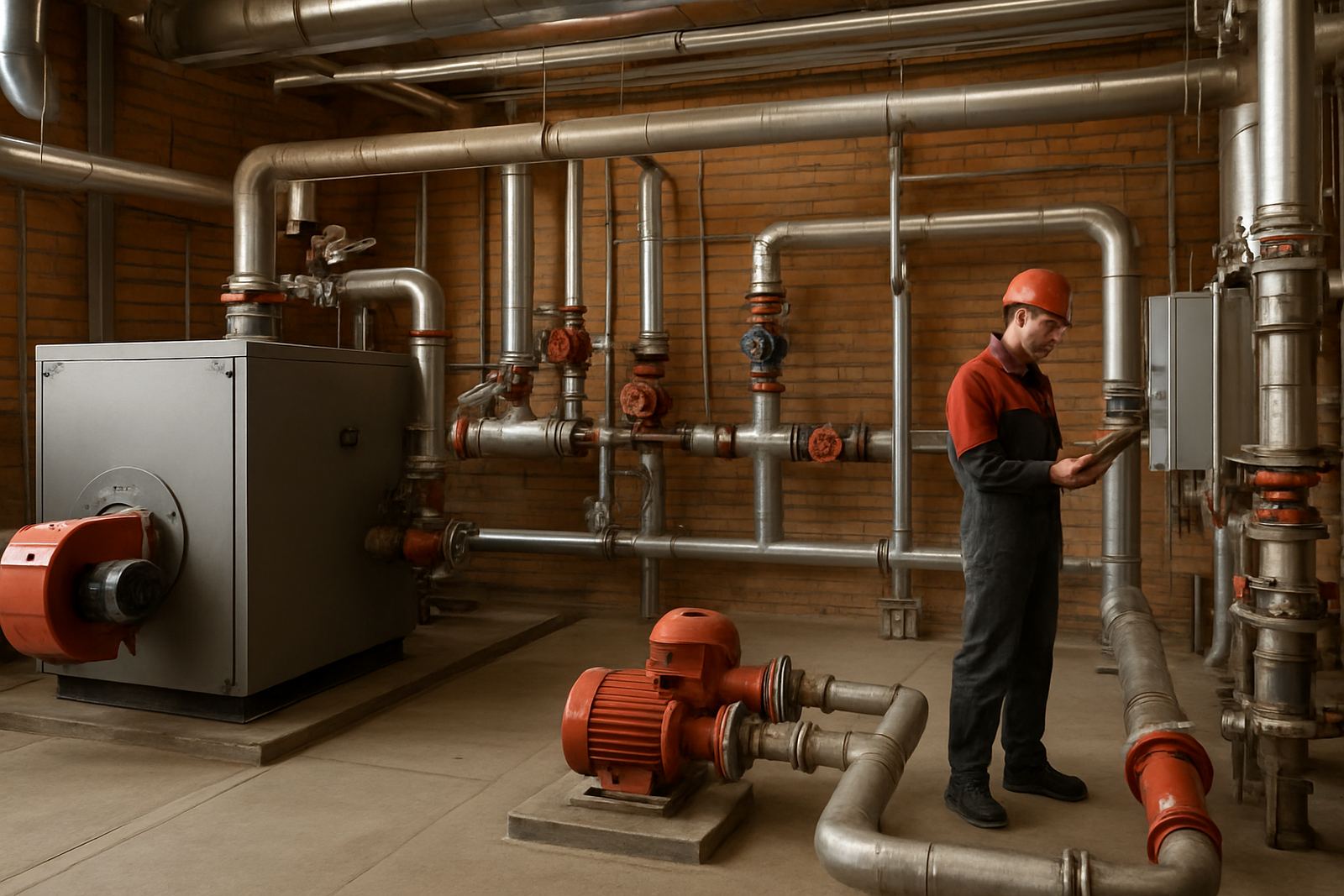
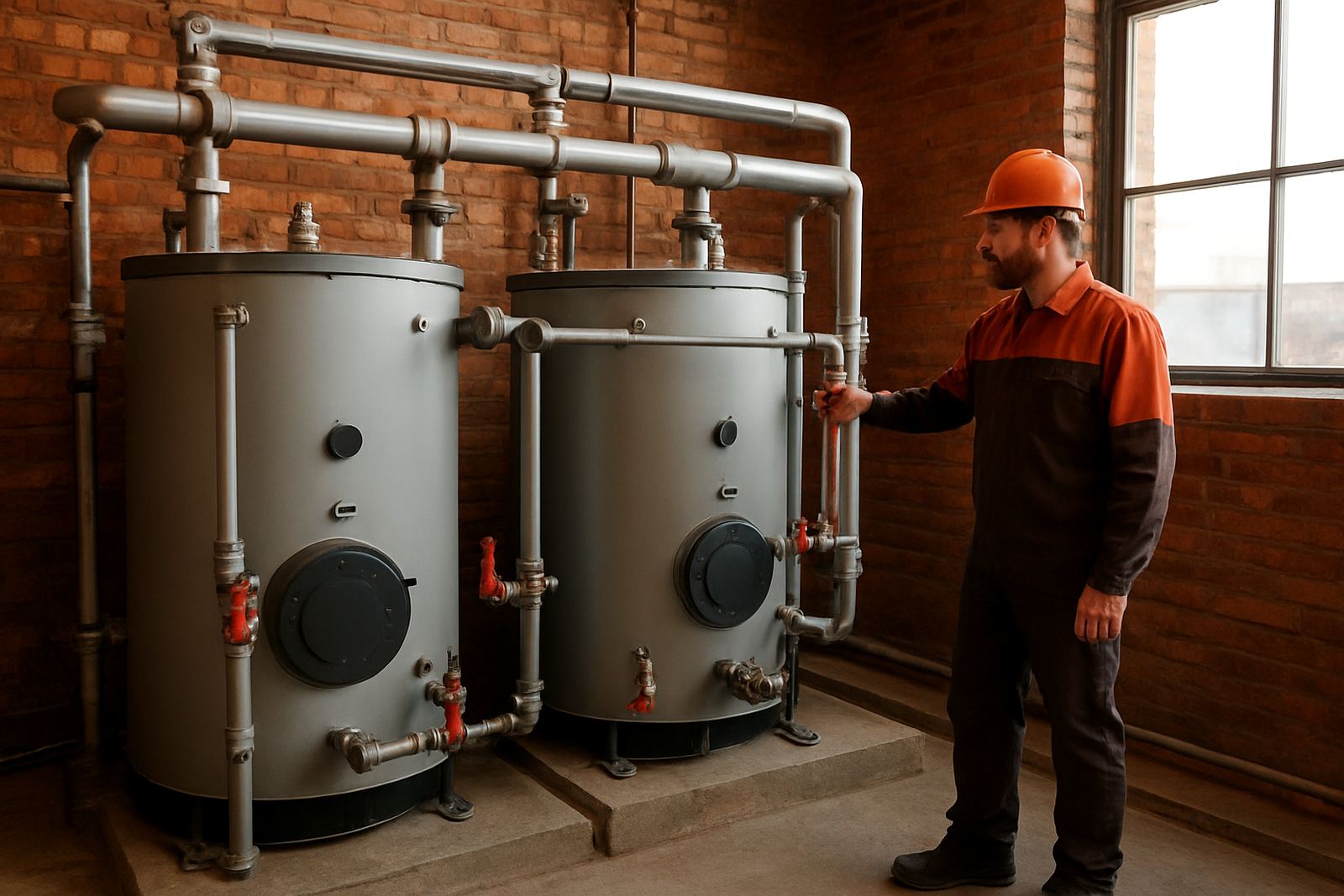
Redundancy does not always mean two identical boilers sitting side by side. It can mean staged boilers, twin calorifiers, duty and standby inline heaters, or a planned bypass that keeps minimum service running while a unit is down. The right answer depends on the load profile, the recovery time needed and how much risk the operation can carry.
- Duty and standby units for full cover on essential loads
- Staged plant that shares run hours and reduces wear
- N+1 planning where one unit can fail without stopping service
- Manual bypasses for short maintenance windows
- Storage capacity to bridge peak demand and short outages
A good design also considers space, flue routes, access for service teams and safe isolation. If plant room access is tight, a beautiful plan on paper can become a headache once a tube bundle needs replacing or a burner must be removed.
Healthcare, Hospitality And Process Sites Need Different Answers
A clinic does not run like a lodge, and a lodge does not run like a factory. Healthcare usually needs stable domestic hot water, reliable sterilisation support and fast response times. Hospitality needs comfort, predictable water temperature and enough recovery to handle check-in peaks, laundry loads and meal times. Continuous process sites care about temperature stability, uptime and safe product flow, often with little room for interruption.
For a hospital or frail care centre, the question is often how long the site can keep running on one unit if the other fails. For a hotel, it may be whether a standby heater can cover the morning rush without guests noticing. For a plant, the issue is usually whether heating can remain within a narrow band while maintenance teams work on the standby side.
- Health facilities need prioritised hot water points and clear isolation valves
- Hotels need fast recovery after multiple rooms and kitchens draw at once
- Process plants need temperature control, alarm response and documented changeover steps
The Weak Spots We See On Older Sites
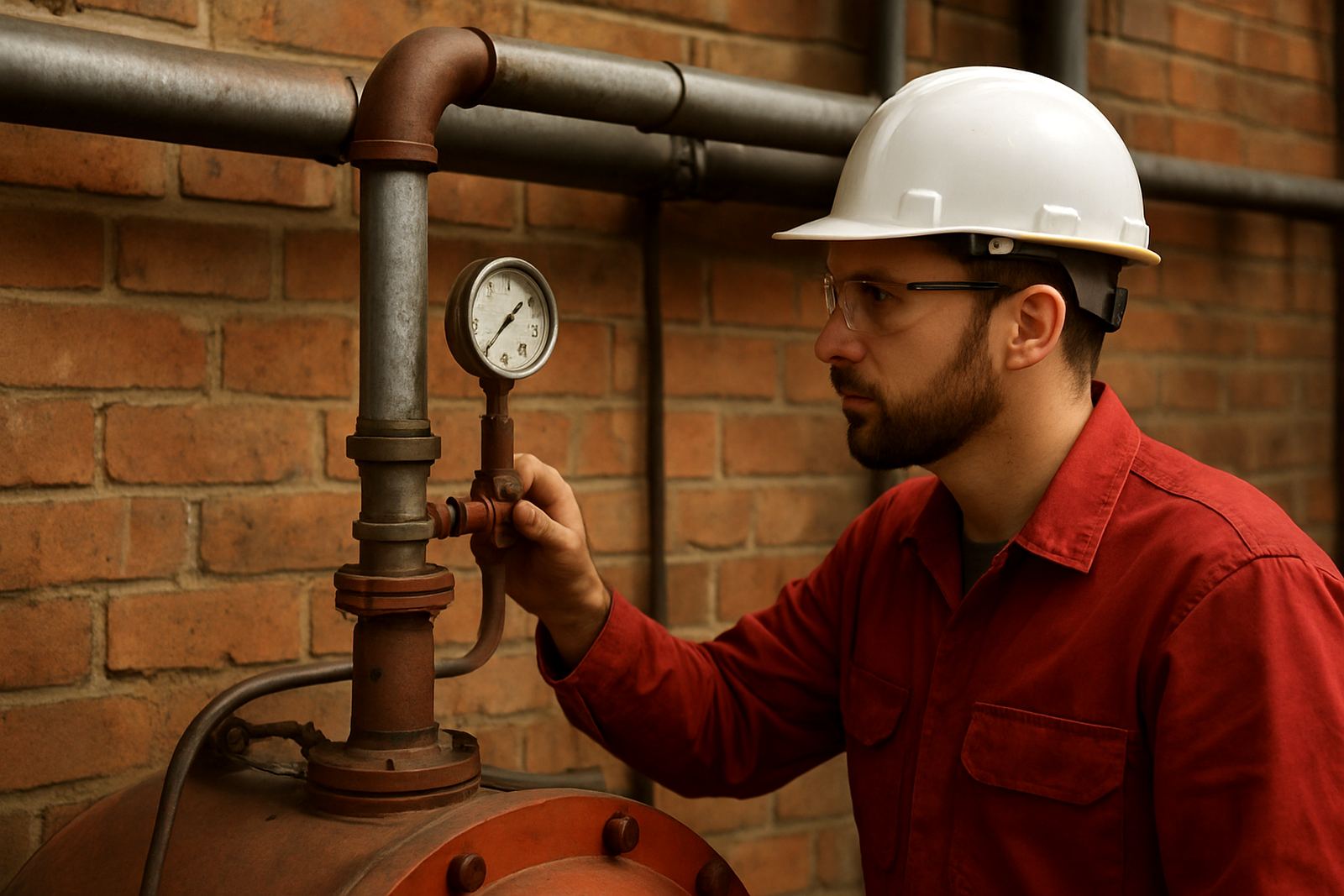
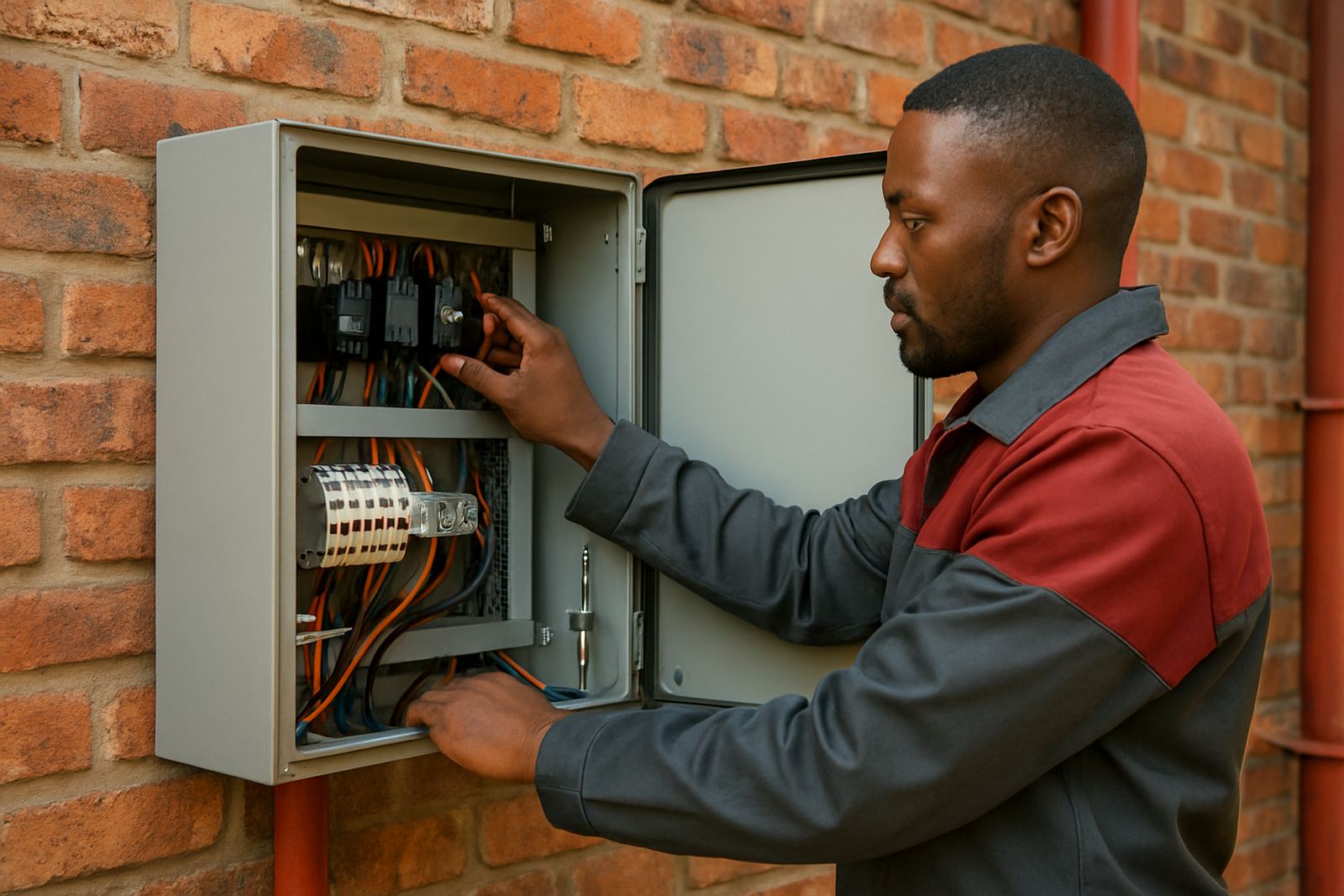
Many sites think they have backup until a failure exposes the gaps. Common problems include valves that have never been exercised, one boiler carrying almost all the run hours, controls that no one can reset after a trip, and calorifiers with no practical way to isolate for cleaning. On some sites the standby equipment is there, but no one has checked whether it can actually take load under pressure.
Coastal humidity, scale build-up and poor water treatment make the picture worse. A unit that looks fine externally may have internal fouling, tired refractories or burner issues that only show when load increases. If the system is only tested during an emergency, the first test becomes an expensive lesson.
- Exercise changeover valves and pumps on a set schedule
- Keep burner settings, safety limits and set points recorded
- Track water treatment, blowdown and inspection findings
- Plan for spare parts that are easy to source in South Africa
A Gauteng Example: Keeping A Busy Site Running Through Repairs
We recently saw a large mixed-use site near Boksburg where the main boiler was carrying most of the load and the standby unit had been left underused for years. The site manager knew there was a risk, but the real problem only showed up when one unit started tripping on flame failure during a cold snap. Instead of a full shutdown, the team moved quickly to test both units, clean the burners, check combustion and balance the duty cycle.
Once the standby unit was proven under load, the site could keep hot water available while repairs were planned in stages. That kind of outcome depends on more than equipment. It needs a service team that understands boilers, calorifiers and controls, plus a coordinator who can line up access, spares and inspection windows without disrupting the whole plant.
What A Proper Redundancy Plan Should Include
Redundancy works best when it is treated as part of the maintenance plan, not as an emergency option. The plan should state which loads are critical, how long the site can run at reduced capacity, and who makes the call to transfer from duty to standby. It should also cover annual inspections, combustion tuning, refractory relining where needed, water treatment support and emergency callouts.
At Ai-TEC, we often find that the best savings come from a small number of practical changes rather than a full replacement. Sometimes the answer is better control sequencing. Sometimes it is restoring the standby unit to proper working order. Sometimes it is planning a plant refurbishment so the site can keep running while the work is done in phases. The point is simple: when the pressure drops, the operation should not.
- Define critical loads and acceptable reduced service levels
- Test changeover under normal working conditions, not only during faults
- Keep service records for boilers, calorifiers, inline heaters and incinerators together
- Build a maintenance calendar around winter demand and shutdown periods