What Recovery Time Really Means On Site
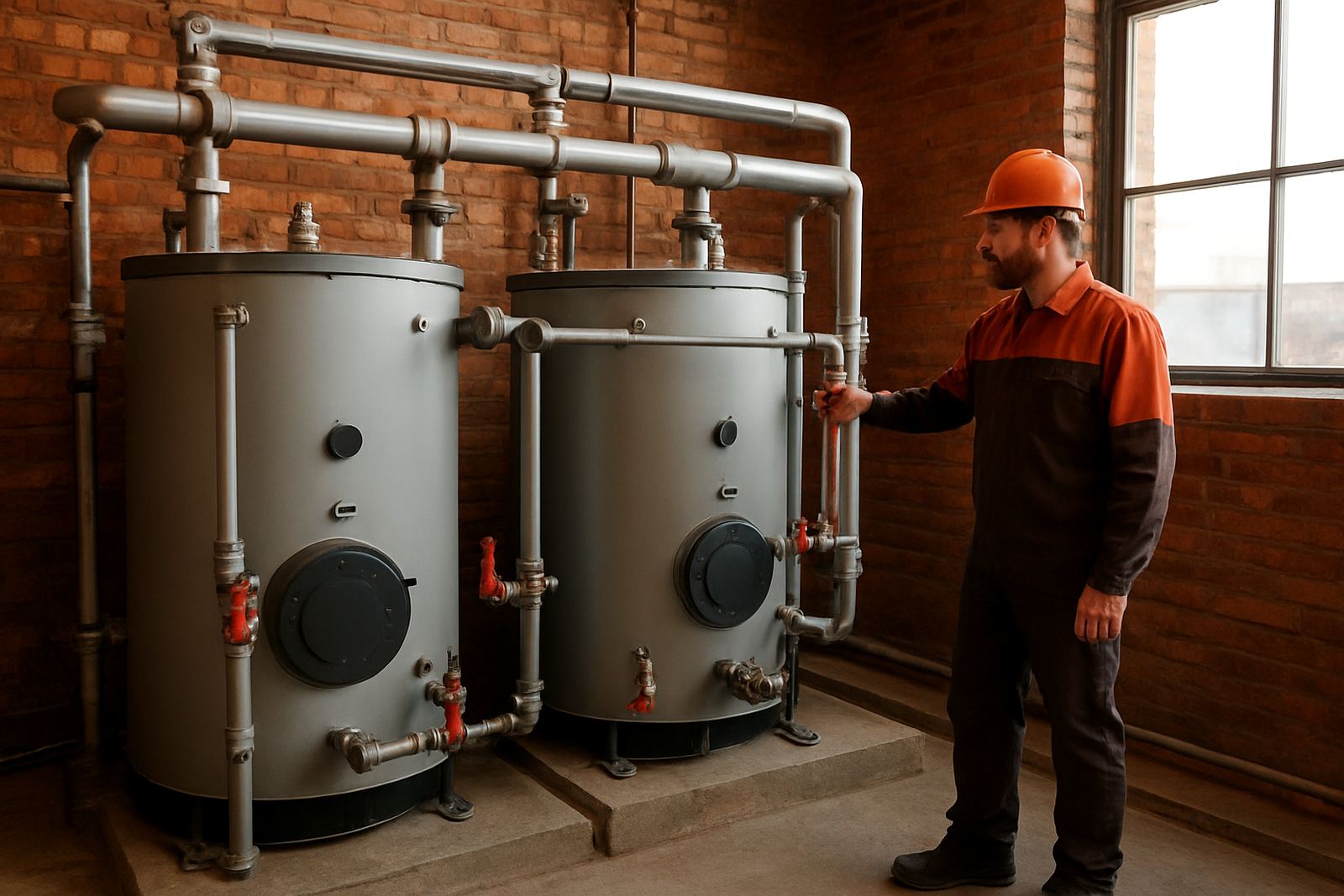
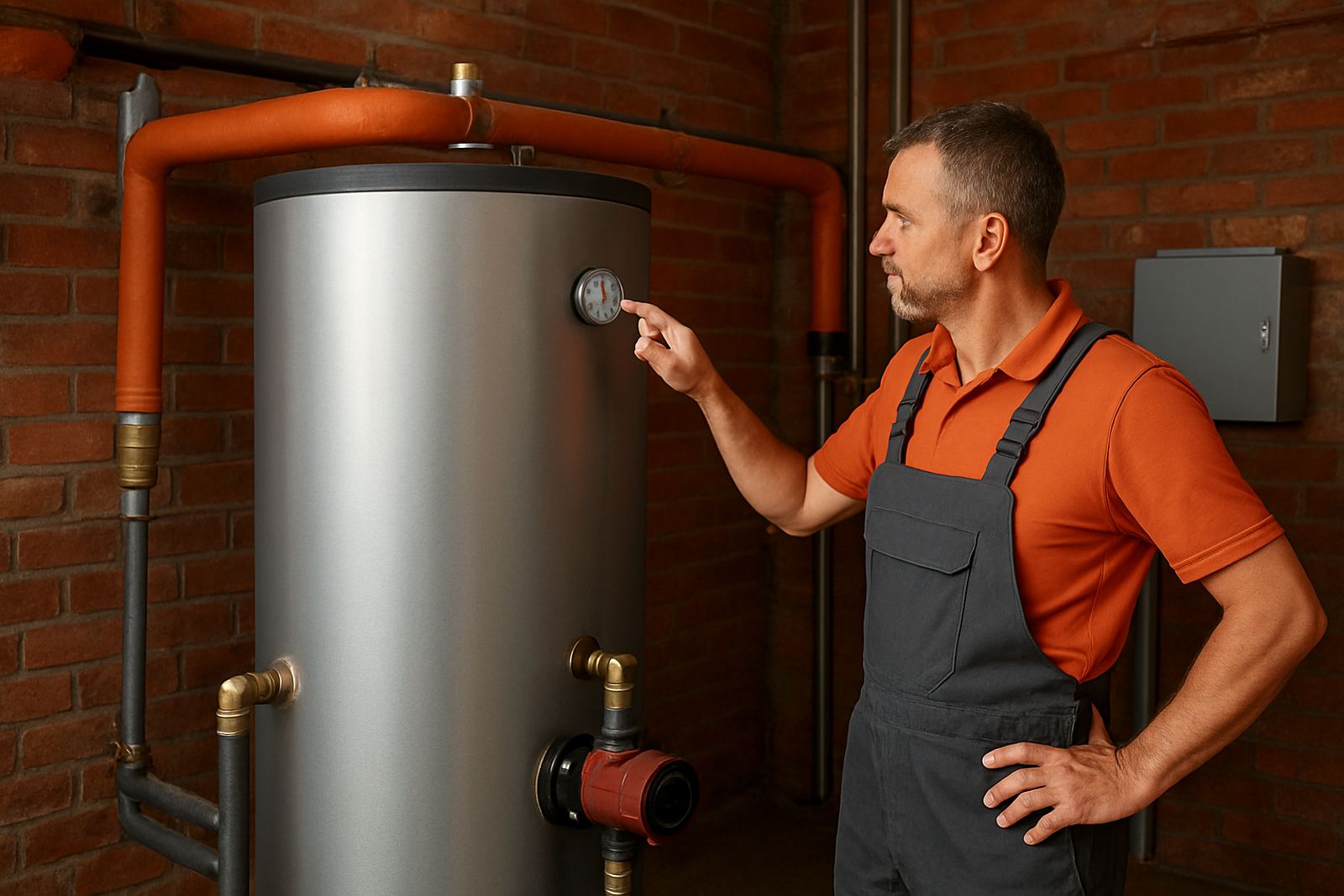
Recovery time is the period a calorifier needs to bring stored water back up to the required temperature after a draw-off. In simple terms, if a wash bay, laundry, kitchen or process line uses a lot of hot water in a short space of time, the tank must recover fast enough to stay useful. If it does not, users feel it immediately as lukewarm water, slower cleaning cycles, or a plant that starts rationing hot water before the shift is over.
On commercial and industrial sites, recovery should always be checked against actual usage and not only the label on the unit. A 500 litre calorifier in a quiet office block has very different demand from a 500 litre unit serving a factory change room, a food area, or a production process that peaks after load shedding when everything restarts at once.
The Three Numbers That Matter Most
Most recovery problems come down to three things: storage volume, primary heat input, and temperature rise. Storage volume tells you how much hot water is available before the tank starts to drop. Primary heat input is the amount of heat the boiler or other heat source can deliver to the calorifier coil. Temperature rise is the gap between incoming cold water and the target delivery temperature. In Gauteng, winter mains water can be cold enough to slow recovery quite a bit, especially on early morning starts.
- Storage size: More litres give a bigger buffer, but they also need more energy to reheat.
- Primary heat: A weak or badly controlled heat source can make a large tank feel small.
- Temperature rise: The colder the inlet water, the longer it takes to get back to setpoint.
If one of these is out of balance, the whole system feels underpowered. That is why a calorifer can look fine on inspection yet still fail at peak demand.
Why Some Calorifiers Recover Quickly And Others Do Not
Fast recovery is not only about having a big boiler. It depends on how well heat transfers through the coil, how clean the water side is, and whether the controls allow the unit to use the heat available. Scale on the coil, sludge in the tank, air locks, poor pumping, and worn valves all steal performance. On older plants, the problem is often not one single fault but a few small losses that add up.
We often see sites where the calorifer itself is sound, but the water treatment has been neglected, or the boiler is cycling badly, or the thermostats are set too low for the actual load. In those cases the unit may recover, but it recovers slower than it should, and the staff keep turning the hot water demand down rather than fixing the cause.
- Scaling on the coil reduces heat transfer.
- Low flow through the primary circuit slows recovery.
- Incorrect thermostat settings can hide a real capacity problem.
- Poor insulation increases heat loss during the day.
Storage Versus Output: Finding The Right Balance
A bigger tank does not always solve a recovery issue. If the primary heat source is too small, a larger storage vessel simply takes longer to reheat after every peak. On the other hand, a high-output heat source with too little storage can still leave users short when demand spikes faster than the system can respond. The best result comes from matching storage to the pattern of use, not from oversizing everything.
For example, a site in Jet Park that runs morning showers, lunchtime kitchen use, and a wash bay in the afternoon may need enough storage to bridge those peaks, plus a primary heat source that can recover during the quiet periods. If the plant only has a short window between demand cycles, then the calorifer needs stronger heat input or a more efficient control strategy. That balance is where many projects go wrong.
Local Example From A Gauteng Industrial Site
A mid-sized manufacturing plant near Boksburg recently reported hot water dropping off after tea break and again after the lunch rush. The calorifier was not undersized on storage, but the recovery was being held back by scale in the coil and a boiler that was short cycling because of poor control settings. The result was predictable: hot water started well, then faded just when the cleaning teams needed it most.
After inspection, the coil was cleaned, the controls were reset, and the plant was given a proper maintenance schedule that included water treatment checks and annual inspection timing. Recovery improved without changing the entire system. That is the point many sites miss. A calorifier often does not need to be replaced, it needs to be understood and maintained properly.
- Check coil condition before changing the full unit.
- Confirm the boiler is delivering stable primary heat.
- Review draw-off times against production breaks.
- Keep records of temperature and recovery after service.
How To Improve Recovery Without Wasting Energy
Good recovery does not mean running the plant harder all day. It means using heat well, keeping losses low, and matching output to demand. Start with insulation on pipework and valves. Then look at setpoints, pump operation, valve condition, and water quality. If the system is operating in a coastal or humid environment, or in a plant with frequent washdowns, corrosion and heat loss can creep in faster than expected. In inland Gauteng the issue is often scale and dust, which also build up over time.
Practical maintenance steps usually give better results than emergency tinkering at 6 in the morning. Keep the calorifier and boiler serviced, flush and inspect where needed, test controls, and make sure the hot water system is included in the annual inspection plan. If there are repeated callouts after load shedding, it may be worth checking the restart sequence, because rapid cycling after power returns can expose weak valves and tired controls. A planned recovery check is cheaper than a production stoppage.
When To Call For A Proper Assessment
If your hot water supply cannot recover between shifts, or if the temperature drops sharply whenever more than one area draws at the same time, the system needs a proper review. That review should cover tank size, primary heat input, circulation, controls, and water condition. It should also include how the site actually uses hot water, not just the design load on paper.
Ai-TEC works with commercial and industrial plants from our Jet Park base and service teams across Gauteng and nationally. For calorifier maintenance, boiler servicing, combustion tuning, water treatment support, refurbishment, or emergency callouts, the aim is the same: get recovery back to a level that suits the site. If the system is sized correctly and kept in good order, hot water recovery becomes predictable instead of a daily headache.