What a Vertical Calorifier Does in Daily Service
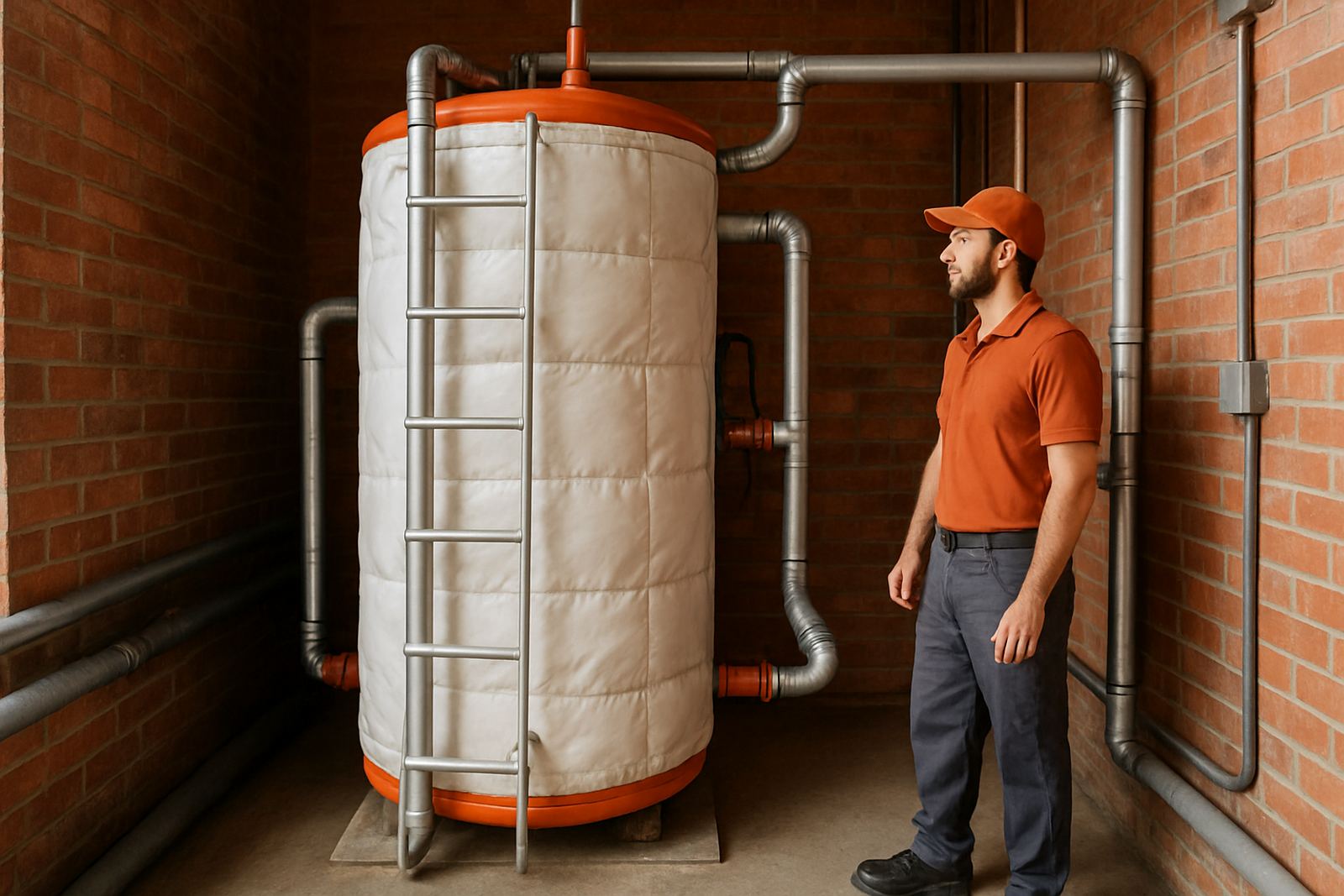
A vertical calorifier stores heated water in an upright vessel so you get a good amount of hot water without taking up much plant room space. The layout suits sites that need clean, controlled hot water for kitchens, ablutions, laundries, wash bays, process lines and general staff facilities. In a well set up system the calorifier works with a boiler, heat pump, solar pre-heat, or electric source to hold water at the required temperature and deliver it on demand.
Because the vessel stands upright, it can usually fit through tighter doors and into corners where horizontal units would be awkward. That matters in older buildings, basement plant rooms, rooftop service areas and retrofits where every square metre counts. It also helps when access is limited and lifting gear has to be planned carefully.
- Space-efficient storage for hot water demand that peaks through the day
- Suitable for closed hot water systems and indirect heating applications
- Works with circulation pumps, control valves and temperature sensors
- Can be paired with mild steel or stainless steel options depending on water quality
Sizes, Vessel Build and Practical Options
Ai-TEC can supply vertical calorifiers in a range of capacities and build configurations to suit the site. Typical units start around 300 litres and can run into several thousand litres for larger plants, depending on available space, recovery time and the number of outlets being served. Working pressure, coil arrangement and insulation all need to match the heat source and the way the hot water is used.
For most commercial properties in Gauteng, the right choice is not only about litres. It is also about recovery speed, standby losses, service access and water quality. In hard water areas, scale build-up can reduce output and increase running costs, so the material and internal arrangement should be selected with maintenance in mind. On coastal or humid sites, corrosion protection and proper lagging become more important.
- Capacity options from compact plant room units to large process storage vessels
- Single or twin coil arrangements for multiple heat sources
- Insulated cladding to reduce standing heat loss and help with load-shedding planning
- Material choice based on potable water, process use and corrosion exposure
Where Vertical Calorifiers Suit Best
These units are often used in hotels, schools, clinics, office blocks, industrial workshops, laundries, sports facilities, abattoirs, food rooms and apartment complexes. Any site that needs a steady supply of hot water but has limited plant space can benefit from the upright format. They also make sense where the plant room has to stay tidy for access, inspection and future maintenance work.
In South African conditions the demand profile matters. Mornings can see a sharp draw-off from showers and kitchens, while afternoons may be quieter. A correctly sized vertical calorifier smooths those peaks and reduces the strain on the boiler or heating source. For sites in Johannesburg, Pretoria, Kempton Park, Boksburg and surrounding industrial nodes, this can make a real difference to operating costs and downtime.
- Good for space-constrained plant rooms and retrofit projects
- Useful where multiple hot water points need a central storage vessel
- Suitable for municipal, commercial and light industrial premises
- Can support planned maintenance without shutting down the whole site
Installation, Power and Gas Requirements
Installation needs to be planned properly so the unit is safe, serviceable and efficient. The foundation must carry the full filled weight, pipework should allow for thermal movement, and access panels need clear working space. If the calorifier is heated indirectly, the boiler or heat source must be matched to the coil load and the control logic should prevent short cycling. Where electric or gas heating is used for associated plant, the supply must comply with local regulations and the site’s permit requirements.
It also helps to think about backup during load-shedding. Some sites keep a buffer of hot water in the vessel and use controls that recover quickly when power returns. Others link the calorifier to a boiler plant with staged operation. On gas fired systems, ventilation, flue route and combustion air must be checked carefully. Poor combustion wastes fuel and can shorten component life.
- Check floor loading, lifting access and pipe connection positions before order
- Confirm voltage, control panel requirements and pump ratings where relevant
- Allow for ventilation, flueing and safe clearances on heated plant areas
- Plan shut-off valves and drain points so future servicing is straightforward
Care, Cleaning and Routine Servicing
Vertical calorifiers last longer when they are inspected and cleaned before small problems turn into failures. Sediment, scale and air pockets can all affect heat transfer and output. Routine work normally includes checking temperature and pressure controls, relief valves, insulation condition, corrosion signs, circulation flow and the state of any sacrificial anodes. On older systems, the vessel lining and coil condition should be reviewed at the same time.
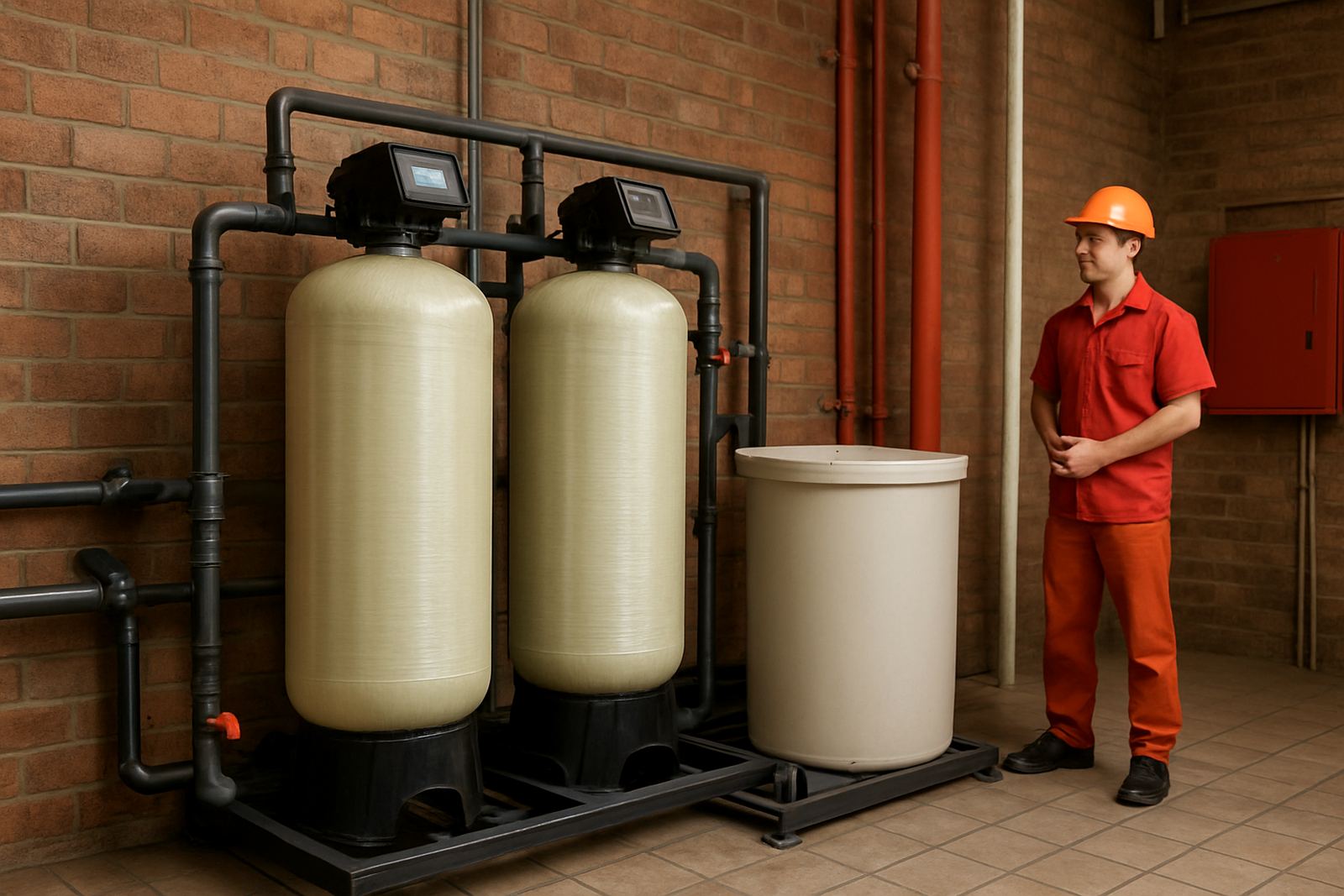
For sites with hard water or heavy daily use, water treatment support can make a measurable difference. Even a well installed unit can suffer if the water chemistry is neglected. In coastal or high-humidity areas, service teams should also inspect supports, brackets, flanges and external cladding for early corrosion. If the plant is exposed to frequent power interruptions, controls and pumps should be tested after each outage so you know the system is recovering properly.
- Annual inspections help spot scale, leaks and worn controls early
- Water treatment reduces fouling and improves heat transfer
- Relief valves and thermostats should be tested on a set schedule
- Good records make it easier to plan repairs before a breakdown
What to Check Before You Order
Before ordering a vertical calorifier, measure the available footprint, ceiling height and access route into the plant room. Check the required hot water volume, the peak draw-off period and the recovery time you need between busy periods. It also helps to know the incoming cold water quality, the heating source, and whether the site needs potable water, process water or both.
Ai-TEC can help you compare the options and match the unit to the site rather than forcing a standard size onto the job. That may include fabrication changes, connection orientation, insulation thickness, support arrangement or maintenance access details. The better the information at enquiry stage, the less chance there is of delays once the unit arrives on site.
- Capacity in litres and the expected hot water demand pattern
- Operating pressure, temperature range and recovery time
- Available space, access route and floor loading
- Water quality, heat source and maintenance access needs
Ai-TEC Support from Jet Park to National Sites
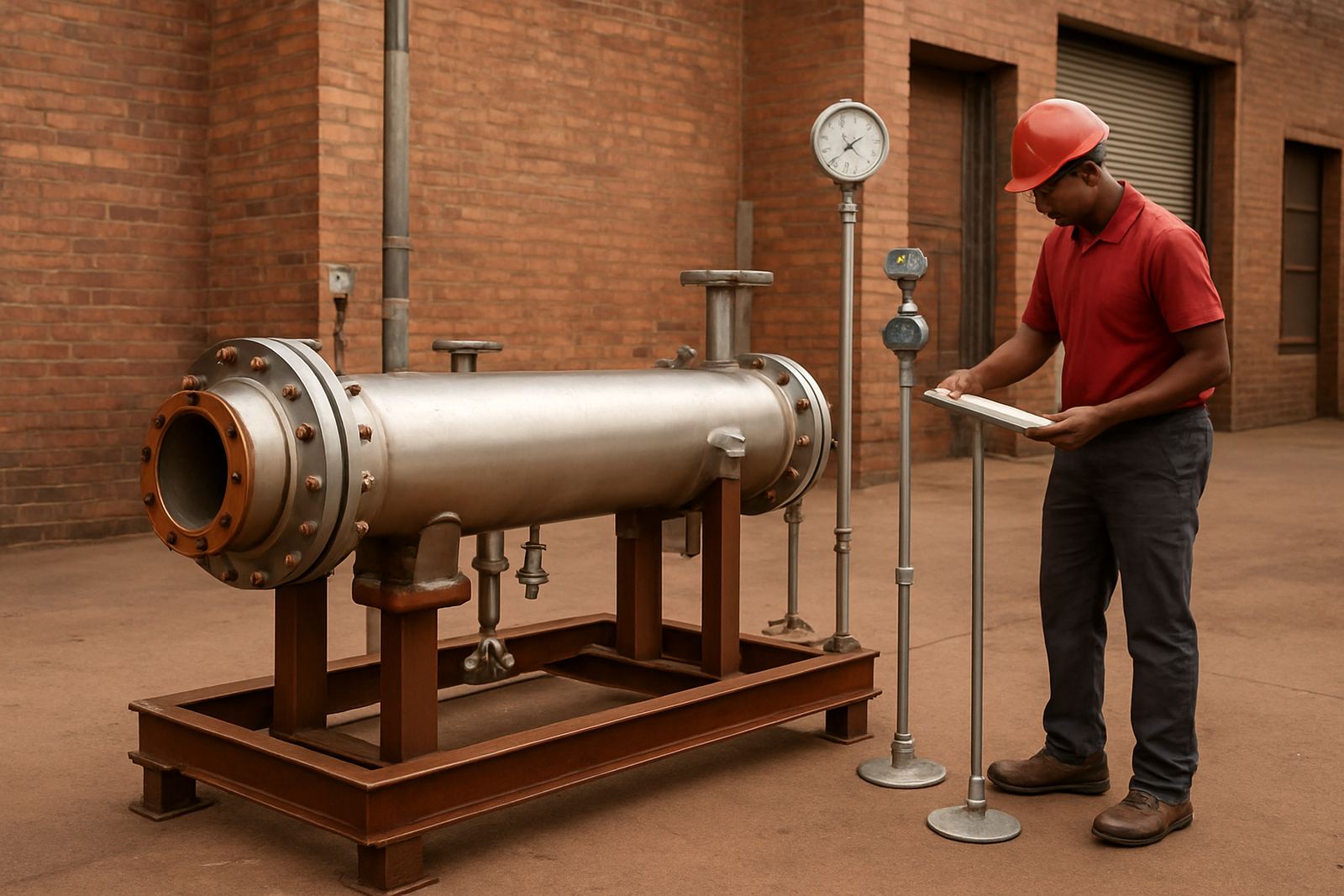
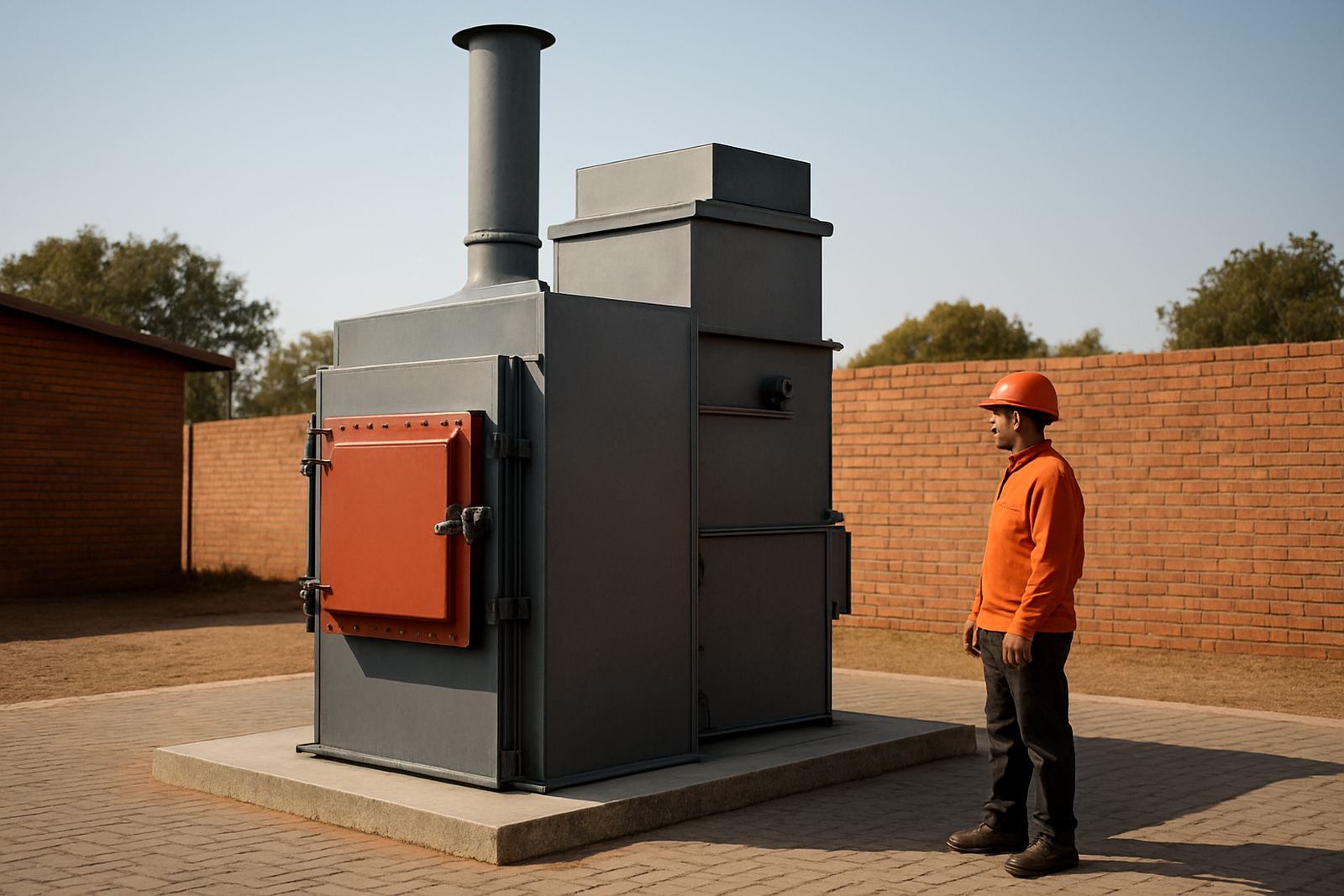
From our Jet Park base in Boksburg, Ai-TEC supports commercial and industrial clients across Gauteng and beyond with supply, installation, maintenance and emergency callouts. Our team handles boiler servicing, calorifier maintenance, inline heater repairs, incinerator servicing, combustion tuning, refractory relining and plant refurbishment. That means the vertical calorifier can be handled as part of the wider hot water system, not as a single isolated item.
You will usually deal with a practical team that understands plant rooms, shutdown windows and the pressure of keeping water on line. Whether the site is in Germiston, Midrand, Sandton, Pretoria or further afield, the aim is the same: get the right vessel in place, keep it serviceable, and avoid unnecessary downtime.
- Base in Jet Park, Boksburg with service coverage across Gauteng
- National support for installations, repairs and planned maintenance
- Commercial management, fabrication and field service under one roof
- Contact engineering@ai-tec.co.za for sizing or replacement enquiries
Key facts
| Type | Vertical indirect hot water storage vessel |
|---|---|
| Typical capacities | From about 300 litres to several thousand litres |
| Working pressure | Sized to project requirement and system design |
| Material options | Mild steel or stainless steel, subject to application |
| Heating arrangement | Single or twin coil, or project-specific connection set-up |
| Typical use | Domestic hot water, process water and commercial plant |