What a storage water heater does on a busy site
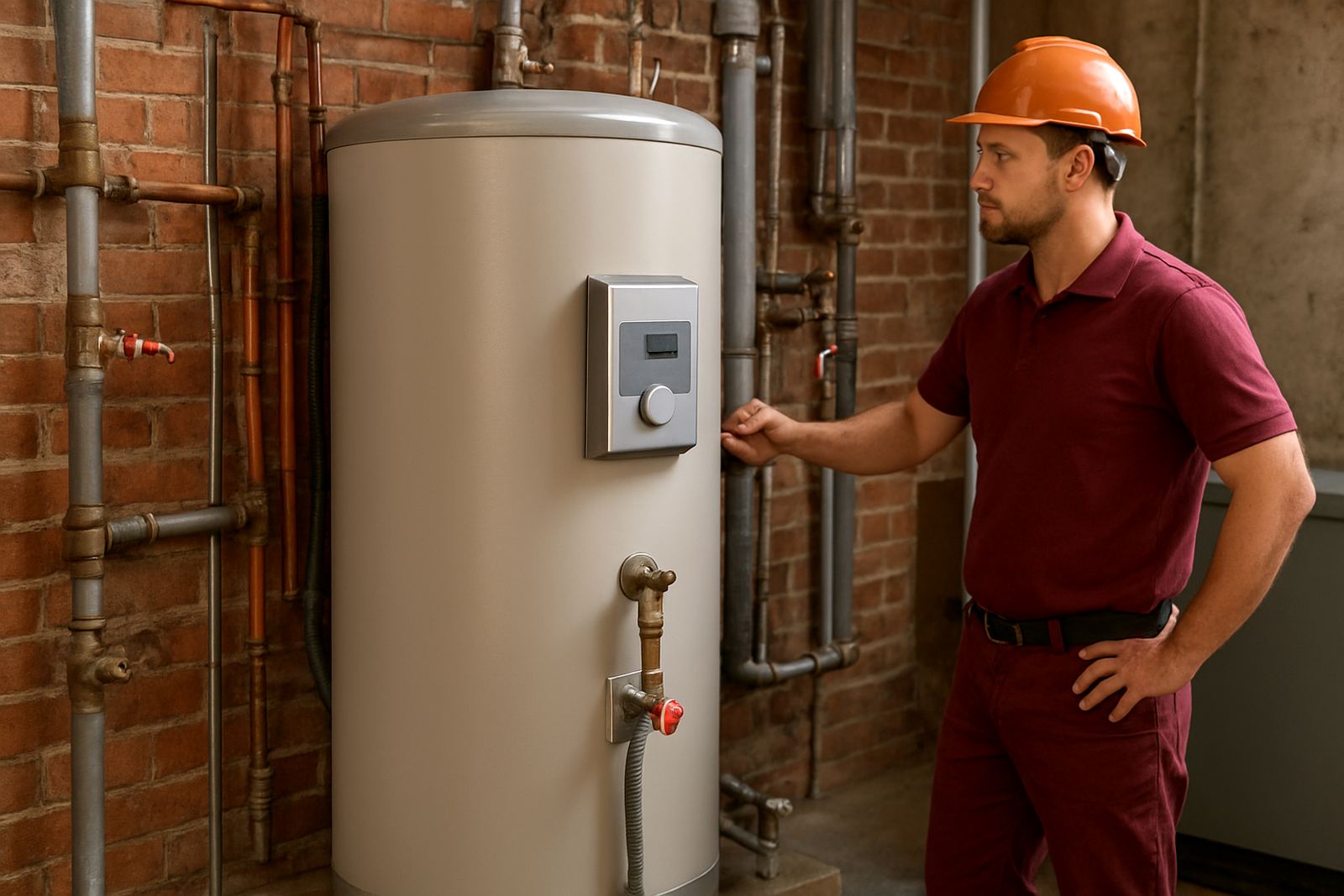
A storage water heater keeps a measured volume of hot water ready in an insulated tank, then top ups heat as water is drawn off. That makes it a good fit where taps, wash points, showers or process use all happen at once and a small instantaneous unit would struggle. In Gauteng offices, schools, clinics, laundries and workshop blocks, steady supply matters more than chasing a quick heat-up time.
These units are built for heavier duty use than a domestic geyser. The tank, heating source and controls are selected for repeated cycling, higher demand and longer service life. On a site where water pressure varies or load shedding interrupts normal operation, the right storage heater can keep hot water available without constant operator attention. Where steam or hot water plant already exists, we can also match the heater into the existing system so you are not wasting energy heating the same water twice.
Sizes, heat sources and control options
Storage water heaters are available in a range of capacities from compact plant-room units to large tanks for multi-point distribution. We supply units sized to suit the number of users, draw-off pattern and the hot water temperature you need to maintain. For many commercial applications the correct answer is not the largest tank, it is the one that can recover fast enough between peak draws.
- Common capacities: 300 L, 500 L, 1000 L and larger on request
- Temperature range: typically 60 degree C to 80 degree C working storage, subject to application
- Heat source options: electric, indirect heating via boiler or calorifier, and gas-fired arrangements where allowed and correctly installed
- Insulation: factory insulated tanks to reduce standing heat loss
- Controls: thermostat, high-limit safety cut-out, gauge points and isolation valves
Where water quality is hard, especially in areas with scale build-up or older municipal supply lines, we allow for maintenance access and sacrificial anode arrangements where applicable. That small detail helps the tank last longer and keeps recovery more predictable.
Where storage heaters work best
These heaters suit sites with regular hot water draw through the day rather than short, very low use. They are often used in hospitals, accommodation blocks, factories, sports facilities, schools, hotels, canteens and staff ablution areas. In coastal or humid locations the external finish, pipe supports and valve selection matter more than people expect, because corrosion will show up early if the plant room is badly ventilated.
They are also useful where the building has uneven occupancy. A school in Pretoria may need a morning peak and then reduced use after lunch, while a production site in Germiston might need hot water at shift change and cleaning time. With a storage heater sized correctly, the system can carry those peaks without the whole site waiting for recovery. For properties in Sandton, Midrand or Boksburg where space is tight, vertical tank layouts can help with plant-room footprint if access clearances are respected.
- Good for high draw-off periods and shared facilities
- Useful where hot water must remain available during power interruptions
- Suitable for plant rooms, rooftop installations and service yards, depending on loading and access
- Can be linked to existing hot water distribution loops
Installation needs, utilities and compliance
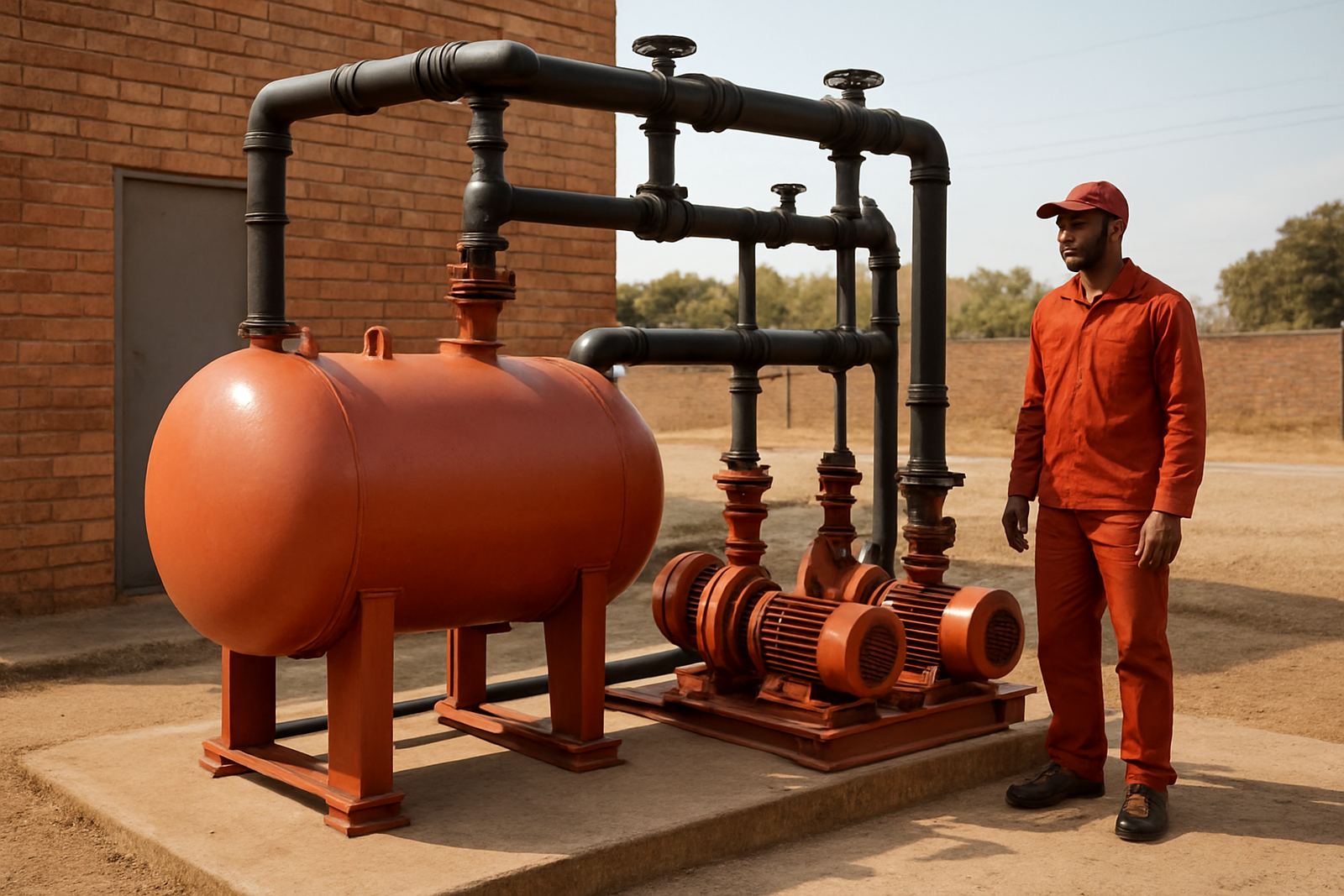
Installation starts with the basics: floor loading, safe access, inlet pressure, outlet temperature and enough space for maintenance. A tank full of water is heavy, so the slab or support structure must be checked before the unit is placed. We also look at pipe routing, drain points, expansion control and valve isolation so the heater can be serviced without shutting down the entire building.
Electrical units need the right supply size, protection and isolator arrangement. Gas-fired units require suitable gas pipe sizing, ventilation and compliant flue routing. Indirect units tied into boiler or calorifier circuits need correct flow rates and control logic so the heater is not starved or overfed. If a site is in a municipal area with inspection requirements, we make sure the installation can be signed off properly, not just made to work on the day.
- Check available power supply or gas supply before ordering
- Confirm the required hot water temperature and recovery time
- Allow space for relief valves, drains and service access
- Confirm flueing, ventilation and make-up air where combustion is involved
Care, servicing and water treatment support
Storage water heaters need regular inspection to keep them efficient and safe. Scale on heating surfaces slows recovery, raises energy use and can cause nuisance tripping. Sediment in the tank can affect temperature control and make the unit work harder than it should. We recommend scheduled checks, especially on sites with hard water, heavy daily demand or a history of maintenance delays. A little attention every quarter is cheaper than a failed tank in the middle of winter.
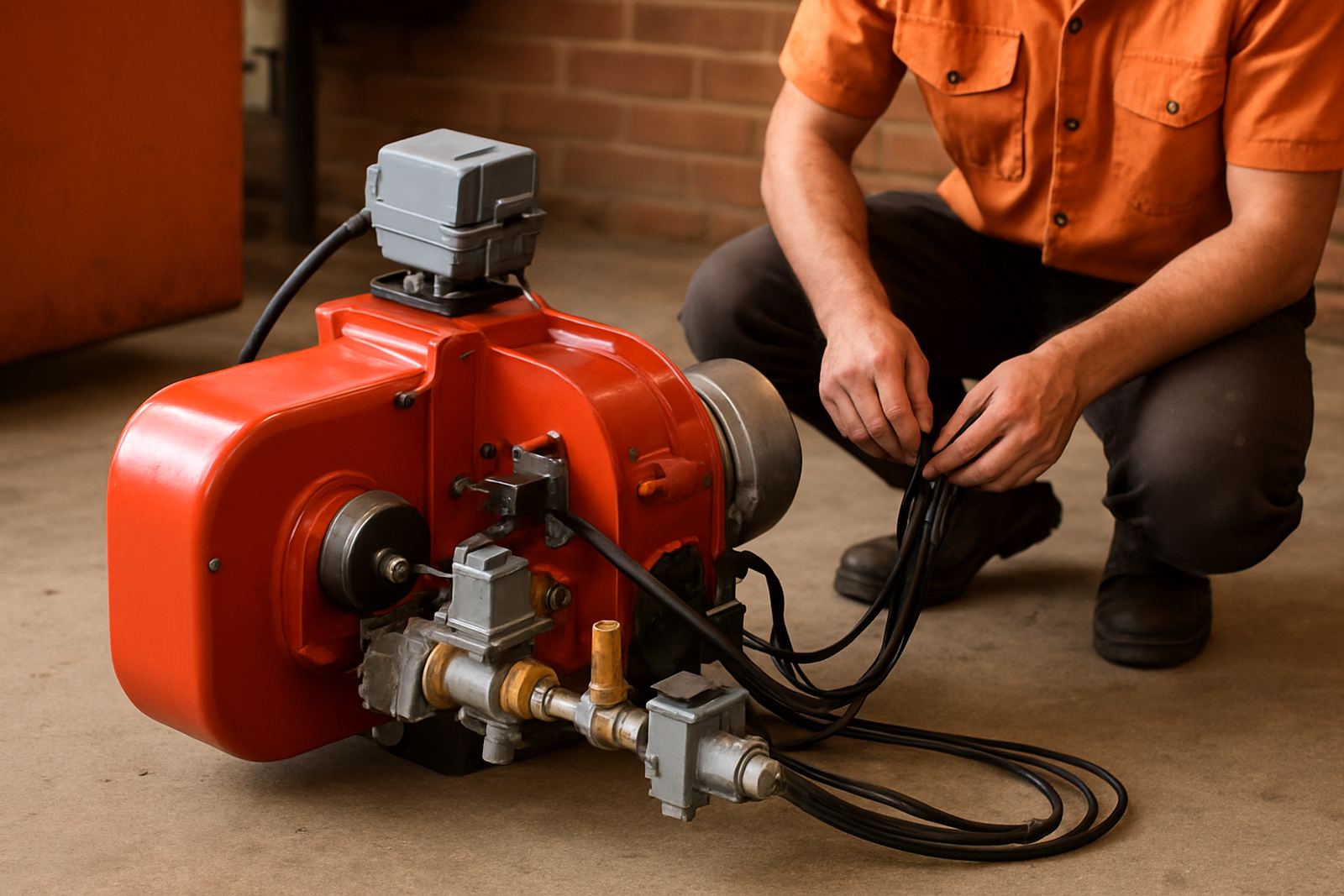
Our team can assist with annual inspections, valve checks, thermostat testing, element replacement, burner servicing and water treatment support where mineral build-up is a problem. If the unit is connected to a boiler system, we can also look at the whole hot water plant so the heater is not being blamed for a fault elsewhere. In practice, poor water quality and neglected controls cause more trouble than the tank itself.
- Inspect safety valves and drain lines regularly
- Check temperature control and high-limit cut-out function
- Look for leaks at flanges, unions and pipework supports
- Flush sediment where the design and site conditions allow it
What to confirm before you place an order
Before ordering, it helps to pin down the practical details. We need the number of users, the peak draw pattern, the desired outlet temperature and whether the heater will run from electricity, gas or an indirect heat source. We also ask about water pressure, available space, floor loading and any restrictions on plant-room access. If the site is on the East Rand, in Pretoria or further out on a regional route, transport and lifting arrangements should be planned early so there are no delays on delivery day.
Useful information to have ready includes existing pipe sizes, the position of the plant room, whether the building has backup power and whether there is an existing hot water circulation loop. If the building is being refurbished, send us the old unit details and the problem you are trying to solve, not only a photo of the tank. That helps us match capacity, recovery and serviceability properly.
- Required litre capacity and peak hot water demand
- Heat source preference and available supply details
- Site location, access route and lifting restrictions
- Any existing boiler, calorifier or distribution system to connect into
Why Ai-TEC for commercial hot water supply
Ai-TEC has supplied and maintained commercial and industrial hot water equipment from our Jet Park, Boksburg base since 2009. We work across Gauteng with service support in Boksburg, Kempton Park, Germiston, Pretoria, Midrand and Sandton, and our teams also travel nationally when the job calls for it. That matters when a site needs practical advice, not just a unit dropped off at the gate.
Our team includes Pieter Fourie, Lerato Maseko, Pieter van der Merwe, Zanele Dlamini, Musa Khumalo, Ayesha Patel and Johan Smit, each focused on the parts of the job that keep plant running. Whether you need a new storage heater, replacement parts, refurbishment or ongoing servicing, we look at the full system and the site conditions before we quote. If your building runs through winter mornings, outage periods and heavy draw-off, the heater has to be chosen for that reality.
Key facts
| Product type | Commercial and industrial storage water heaters |
|---|---|
| Typical capacities | 300 L to 1000 L plus, depending on application |
| Heat source options | Electric, indirect boiler or calorifier connection, gas-fired where suitable |
| Working temperature | Typically 60 degree C to 80 degree C, application dependent |
| Key components | Insulated tank, thermostat, high-limit safety cut-out, valves and drain points |
| Typical uses | Ablutions, kitchens, laundries, accommodation blocks, clinics, schools and plant rooms |