What a Burner Retrofit Kit Does
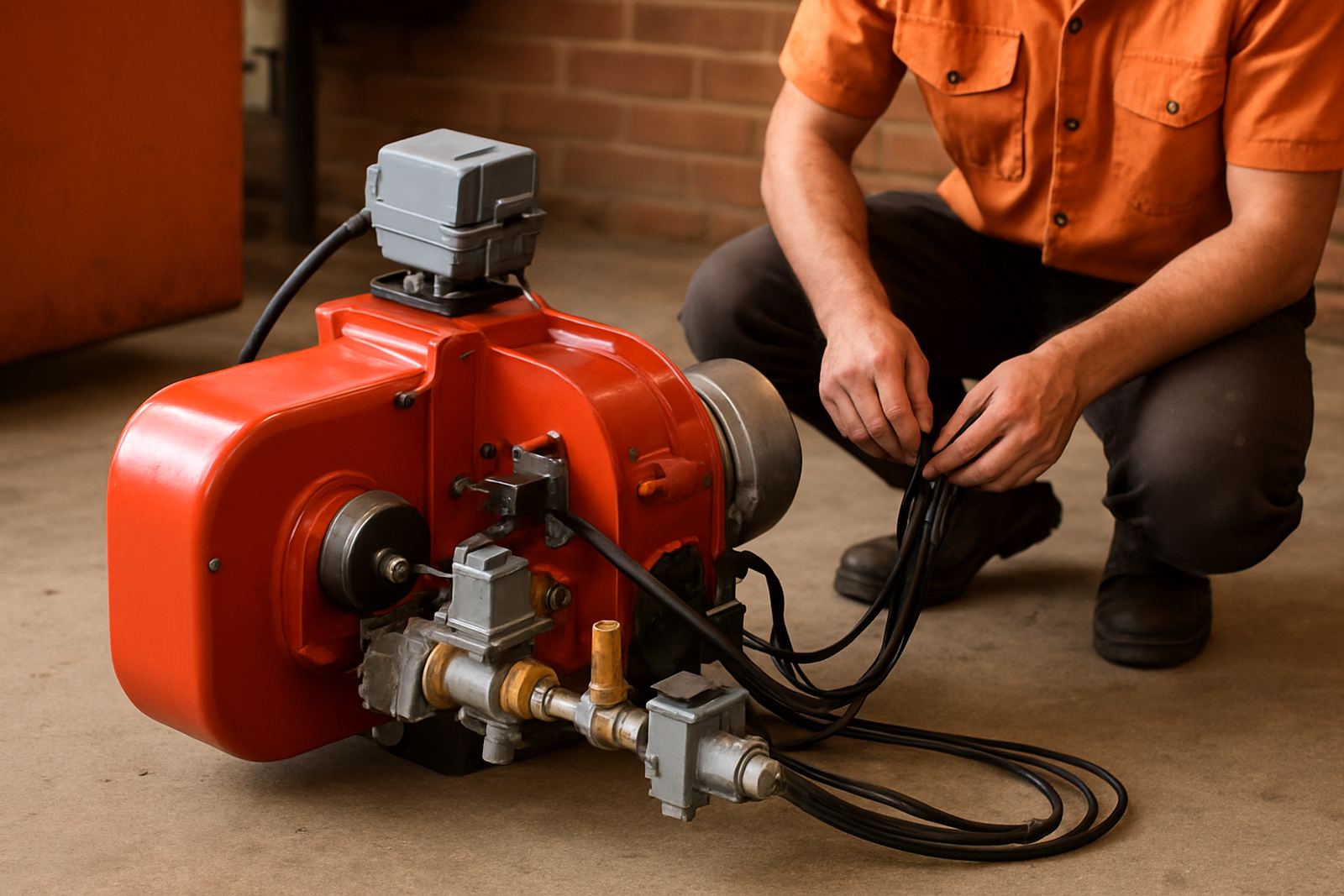
A retrofit burner kit is supplied as a matched package for an existing heat plant, so the burner, controls and fittings work together instead of being patched in piecemeal. In plain terms, it is used when the current burner is ageing, difficult to service, not firing cleanly, or costing more in diesel, LPG or natural gas than it should.
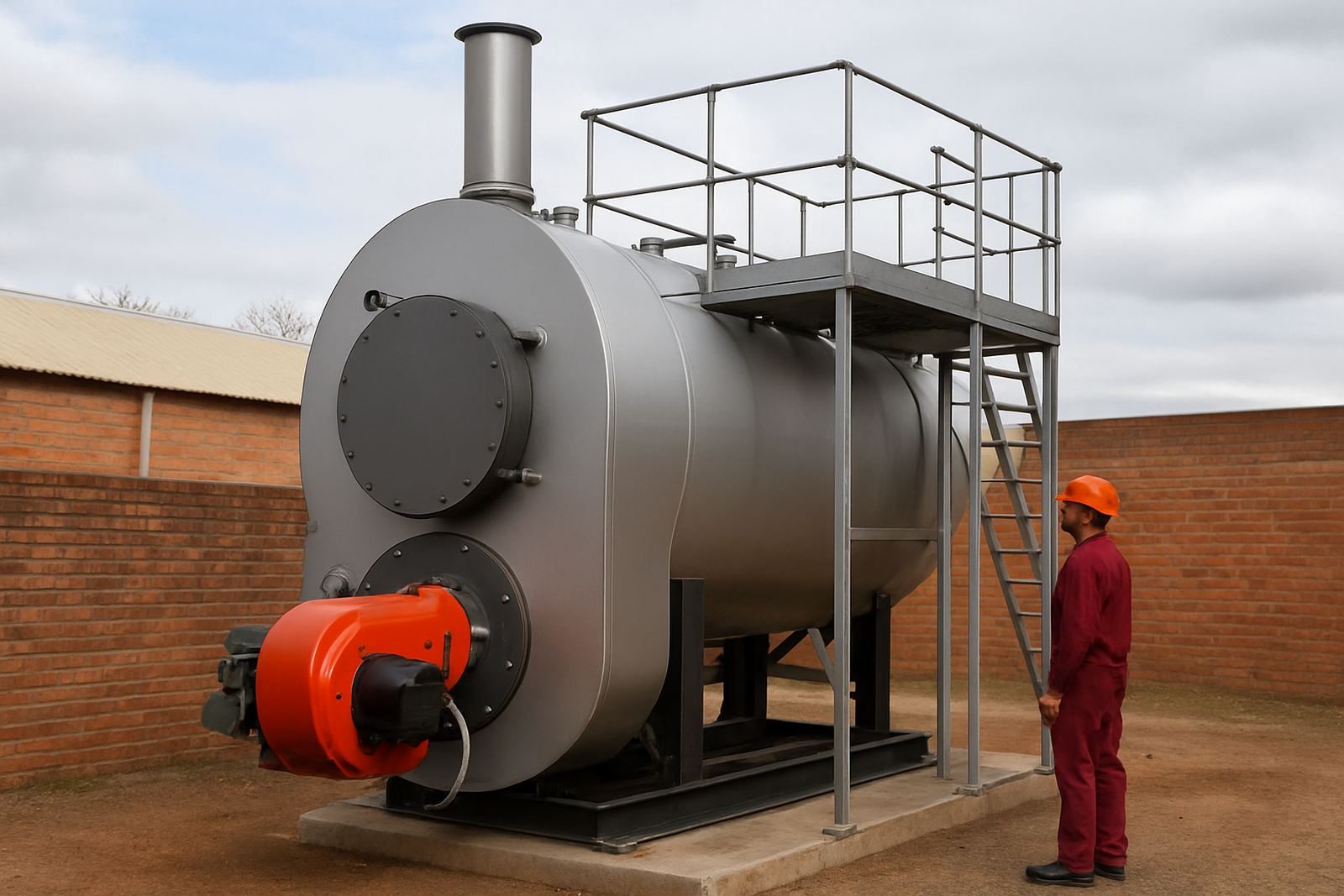
For many Gauteng sites, the problem is not the boiler shell or heater body, it is the old firing arrangement. After a few years of dust, vibration and stop-start running, ignition becomes unreliable, flame shape drifts and combustion readings move out of range. A proper retrofit can sort that out without changing the full vessel, which is often the sensible option when plant space is tight and production cannot stop for long.
Typical Sizes, Outputs and Control Options
Ai-TEC supplies retrofit packages for light commercial plant right through to larger industrial duty. Selection depends on the heat duty, the existing combustion chamber, fuel type and the available power supply at site. Kits are commonly matched to small hot water units, medium steam boilers, calorifiers and process heaters where stable burner control matters more than fancy extras.
- Heat input ranges from small commercial loads to high-output industrial firing packages
- Fuel options can include diesel, LPG and natural gas, subject to site supply
- Single-stage, two-stage and modulating control arrangements are available
- Panel interfaces can be matched to existing plant alarms and interlocks
- Options can include flame safeguard gear, pressure proving and permissive controls
If you are working on a site in Boksburg, Kempton Park or Germiston, the set-up must also suit the local service reality. Dust, washdown, vibration and load-shedding all affect burner life, so the control package should be selected with maintenance access in mind, not just nameplate output.
Where Retrofit Burners Suit Best
These kits suit plants that are still structurally sound but need a better firing system. They are commonly used on laundry plants, food processing lines, hospitals, abattoirs, packaging facilities, body corporates with central hot water and factories that run long hours through winter. They are also a practical choice where the existing burner is no longer supported properly or the current setup is running with poor excess air and high stack losses.
- Older boilers with repeated ignition faults
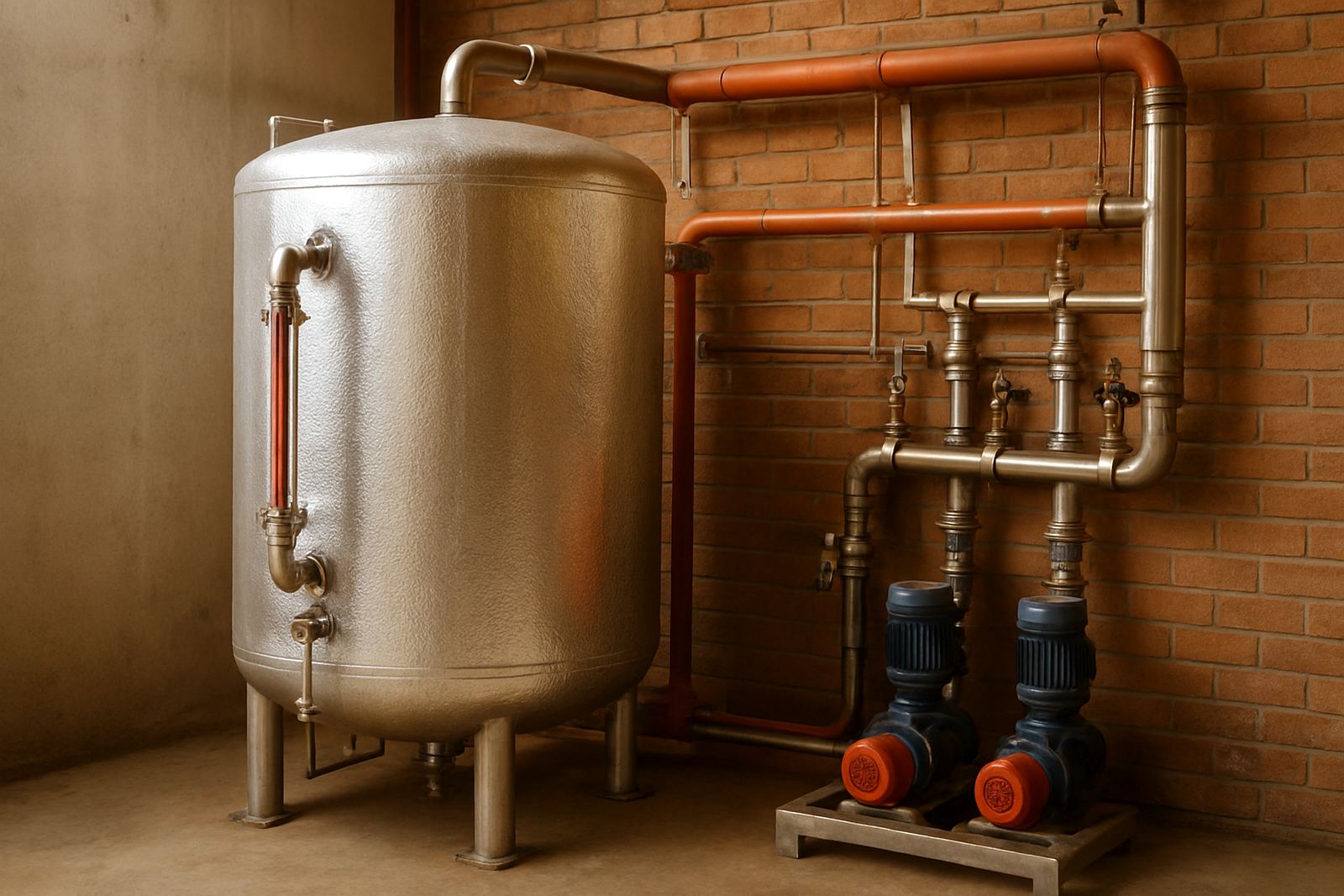
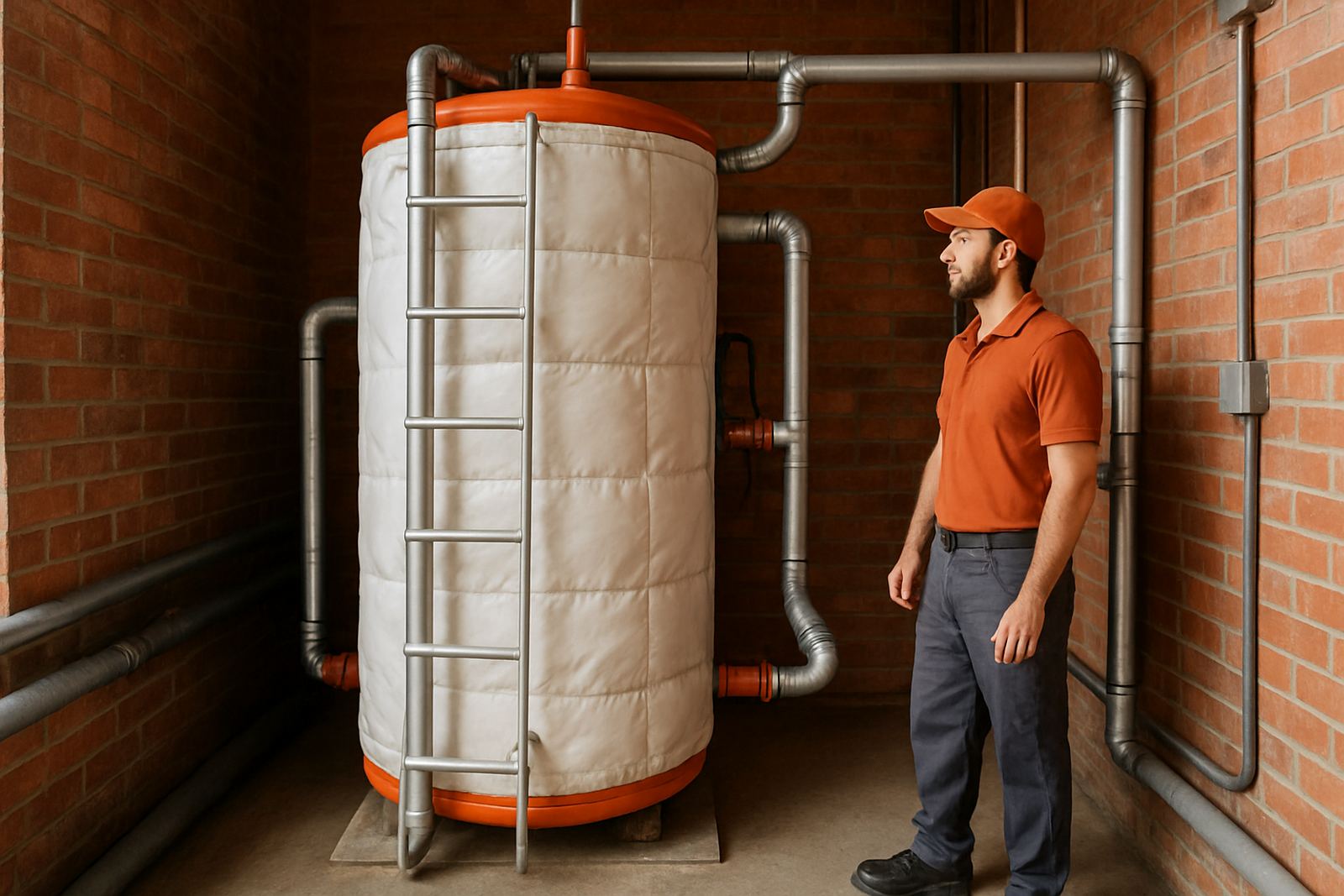
- Calorifiers with uneven water temperature
- Inline heaters where control has become unstable
- Process plants needing cleaner combustion and lower smoke
- Sites planning fuel switching or control upgrades
In coastal areas, moisture and salt air can shorten component life, so enclosure selection and cable sealing matter. In inland plants, dust and fine fibre build-up can block airways and strain motors. A retrofit should be chosen for the actual site conditions, not just the brochure rating.
Installation, Power Supply and Gas Requirements
Installation normally includes removal of the old burner assembly, fitment of the new package, alignment to the combustion chamber and setting of safeties, controls and fuel train items. On some sites, extra work is needed on the mounting plate, burner throat or access door to get the correct set-back and flame pattern. That detail is important, because a burner that is forced to fit will not run well for long.
Power requirements depend on the burner size and control package, but most retrofits need a clean electrical supply with proper earthing and correct protection. Where gas is used, the installation must comply with site pressure, pipe sizing, isolation and leak testing needs. For diesel systems, fuel filtration, day tank arrangement and line integrity need to be checked carefully, especially where pumps have been drawing air during outages.
- Check available voltage and phase before ordering
- Confirm fuel pressure and delivery rate at full load
- Allow space for access, removal and routine servicing
- Make sure the plant shutdown window is long enough for commissioning
Care, Servicing and Combustion Tuning
A retrofit burner will only keep its efficiency if it is serviced on time. Nozzle wear, filter blockage, electrode wear, fan fouling and poor air settings all creep in slowly, and the plant usually starts using more fuel before anyone notices. Routine checks should include ignition, flame signal, safety shut-downs, seals, fuel pressure and combustion readings.
Ai-TEC supports burner retrofit kits with combustion tuning, annual inspections and emergency callouts from our Jet Park base in Boksburg, with service teams covering Pretoria, Midrand, Sandton, Kempton Park and Germiston. Where boilers are linked to water treatment issues or scale build-up, the burner may be working harder than necessary, so the broader plant condition should be checked too. A clean burner on a dirty heat exchanger is still a waste of fuel.
- Keep a service log with dates, readings and fault history
- Replace filters and wear parts before they fail on site
- Test safety circuits after every major intervention
- Book tuning after any fuel or load change
What to Check Before You Order
When ordering a retrofit kit, the most useful information is the existing plant data. We need the boiler or heater model where available, the current burner type, fuel, load profile and clear photos of the mounting arrangement. If the site has had previous modifications, that must be noted too, because old patch jobs can affect fitment and commissioning.
It also helps to know whether the plant runs on continuous duty, shift work or standby, and whether there are frequent power interruptions. On some sites the gas supply is steady but electrical supply dips during load-shedding, which means the controls and restart sequence need to be planned carefully. The more accurate the order details, the less time is lost on site and the cleaner the handover will be.
Key facts
| Product type | Retrofit burner package for boilers, calorifiers, inline heaters and related plant |
|---|---|
| Fuel compatibility | Diesel, LPG or natural gas, subject to site supply and burner selection |
| Control modes | Single-stage, two-stage or modulating options |
| Typical use | Efficiency upgrades, ignition improvement, emission control and burner replacement |
| Installation needs | Correct mounting, electrical supply, fuel pressure and combustion chamber fitment |
| Service support | Commissioning, combustion tuning, servicing and fault response nationwide |