What a shell heat exchanger does in plant
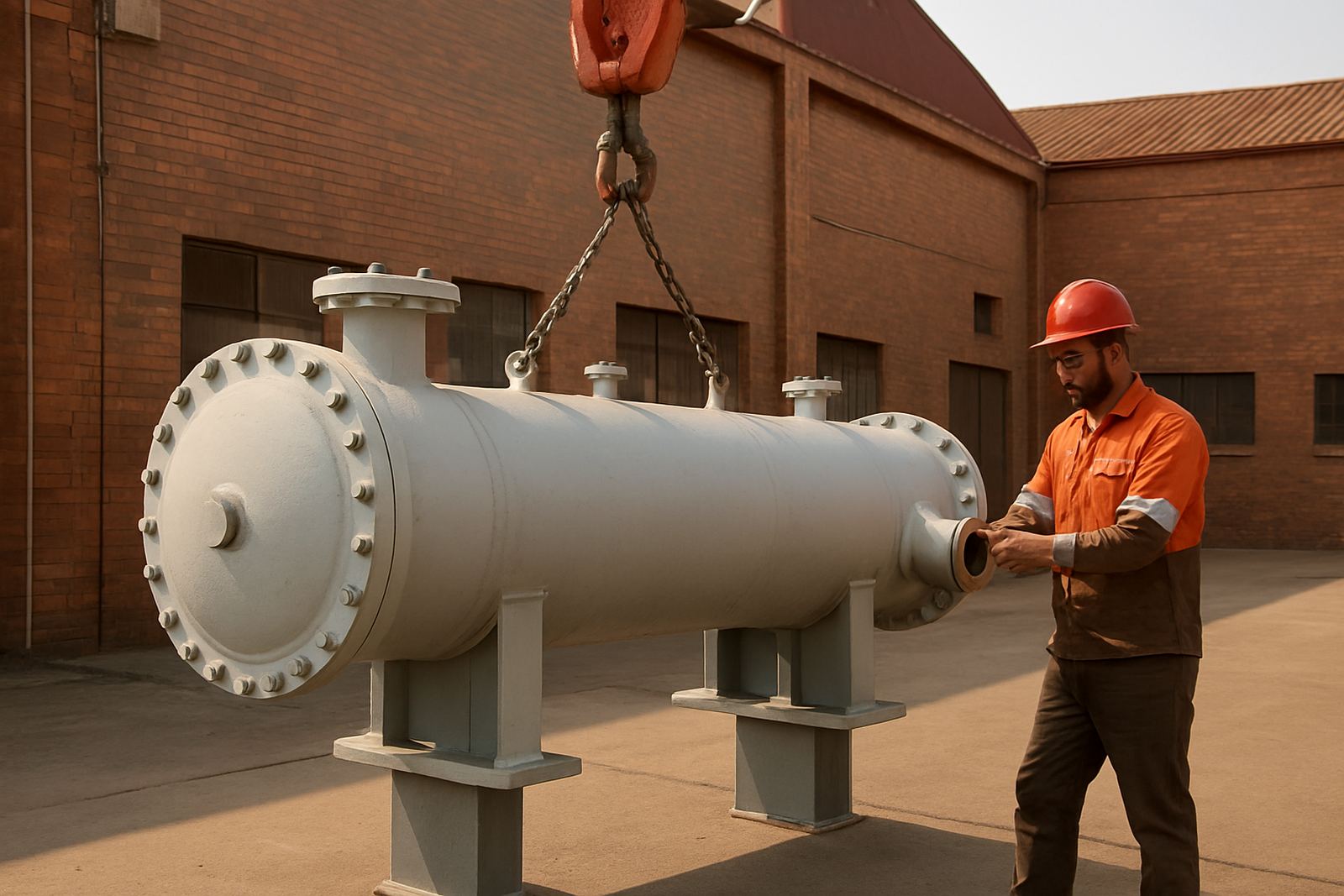
A shell heat exchanger transfers heat between two separate fluids through a bundle of tubes inside a pressure-rated shell. One fluid flows through the tubes, the other around them in the shell, so the process can heat water, raise temperature, or recover waste heat without the fluids mixing. In boiler rooms and industrial plants, that separation matters when the water quality is poor, the duty is continuous, or the system needs to handle pressure changes and frequent start stop cycles.
These units are often chosen for higher duty applications where a plate unit may not suit the temperatures, solids loading, or maintenance plan. They work well in central plant rooms, laundries, food production, hospitals, workshops and multi-building hot water systems. For Gauteng sites with load shedding and repeated restart conditions, a correctly sized exchanger helps keep heat transfer steady when the plant comes back on line.
Typical sizes, materials and duty options
Shell and tube exchangers are built in a wide range of sizes, from smaller skid-mounted units for local hot water duty to larger units for industrial process heating. The right size depends on flow rate, temperature rise, allowable pressure drop and the available connection space in the plant room. Ai-TEC can supply units for new installs or for replacement where the old exchanger has failed, leaked, or no longer meets duty.
- Tube diameters and bundle length selected to suit the required heat load
- Shell sizes for compact plant rooms or higher volume process duty
- Carbon steel or stainless steel options depending on water quality and corrosion risk
- Single pass or multi pass arrangements for different flow and temperature needs
- Flanged or threaded connections, depending on pipework and isolation valves
- Insulation jackets and support frames where heat loss and vibration must be controlled
For coastal or humid environments, material choice matters. In Rustenburg, Pretoria, Boksburg or Durban-type conditions, mineral build-up and corrosion can shorten service life if the water treatment is not right. A unit that is too small will struggle, while one that is over-sized can waste pumping energy and make control poor.
Where shell and tube exchangers suit best
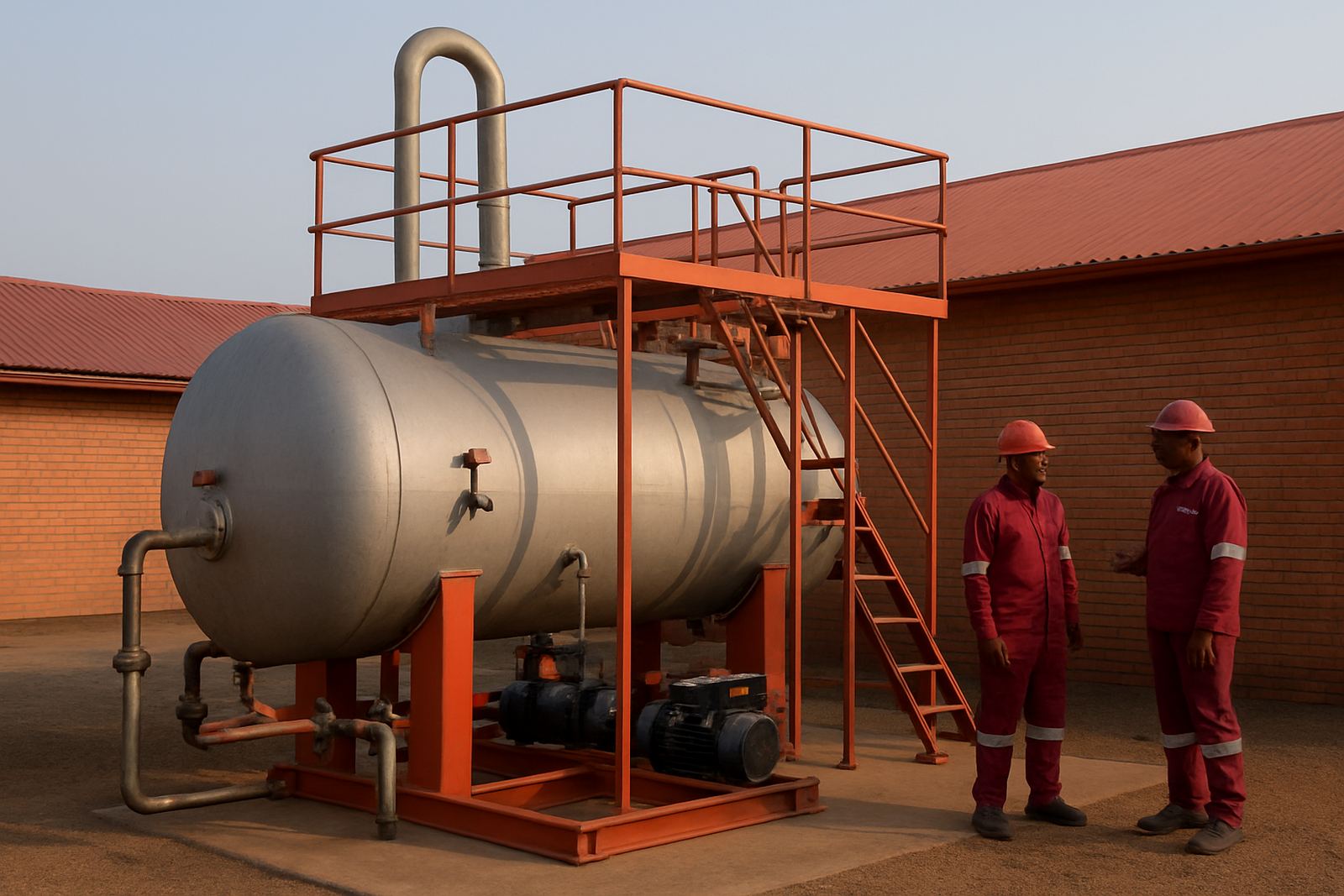
These exchangers suit plant that needs dependable heat transfer under pressure. They are often used with boilers, calorifiers, hot water storage vessels, condensate recovery systems and process lines where temperatures are higher than normal domestic hot water duty. If your plant has variable load, long pipe runs, or more than one user drawing heat at different times, a shell exchanger gives a stable middle point between the heat source and the end use.
They also suit sites where maintenance access is important. Tube bundles can often be cleaned, tested and repaired without replacing the full vessel, which helps reduce down time. That is useful for factories, clinics, apartment blocks, municipal sites and warehouses where a full stop can affect production or services. We regularly work on plants in Germiston, Kempton Park, Midrand, Sandton and Pretoria, plus regional sites where the service window is short and the plant has to be back on line quickly.
- Boiler plant heat recovery
- Domestic hot water and calorifier systems
- Process heating for wash lines and tanks
- Pre-heating for make-up water or feedwater
- Industrial sites with continuous demand
Installation, power use and connection requirements
Installation starts with the duty data, pipe sizes, temperatures, pressure class and the space available for maintenance access. The exchanger must be mounted on a firm base with enough room for tube bundle removal or end cover access. Pipework needs good support because vibration and thermal movement can crack small bore lines or cause flange leaks over time. Where the plant sits in a noisy area or near traffic, a proper support frame and flexible connectors can prevent fatigue.
Shell heat exchangers do not use electrical power directly, but the system around them does. Pumps, controls, actuators and temperature sensors all need suitable supply and protection. On sites affected by load shedding, it helps to have the pumping and control circuits on a backup supply or generator so the exchanger does not sit hot and idle for too long. Gas fired boilers feeding the exchanger need safe combustion air, flue routing and clearance to comply with municipal and site rules. If the plant is in a basement or enclosed room, ventilation must be checked before commissioning.
We also check water treatment points, drain routing, venting and isolation valves. A heat exchanger can only work properly if the water side is clean enough for the duty. If sludge, scale or oil is already present, the new unit can foul quickly and lose performance, sometimes within a few months.
Care, cleaning and service intervals
Like any heat transfer equipment, shell and tube units need planned care. The most common issues are scaling, corrosion, blocked tubes, gasket wear and poor water quality. A unit that once gave a stable outlet temperature may start to drift, which can show up as slow hot water recovery, higher gas use, or uneven plant temperatures. If you leave it too long the pressure drop rises and the pumps work harder, which is never ideal during winter mornings when demand is already high.
Ai-TEC provides maintenance that fits the duty and the site conditions. Depending on use, we can inspect during annual shutdowns or more often on high-load sites. A good service plan may include tube cleaning, leak checks, combustion tuning on the heat source, water treatment checks, and checking insulation, supports and controls. If the exchanger is tied into a boiler system, we can also look at refractory, burner setup and general plant condition so the issue is not just treated at one point.
- Check inlet and outlet temperatures against design values
- Look for pressure loss across the exchanger
- Test for tube leaks, staining or cross contamination
- Inspect gaskets, covers and flange bolts
- Confirm water treatment and blowdown practices
What to check before you order
When ordering a shell heat exchanger, the better the information, the better the fit. We need to know the fluid on each side, the required duty in kW or kJ/h, the inlet and outlet temperatures, flow rates, pressure limits and the available connection size. It also helps to know if the exchanger is for clean water, treated water, glycol mix or a process fluid with solids. If the unit is replacing an old one, a photo of the nameplate and connection arrangement can save time.
Also tell us where the unit will be installed, because access changes the design. A tight plant room in Johannesburg is not the same as an open industrial bay in Boksburg. If the area has poor water quality, coastal humidity, or frequent power interruptions, we can advise on material, controls and maintenance access. The aim is to give you a unit that fits the real plant, not just the drawing.
- Heat duty and target outlet temperature
- Fluid type on both sides
- Flow rate and pressure drop limits
- Connection size, orientation and available space
- Material preference and corrosion risk
- Any shutdown window or crane access limits
Ai-TEC supply and support
Ai-TEC has supported commercial and industrial heating plant since 2009, with our base in Jet Park, Boksburg and service teams covering Gauteng and other regions. Our team handles supply, fabrication support, installation planning and after-sales maintenance for shell heat exchangers linked to boiler rooms, calorifiers and process heating systems. That includes new plant, replacement units and remedial work on systems that have been running with poor performance for years.
For site work, we coordinate with operations managers, maintenance teams and contractors so the job is done with the least down time possible. Whether you need a unit for a warehouse, factory, hospital or commercial block, we can look at the duty, the piping, the controls and the service plan as one package. If the exchanger needs to tie into a wider plant refurbishment, we can assist with that too.
Key facts
| Product type | Shell and tube heat exchanger |
|---|---|
| Typical duty | High temperature water heating, heat recovery and process transfer |
| Size range | Compact skid units to larger industrial duty assemblies |
| Materials | Carbon steel or stainless steel, subject to water quality and duty |
| Connections | Flanged or threaded, with options to suit pipework layout |
| Service support | Supply, installation, cleaning, inspection and repair |