What a hot water boiler does on site
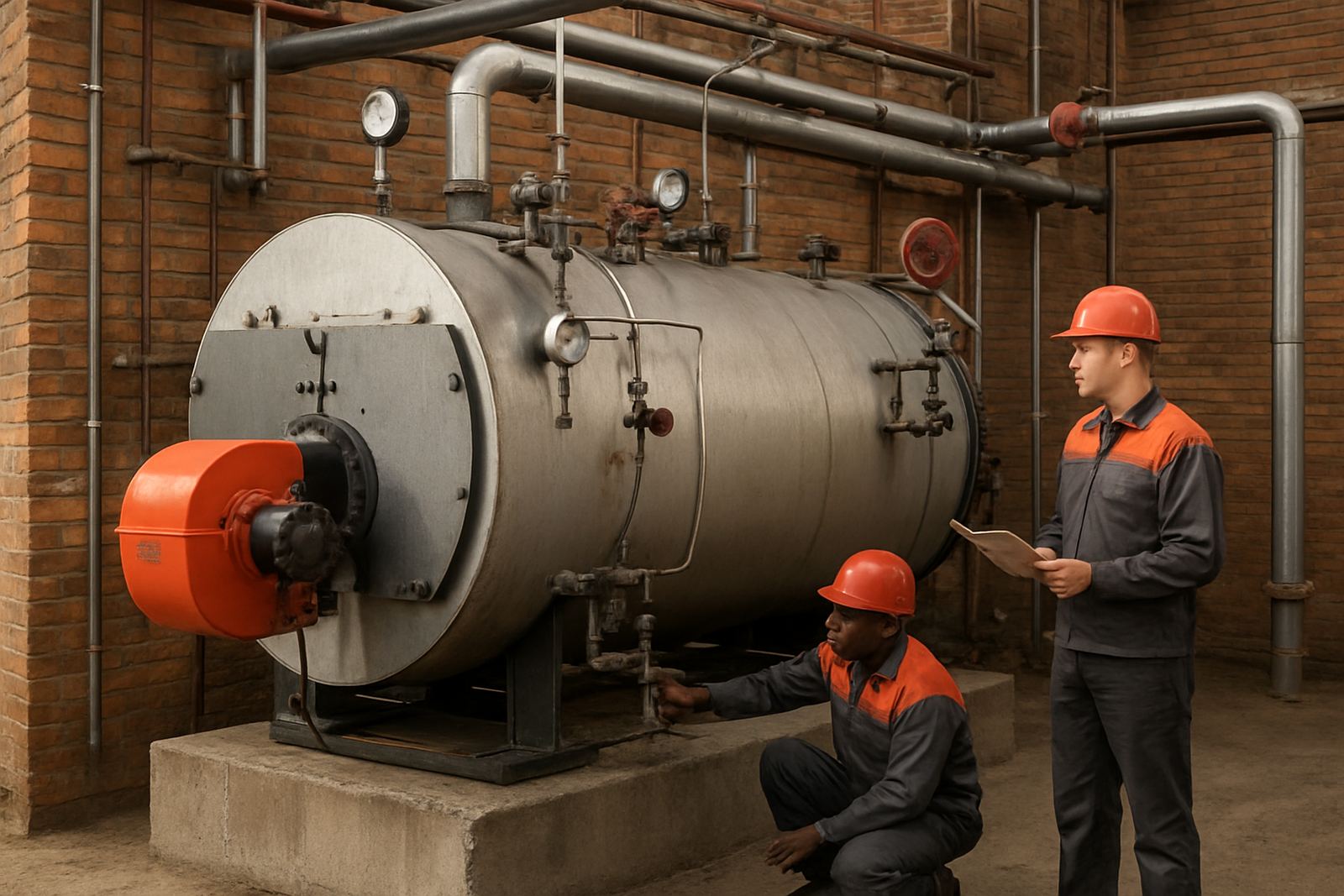
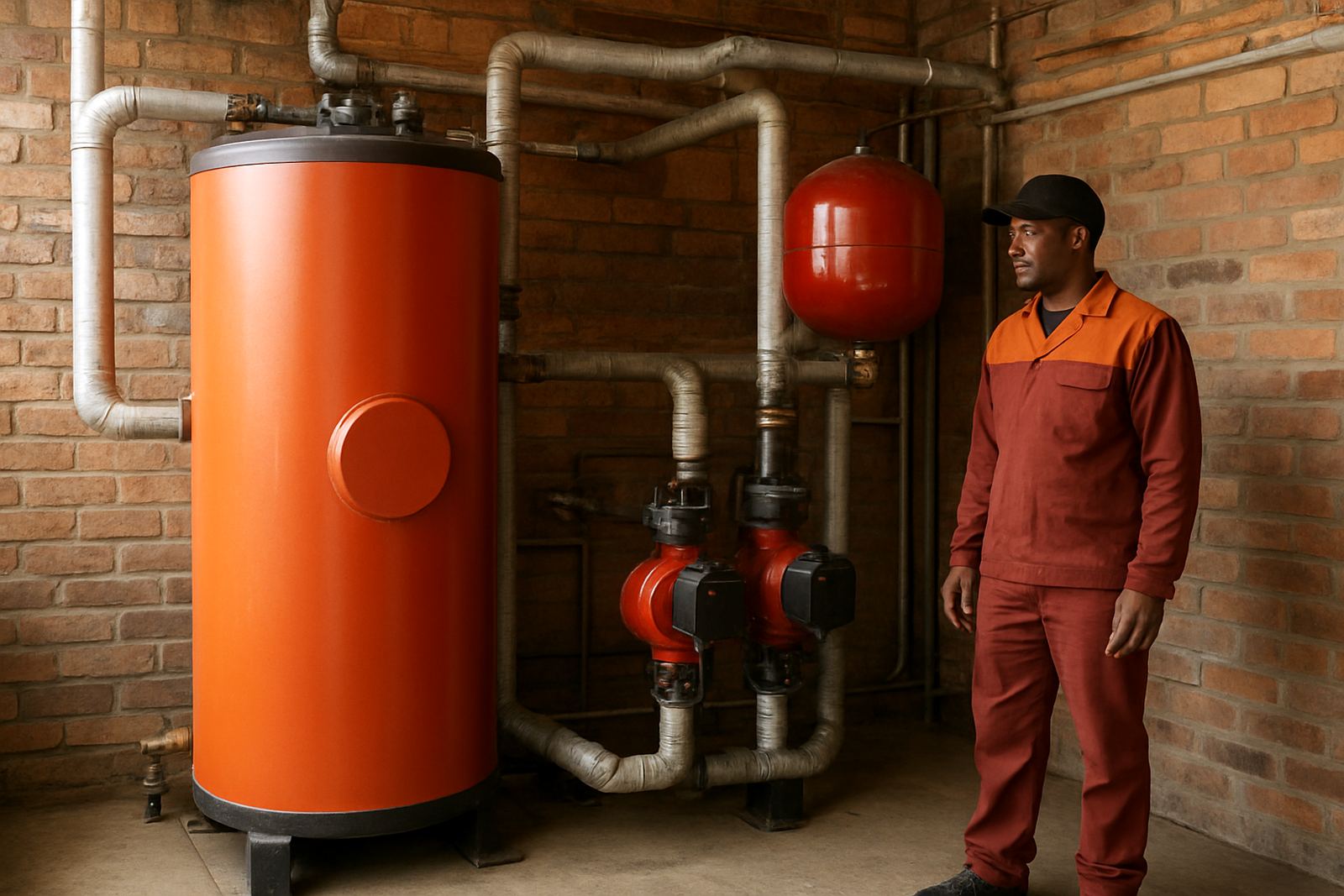
A hot water boiler heats water for circulation through radiators, fan coil units, heat exchangers, washdown lines and process equipment. It is used where a site needs controlled hot water for daily operations, not just a kettle style water heater at one point of use. In practice, the boiler forms part of a closed loop system with pumps, expansion control, valves and safeties.
These units are common in factories, hospitals, schools, food prep areas, commercial buildings and wash bays. We supply units for smaller plant rooms as well as larger installations that need steady output through the day. For coastal sites, humidity and salt in the air can affect steelwork and controls, so material choice and cabinet protection matter from the start.
Sizes, outputs and system options
Hot water boilers are selected by heat load, return temperature, flow rate and the hours the plant runs. A small plant room may need a compact unit for intermittent use, while a processing site may need a staged bank of boilers to keep water temperature steady during shift changes and load-shedding events. We work with steel, cast iron and sectional arrangements depending on the application and available plant space.
- Typical outputs from 150 kW to 5 MW and more, depending on site demand
- Water temperatures commonly set between 60 °C and 90 °C for closed loop duties
- Single boiler or multiple boiler banks with lead and standby control
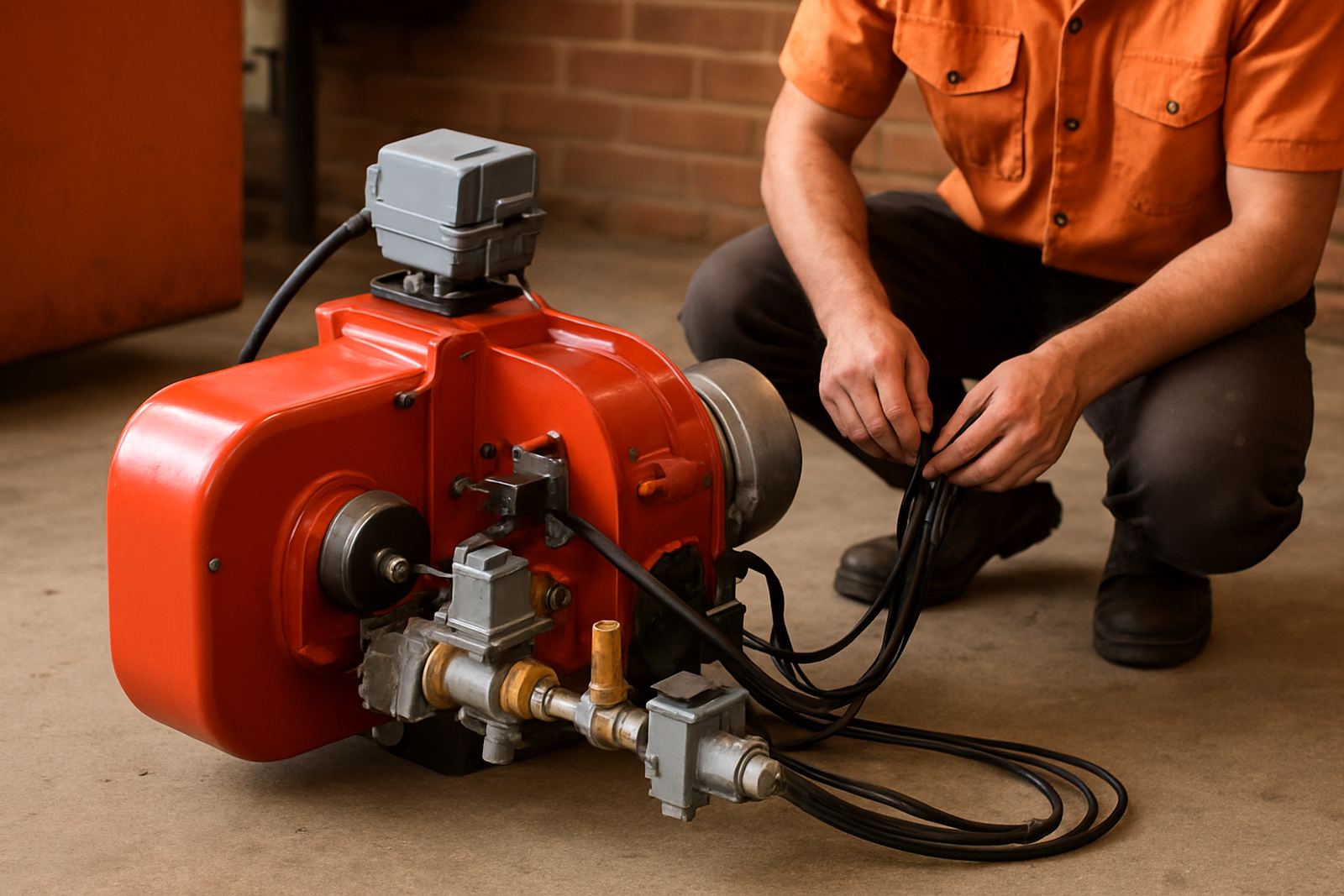
- Gas fired, electric or indirect fired arrangements, subject to supply and utility availability
- Weatherproof or indoor plant room installation, with flue and ventilation matched to the unit
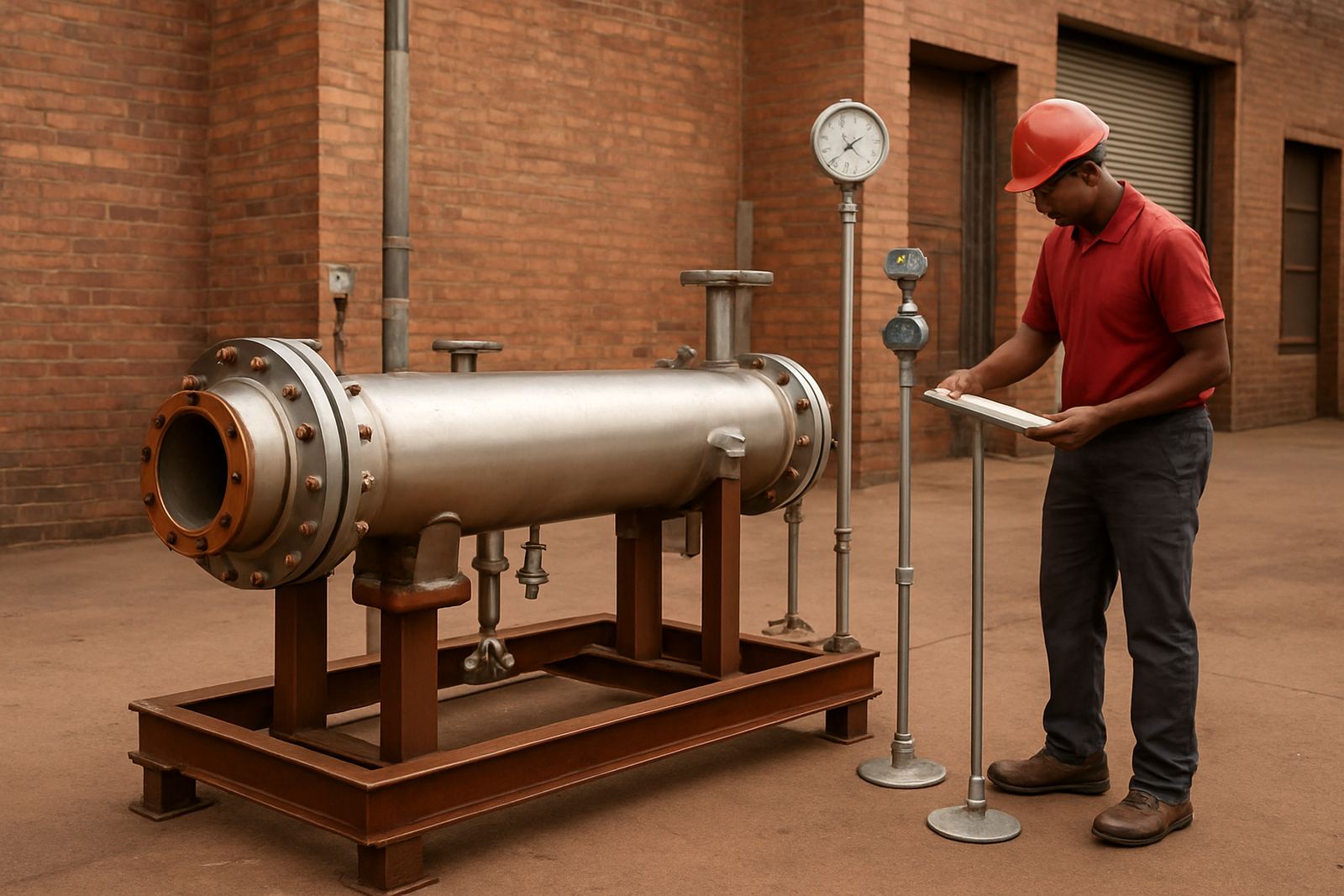
We can also include pumps, strainers, buffer vessels, controls and water treatment accessories where the duty calls for it. That helps reduce short cycling and wear on burners, valves and contactors.
Where these boilers suit South African sites
Hot water boilers suit any operation that needs dependable hot water at volume and temperature. In Gauteng they are often specified for office blocks, schools, laundries, car wash plants, housing estates and industrial washdown systems. On colder Highveld mornings, a properly sized boiler keeps supply stable when demand rises before the shift starts.
They also work well where process heat must be separated from domestic hot water. That is useful in plants where municipal supply is inconsistent, where water pressure varies, or where a shutdown on one line must not stop the entire site. For sites in Pretoria, Midrand, Kempton Park, Boksburg and Germiston, our teams can assess space, access and service clearances before any install starts.
- Central heating systems for offices, clinics and accommodation blocks
- Process heating for production, cleaning and rinse duties
- Wash bays, kitchens and laundry plants
- Sites with limited municipal water pressure or variable supply
- Premises needing standby capacity for planned outages or load-shedding
Installation, power and gas requirements
Correct installation starts with the plant room layout, pipe sizing, flue route and ventilation. A boiler needs enough combustion air, proper access for servicing, and safe discharge routes for condensate where relevant. If the unit is gas fired, supply pressure and meter capacity must be checked before ordering, because a boiler that is undersupplied on gas will not hold temperature under load. For electric units, supply capacity, cable sizing and switching gear need to be matched to the demand.
We also check mounting, vibration isolation, insulation and drainage around the base. In many commercial plants, there are municipal and insurance requirements for clear access, emergency isolation and signage. If the site has a fire installation plan or internal permit system, we work to that. Good prep saves time, and it stops costly rework later.
- Electrical supply and load calculation for electric boilers
- Gas pressure, metering and venting checks for gas fired units
- Flue size, route and termination suited to the building
- Expansion vessel, safety valve and pump arrangement matched to system pressure
- Isolation valves and drain points fitted for maintenance access
Care, servicing and water treatment
Boilers last longer when water quality is controlled and servicing is done on schedule. Scale, sludge and poor chemical balance reduce heat transfer and can push fuel use up. On South African sites, this becomes a bigger issue where hard water is used or where topping up happens often after leaks. Regular checks help prevent corrosion, pump strain and false trips.
Our service teams handle annual inspections, combustion tuning, burner checks, control testing and safety valve inspection. We also assist with water treatment support, because boiler water chemistry should suit the system and the local water conditions. On coastal sites, external corrosion and electrical moisture ingress need attention too, so we inspect covers, terminations and cabinet seals at the same time.
- Check burner performance and combustion settings
- Inspect pumps, strainers and control sensors
- Test safeties, interlocks and temperature controls
- Monitor water quality, blowdown and make-up water levels
- Repair insulation and casing damage before it spreads
What to check before you order
Before a boiler is specified, we need the heat duty, operating hours, water temperature target and the space available in the plant room. We also look at the fuel source, electrical supply and the distance to the point of use. If the system must run during outages, we can discuss staged capacity, backup strategies and practical changeover points. That is often the difference between a useful installation and one that struggles during peak demand.
When you send us a request, include the site address, photos of the plant room if available, and any old nameplate details from the current unit. If you are replacing equipment, tell us why the old boiler is being changed. Common reasons are age, tube or shell damage, poor efficiency, repeated breakdowns, or parts that are no longer easy to source. We can then advise on the right configuration, not just a like-for-like replacement.
After-sales support from Jet Park and beyond
Ai-TEC was founded in 2009 and continues to support boilers, calorifiers, inline heaters and incinerators for commercial and industrial sites. Our Jet Park, Boksburg base supports service teams in Boksburg, Kempton Park, Germiston, Pretoria, Midrand and Sandton, with national travel for larger jobs. That means one point of contact for supply, installation, plant refurbishment, emergency callouts and planned maintenance.
If you need a hot water boiler for a new build, an upgrade or a replacement on an existing plant, we can size the duty and plan the work around your shutdown window. Keep the order practical, keep the service access clear, and the system will give better value over time.
Key facts
| Product type | Commercial and industrial hot water boiler |
|---|---|
| Typical duty | Central heating and process hot water |
| Output range | 150 kW to 5 MW and above, subject to design |
| Temperature range | Commonly 60 °C to 90 °C flow |
| Fuel options | Gas fired, electric or indirect fired |
| Service area | Gauteng and nationwide service support |