What a horizontal calorifier does in a busy plant room
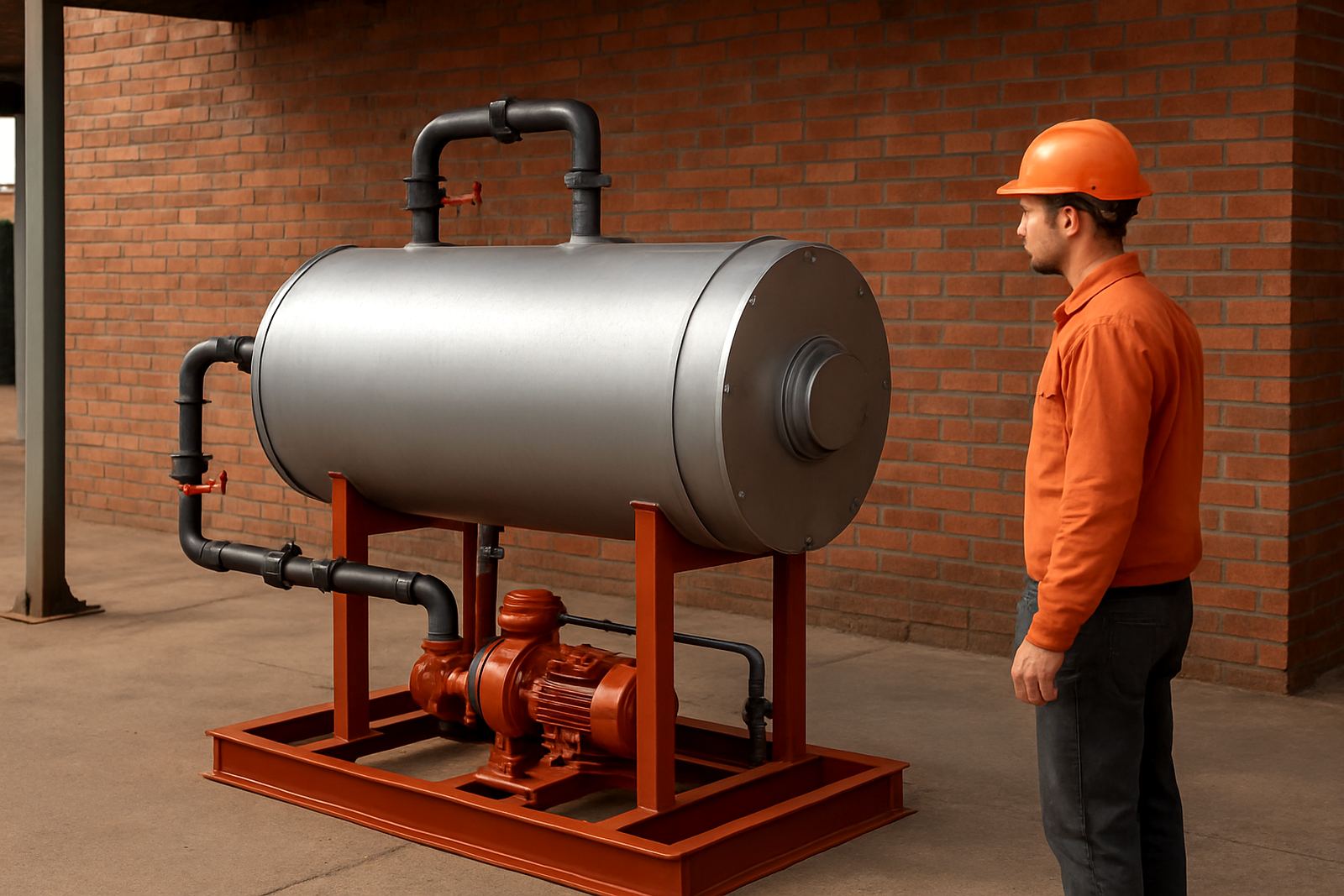
A horizontal calorifier stores hot water in a cylindrical vessel laid on its side, with an internal heat exchange coil or bank that transfers heat from steam, boiler water or another primary circuit into the stored domestic hot water. It is a practical choice where ceiling height is tight, access is awkward, or the plant room already carries pumps, pipework and treatment equipment that leave little room above the tank.
These units are common in hotels, hospitals, clinics, schools, laundries, factories, staff ablution blocks and residential complexes that need steady hot water through the day. In winter across Gauteng, and in coastal sites with higher humidity and corrosion risk, the right material choice and service plan matter just as much as capacity. A poorly selected unit can waste energy, pull down water temperatures too fast, or become difficult to maintain once installed.
Sizes, materials and build options
Horizontal calorifiers are built in a range of storage sizes and pressure ratings, with custom options depending on the duty and available floor area. Typical commercial units start at around 300 litres and can run into several thousand litres for higher demand sites. They may be supplied as single vessels or in duty and standby arrangements for sites that cannot afford downtime.
- Storage sizes: 300 litres to 10 000 litres and above, depending on application
- Working pressure: low pressure and medium pressure options available
- Heat source: steam, boiler hot water, electric boost or indirect coil heating
- Construction: carbon steel with protective lining, stainless steel, or site-specific material selection
- Insulation: factory applied or site fitted insulation jackets for lower standing losses
- Fittings: inspection covers, temperature sensors, drain connections, relief valves and manways where required
For sites with aggressive water conditions or higher chloride content, material choice and water treatment support become important. In some areas, especially near the coast or where borehole water is used, we will often recommend a stronger corrosion control plan and closer inspection intervals than the standard annual check.
Where horizontal calorifiers suit best
Horizontal calorifiers suit plant rooms that have good floor space but limited headroom, for example under beams, inside basement services areas, or in older buildings where the original hot water plant was never designed for today’s demand. They also work well where maintenance teams need clear access around the vessel for cleaning, inspection and valve replacement.
They are often specified for:
- Hotels and guest houses with peak morning and evening demand
- Hospitals and clinics that need stable hot water for sanitation
- Factories with changerooms, showers and wash bays
- Schools, universities and training centres
- Body corporate blocks and mixed-use buildings
- Laundries and food preparation areas with continuous hot water draw-off
If the building has load-shedding exposure, a horizontal calorifier can be arranged to work with boiler plant, diesel back-up systems or staged electric boosting where the site allows it. The goal is simple: keep hot water available even when the power supply is not stable and the site team is already under pressure.
Installation needs, utility connections and site checks
Correct installation starts with the duty calculation, available floor loading, access routes and the heat source. A large horizontal calorifier is not only about the tank itself. You also need enough room for lifting, pipe connections, circulation pumps, safety valves, drainage and future maintenance. On tighter sites in Johannesburg, Pretoria and the East Rand, this can make the difference between a tidy installation and a plant room that becomes difficult to service after the first year.
Before order and installation, check the following:
- Available floor space and door or hatch sizes for delivery
- Headroom above and around the vessel for maintenance access
- Primary heat source capacity from boiler, steam line or electric supply
- Cold water supply pressure and hot water demand profile
- Drainage point for blowdown, drainage and cleaning
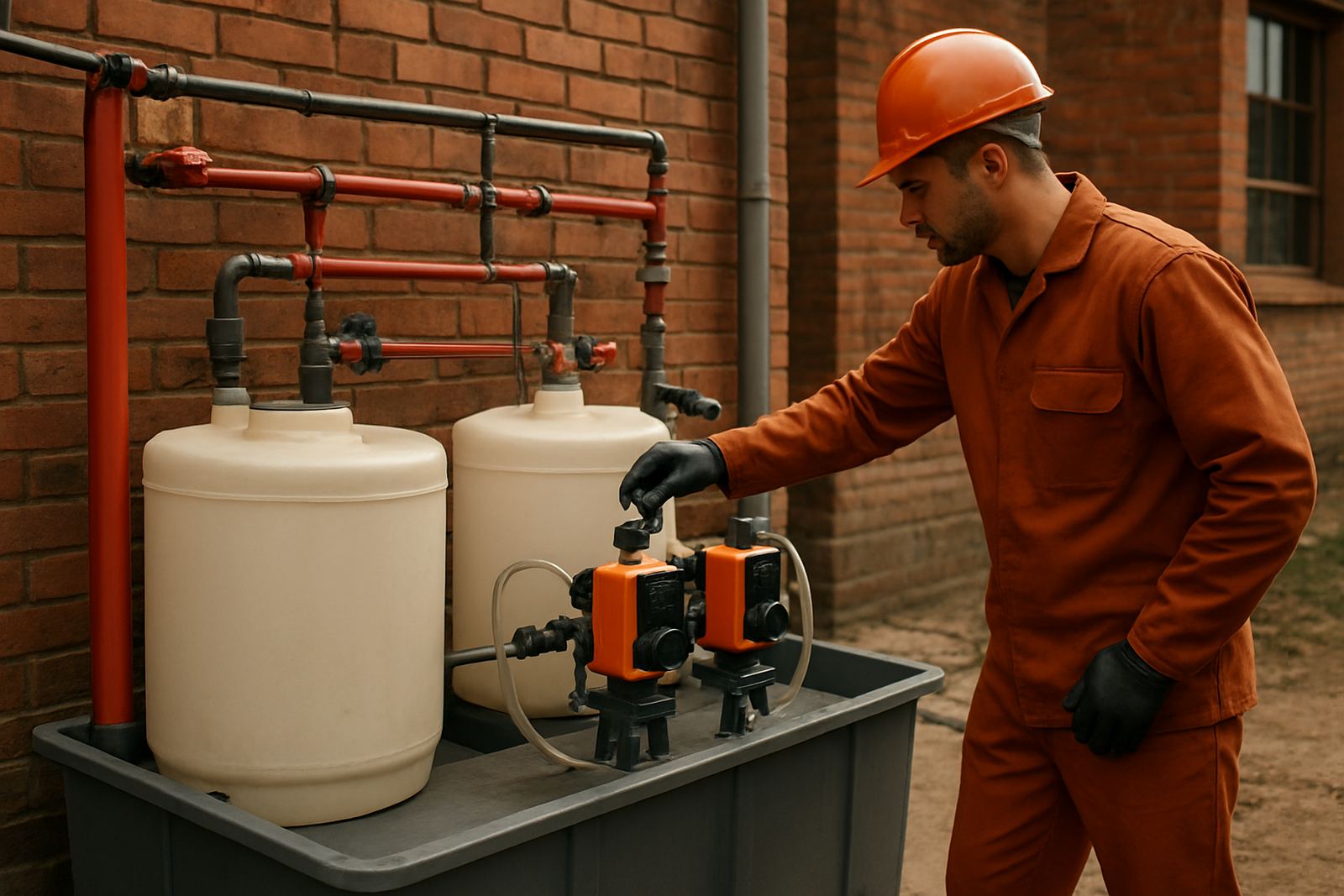
- Water quality and whether treatment dosing is already in place
We also look at municipal and site rules where relevant, especially for safety valves, discharge lines and access around pressure equipment. If the unit is tied into a boiler system, the control logic and set points need to be matched so the calorifier heats properly without short cycling or unnecessary energy use.
How to keep output steady and energy use under control
Hot water plant performs best when scaling, sediment and heat transfer losses are kept under control. Over time, poor water quality can reduce heat transfer, slow recovery times and push energy use up. That is why calorifier care should never be treated as a once-off purchase. It needs routine checks, especially on high use sites where showers and kitchens draw heavily on the same system.
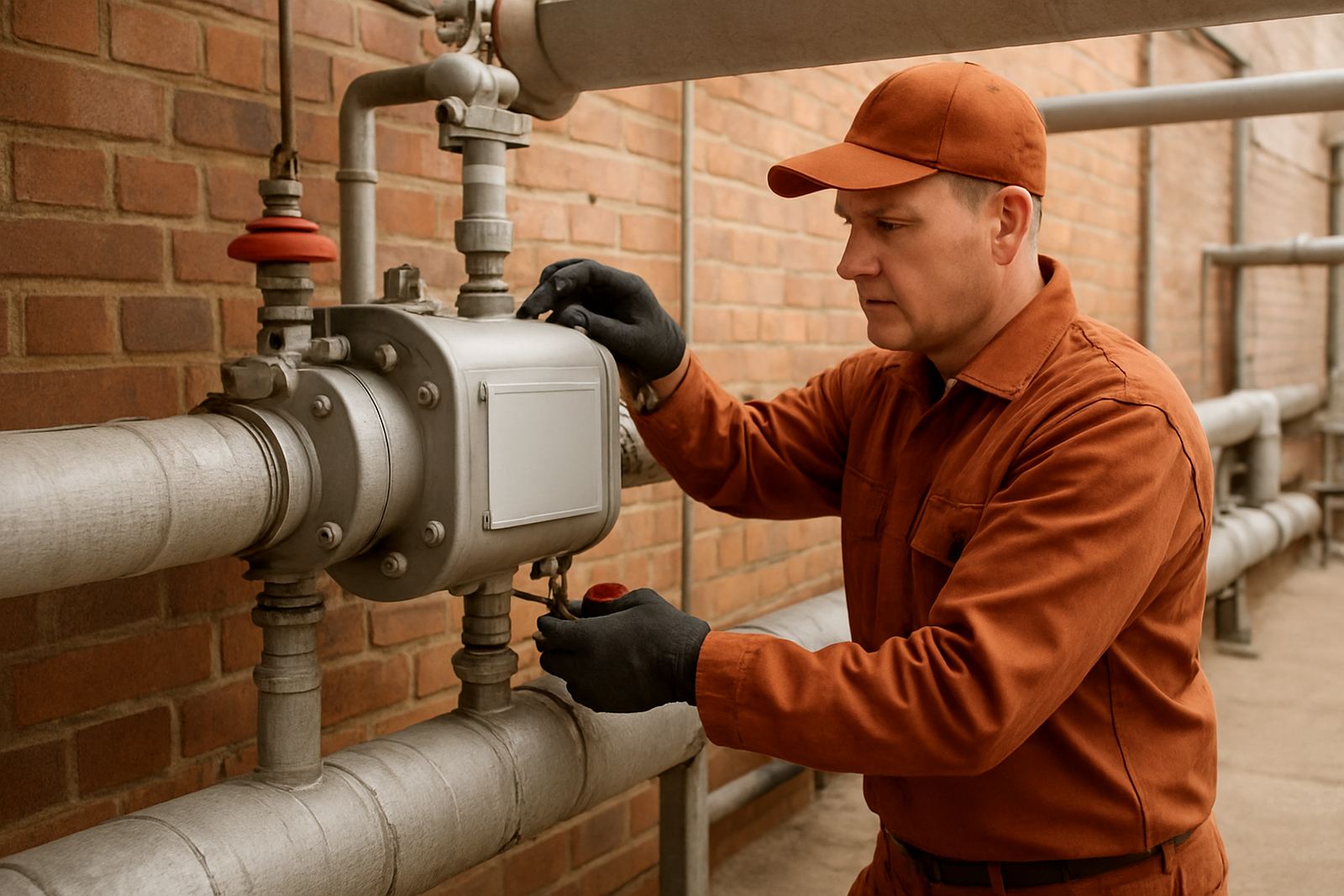
Our service teams handle inspection, cleaning and support work on calorifiers as part of planned maintenance or urgent callouts. Common maintenance tasks include checking thermostats, inspecting coils, testing relief valves, cleaning strainers, checking insulation damage and confirming that the vessel is recovering to the correct temperature after peak use. A small leak or failed valve can be easy to ignore until the first cold morning or a peak production shift, then the pressure is on.
Where boilers feed the system, combustion tuning and water treatment support help protect the calorifier and lower fuel waste. If the site has repeated problems with temperature swing or slow recovery, we usually check pump flow, control settings, fouling and demand pattern first rather than just increasing the setpoint.
What to confirm when ordering a horizontal calorifier
If you are specifying a new unit or replacing an old vessel, a few practical details will save time on site and avoid a rework later. The first is hot water demand. If the plant serves showers, laundries or process washdown, the draw-off pattern matters more than the nameplate capacity. The second is the heat source, because steam, boiler water and electric boosting each need different connection details and control logic.
When you send us an enquiry, include as much of the following as you can:
- Required storage capacity in litres
- Peak hot water demand and operating hours
- Available heat source and supply temperatures
- Site location and access constraints
- Preferred material, lining or corrosion protection needs
- Any existing pipe sizes, pump details or control panel information
If drawings are available, send them through with photos of the current plant room. That helps us confirm fitment, access and service clearances before delivery. It also reduces the chance of mismatched connections, wrong orientation or missed fittings. For older buildings, it is often worth checking the old unit on site aswell, because past alterations are not always reflected on paper.
Ai-TEC support for supply, repair and planned maintenance
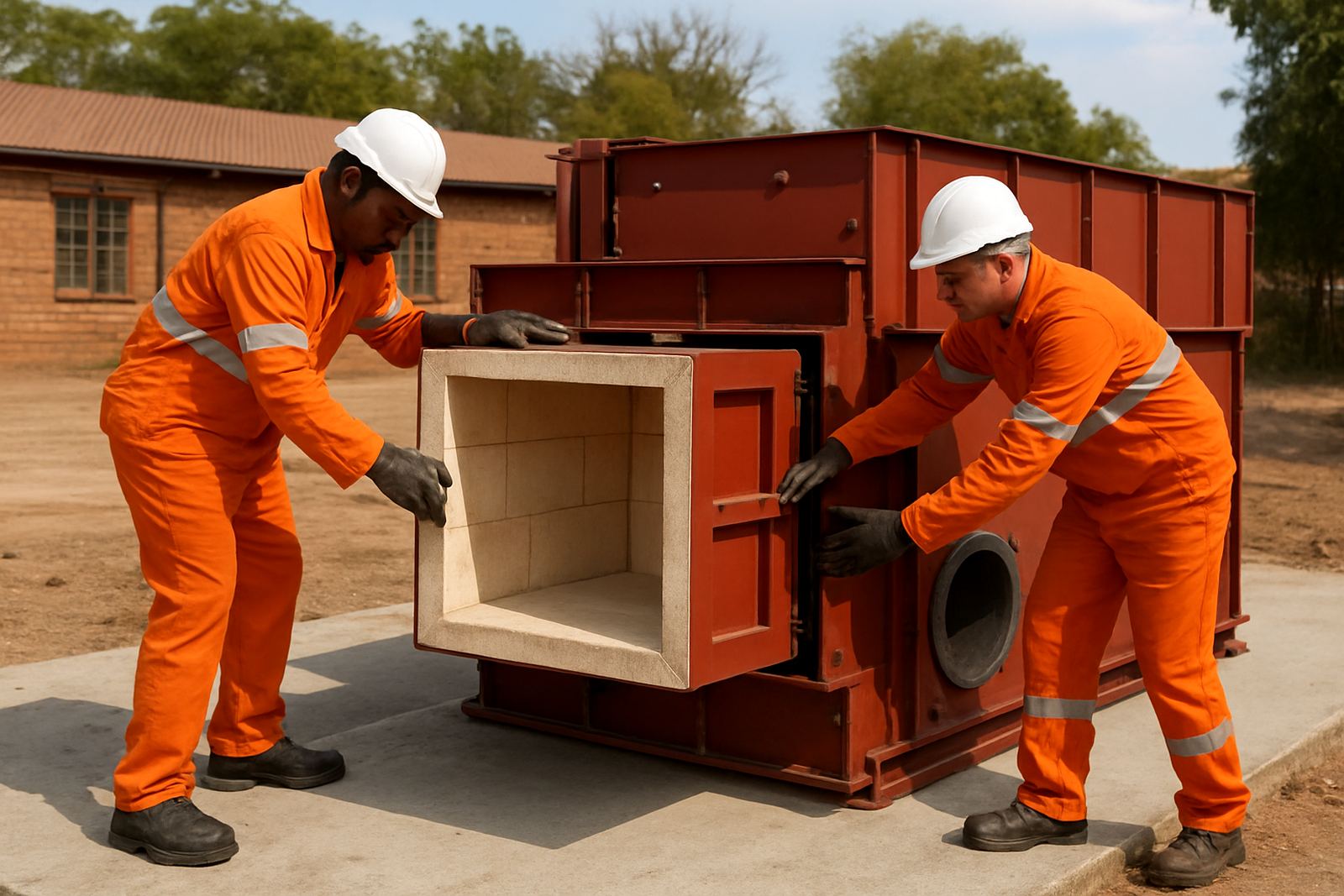
Ai-TEC was established in 2009 and continues to support commercial and industrial hot water plant from our Jet Park, Boksburg base. Our team works across Gauteng and sends service crews nationally for installations, fault finding and scheduled maintenance. We handle boiler servicing, calorifier maintenance, inline heater repairs, incinerator servicing, emergency callouts, combustion tuning, refractory relining, water treatment support, annual inspections and plant refurbishment.
Whether you need a new horizontal calorifier, a replacement for an ageing unit, or routine work to keep an existing vessel performing properly, we can help with supply and field support. For plant managers and maintenance teams, the key is simple: get the right size, the right material and the right service plan from the start, so the system keeps up when the site is under pressure.
Key facts
| Product type | Horizontal calorifier for commercial and industrial hot water storage |
|---|---|
| Typical capacity range | 300 litres to 10 000 litres and above |
| Heat source options | Boiler hot water, steam, electric boost or indirect heating |
| Common materials | Carbon steel with lining, stainless steel, site-specific corrosion protection |
| Working pressure | Low pressure and medium pressure configurations |
| Typical applications | Hotels, hospitals, factories, schools, laundries and residential complexes |