What an electric boiler does on site
An electric boiler heats water by passing electrical power through elements or immersion packs inside a pressure vessel. The result is hot water or low to medium pressure process heat without a flame, without a burner and without a flue system. That makes it useful where indoor air quality matters, where gas permits are awkward, or where the plant room is tight and ventilation is limited.
For many Gauteng facilities, electric heat is also a practical answer during planned shutdowns, tenant upgrades and smaller process loads. You get direct heat with simple controls, quick start up and a compact footprint. It is not the answer for every duty, but when the load is right it can be very dependable and straight forward to manage.
Typical sizes, duties and package options
Electric boiler packages can be built for small control duties or for larger continuous demand. We normally match the vessel, element bank and controls to the actual load, rather than guessing from floor area or previous plant size. That helps avoid oversizing, which can push running costs up, and it also reduces nuisance trips when demand changes through the day.
- Small packaged units for local hot water or light process support
- Mid-size units for washdown, kitchen, laundry, sterilising or plant support
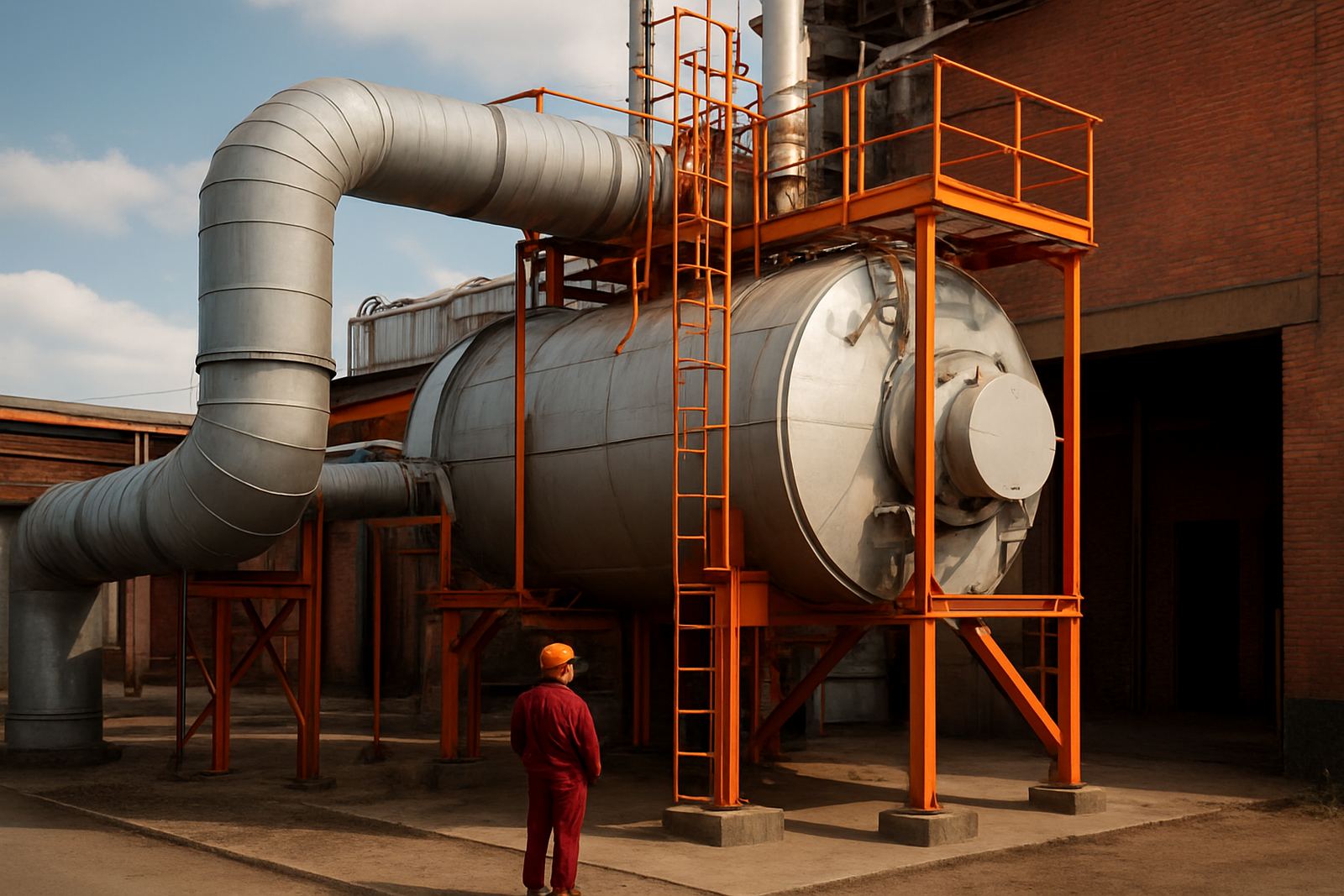
- Larger sectional or skid-mounted packages for continuous industrial duty
- Single-phase or three-phase electrical supply, depending on the load
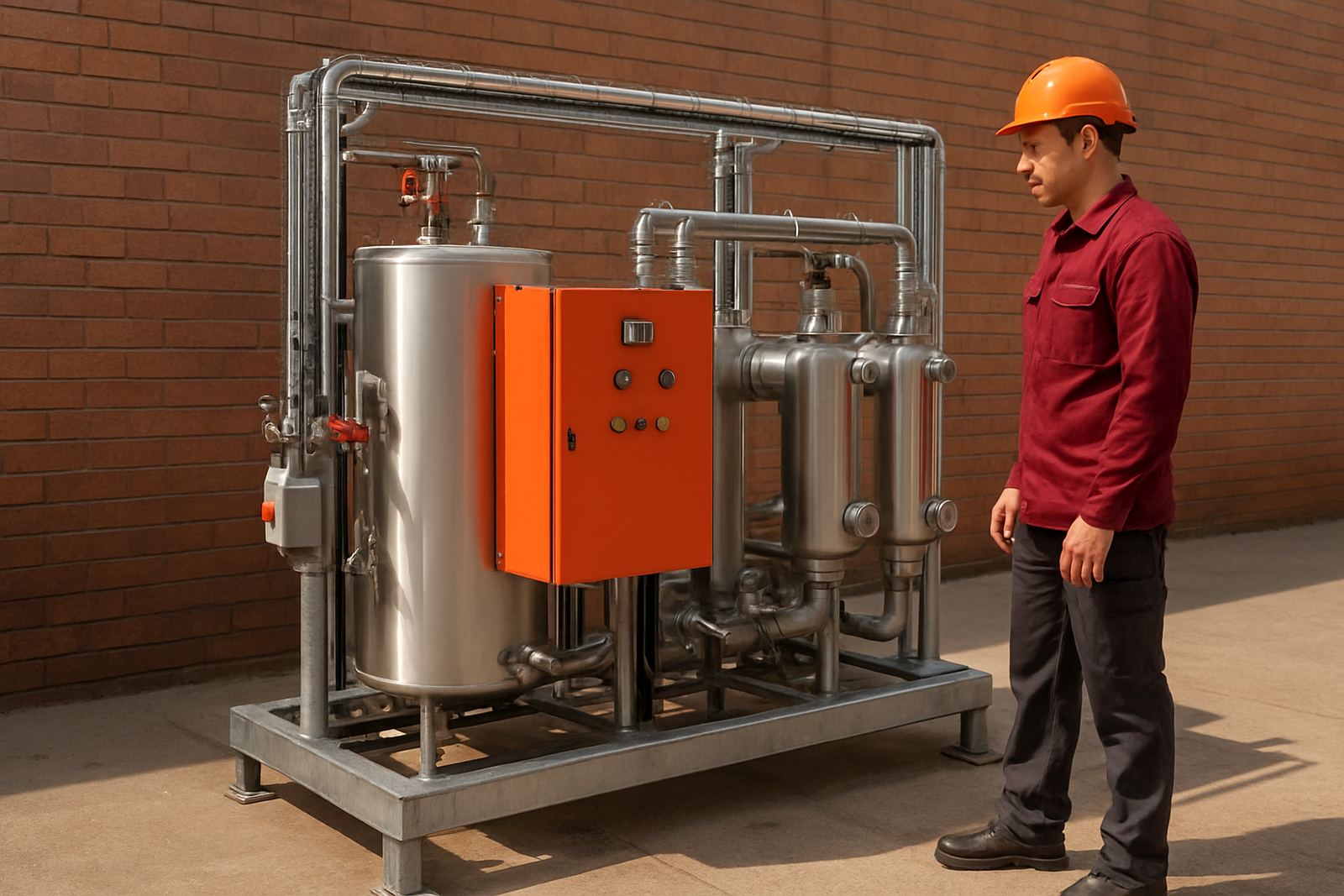
- Manual, staged or fully automatic control panels with temperature safety cut outs
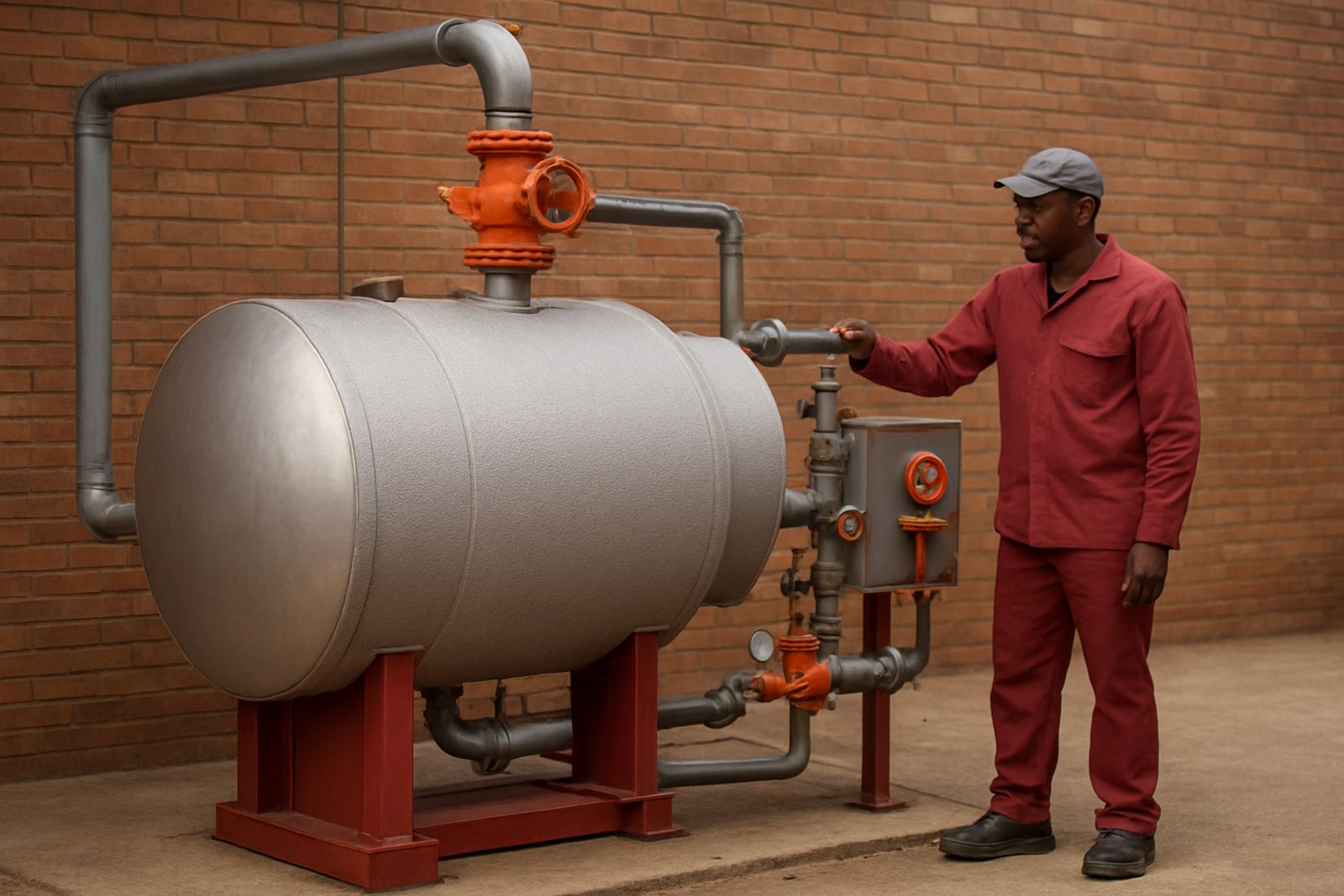
- Optional pumps, expansion vessels, isolating valves and monitoring instruments
Common working temperatures range from 60 C to 95 C for hot water duties, with pressure ratings selected to suit the application. For some plants we also specify duty and standby units, so maintenance can be done without stopping production. If your site needs a compact solution for an indoor room, electric heat can fit where a fuel-fired boiler simply wont.
Where electric boilers suit best
These boilers suit buildings and plants where combustion is not preferred or where local rules make a flame-based plant room difficult. They are often used in hospitals, laboratories, office blocks, food preparation areas, laundries, small factories, workshops and tenant installations where clean operation matters. They can also work well in coastal areas where fuel tanks, burners and flues need extra care against corrosion.
In Gauteng, many clients use electric boilers for add-on capacity during winter peaks or for specific process zones only. In commercial property, the advantage is often simple indoor siting and fewer external services. In industrial sites, the benefit is controlled heat for a defined duty, with less on-site handling than solid fuel or liquid fuel systems.
- No burner flame and no combustion gases in the plant room
- No fuel storage area required
- Compact footprint for tight boiler rooms
- Suitable where flue routes are difficult or not permitted
- Good option for controlled, intermittent or lower duty heat loads
Installation, electrical supply and site checks
Installation starts with a proper load review. The supply authority point, main distribution board, cable route and protection devices all need to be checked before order and not after delivery. Electric boilers draw significant current, so a site that looks ready on paper may need a transformer, upgraded cabling or additional protection devices before the package can be put into service. On some sites load-shedding backup also needs to be considered, because a boiler may be ready to run but the supply is not.
We look at incoming power, water pressure, available floor space, drainage, and maintenance access around the unit. If the boiler is going into a municipal or commercial property, the room also has to suit safety clearances, isolation valves and inspection access. In some cases we can supply the package as a skid with controls and pumps already arranged, which saves installation time and keeps pipework neater.
For sites in Boksburg, Kempton Park, Germiston, Pretoria, Midrand and Sandton, our teams regularly assess plant room conditions, cable space and water treatment arrangements before finalising the specification. That avoids the common mistake of choosing a boiler first and then trying to make the room fit it.
Care, servicing and water treatment
Electric boilers still need regular care even though there is no burner to service. Scale build-up on elements, poor water quality and loose electrical terminations can all reduce output or cause nuisance trips. Hard water, untreated top-up water and high solids are common reasons for element failure, especially where the boiler cycles often. A small fault left too long can become a full outage, so planned servicing is worth it.
Our maintenance checks normally cover element condition, vessel cleanliness, control operation, safety devices, pressure relief devices, terminal tightness and pump condition where fitted. We also check water treatment on the system side because good chemistry keeps the heat transfer surface clean and helps extend service life. If the unit is feeding a closed loop, the make-up rate should be watched as well, since constant top-up usually means a leak or valve issue somewhere else on the plant.
- Check water hardness and scaling risk at regular intervals
- Inspect elements for deposits, pitting and overheating marks
- Test thermostats, high limit cut outs and pressure controls
- Confirm all cable terminations are tight and free of heat damage
- Keep strainers, pumps and valves in working order
What to check before you order
If you are ordering an electric boiler, the most important details are the duty, the supply and the space available. We ask for the required flow temperature, operating hours, peak demand, standby preference and whether the load is for hot water or process use. That tells us whether you need a small packaged unit, a staged system or a larger custom build.
It also helps to know the available electrical supply, incoming phase, breaker capacity and whether any backup generation is in place. A boiler can be technically correct and still be a poor fit if the supply cannot carry the load. For the plumbing side, check the available inlet pressure, discharge arrangement, drain point and maintenance access. If the site has municipal limits on discharge or a strict plant room layout, tell us early so the package can be planned around it.
- Required temperature and pressure
- Peak and average heat demand
- Available electrical supply and standby power
- Water quality, make-up rate and treatment plan
- Plant room dimensions and access for maintenance
- Any municipal, landlord or safety restrictions
With the right details upfront, the order is cleaner and the install goes smoother. It also reduces the chance of costly changes after delivery, which is where projects usually lose time and money.
Key facts
| Type | Electric hot water and process boiler package |
|---|---|
| Typical output range | Small duty units to larger industrial sectional packages, sized to application |
| Operating temperature | About 60 C to 95 C, subject to design and duty |
| Pressure rating | Selected to suit site duty, system pressure and safety requirements |
| Power supply | Single-phase or three-phase, depending on capacity |
| Key options | Pumps, controls, expansion vessel, monitoring instruments and skid mounting |