What We Fix on Inline Heaters
Inline heaters fail in a few common ways, and most of them show up as slow heat-up times, unstable outlet temperature, pressure drop, nuisance trips or no heat at all. We repair failed heating elements, temperature sensors, thermostats, contactors, control relays, flow switches, circulation pumps and wiring faults on hot water and process heater skids.
Our team also checks for scale build-up, poor water quality, trapped air, undersized pipework and damaged insulation, because many heater problems are caused by the system around the unit, not only the heater itself. In Gauteng, hard water and dusty plant rooms often shorten the life of elements and controls, and coastal humidity can corrode terminals and enclosures if the heater is not sealed properly.
- Failed elements and partial heat output
- Sensor and thermostat faults
- Circulation and flow problems
- Control panel and starter issues
- Leak checks, seals and pipe connections
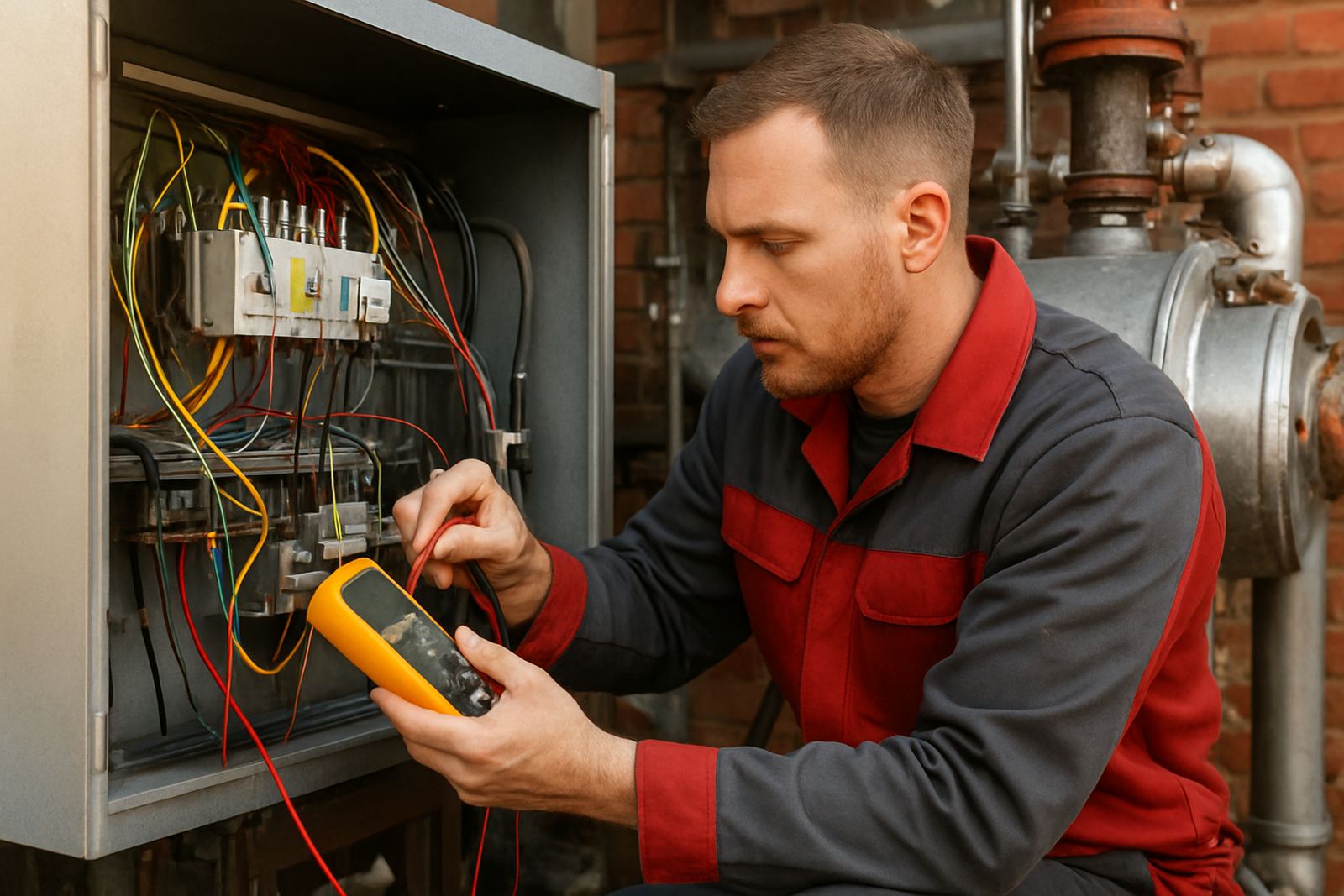
- Electrical testing and fault tracing
How Our Repair Process Works
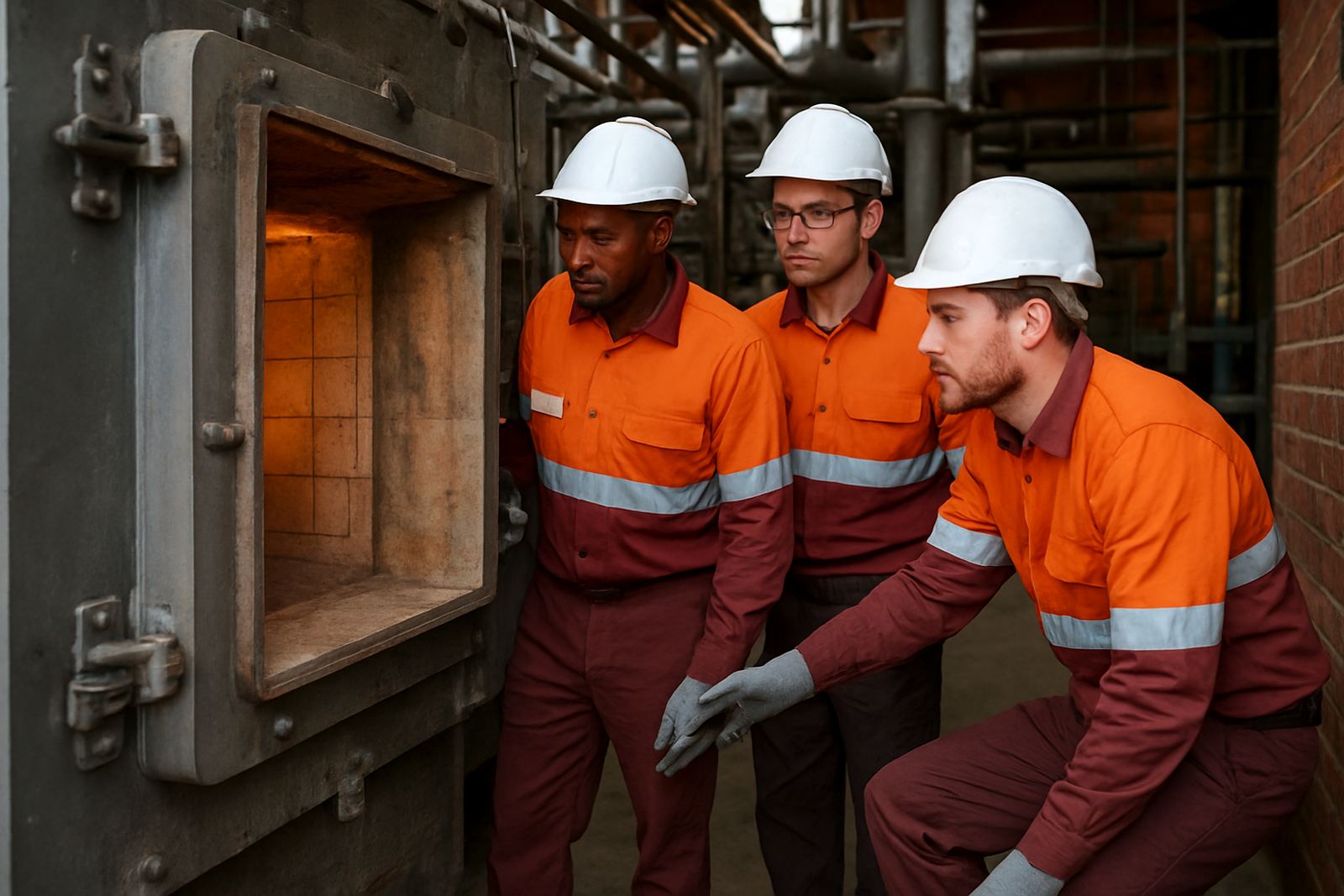
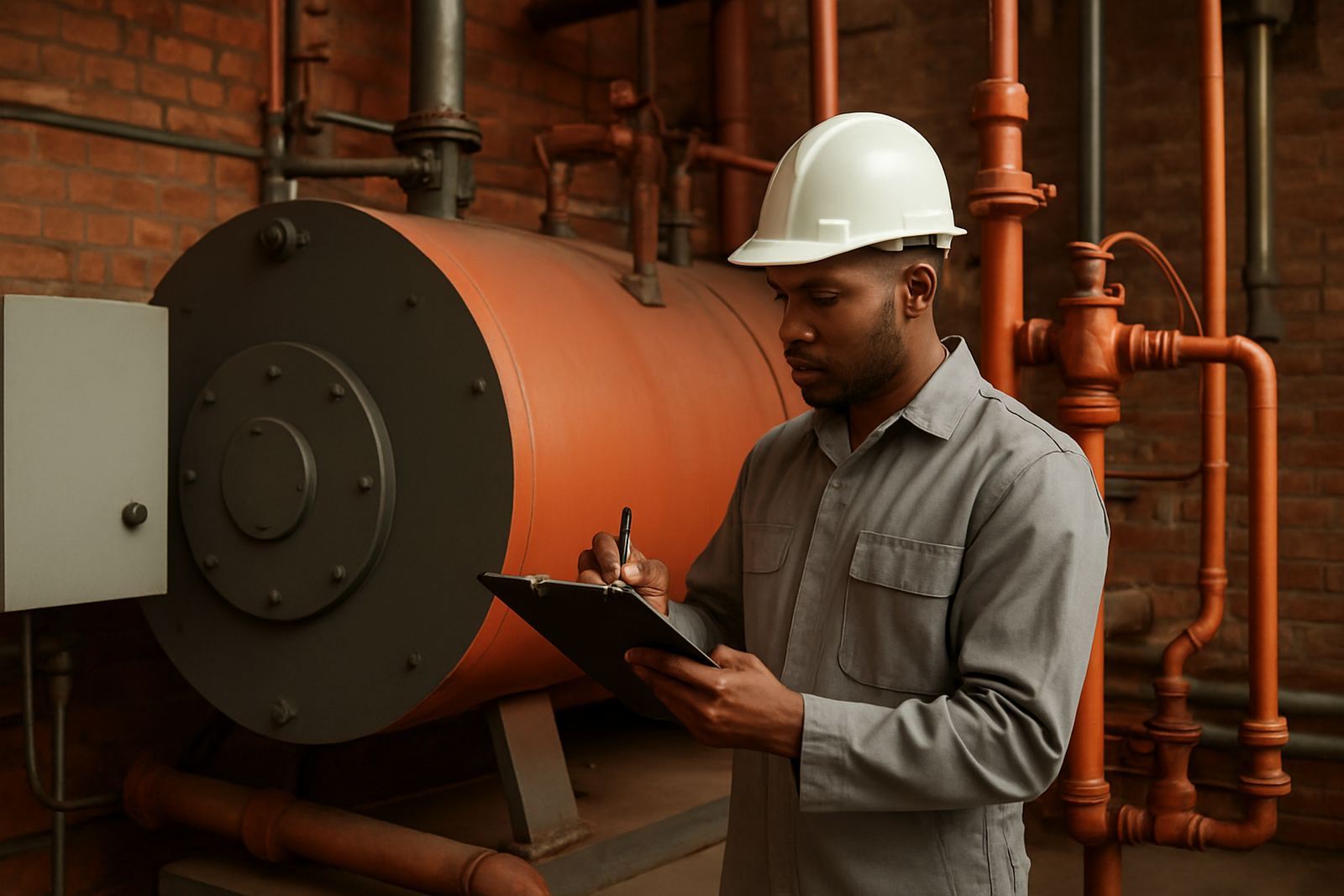
Every repair starts with a site inspection and fault diagnosis. We isolate the unit, test the electrical supply, confirm the water flow rate and check the heater internals before we quote any work. Where the unit can be repaired on site, we carry out the work there and then if parts are available.
If the heater needs workshop attention, our technicians remove the failed sections or the full unit, depending on the layout and the condition of the installation. We then test the repaired heater under load, verify temperature rise and check that the controls hold stable during operation. That is the part that saves trouble later, because a heater that runs on the bench but trips once back in service is not a proper repair.
- Attendance and fault finding
- Electrical and mechanical inspection
- Repair or replacement of faulty parts
- Reassembly, testing and recommissioning
- Handover notes and maintenance advice
Typical Turnaround and Callout Timing
Turnaround depends on the fault, access to the unit and whether parts are standard or must be fabricated. Minor repairs can often be turned around within the same day or the next working day in Gauteng, especially in Boksburg, Germiston, Kempton Park, Midrand and Sandton. More involved work, such as rewiring, control panel repairs or circulation issues in a plant room, may take longer if the system must be drained or isolated.
For urgent breakdowns we offer emergency callouts, particularly where hot water supply affects production, cleaning, food handling or welfare facilities. We plan around shutdown windows, weekend access and load shedding where needed, because a heater that is repaired without checking the supply dip and restart cycle can trip again as soon as power returns.
We keep turnaround practical and honest. If we can fix it quickly, we will say so. If the heater needs spares, re-tubing, relining or deeper electrical work, you will know upfront what is involved and how long the outage is likely to last.
Pricing Approach for Repair Work
We price inline heater repairs based on the fault, site access, travel, parts required and labour time. Simple sensor or contactor replacements are not priced the same as a failed element bank with burnt terminals or a circulation fault that needs pump work and recommissioning. If the unit needs fabrication or custom brackets, we include that clearly in the quote.
Where possible we separate diagnosis from repair so you can approve the work with a proper understanding of the fault. For repeat breakdowns, we often recommend a maintenance review instead of chasing the same issue every few weeks. That can save money when poor water treatment, worn valves or undersized circulation are the real cause.
We also look at whether repair is the right spend. If the heater casing is badly corroded, the element housing is cracked or the control gear is no longer safe, we will say if replacement or refurbishment makes more sense. No one needs to pay twice for the same failed unit.
Recommended Maintenance Intervals
Inline heaters should not only be checked when they fail. In most commercial and industrial settings, a six-monthly inspection is sensible, with annual strip-down and testing where the heater runs for long hours or feeds a critical process. In high scale areas or plants with frequent power interruptions, shorter intervals are often better.
Regular maintenance helps spot loose terminations, burnt contacts, drifting sensors, blocked strainers and early signs of scale. It also helps with compliance, especially where the heater forms part of a plant that needs documented inspections for insurers, internal audits or municipal and safety requirements. A unit that is ignored for two years usually arrives with more than one fault.
- Six-monthly visual and electrical checks
- Annual strip-down and performance test
- Water quality review where scale is present
- Review after any major power outage or plant trip
- Extra checks in dusty or humid environments
Local Support Across Gauteng and Nationally
Our base is in Jet Park, Boksburg, with service teams covering Boksburg, Kempton Park, Germiston, Pretoria, Midrand and Sandton. We also support industrial sites nationally where the work justifies a site visit, especially for multi-unit systems, production plants and facilities with planned shutdowns.
Ai-TEC was founded in 2009 and has long experience in boilers, calorifiers, inline heaters and incinerators, so our repair work is backed by practical plant knowledge, not just electrical fault finding. The team includes Pieter Fourie, Lerato Maseko, Pieter van der Merwe, Zanele Dlamini, Musa Khumalo, Ayesha Patel and Johan Smit, which means you deal with people who understand operations, service scheduling, fabrication and repairs from start to finish.
If your inline heater is tripping, underperforming or completely down, send the fault details, site location and a photo of the nameplate to engineering@ai-tec.co.za. That helps us plan parts and attendance properly, and it speeds up the first visit.
Key facts
| Service type | Inline heater fault finding, repair and recommissioning |
|---|---|
| Faults covered | Elements, sensors, controls, circulation, wiring and flow issues |
| Typical unit sizes | Small point-of-use to larger commercial and industrial skids |
| Operating temperatures | Common repairs for systems up to 90 °C and above, subject to design |
| Power supply | Single-phase and three-phase electric heater systems |
| Coverage | Gauteng and nationwide by arrangement |