What our incinerator servicing covers
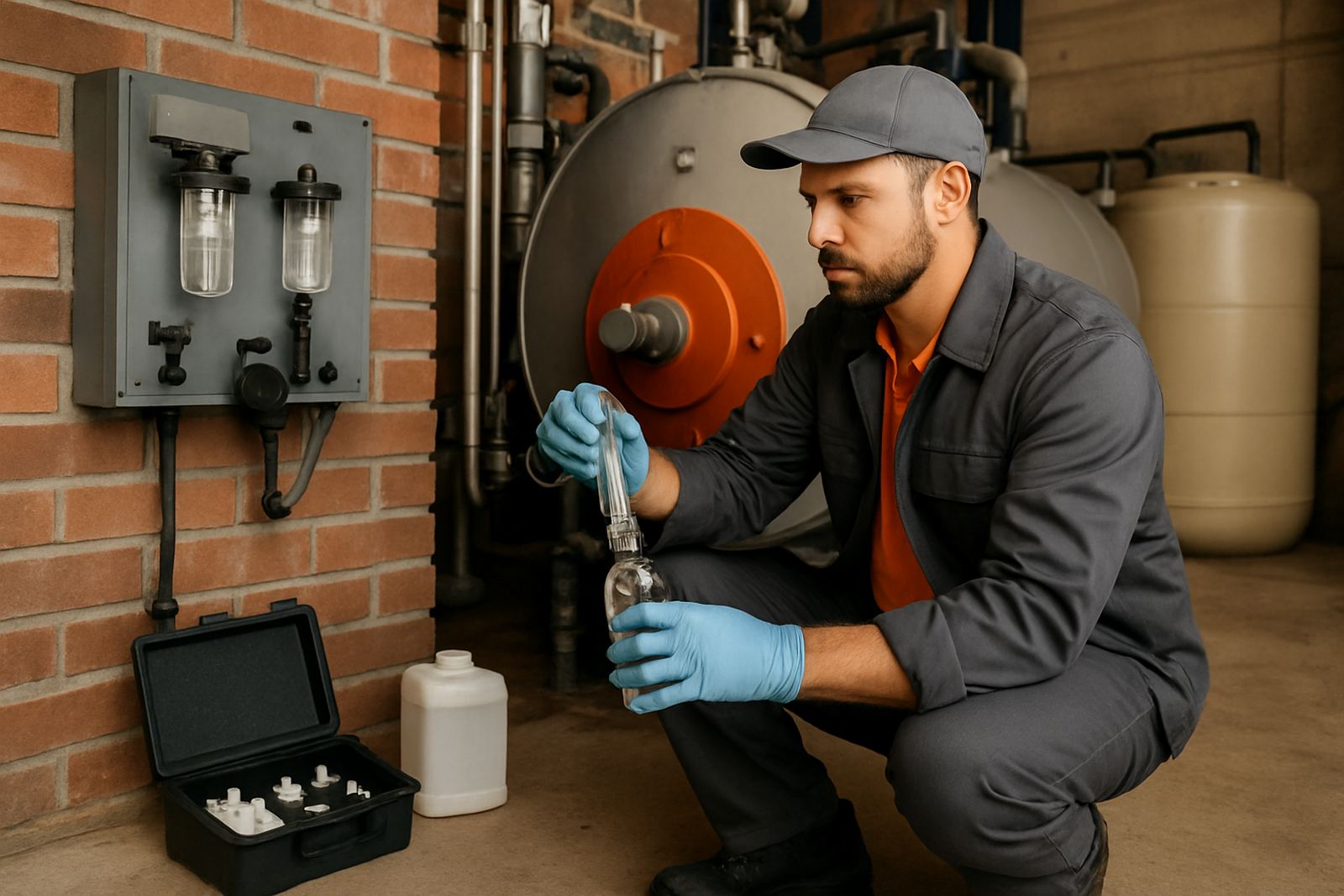
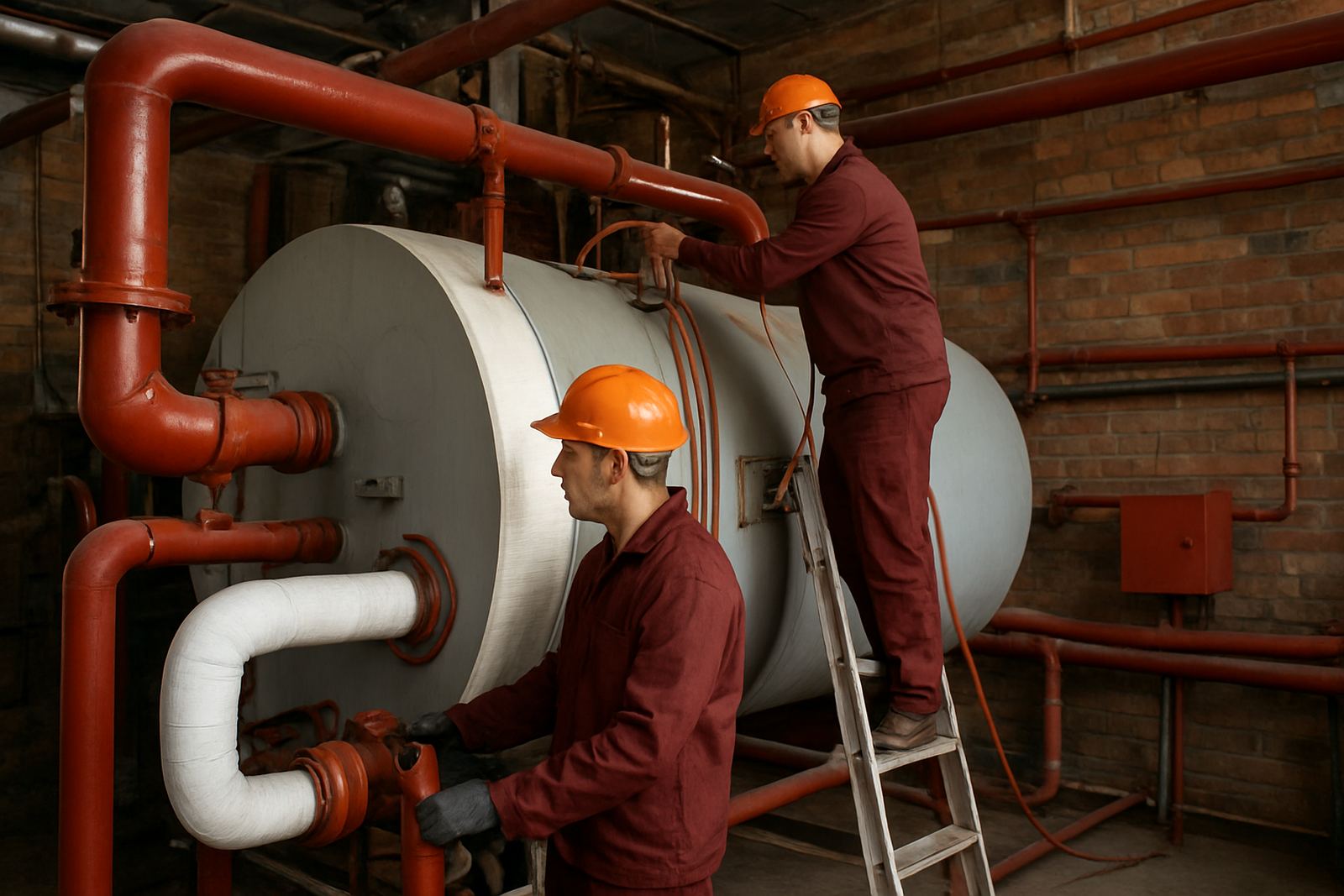
Incinerators work hard in hospitals, food plants, mortuaries, industrial sites and waste handling facilities, so the service cannot stop at a quick visual check. We inspect the hot face, burners, doors, seals, controls and the items that affect temperature stability and smoke output. The aim is to keep the unit burning evenly, reduce nuisance trips and prevent damage that becomes expensive later.
Our servicing is planned around the type of plant, the hours it runs and the condition of the refractory and combustion system. Where possible we work during shutdown windows to limit disruption. In Gauteng that often means evening or weekend access, especially where the plant cannot stop during business hours or where municipal rules and neighbour complaints need careful management.
- Burner inspection, cleaning and adjustment
- Refractory condition checks and patch repairs
- Door, hinge and seal assessment
- Control panel and safety device testing
- Flue path and draft checks
- Emission related plant item inspection
Detailed checks carried out during a visit
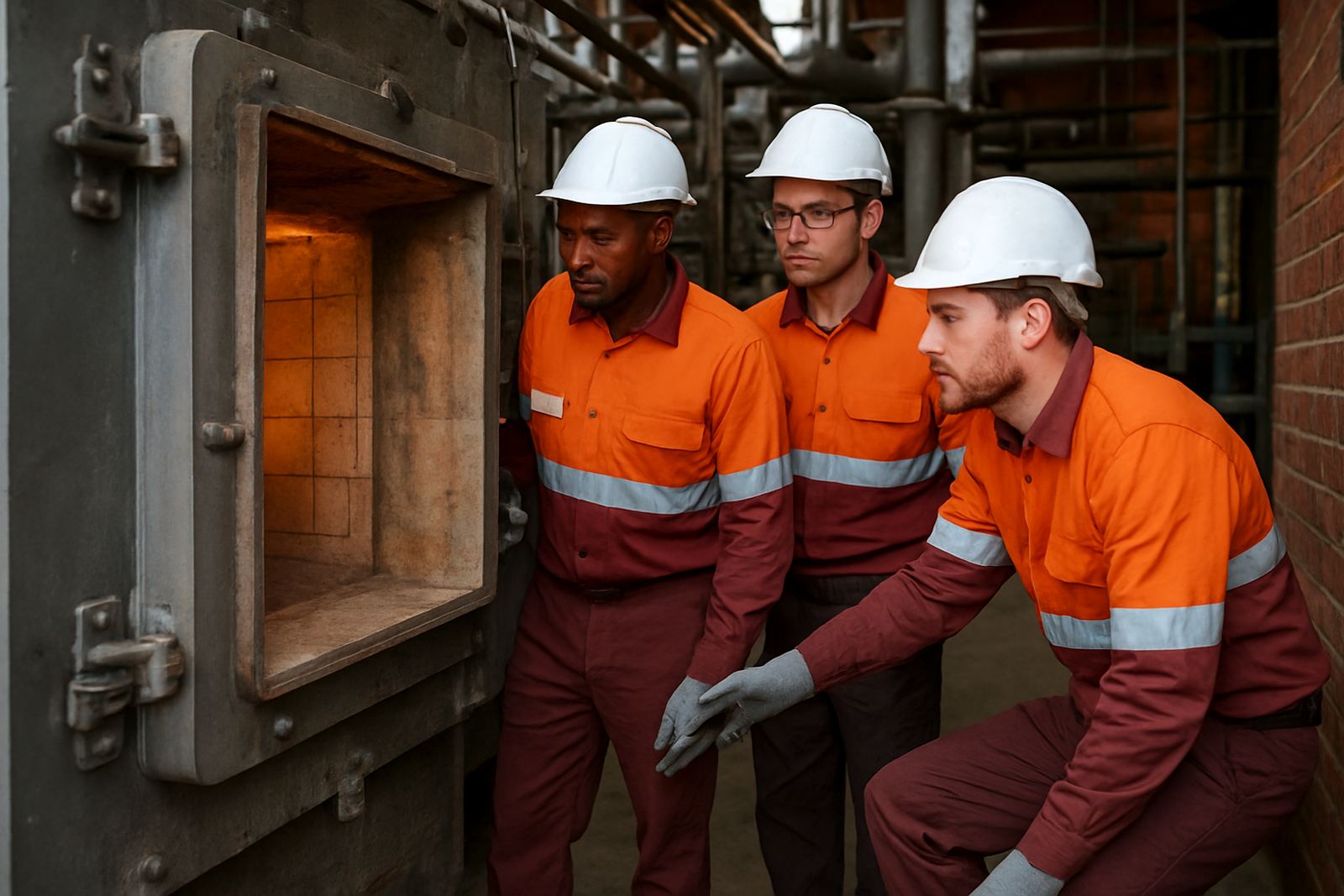
Each site gets a practical inspection plan. We open the unit safely, clean where needed and record the condition of the key wear parts. Where access allows, we measure wall thickness on exposed steel, check insulation loss, and confirm that the refractory is still holding shape and heat. If the chamber is hot-spotted or the door face is warped, we flag it before it spreads.
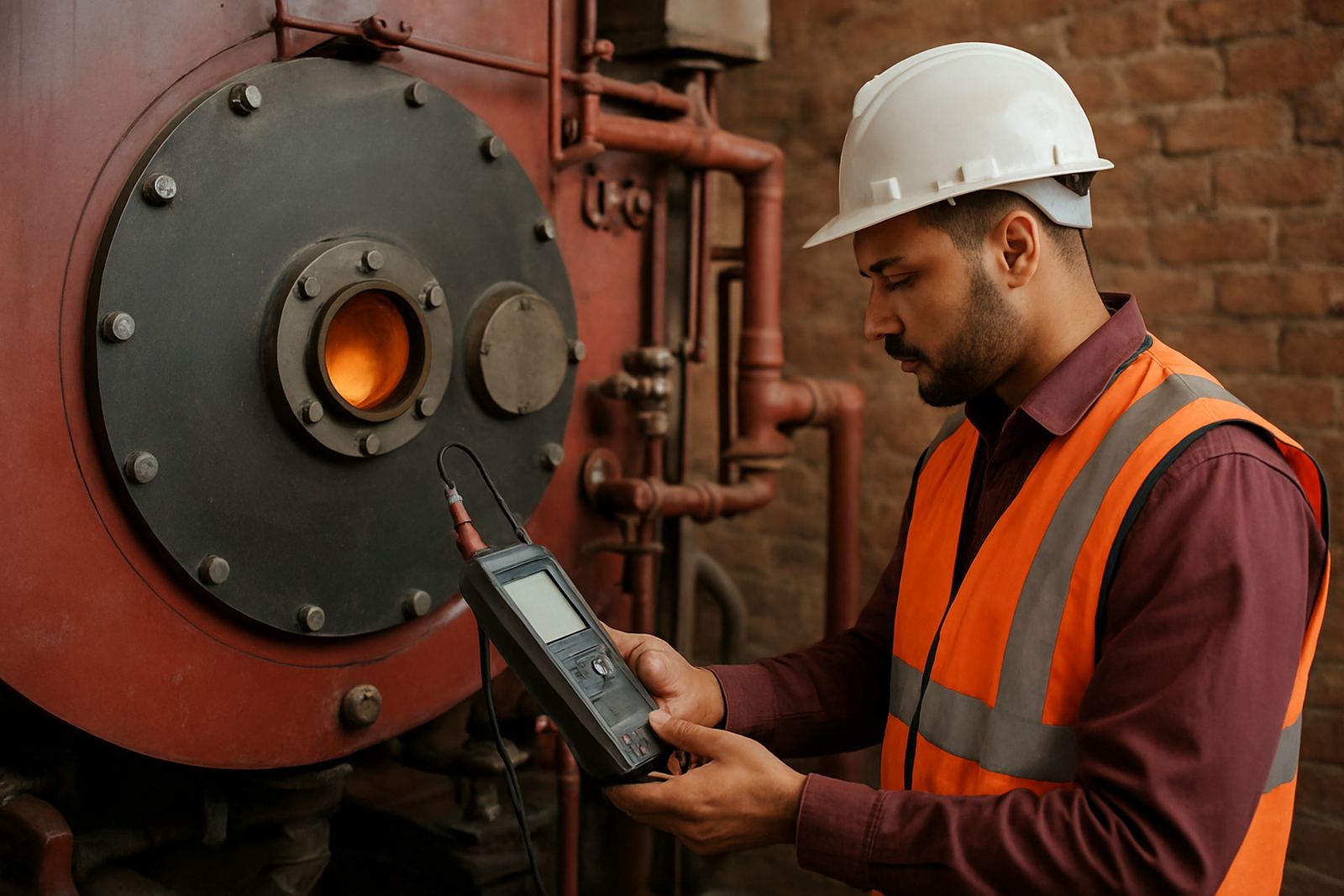
Our technicians then test the burner sequence and look at ignition quality, flame pattern, air supply and shutdown response. We also inspect temperature controls, limit switches, pressure-related safety items and any linked wash water or scrubber plant if fitted. The work is geared to real plant conditions, not a paper exercise.
- Combustion air path and fan checks
- Ignition system testing
- Flame observation and tuning
- Sensor, probe and limit switch testing
- Door alignment and locking hardware checks
- Flue, stack and draft observations
Where the plant is tied to a regulated process we can support records for annual inspections and maintenance logs. That matters for sites in Pretoria, Midrand and Sandton where facility managers often need proof of planned maintenance for internal audits and insurer queries.
Service process from callout to handover
We keep the process simple so operations staff know what will happen and when. Once we receive your call or email, we ask for the unit type, fuel used, size, symptoms and any recent faults. A service coordinator then arranges the visit and confirms access, shutdown time and safety arrangements. For older plant, pictures of the door, burner front and control panel save time on the first visit.
On site, our team isolates the equipment, carries out the inspection and reports on immediate defects. If minor repairs can be done during the same visit, we do them with your approval. If parts or refractory work are needed, we provide a clear scope and schedule the return visit. We leave the site clean and hand over the findings in plain language, not technical jargon.
- Pre-site phone assessment
- Planned site visit and safety isolation
- Inspection, cleaning and testing
- Repair recommendations and pricing
- Follow-up work if required
- Handover notes and maintenance record
Turnaround times and shutdown planning
Most routine servicing can be completed within a half day to one day, depending on the size of the incinerator and the amount of cleaning or adjustment required. If the refractory needs patching, door hardware replacement or burner repairs, turnaround extends to suit the work scope. We will never promise a finish time before seeing the unit, because hot-face repairs are often only clear once the chamber is opened.
For plants that run on tight shifts, we can plan the service after hours or over a weekend. That is common for facilities that cannot stop production, and for sites that want to avoid daytime noise or smoke complaints. In coastal humidity is less of an issue here in Gauteng, but moisture can still affect standby equipment, wiring and insulation if a plant is shut down for long periods.
If your site has repeated trips or slow heat-up after load shedding, we will check whether the issue is fuel supply, burner condition or thermal loss through damaged lining. That saves time because the fault is not always the first thing you see.
Pricing approach for service and repair work
We price incinerator servicing on a practical basis. The main factors are the size of the unit, the fuel system, access, the condition of the refractory, and whether the job is routine maintenance or fault repair. A well kept unit with only a cleaning and adjustment requirement costs less than a machine that needs patching, seals and control work.
Before work starts we provide a clear estimate for labour, callout, travel if outside Gauteng, parts and any specialist repair materials. If our inspection finds additional damage, we speak to the site manager before proceeding. That way there are no surprises on the invoice and no unnecessary stoppages.
For larger plants we can also bundle incinerator servicing with boiler servicing, calorifier maintenance or inline heater repairs where the same shutdown window is used. That is often the most economical route for factories, hospitals and industrial sites with more than one heat system.
Maintenance intervals that keep the plant dependable
The right interval depends on use, waste type and operating hours. A lightly used unit may only need a planned service every six months, while heavy duty plant can need monthly checks and a full service every quarter. Sites burning challenging waste or operating under high thermal stress should not wait for faults to appear.
As a rule, we recommend:
- Monthly visual checks by site staff
- Quarterly technical inspection for busy plants
- Six monthly full servicing for moderate use
- Annual deep inspection and refractory review
- Immediate attention after repeated trips or smoke issues
Regular maintenance also helps with emissions control, especially where burners are not running at the right air to fuel ratio. A plant that is tuned properly uses less fuel, starts cleaner and puts less strain on the refractory and door set. That matters when power costs keep rising and every litre or kilowatt counts.
Who looks after your service work
Ai-TEC was founded in 2009 and continues the same industrial support work that many Gauteng sites have relied on for years. Our team includes Pieter Fourie, Lerato Maseko, Pieter van der Merwe, Zanele Dlamini, Musa Khumalo, Ayesha Patel and Johan Smit, with fabrication and field support based at Jet Park in Boksburg. We service sites in Boksburg, Kempton Park, Germiston, Midrand, Sandton and Pretoria, and we travel nationally when the shutdown calls for it.
If your incinerator needs planned servicing, fault finding or a maintenance schedule that suits your plant, email engineering@ai-tec.co.za. Give us the model, the symptoms and the site location, and we will take it from there.
Key facts
| Service type | Planned incinerator servicing, repairs and condition reporting |
|---|---|
| Typical unit sizes | Small site units to heavy industrial chambers, site dependent |
| Key components | Burners, refractory, doors, controls, seals and flue items |
| Response area | Gauteng with national service teams available |
| Turnaround | Same day to 1 day for routine work, longer for repairs |
| Contact | engineering@ai-tec.co.za |