Urgent attendance for heat plant failures
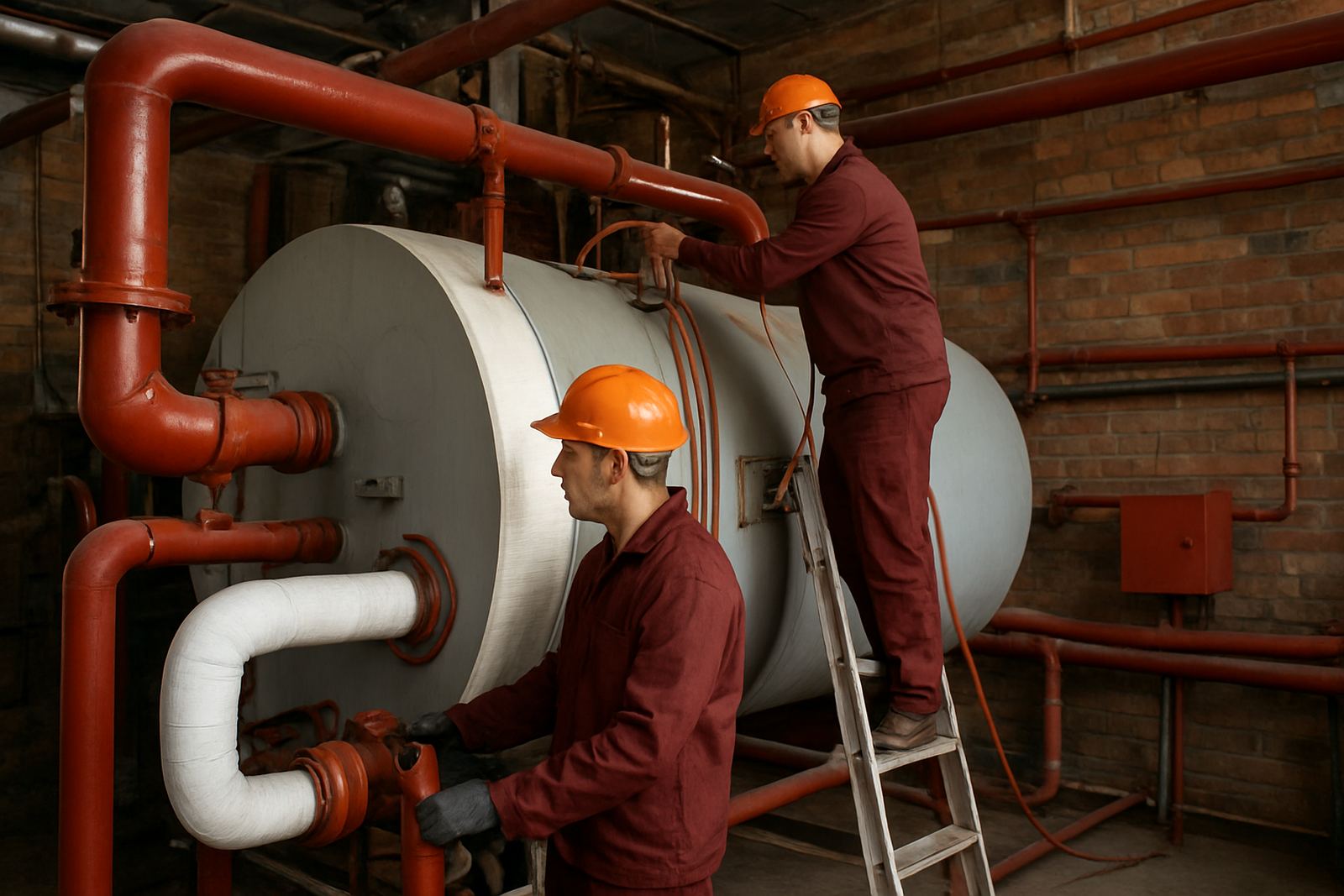
Emergency callouts are for breakdowns that cannot wait for the next planned service window. We attend commercial and industrial sites where steam, hot water, process heating or waste treatment has stopped, is unsafe, or is at risk of going down completely. That includes boiler lockouts, failed burner control, low water trips, blown pumps, calorifier leakage, inline heater faults, blocked flues and incinerator issues that affect compliance or plant operation. Our team is used to working in factories, warehouses, hospitals, laundries, kitchens, care facilities and municipal sites where downtime has a direct cost.
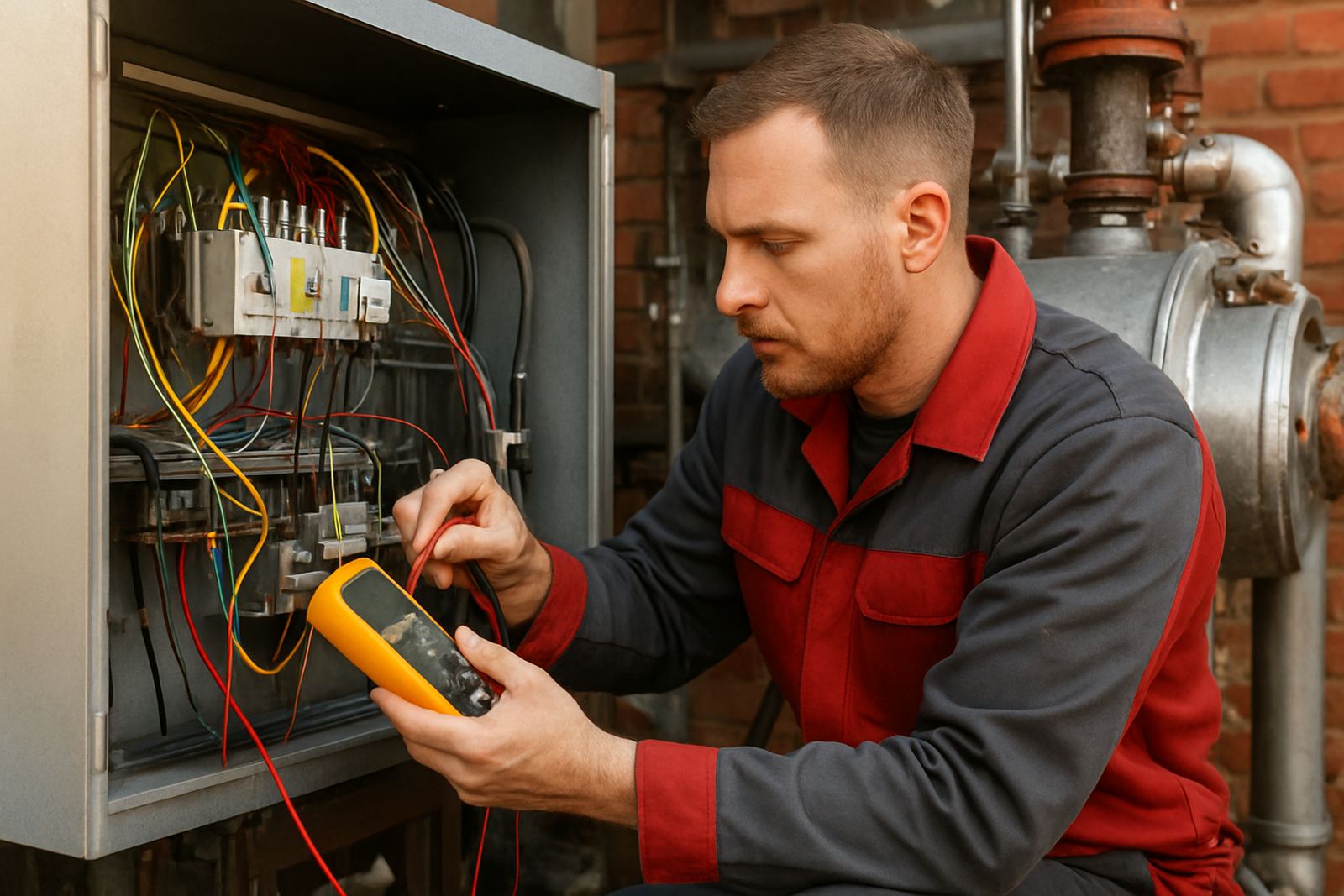
We carry out on-site fault finding first, then isolate the root cause and advise on what can be repaired immediately and what needs a planned follow up. In many cases the aim is to get you back online safely, even if that means a temporary fix while parts are sourced. For sites in Gauteng we can usually get a technician out quicker than for outlying areas, but we still support clients in North West, Mpumalanga, Limpopo, Free State, KwaZulu-Natal and the Western Cape when the job calls for it. Load-shedding, water quality and coastal humidity all put extra strain on plant, so speed matters.
What is included in an emergency visit
An emergency callout is more than just a quick look. We come prepared to test, isolate and stabilise common heat plant faults on commercial systems, with the goal of restoring safe operation as fast as possible. The exact scope depends on the equipment on site and the condition of the plant, but the visit normally includes fault diagnosis, safety checks and practical repairs where access and parts allow it.
- Initial phone triage to understand the fault, alarms, temperatures, pressures and any smell, smoke or water loss
- On-site inspection of boilers, calorifiers, pumps, valves, burner controls, fuel supply and electrical interlocks
- Combustion and safety testing where the plant can be restarted safely
- Temporary repairs, re-commissioning support and clear feedback on longer term work needed
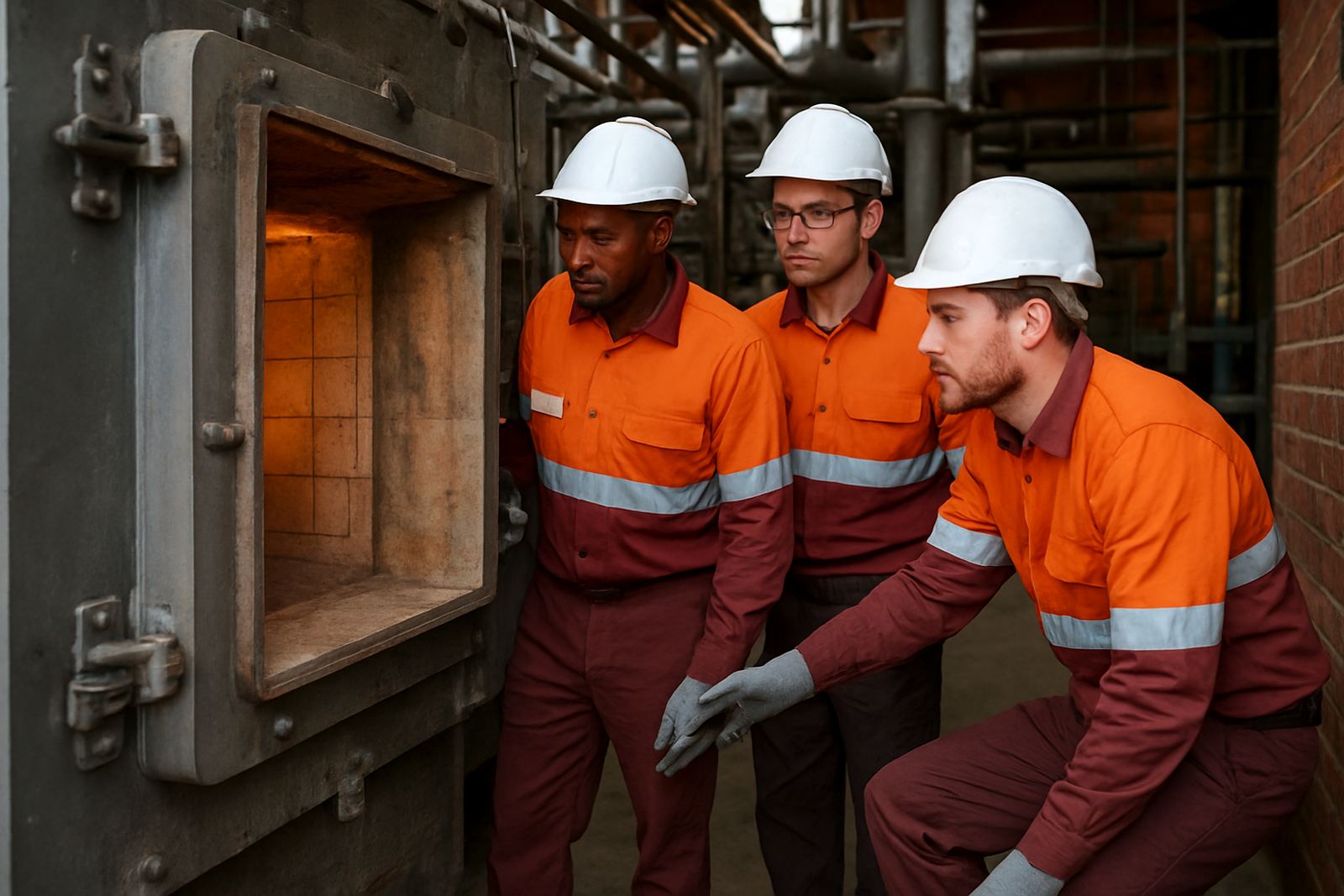
- Reporting on failed components, corrosion, scaling, refractory damage or control issues
- Advice on whether the plant should remain off until a full repair or inspection is completed
We keep the focus on practical actions and safe return to service. If the issue is caused by poor water treatment, blocked strainers or ignored service intervals, we will point that out plainly so the same fault does not happen again next month.
How our emergency process works
Speed matters, but so does getting the sequence right. A rushed restart on a boiler or calorifier can make a small fault worse, so our callout process follows a set order. That helps our technicians arrive with the right test gear and gives the site team a clear idea of what to expect.
- Step 1: Call or email engineering@ai-tec.co.za with the fault, site address, plant type and urgency
- Step 2: We triage the call, ask for alarm codes, photos if available and any recent service history
- Step 3: We dispatch the nearest available technician or projects team member from our service network
- Step 4: On site we isolate the fault, confirm safe access and test the affected section of plant
- Step 5: We carry out the repair, recommissioning or temporary stabilisation needed to bring the system back
- Step 6: We provide a written summary and quote for any follow-up work, spares or refurbishment
For some faults we will ask the client to shut the plant down before arrival, especially if there is pressure loss, water escape, fuel odour or visible overheating. That saves time and lowers risk for your team while we are on the way.
Turnaround times and response coverage
Our base in Jet Park, Boksburg puts us close to the East Rand, Gauteng industrial corridors and key routes into Pretoria, Midrand and Sandton. That helps with fast response to emergency failures in Boksburg, Kempton Park, Germiston, Alberton, Benoni and surrounding areas. For sites further afield, we plan travel and parts support around the urgency of the breakdown and the type of plant involved.
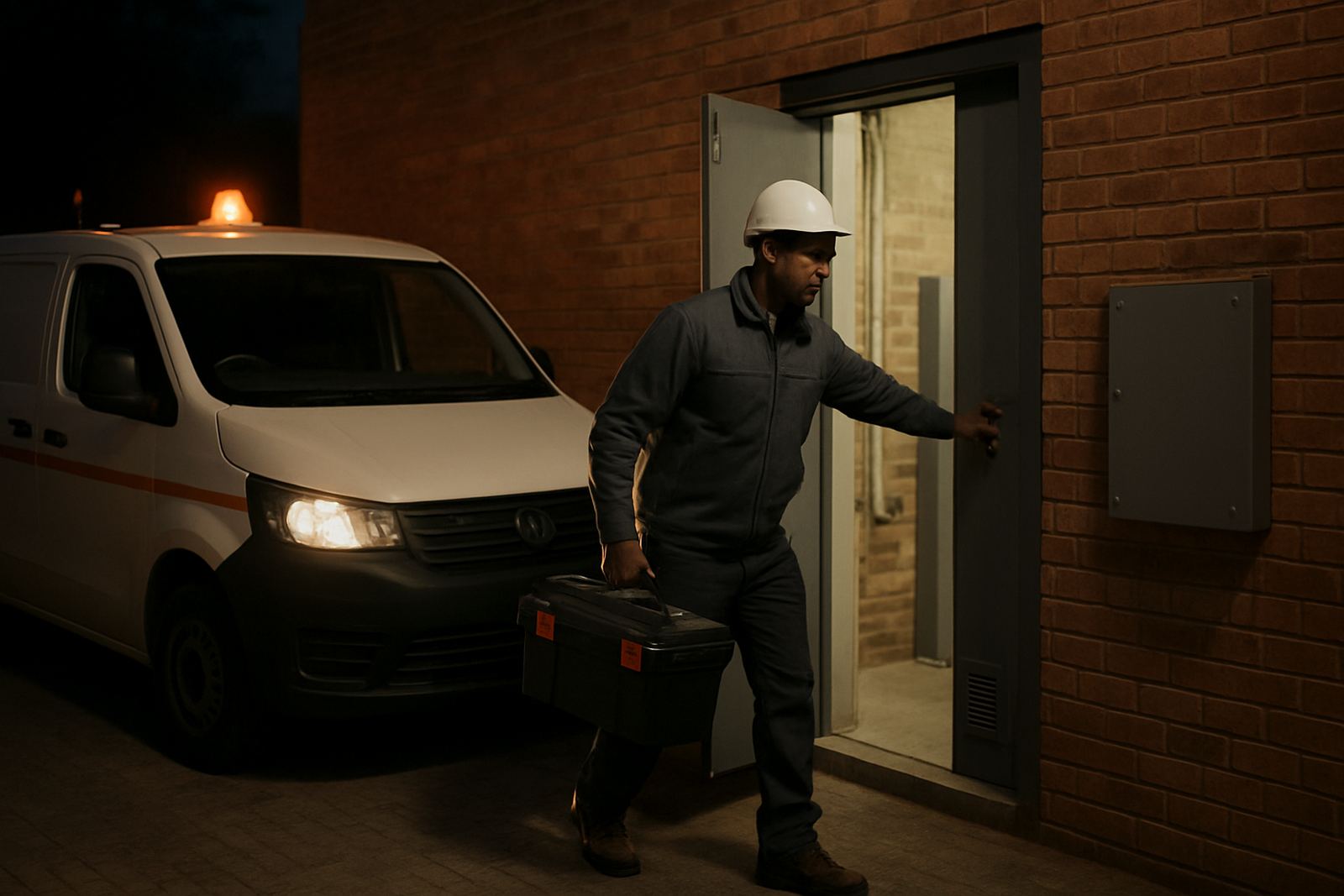
Same day attendance is often possible in Gauteng for critical failures, especially where the site can keep access clear and the fault is logged early in the day. After-hours and weekend callouts are arranged for urgent breakdowns where production, hot water supply or statutory compliance is at risk. On larger industrial jobs, a two-stage response is common: first attendance to stabilise the system, then a return visit with the right parts, refractory materials or control gear to complete the repair.
We also understand the local issues that slow other plant teams down, such as security access, municipal water interruptions, generator changeover and space constraints around older boiler houses. If your site is tight on room or you are on a live production floor, tell us in advance so we can plan the visit properly.
Pricing approach and what affects the cost
Emergency pricing needs to be fair but it also has to reflect real travel, labour and parts costs. We quote callouts based on the site location, urgency, time of day, plant type and the work that is likely to be needed. A quick reset on a control fault is not the same as a failed burner assembly or a leaking calorifier shell, so we do not use one flat figure for every breakdown.
Typical cost drivers include after-hours attendance, distance from our nearest technician, availability of spares, the need for replacement gaskets, valves, sensors or controls, and whether the plant must be isolated under permit or lockout procedures. If we can repair the fault with a standard part already on the truck, that usually keeps the bill lower. If a repair needs fabrication or specialist materials, we will say so before going ahead where possible.
We are upfront about the difference between a temporary recovery and a full permanent fix. In some cases a short-term repair keeps the site running, but scaling, corrosion or repeated tripping means the boiler, calorifier or heater should be booked for planned maintenance soon after. That saves money over time and prevents the same emergency from coming back. No one wants to lose a shift because a minor fault was left too long.
Keeping breakdowns from repeating
Emergency callouts solve the immediate problem, but the best sites also work on prevention. Most repeated heat plant breakdowns come from missed service intervals, dirty strainers, poor water treatment, worn seals, incorrect combustion settings or damaged refractory. If your plant is near the coast, in a dusty industrial zone or on a site with heavy load-shedding, those issues come faster and harder.
For boilers and calorifiers we usually recommend service checks every 3 to 6 months, with water treatment review and combustion tuning at least once a year. High duty plant may need closer inspection, especially where production cannot stop. Inline heaters and incinerators can need shorter intervals if they run continuously or process variable loads. We can align emergency work with planned maintenance so the next visit covers cleaning, testing and replacement before failure happens again.
- Check water quality and inhibitor levels regularly
- Drain and inspect strainers, filters and traps on schedule
- Keep burner and control components clean and dry
- Record pressure, temperature and lockout history daily
- Book annual inspections before the busy season or winter peak
Who handles the callout work
Our emergency response team is backed by people who know the equipment and the pressure that comes with a stopped plant. Lerato Maseko manages operations, Pieter van der Merwe supports project assessment and repair planning, Zanele Dlamini coordinates service response, Musa Khumalo handles boiler technician work, Ayesha Patel manages commercial matters and Johan Smit leads fabrication support when a part or bracket has to be made quickly. Pieter Fourie oversees the business as MD.
That mix matters when a job needs more than one person to solve it. A boiler fault may start as a service call, then turn into a control issue, a fabrication job or a water treatment problem. Having the right team behind the callout means we can keep the process moving instead of bouncing you between contacts. If your site has a critical heat failure, send the details and we will take it from there.
Key facts
| Response area | Gauteng with national service coverage |
|---|---|
| Primary equipment | Commercial and industrial boilers, calorifiers, inline heaters and incinerators |
| Typical attendance | Same day in many Gauteng metro areas, subject to call time and access |
| Callout scope | Fault finding, safety checks, temporary repairs, recommissioning and follow-up quotes |
| Site types | Factories, warehouses, hospitals, laundries, kitchens, care facilities and municipal plant |
| Base location | Jet Park, Boksburg |