Heat demand in a packaging plant changes by the hour
Packaging sites do not use heat in one neat block. One shift may need hot water for bottle and floor washdown, the next needs steady heat for glue pots, sleeve sealing or product transfer lines, then a quick spike for cleaning before changeover. If the heat plant is undersized or badly controlled, operators start working around it and that usually means wasted steam, poor bonding and more downtime.
At Ai-TEC we see this most often in plants where production grew faster than the utility side. A small boiler installed for a single line ends up feeding three lines, a wash bay and a maintenance area. The result is uneven pressure, long warm-up times and more strain on valves, pumps and controls. In humid coastal conditions, plus the dust and vibration common in industrial areas, poor maintenance shows up even faster.
Good planning starts with the actual demand profile, not the nameplate size of the old unit. We look at operating hours, washdown times, adhesive temperature needs, water quality and whether the plant has backup capacity for load shedding or maintenance shutdowns.
Typical equipment used on packaging sites
A packaging plant usually needs a mix of equipment rather than one large heat source. The right set-up depends on the product type, line speed and the space available in the boiler house or plant room. On many Gauteng sites we install or maintain a combination of the following:
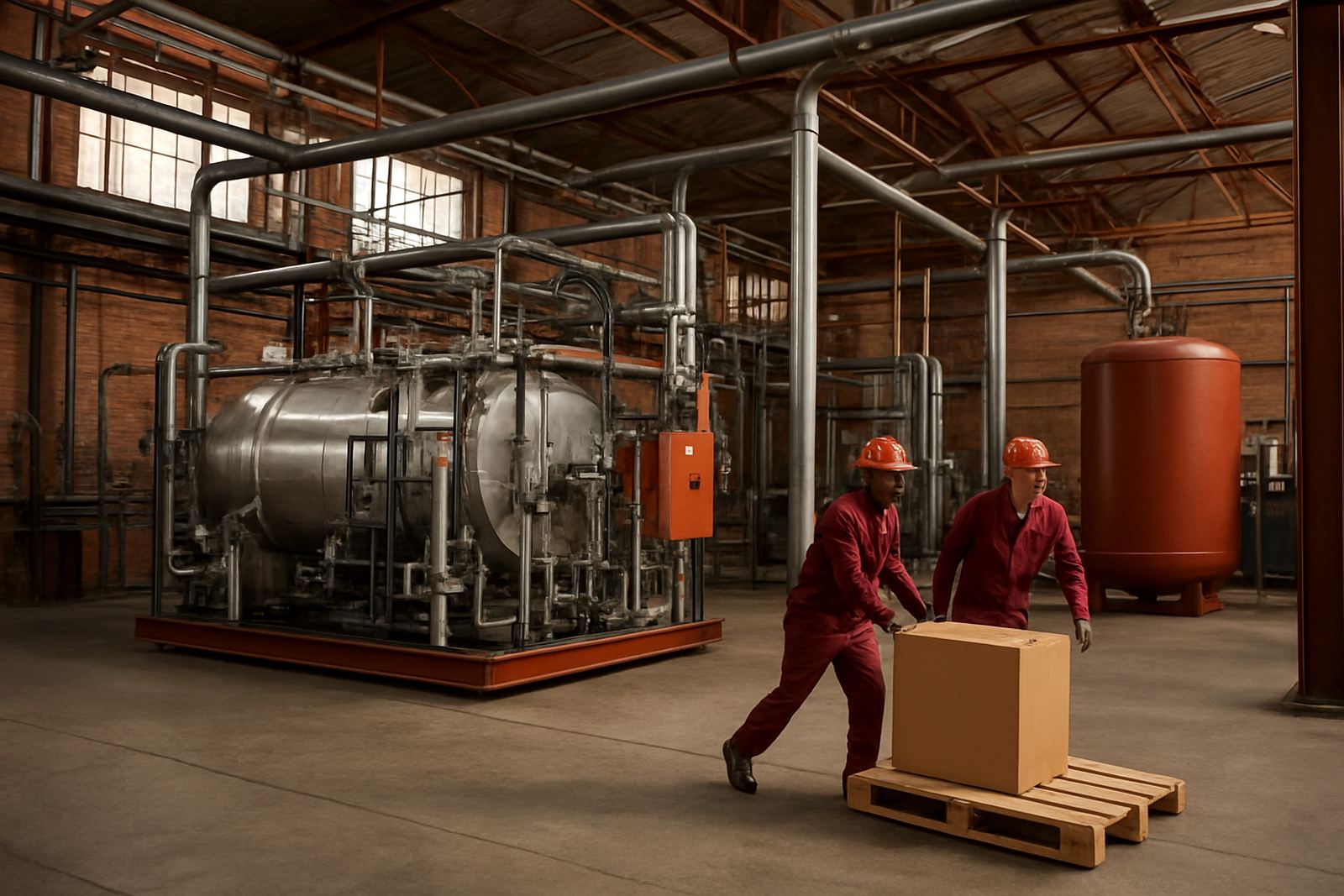
- Steam boilers for process heating, cleaning and general plant support
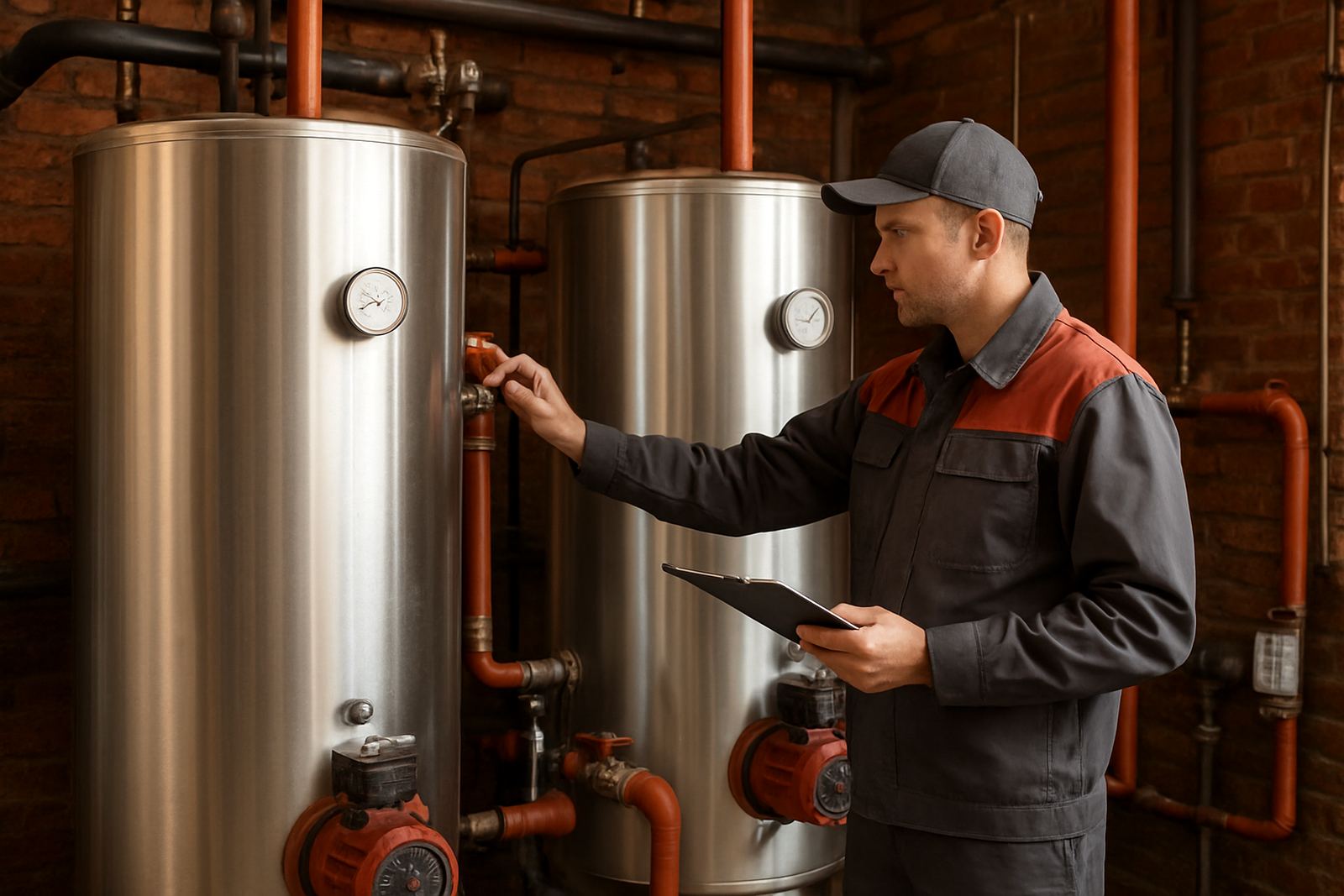
- Calorifiers for hot water storage and washdown supply
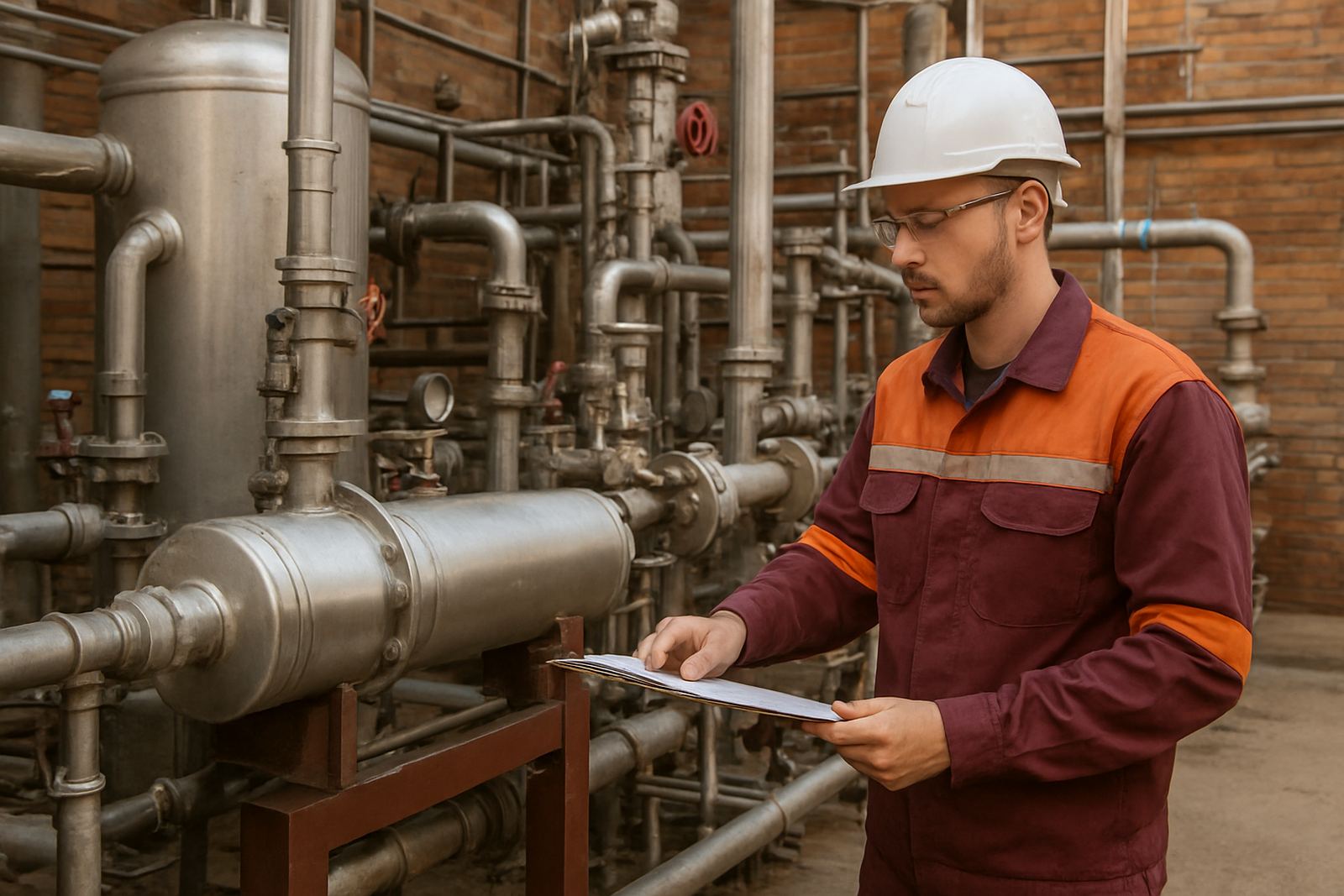
- Inline heaters for point-of-use hot water where pipe runs are long
- Associated pumps, controls, valves and safety fittings
- Water treatment equipment to limit scale and corrosion
- Incinerators where compliant waste handling is part of the site plan
For adhesive applications, stable temperature matters as much as output. If the heater cycles too much, the glue thickens or the bond line changes. For washdown, the issue is usually recovery time. Staff do not want to wait 40 minutes for water to come back after a sanitising cycle. A practical plant set-up keeps temperature steady and leaves room for maintenance without stopping the whole line.
Layout advice for tighter plant rooms and live production sites
Packaging facilities in Boksburg, Kempton Park, Germiston and Midrand often have to fit new heat plant into a space that was never meant for it. Access matters just as much as output. A unit that cannot be serviced properly becomes a problem within the first year, especially if tubes, elements or refractories need regular attention.
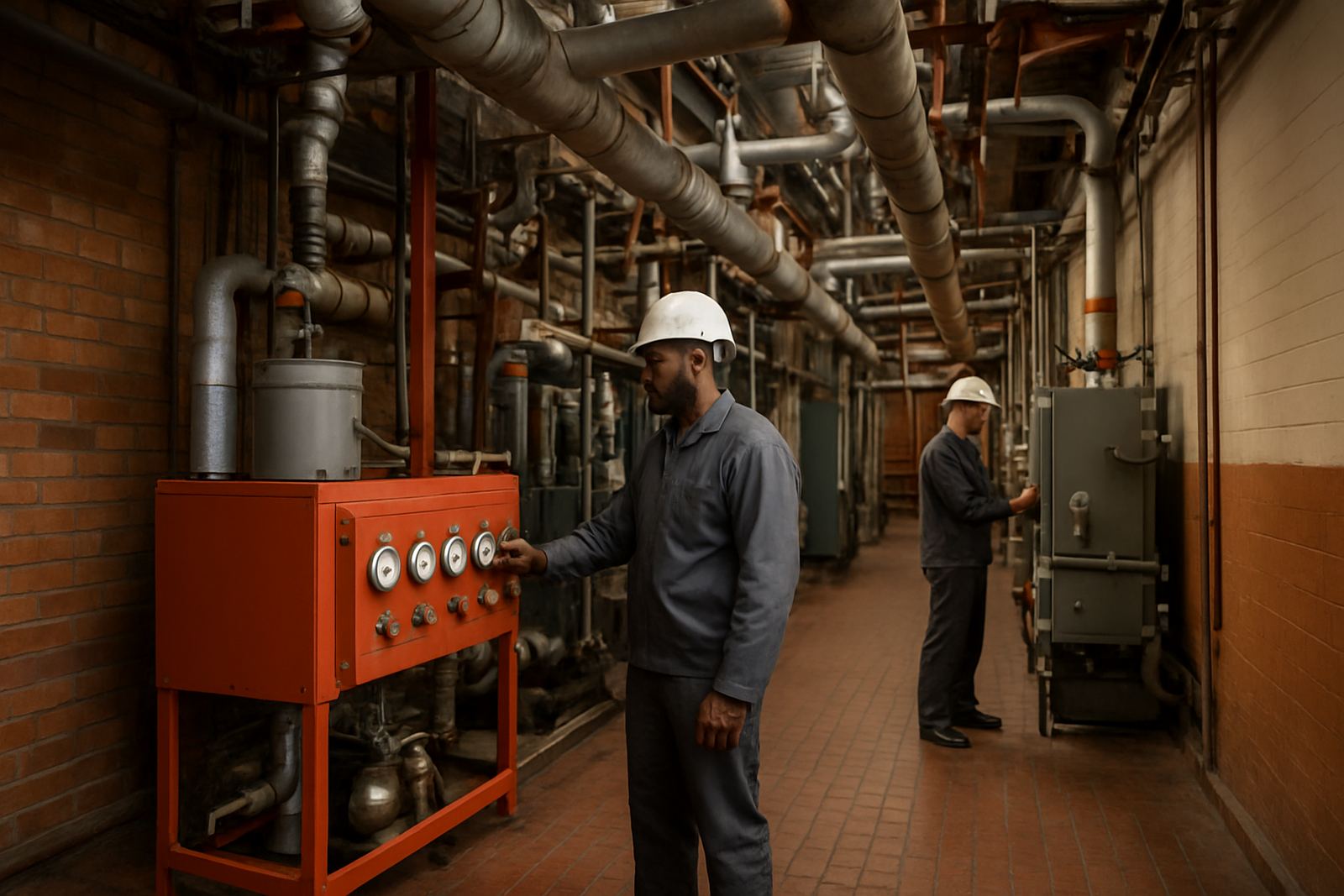
We normally advise on clearances, floor loading, ventilation, steam and condensate routing, and safe access for maintenance teams. If the plant is near food or consumable packaging lines, the routing of drains and wash water needs careful thought too. It is worth planning for isolation points and bypasses so one part of the system can be worked on while the rest stays live.
Where possible, keep the boiler or heater close enough to reduce heat loss but not so close that vibration, chemical storage or traffic movement creates a risk. In busy plants, one bad layout choice can add minutes to every intervention and those minutes stack up over a year.
- Leave enough space for tube pulling, burner access and panel work
- Keep water treatment points easy to reach for testing and dosing
- Separate pedestrian routes from hot service areas
- Allow for future expansion if another line is added
Common mistakes that cost packaging plants money
The most common problem is treating the heat system as a support item that can be left alone. In reality, heat plant affects line speed, hygiene, energy cost and safety. A small leak, poor combustion setting or untreated water can turn into a bigger outage very quickly.
We often find plants where maintenance was only done after a failure. That approach usually costs more because the damage spreads from one component to the next. Scale builds up in heat exchangers, soot lowers efficiency, and water hammer can damage pipework or fittings. On older systems, missed refractory repairs and blocked flue paths are common causes of avoidable shutdowns.
Another mistake is oversizing without control. A unit that is too large can short-cycle, burn more fuel than needed and wear out faster. On the other side, a unit that is too small runs flat out all day and still cannot recover after a washdown cycle. Both cases mean higher operating cost and more complaints from production.
For packaging sites near municipal sewer limits, washdown discharge also needs attention. Hot water and process residue can create compliance issues if drainage and pre-treatment are not planned properly.
Budget ranges for new installs, upgrades and repairs
Budget depends on capacity, condition of the existing plant, fuel type, controls and whether the job is a repair, refurbishment or full replacement. For packaging plants, many clients start with a site assessment and then phase the work so production is not interrupted. That usually gives better value than replacing everything at once.
As a rough guide, minor service work and fault finding may start from a few thousand Rand, while a planned refurbishment, including controls, pumps and piping changes, can move into the tens of thousands. A full boiler or heater replacement for a larger packaging plant can run from the high tens of thousands into several hundred thousand Rand, depending on size and specification. If refractory work, water treatment upgrades and access modifications are needed, the total can rise further.
We always recommend allowing budget for commissioning, combustion tuning, and a follow-up inspection after the first few weeks of operation. That small extra spend often saves fuel and prevents early failures.
- Emergency callouts are best kept as a backup, not the main maintenance plan
- Annual inspections help identify wear before a shutdown hits production
- Water treatment support is cheaper than replacing a scaled heat exchanger
How Ai-TEC supports packaging plants across Gauteng and nationally
Ai-TEC is based in Jet Park, Boksburg and works with packaging plants across Gauteng, including Boksburg, Kempton Park, Germiston, Pretoria, Midrand and Sandton. Our team supports commercial and industrial boiler systems, calorifiers, inline heaters and incinerators, with maintenance and project work handled by people who know live plant conditions and the pressure that comes with production targets.
For packaging operations, that means practical support with boiler servicing, calorifier maintenance, inline heater repairs, incinerator servicing, combustion tuning, refractory relining, water treatment support, annual inspections and plant refurbishment. If a line cannot stop for long, we plan the work around shift patterns, cleaning windows and shutdown slots where possible. If a problem needs a faster response, our service teams can attend emergency callouts and get the plant stable before the backlog grows.
Production managers usually want two things: fewer surprises and lower running cost. That is the right starting point for any heat plant in a packaging facility, whether the site is making cartons, film packs, labels or adhesive-backed products. Good heat support keeps the lines moving and gives maintenance teams less fire-fighting to do.