Heat Where the Line Depends on It
In beverage production, heat is part of the hygiene system as much as it is part of the process. You need hot water for washdowns, bottle and tank cleaning, CIP support, crate washing, floor sanitation and staff ablution areas, and those duties often happen while the plant is still running. If the hot water drops away, the line slows, cleaning gets pushed back and production teams end up working around the fault instead of the shift plan.
Ai-TEC works with beverage plants in Gauteng and across South Africa, from small bottling rooms to larger factories with multiple filling lines, syrup rooms and packaging areas. Our Jet Park base supports field teams in Boksburg, Kempton Park, Germiston, Pretoria, Midrand and Sandton, with national service available for planned work and emergency callouts. We handle supply, maintenance and refurbishment so the plant team has one point of contact for the heating side.
Typical Equipment in a Beverage Plant
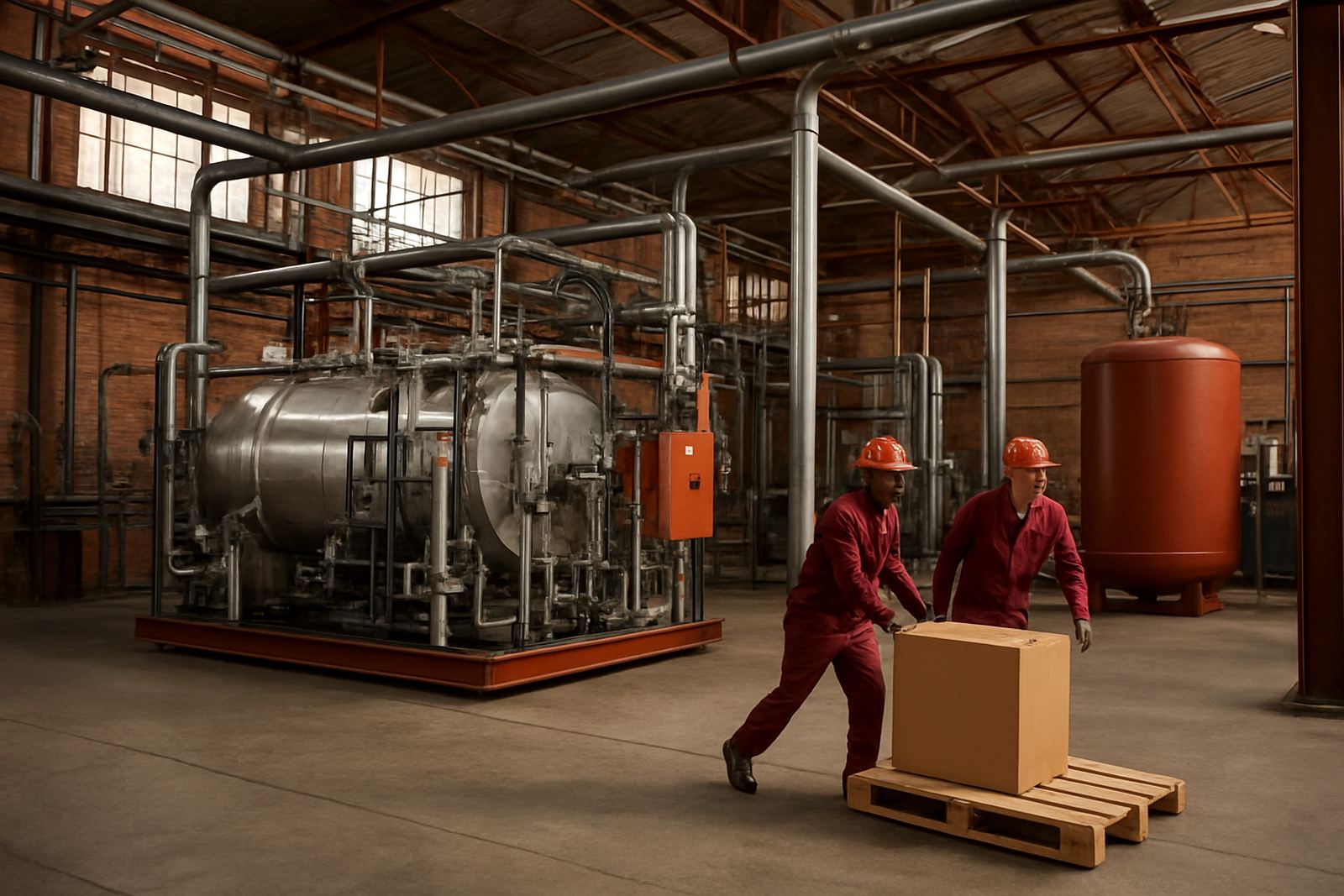
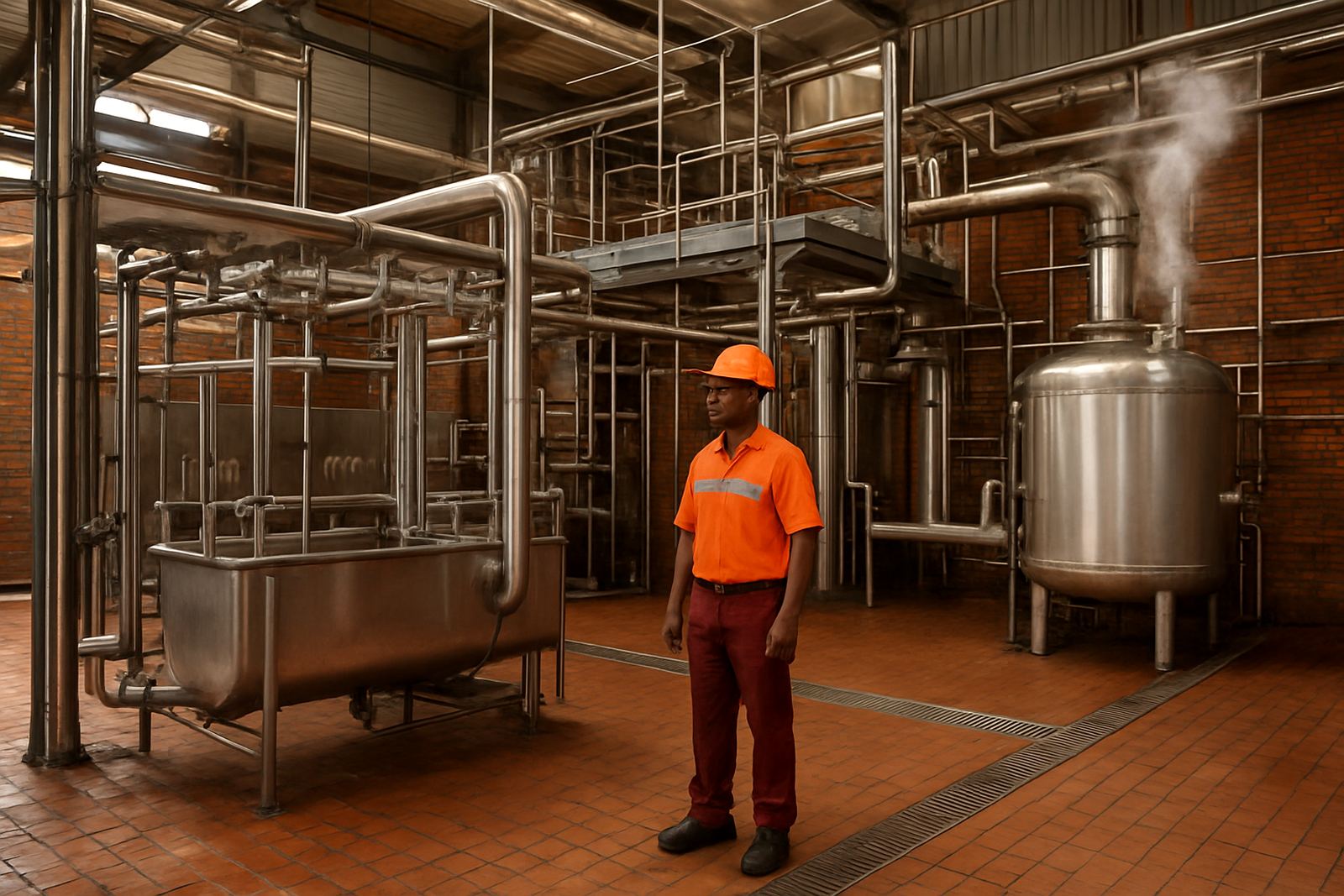
The right setup depends on the size of the plant, the washdown routine and whether the site runs on steam, hot water or a mix of both. Many beverage factories use one main boiler plant, a calorifier for stored hot water, inline heaters for point-of-use demand and separate systems for sanitation or waste handling. If the plant has a high turnover, a second duty unit or standby unit can be worth the extra spend.
- Commercial or industrial boilers for process heat and cleaning water
- Calorifiers for stored hot water at washdown points
- Inline heaters for quick draw-off at remote stations
- Combustion controls and burner setup for fuel efficiency
- Water treatment equipment to limit scale, corrosion and downtime
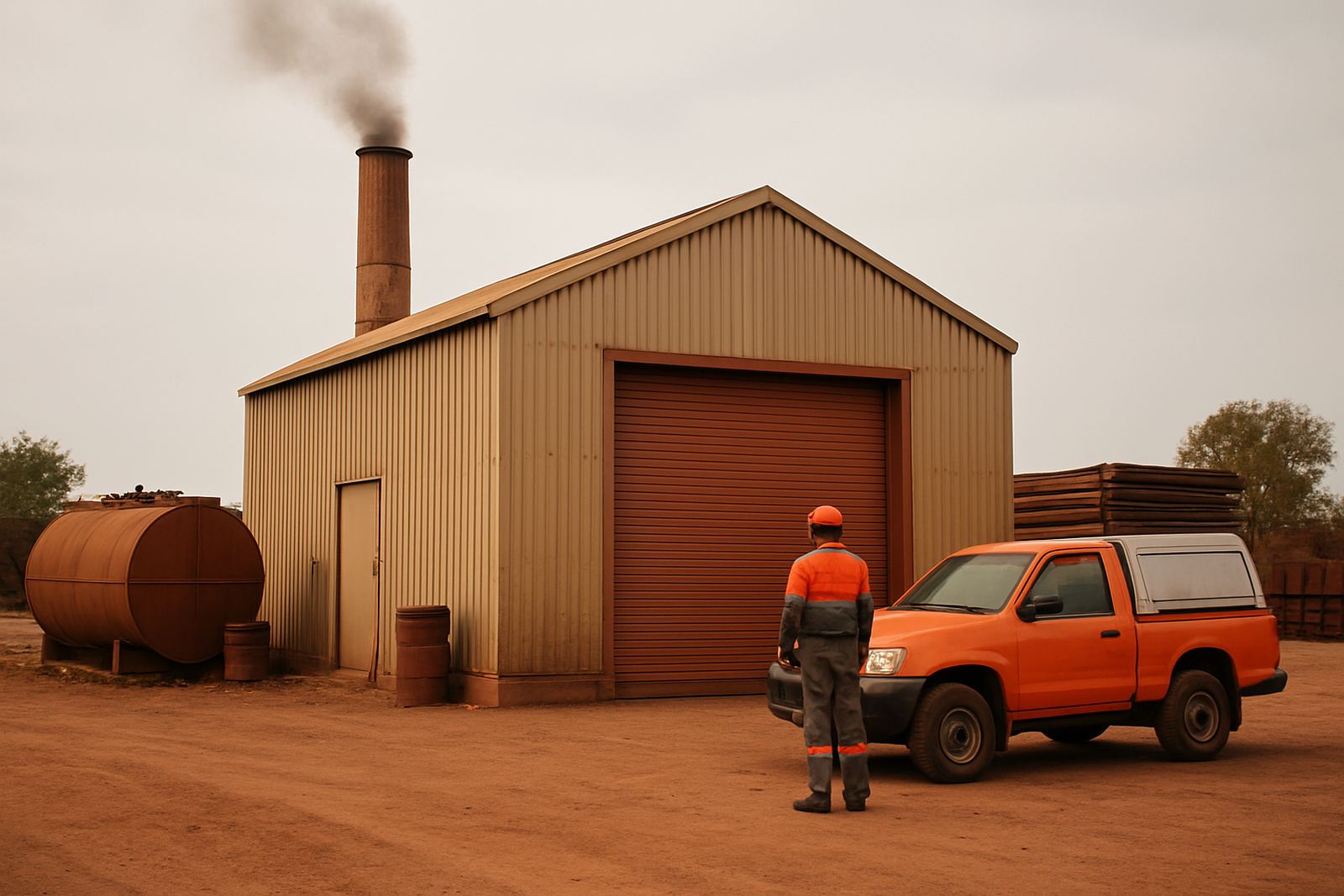
- Incinerators where waste handling is part of the hygiene plan
Many beverage sites in humid coastal conditions or dusty inland areas need more frequent checks on burners, insulation and control panels. Poor water quality is another common issue, and it shows up fast in kettles, heat exchangers and boiler tubes if the treatment programme is not kept up.
Planning the Layout Before the First Fix
A good heating plant is easy to reach, easy to isolate and easy to service. That sounds simple, but a lot of sites only think about maintenance after the pipework is in place. If a boiler is tucked into a tight corner with no access for tube cleaning, valve replacement or flue inspection, every service takes longer and costs more. The same goes for calorifiers that are installed too far from the point of use, because the plant then wastes water and time waiting for temperature to stabilise.
For beverage production, we normally advise a layout that keeps the main heat source close enough to the load, but not so close that heat and moisture build up around electrical panels or packaging equipment. Leave space for lifting gear, flushing points and future upgrades. If you are planning an expansion, build in spare capacity now rather than trying to squeeze extra demand from an undersized unit later.
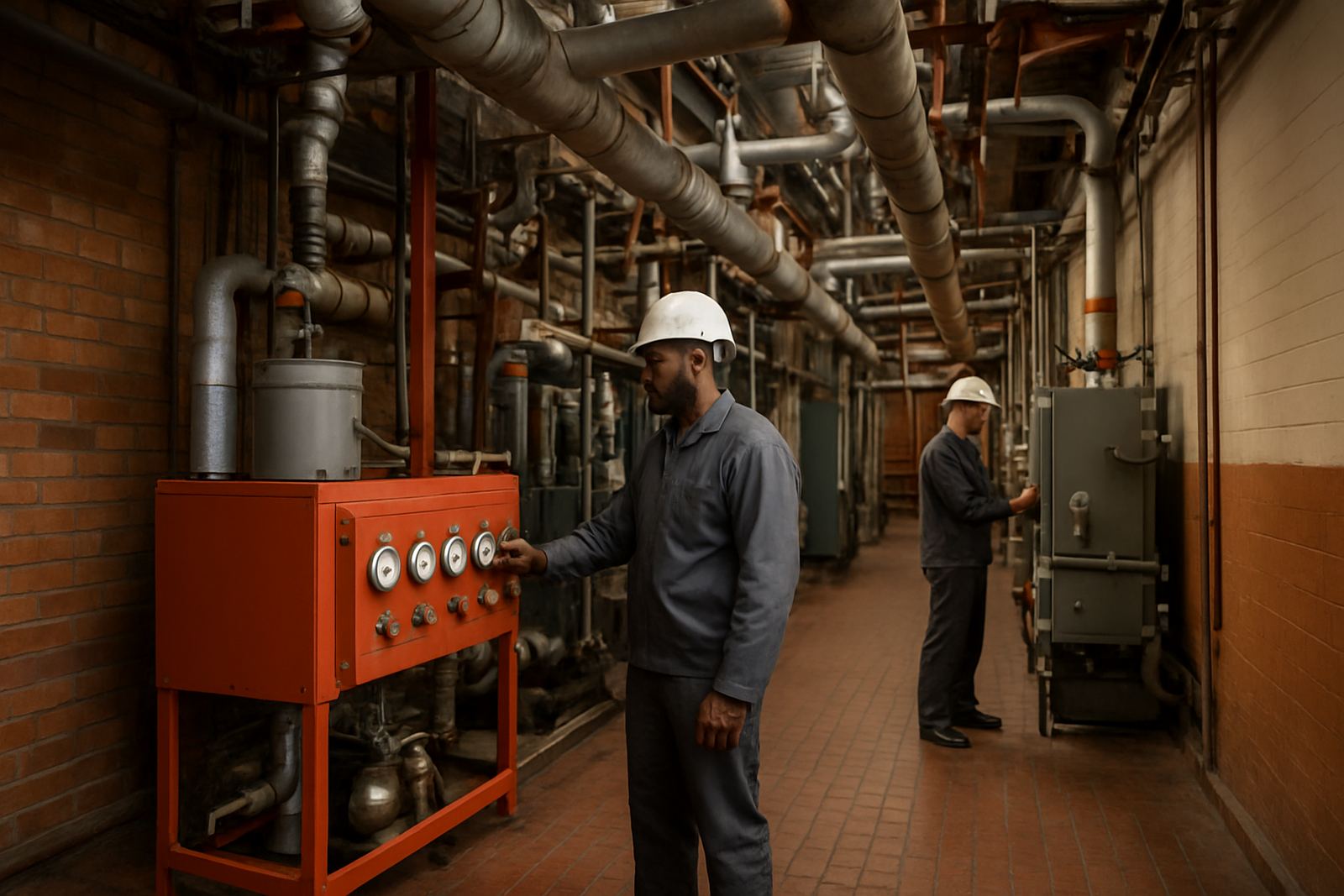
- Allow clear access to tube ends, burners, pumps and control panels
- Position hot water storage to reduce dead legs and long pipe runs
- Keep combustion air paths open and away from wet cleaning zones
- Plan drainage around blowdown, washdown and maintenance water
- Include isolation valves so one section can be serviced without stopping the full plant
Common Mistakes We See on Beverage Sites
The biggest mistake is treating hot water as a side system. In practice, it supports production, hygiene and compliance every day. Another common problem is undersized equipment chosen to save on capital cost, only for the site to discover that recovery time is too slow during peak cleaning periods. Plants also lose money when they run poor combustion settings or ignore scale build-up, because both issues push fuel use up and heat transfer down.
We also see plants that wait too long between inspections. A small leak, a faulty pressure switch or a blocked vent can turn into a shutdown if it is left alone through a busy season. In one or two cases the issue started as a simple control fault and ended with emergency work over a weekend, which is never the cheapest option.
- Running with no standby capacity for critical cleaning periods
- Skipping water treatment checks after a new borehole or municipal change
- Letting fouling build up on tubes, burners or heat exchange surfaces
- Using short-term fixes instead of proper refractory or pipe repairs
- Ignoring municipal discharge requirements for waste water and blowdown
Maintenance That Fits Shift Work and Load-Shedding
Beverage production does not stop neatly for a service visit, so maintenance has to fit around shift patterns, cleaning windows and power interruptions. Our service teams handle planned boiler servicing, calorifier maintenance, inline heater repairs, incinerator servicing and annual inspections with enough notice for production teams to move sensitive tasks. Where load-shedding or unstable supply affects plant start-up, we can check controls, safeties and restart procedures so the system comes back cleanly after an outage.
Combustion tuning is one of the simplest ways to save fuel without changing the whole plant. A clean burner, correct air-fuel ratio and sound controls can reduce wasted energy and improve response when the line needs hot water quickly. We also support water treatment programmes, because treated water protects tubes, seals and fittings far better than reactive repair work after a scale problem shows up.
Budget Ranges for Beverage Production Projects
Costs depend on whether you need servicing only, a repair, a partial refurbishment or a full new heat package. Small planned maintenance jobs may start from a few thousand Rand, while burner work, control replacement and pipe repairs can move into the tens of thousands depending on parts and access. A calorifier overhaul, refractory relining or boiler refurbishment will usually sit higher, especially if shutdown time is limited and work must be done after hours.
For new or upgraded beverage plant heating systems, a practical budget can range from around R150,000 for a compact support setup to well over R1 million for a larger site with redundancy, controls, treatment and installation. The final number depends on fuel type, duty cycle, site layout and whether you need fabrication changes. We always prefer to quote after a site visit, because guessed budgets cost more in the end.
If your current plant is still serviceable, a phased upgrade can spread cost over time. That may mean fixing the worst leak first, then adding water treatment, then replacing controls, and only later moving to a bigger boiler or standby unit.