What municipal depots usually need from heat equipment
Depot sites are not like office blocks. They carry vehicle workshops, wash bays, staff ablutions, small kitchens, clinic rooms and sometimes waste handling points in one property. That means the heating system has to cope with uneven demand, stop-start use and hard water. In Gauteng, where winter mornings can bite and electricity supply can be uncertain, a depot cannot rely on one small unit doing everything.
For most municipal depots, the starting point is a hot water system that serves change rooms and wash points, then a separate process line for any workshop or plant need. If the site has a clinic or caretaker unit, a calorifier or inline heater may feed the hand basins and clinical wash areas. Where waste from medical or contaminated material must be managed on site, the incinerator set-up needs to suit the volume, burn pattern and municipal approvals.
Ai-TEC has worked with service depots, utilities and public buildings since 2009, so we know that access, safety and maintenance matter as much as output. A unit that is easy to inspect, isolate and clean usually costs less to run over time, even if the first quote is not the lowest.
Typical equipment set for a depot or clinic complex
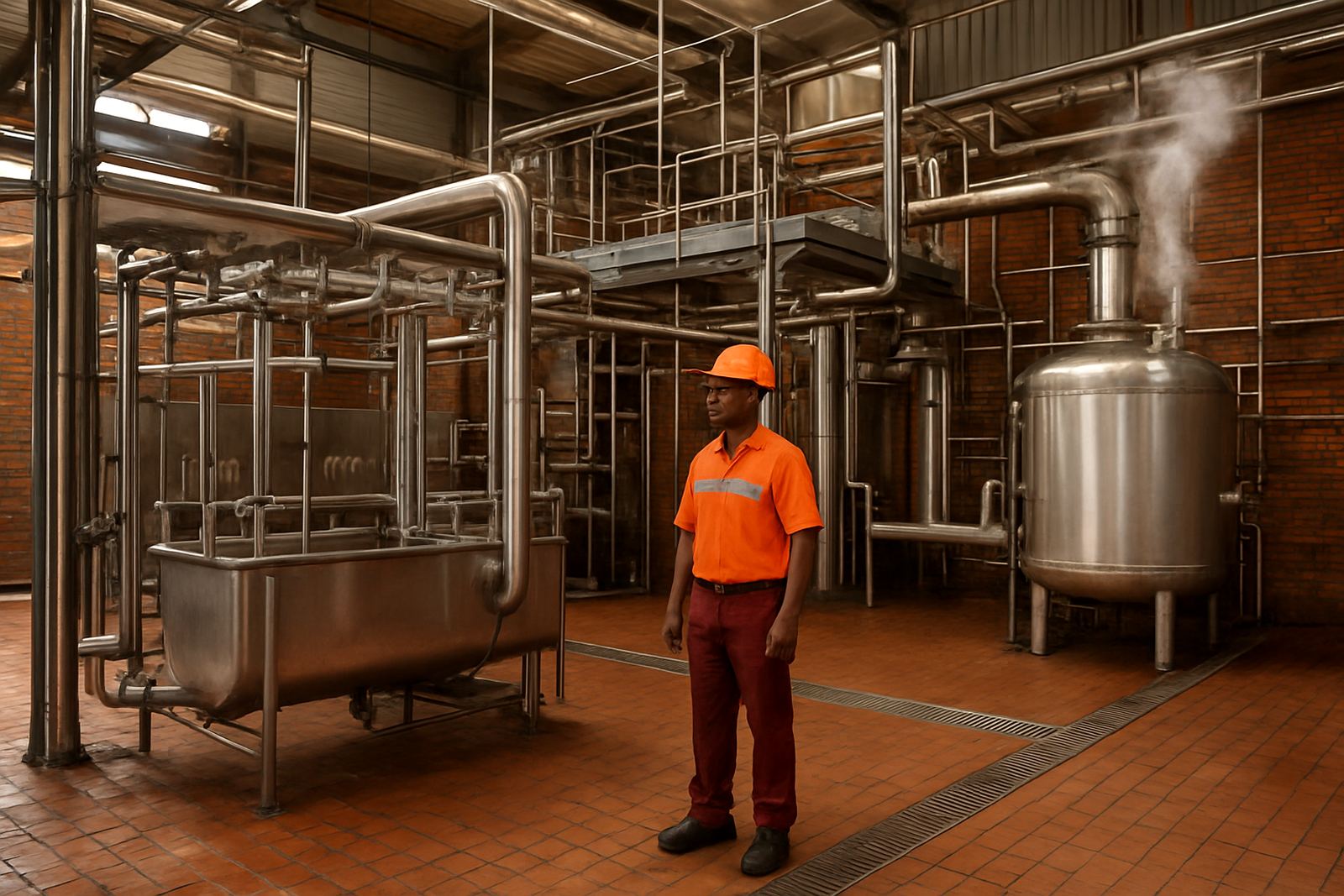
The equipment mix depends on the number of staff, the hours of use and whether the site has a clinic, workshop or wash area. A smaller depot may only need one boiler and a storage vessel, while a larger municipal yard could need a full plant room with duty and standby units. The right layout keeps hot water close to the point of use and avoids long pipe runs that waste heat.
- Commercial or industrial boiler for general hot water or process support
- Calorifier for stored hot water where peak demand comes in short bursts
- Inline heater for smaller wash points or remote rooms
- Incinerator for controlled waste handling where permitted
- Water treatment equipment to control scaling, corrosion and sludge build-up
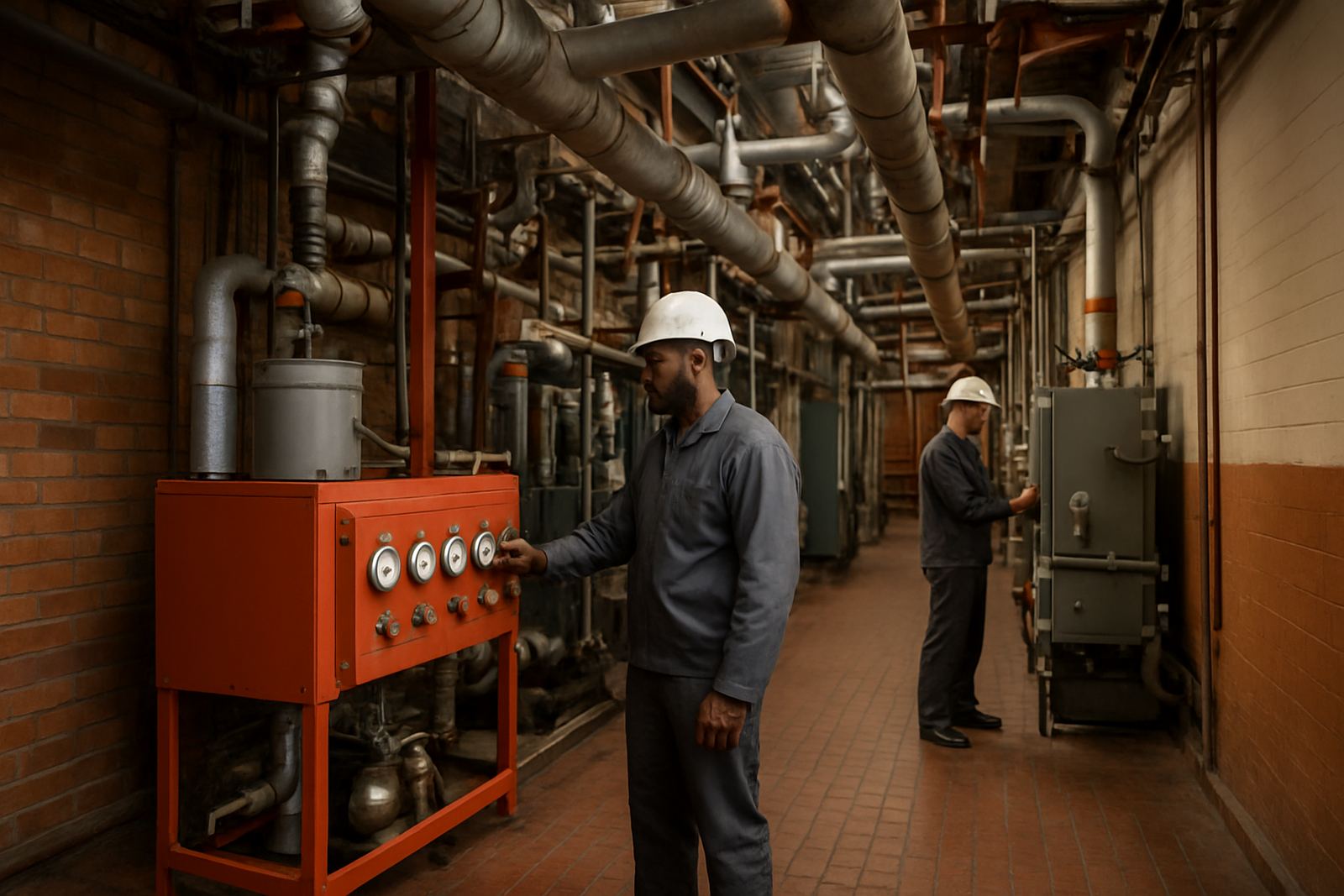
- Combustion controls and safeties for stable running during power changes
For depot work, we often see systems sized too tightly. The result is lukewarm water at 06h00, then a unit that runs flat out all day. It is better to size for the real busiest period and include a little spare capacity, not a huge oversize system that short-cycles and burns extra fuel.
Planning the plant room, yard access and pipe routes
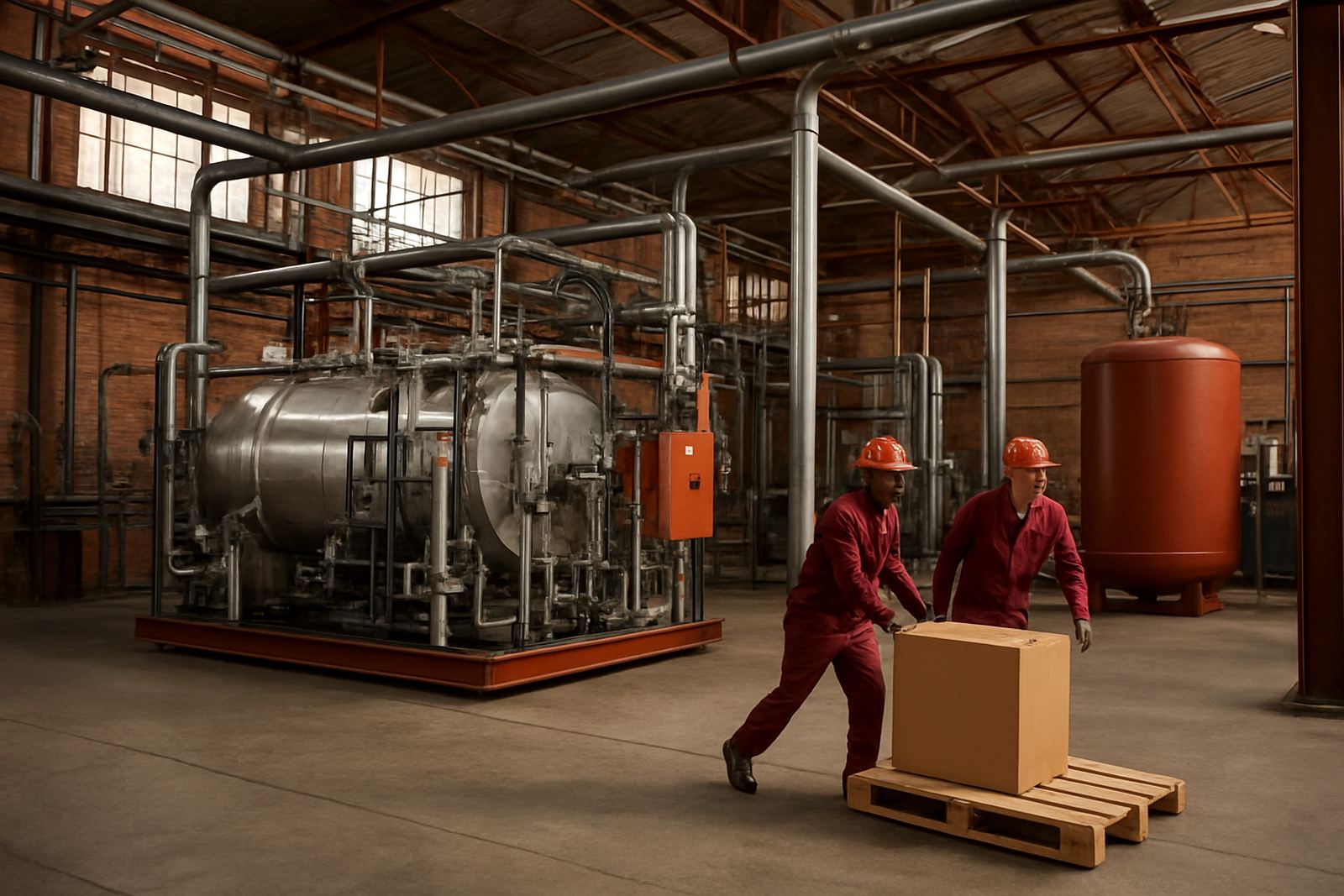
Plant layout can make or break a depot installation. Boilers and calorifiers need enough space for servicing, tube cleaning, burner access and safe removal of parts. Incinerators need loading space, ash handling and clear separation from public foot traffic. On older municipal sites in places like Germiston, Pretoria and Kempton Park, the original building often was not planned for current demand, so pipe rerouting and base strengthening may be needed.
Good planning starts with access. Can a service vehicle get to the plant room? Is there clear headroom for lifting covers and removing components? Is the floor level and strong enough for filled vessels? In coastal humidity, or even in dusty inland yards, corrosion protection and proper ventilation matter. We also check where drain lines, make-up water and electrical isolators are positioned so that maintenance does not require shutting down the whole building.
We advise depot managers to keep maintenance space around each unit and to avoid stacking storage against boilers or control panels. It sounds simple, but it is one of the most common problems we find on site.
Common mistakes that push costs up later
Municipal depots often get built around urgent needs. A temporary fix becomes permanent, then the next upgrade is forced into a tight corner. That is when costs start to rise. The biggest mistake is fitting equipment that matches today’s budget instead of the actual load profile. Another is ignoring water quality until scale has already damaged heat transfer surfaces.
- Undersized hot water storage for shift change peaks
- No bypass or isolation valves for service work
- Poor flue routing that creates back pressure and soot build-up
- Ignoring municipal waste handling rules for incineration
- Skipping annual inspections and burner tuning
- Using untreated water that shortens vessel and pipe life
We also see depots where the electrical supply to controls is not protected against interruptions. In load-shedding areas, a control panel that loses settings or fails to restart properly can leave a whole site without hot water. A practical backup arrangement, even a simple one, saves a lot of complaint calls.
Budget ranges for depot boiler and waste handling work
Every site is different, but it helps to work from realistic budgets. A small depot hot water upgrade might start from around R85 000 to R180 000, depending on the unit size, pipework and controls. A mid-sized plant room with a boiler, calorifier and water treatment support can sit between R220 000 and R650 000. Larger municipal facilities, or sites with multiple units and refit work, often move into the R700 000 to R1,8 million range.
Incinerator projects are usually priced separately because they depend on waste type, chamber size, loading method, flue requirements and compliance needs. When a site needs refractory relining, service access changes or burner replacement, the budget can shift quickly. That is why we prefer to inspect the depot first, then price the actual condition rather than guessing from a list of items.
For maintenance, many depots benefit from an annual service plan with scheduled inspections, combustion tuning and water treatment checks. That usually costs a lot less than emergency plant repairs after a cold snap or a failed peak period. If a site has been running on patch repairs for years, the honest answer may be a phased refurbishment rather than a single big spend.
How Ai-TEC supports municipal sites in Gauteng and beyond
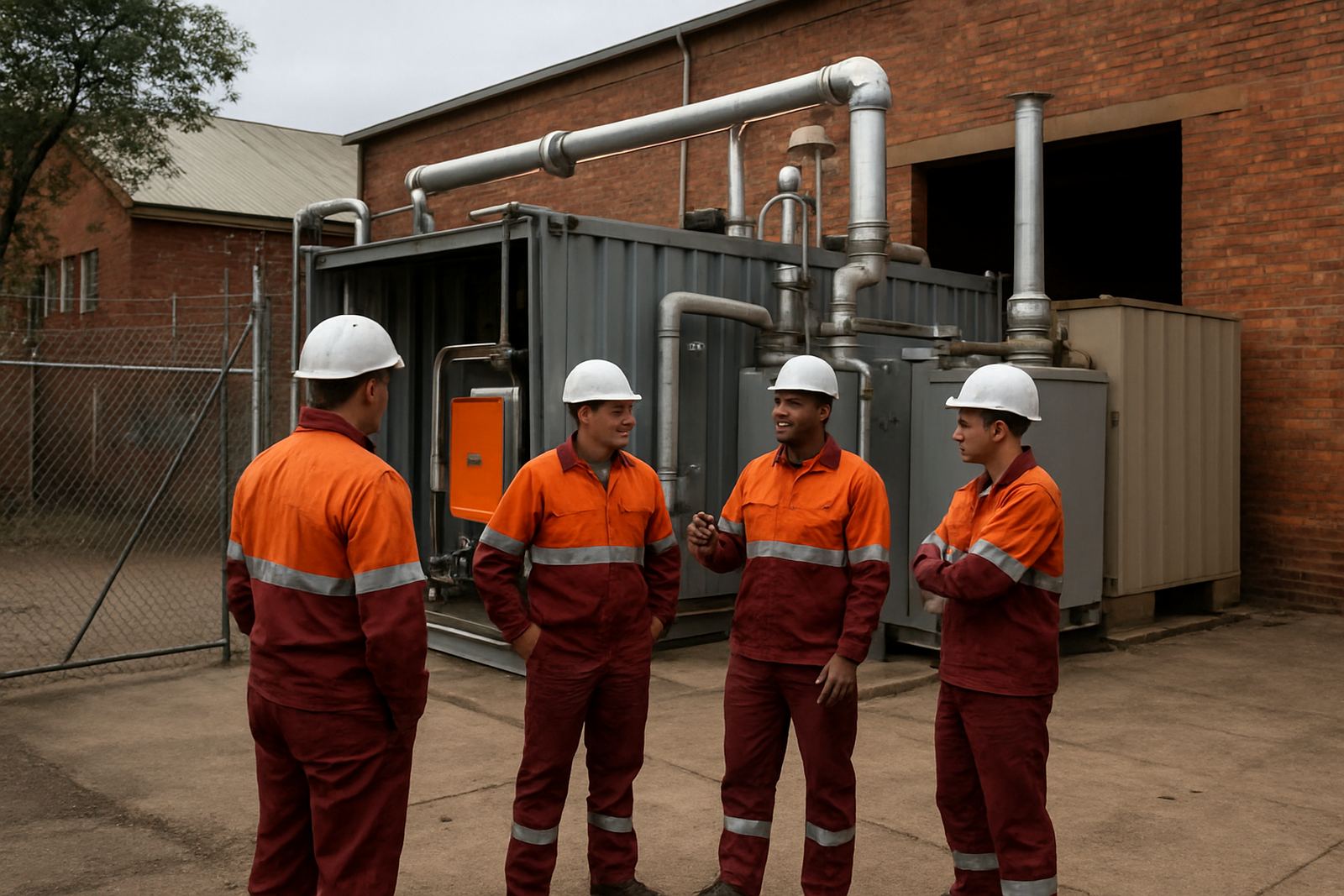
Ai-TEC is based in Jet Park, Boksburg and services municipal depots across Gauteng with national service teams when needed. Our work covers boiler servicing, calorifier maintenance, inline heater repairs, incinerator servicing, emergency callouts, combustion tuning, refractory relining, water treatment support, annual inspections and plant refurbishment. That means one team can handle the practical side of the plant instead of passing the job between several contractors.
We work with operations managers, project engineers and maintenance teams who need clear answers and realistic downtime windows. If your depot in Boksburg, Midrand, Sandton, Pretoria, Kempton Park or Germiston needs a quote, we look at the site layout, access, water condition and the actual demand pattern. Then we give a repair or replacement plan that fits the building and the budget.
For municipal depots, the best system is the one that can be serviced quickly, stays within spec and does not interrupt the day’s work. That is the standard we work to.