What the Krugersdorp site needed
The client was a meat processing operation in Krugersdorp running early starts, late cleaning windows and heavy water demand after slaughter and breakdown work. Their existing hotwater setup could not keep pace when production moved hard, so operators were juggling temperatures, waiting for recovery and sometimes holding cleaning work back until the system caught up. In a food environment that creates pressure on hygiene, staff time and water use, that is not practical.
The brief was to improve hotwater availability without creating a complicated plant room arrangement. The client wanted a system that could handle peak shift demand, keep wash-down points supplied at stable temperature and fit into an active site with limited downtime. They also needed equipment that could be maintained locally, with parts and service support available quickly from Gauteng.
- Town: Krugersdorp, Gauteng
- Client type: Abattoir and meat processing plant
- Use case: Hygiene wash-downs, sanitation points and process support
- Main need: Faster hotwater recovery during peak shifts
Site constraints and operating conditions
Abattoir work does not stop for a major install, so the project had to be planned around production windows and cleaning cycles. The plant also had a mix of warm, wet and high-use areas, which means pipe routing, insulation and access for maintenance all matter. Any hotwater plant in this sort of environment must be easy to inspect and simple to isolate for service, because there is little appetite for long shutdowns.
There were practical constraints too. The site needed equipment that could tolerate frequent cycling, hard use and the sort of conditions that come with daily wash-downs. Water quality was another factor, because scale buildup will knock recovery down quickly if it is not managed. We therefore treated the water side, the controls and the mechanical arrangement as one package, not separate items.
- Production could not stop for long periods
- Hotwater demand spiked around cleaning and sanitation
- Water treatment had to be considered from day one
- Equipment needed clear access for inspection and servicing
What we supplied and fitted
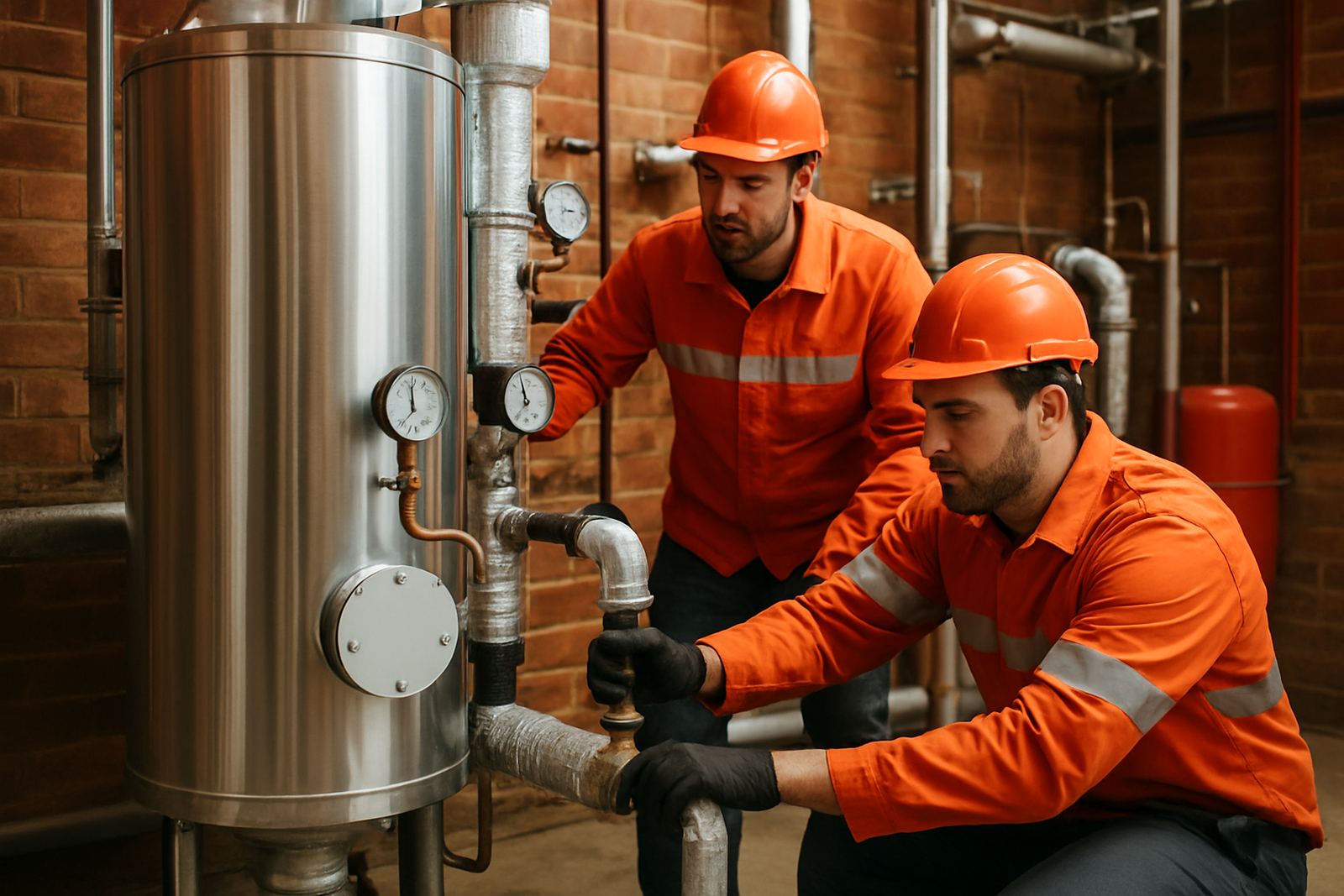
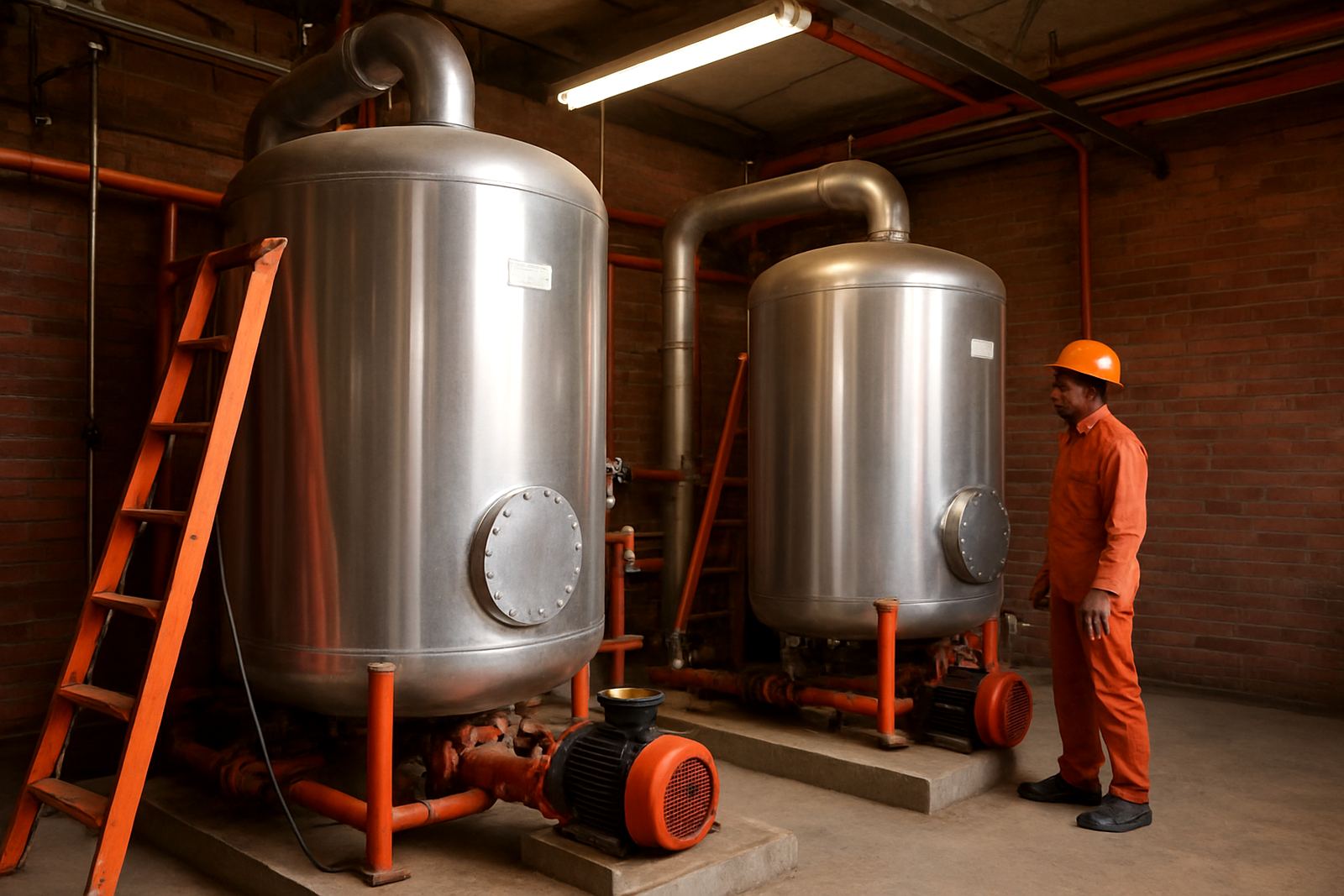
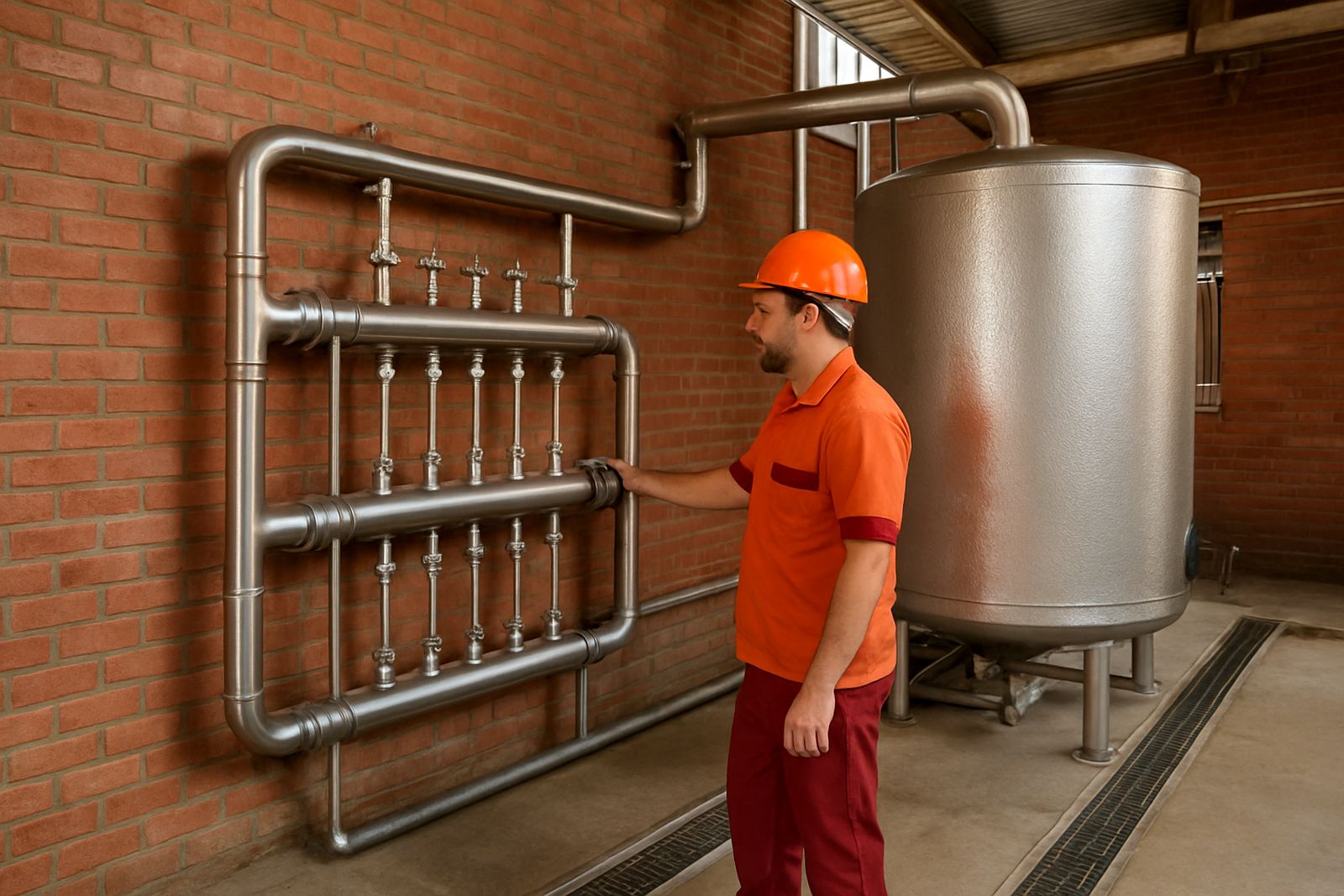
Ai-TEC supplied a high-recovery calorifier system with the focus on fast heat transfer and dependable output through the day. The package included a storage vessel, heat exchange surface sized for recovery, circulation components, temperature control devices and the necessary pipework to tie into the plant hotwater network. We also arranged the installation so that the system could be isolated in sections for maintenance without taking the whole hotwater supply offline.
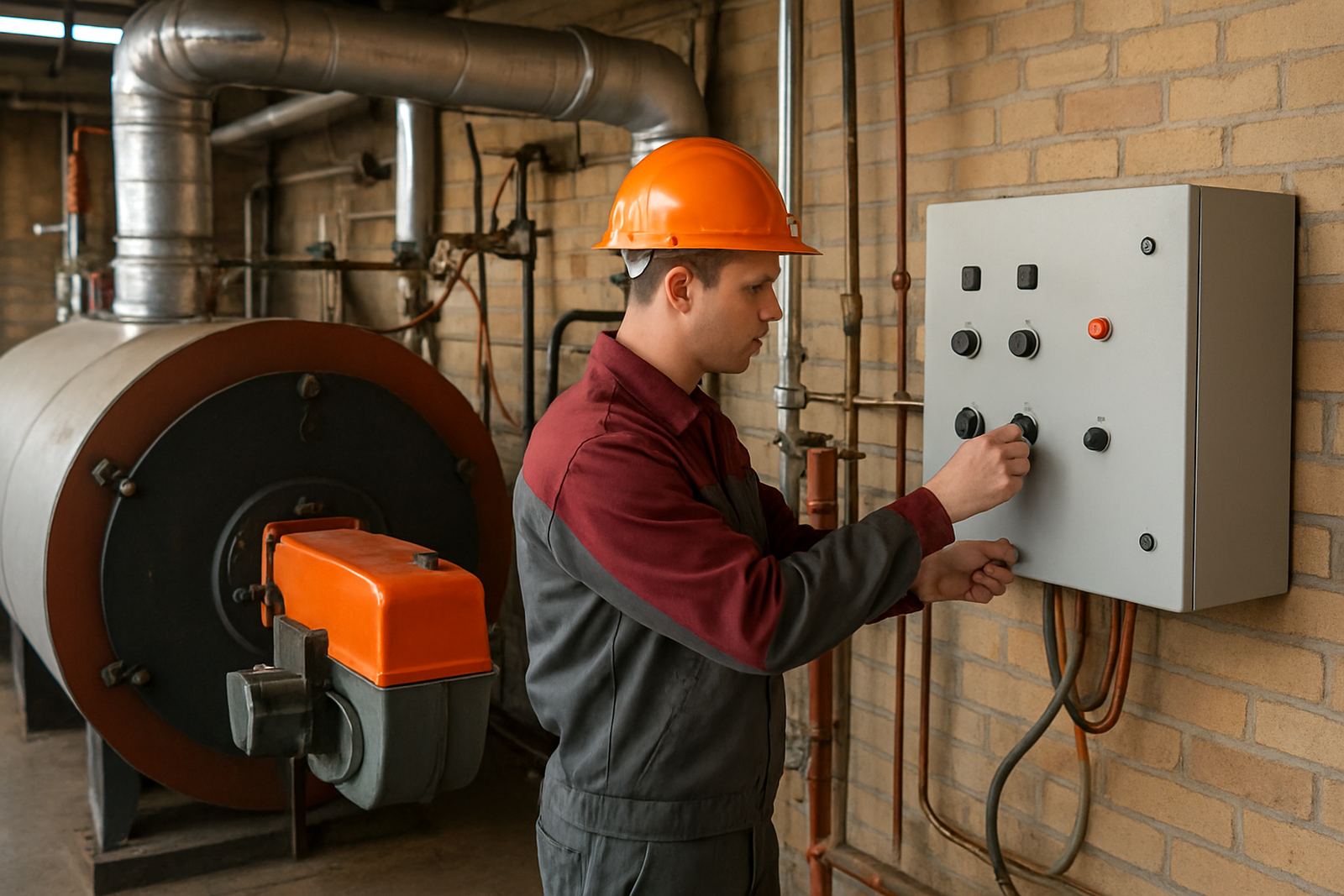
The calorifier was selected for commercial duty, with corrosion-resistant material choices on wetted surfaces and insulation to reduce standby losses. We added instrumentation for operator visibility, including temperature indication and pressure monitoring. Where the existing layout needed it, our team fabricated supports and brackets in our own workshop so the plant room arrangement fitted the site rather than forcing the site to fit the plant.
- High-recovery calorifier package
- Storage and circulation arrangement for multiple draw-off points
- Temperature controls and monitoring points
- Insulated pipework and vessel lagging
- Fabricated supports, brackets and connection details
How the job ran over four weeks
The work was completed over four weeks from site assessment to handover. Week one covered the survey, load review and final measurements. We checked peak hotwater demand, mapped the existing pipe routes and confirmed where the new unit would sit for safe access and maintenance. Week two was fabrication and preparation at our Jet Park base in Boksburg, where the mounting steel, connection pieces and support details were made up. Week three covered delivery, set-out and mechanical installation on site. Week four was commissioning, temperature balancing and operator briefing.
Because the site remained active, the sequence had to be neat and predictable. We coordinated our work around cleaning times and kept the changeover tidy so the plant team could keep running. The handover included basic operating notes, checks for water treatment and guidance on how to spot scale, air locks or control drift before they become a bigger fault.
- Week 1: Survey and demand review
- Week 2: Fabrication and preparation
- Week 3: Delivery and installation
- Week 4: Commissioning and handover
Results seen on the floor
The main gain was stability. Hotwater was available sooner after peak draws, so the hygiene team could keep moving through wash-down and sanitation tasks without waiting for the system to recover. That reduced delay during busy shifts and gave supervisors better control over the cleaning programme. It also eased pressure on staff, because they no longer had to work around unpredictable water temperature swings.
There was also a practical energy benefit. A properly matched calorifier with good insulation and correct controls can do more with less wasted heat, and that matters in a plant running for long hours. The client saw a cleaner operating pattern, fewer nuisance interruptions and a hotwater system that was easier to manage. For an abattoir, that means one less item competing with production, cold rooms and power planning.
- Improved hotwater recovery during peak demand
- Better support for hygiene and sanitation timing
- Less waiting between wash-down cycles
- More predictable plant operation for supervisors
Why the maintenance plan matters
Hotwater systems in food plants are only as good as the upkeep behind them. We recommended regular inspections, water treatment checks and temperature verification, because scale and sediment will shorten service life fast if they are ignored. In Gauteng, dust and hard water conditions can also creep in through the back door of a plant room, so simple routine checks save a lot of grief later. If there is any sign of heat loss, unstable delivery or longer recovery times, it is better to deal with it early.
We would approach the next job in much the same way: confirm actual demand, design for the busiest period rather than the quietest, keep the layout service-friendly and do not skip water treatment support. That is the difference between a hotwater plant that looks fine on paper and one that works when the site is under pressure.
- Routine inspections and temperature checks
- Water treatment support to limit scale buildup
- Access for service without major shutdowns
- Plan for peak demand, not just average demand
What we would do again
We would repeat the same approach on a similar abattoir project: site the calorifier for simple maintenance, oversize the recovery path where peak cleaning loads are sharp and make sure the controls are easy for the plant team to understand. In a commercial food environment, a hotwater system must be practical first. Fancy features do not help if the operators cannot keep water at the right temperature when the line is busy.
We would also keep the installation schedule tight and the handover clear. The best results come from combining proper fabrication, sound mechanical installation and honest operating advice. For this Krugersdorp site, that mix delivered what the client needed, steady hotwater support for hygiene work during the heaviest parts of the day.
Key facts
| Project location | Krugersdorp, Gauteng |
|---|---|
| Client type | Abattoir and meat processing plant |
| System supplied | High-recovery calorifier hotwater package |
| Primary purpose | Hygiene support during peak production shifts |
| Timeline | 4 weeks from survey to handover |
| Scope | Supply, fabrication, installation, commissioning and operator briefing |