What a Steam Pressure Set Does in a Steam Line
A steam pressure set is a packaged arrangement of valves and instruments that reduces incoming steam pressure to a lower, controlled outlet pressure. In practical terms, it protects downstream equipment, keeps process temperature more consistent, and helps prevent noisy hammering, flashing and unnecessary wear on traps, coils and valves.
On Gauteng sites, steam supply often changes through the day as laundries, kitchens, sterilising rooms and process equipment come on and off line. A properly sized set takes that fluctuation in stride and gives operators a much steadier steam supply at the point of use. We build for commercial and industrial duty, with sizes and layouts matched to the actual steam load not just the pipe size on the drawing.
- Pressure reduction for stable downstream use
- Control of fluctuating demand on process lines
- Protection of heaters, coils and plant equipment
- Useful where steam is distributed to several areas
Available Sizes, Valve Types and Control Options
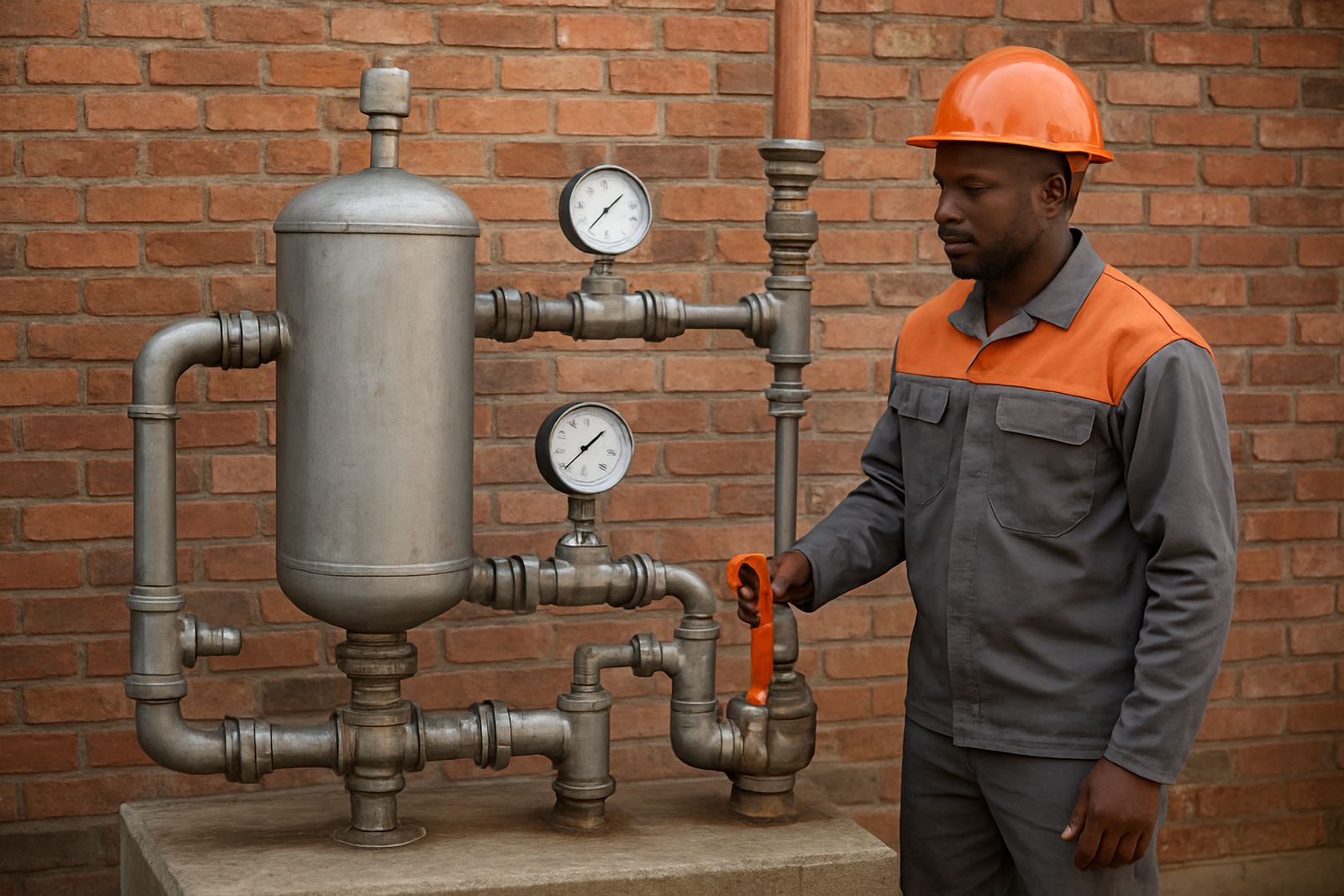
Steam pressure sets are built around the required flow rate, inlet pressure and desired outlet pressure. Common arrangements include single-stage pressure reducing sets, multi-valve sets for wider turndown, and sets with isolation, strainers, gauges and relief protection. For higher demand or tighter control, we can include pilot-operated control valves or self-acting regulators depending on the service.
Typical connection sizes range from 25 mm to 150 mm, with larger assemblies available for main headers and plant rooms. Outlet pressures are commonly set from low-pressure distribution up to medium pressure applications, depending on the boiler and process design. Where steam quality is a concern, we can add drip legs, separators and proper drainage points to help keep condensate out of the control valve body.
- Pipe sizes commonly from 25 mm to 150 mm
- Single or multi-valve control arrangements
- Pressure gauges, strainers and isolation valves
- Optional separators and drip points for wetter steam lines
Where Steam Pressure Sets Suit Best
These sets suit sites where steam has to be reduced before use in equipment or distributed across different areas at different pressures. Typical applications include food processing, laundry plants, chemical dosing systems, sterilisation rooms, process heating, hot water generation and certain manufacturing lines. They are also useful in older plant rooms where the original steam network was expanded over time and the outlets now need more control.
In coastal conditions around KwaZulu-Natal or the Western Cape, corrosion and wet steam can become an issue if drainage and maintenance are ignored. In Gauteng, the main challenge is often hard water, scale build-up and equipment that starts up and stops often during load-shedding. A correctly specified steam pressure set makes the downstream side easier to manage under those conditions.
- Factories with changing steam demand
- Laundry and hospitality steam services
- Food and beverage process lines
- Boiler rooms with multiple pressure zones
Installation, Utilities and Plant Room Requirements
Steam pressure sets do not usually need electrical power to regulate pressure if a self-acting control arrangement is used, but instrumented or actuated systems may need a suitable control panel supply. For that reason, we confirm the control method early in the project and check whether the site has stable power, backup supply, or only limited power available during outages. Where actuators, alarms or remote indication are needed, the control panel and cabling must be planned with the steam layout.
Installation needs enough space for straight pipe runs, safe access to valves and strainers, and proper drainage for condensate. The set should sit in a position where the operator can read gauges and isolate the line without climbing over hot pipework. We also take local municipal and plant safety rules into account, especially where boilers, pressure vessels and steam services form part of a registered installation. On a working site, this saves a lot of rework later.
- Allow access for gauge reading and valve servicing
- Include drainage and condensate removal points
- Plan control power only if actuated equipment is specified
- Keep clear space for maintenance and inspection
Care, Servicing and Common Wear Points
Like most steam equipment, a pressure set works best when it is checked regularly. Strainers collect debris, seat surfaces wear, gauges drift and isolation valves can seize if left untouched. Water treatment matters too, because scale and corrosion upstream often show up first at the pressure set and downstream traps. If the steam is dirty or wet, control performance usually gets worse before anyone notices a full breakdown.
Routine care includes cleaning strainers, checking the set pressure under load, inspecting the condition of gaskets and fittings, and looking for leaks or abnormal noise. If a plant runs through long shifts, it is wise to include the pressure set in annual inspections together with the boiler, calorifier, traps and downstream heaters. Our service teams can handle scheduled maintenance, emergency callouts and plant refurbishment where the steam line needs more than a quick repair.
- Clean strainers and check for debris build-up
- Verify inlet and outlet pressure under actual load
- Inspect for leaking seats, joints and flanges
- Include the set in annual steam system inspections
What to Check Before You Order
To specify the right steam pressure set, we need the inlet pressure, required outlet pressure, maximum steam demand and the pipe size available in the plant room. We also check the type of process being supplied, because some users need tighter pressure control than others. If the site has a history of wet steam, poor condensate return or uneven boiler firing, that changes the final recommendation.
It helps to know whether the installation is new, a replacement, or a section of a bigger refurbishment. Please also confirm the available straight length, the preferred orientation, any access limits and whether the site has backup power for actuated controls. If you are not sure, Ai-TEC can assess the line and prepare a practical supply and installation proposal from our Jet Park base in Boksburg, with service coverage in Boksburg, Kempton Park, Germiston, Pretoria, Midrand, Sandton and nationwide.
- Inlet pressure and required outlet pressure
- Steam demand in kg/h or process load details
- Pipe size, available space and access limits
- Whether the set is for new work or replacement
Key facts
| Product type | Steam pressure reducing and control set |
|---|---|
| Common sizes | 25 mm to 150 mm, larger on request |
| Pressure range | Specified to suit inlet and controlled outlet duty |
| Materials | Industrial steam-rated valves, fittings and instruments |
| Options | Isolation valves, strainers, gauges, separators, relief protection, actuated control |
| Service coverage | Gauteng and national service teams from Jet Park, Boksburg |