What a circulation heater skid does in a plant
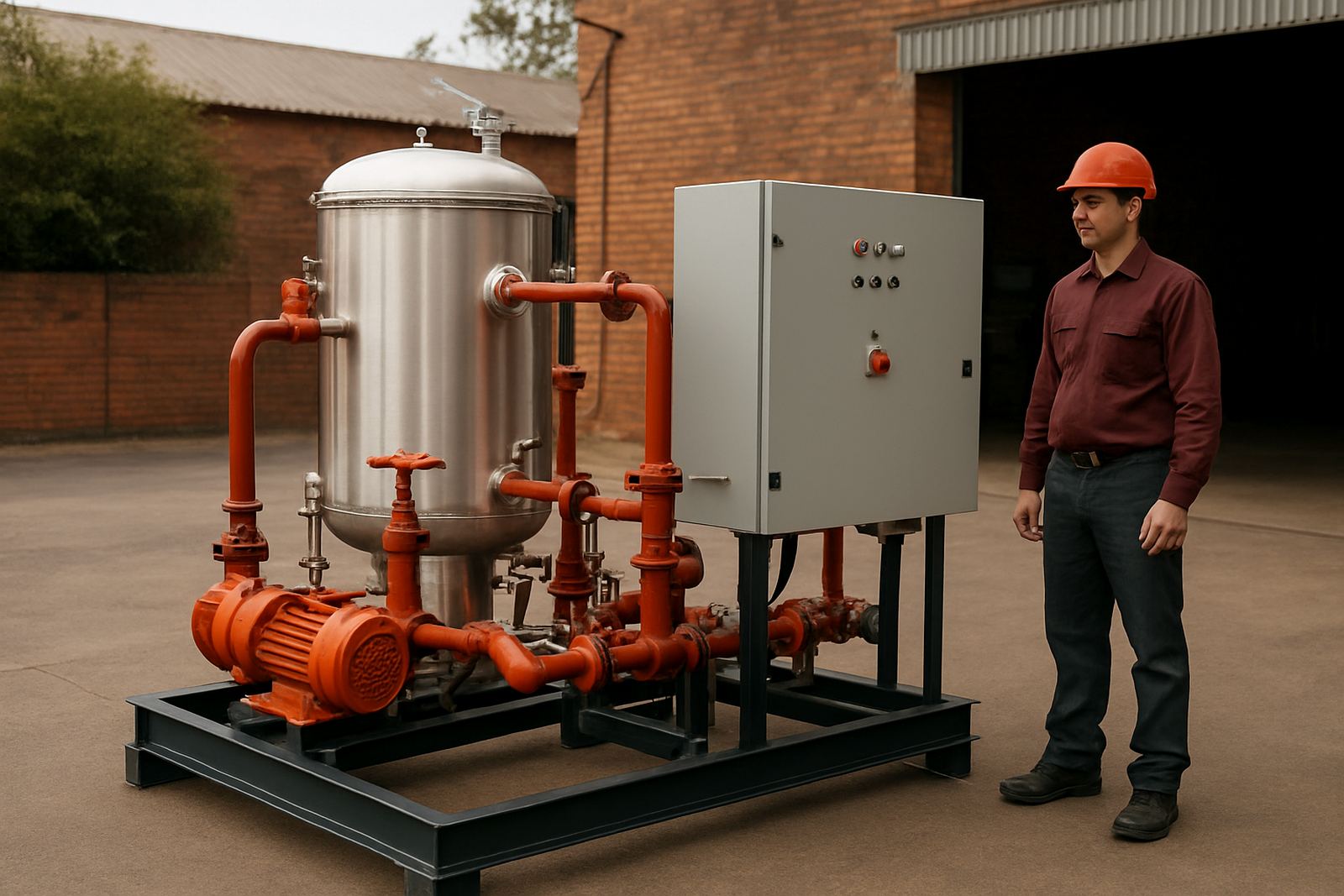
A circulation heater skid is a packaged heater set used to keep liquid moving while it is heated to a set temperature. Instead of heating a tank slowly from one point, the system pumps fluid through a heater, then returns it to the process or storage loop. That gives better temperature control, quicker response and fewer cold spots, which matters where product quality, wash cycles or process timing must stay steady.
These skids are used where a site needs a controlled loop rather than a one-pass heater. Common applications include hot water loops, cleaning systems, light process fluid heating and support heating for equipment that must hold a narrow temperature range. In Gauteng factories this is often tied into plant services where space is tight and shutdown time is limited.
Ai-TEC can supply, manufacture and maintain skids to suit the site layout, duty and temperature target. We also plan for practical matters such as pump access, isolating valves, drain points and safe inspection space, so the unit is not awkward to service later.
Typical sizes, heater duties and skid options
Skids are built to suit the required flow rate, temperature rise and available power. Smaller units may be used for local wash points or compact plant rooms, while larger skids handle heavier recirculation duties for industrial production. The frame, vessel, heater bank and controls can all be arranged around the actual site conditions, not a one size fits all layout.
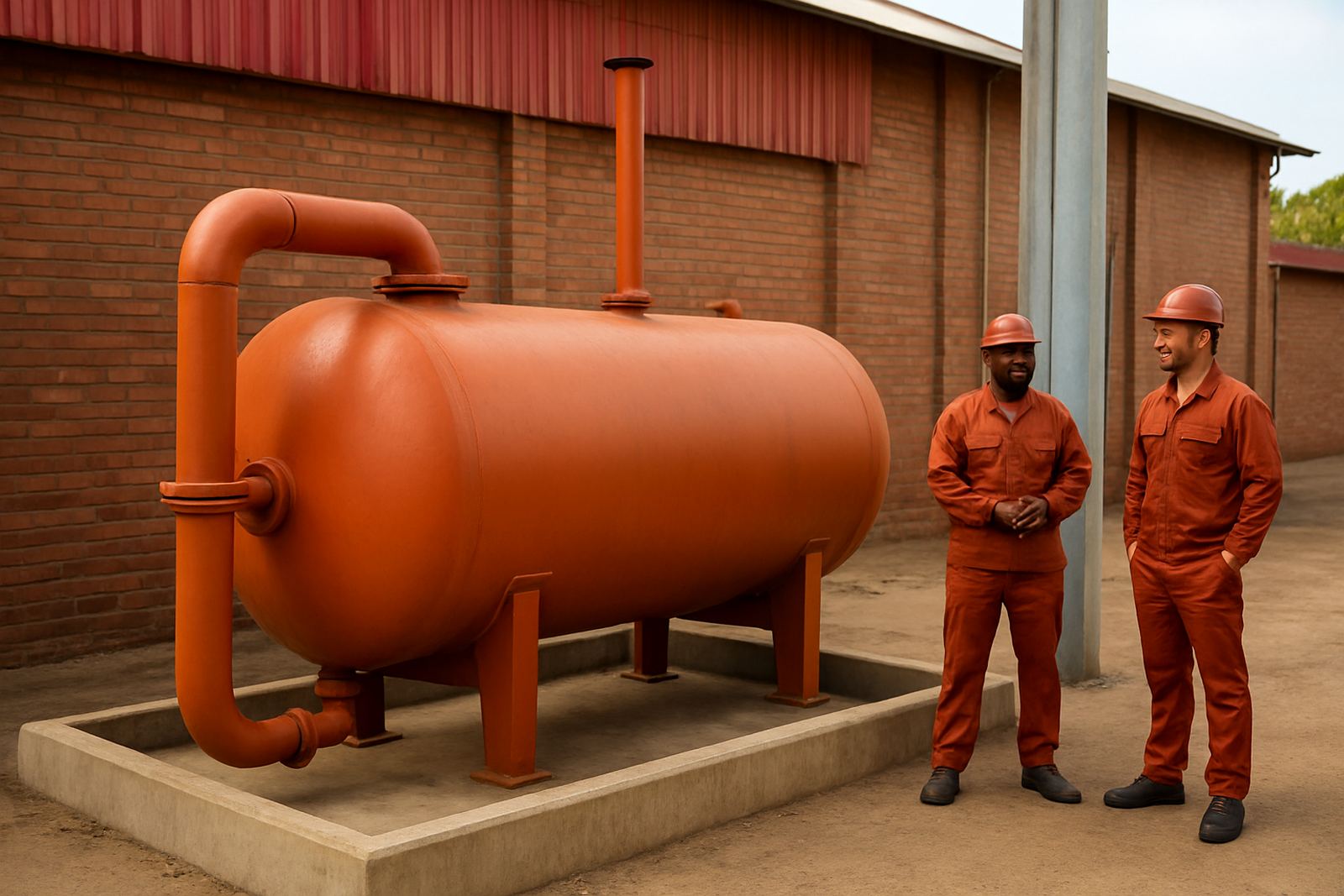
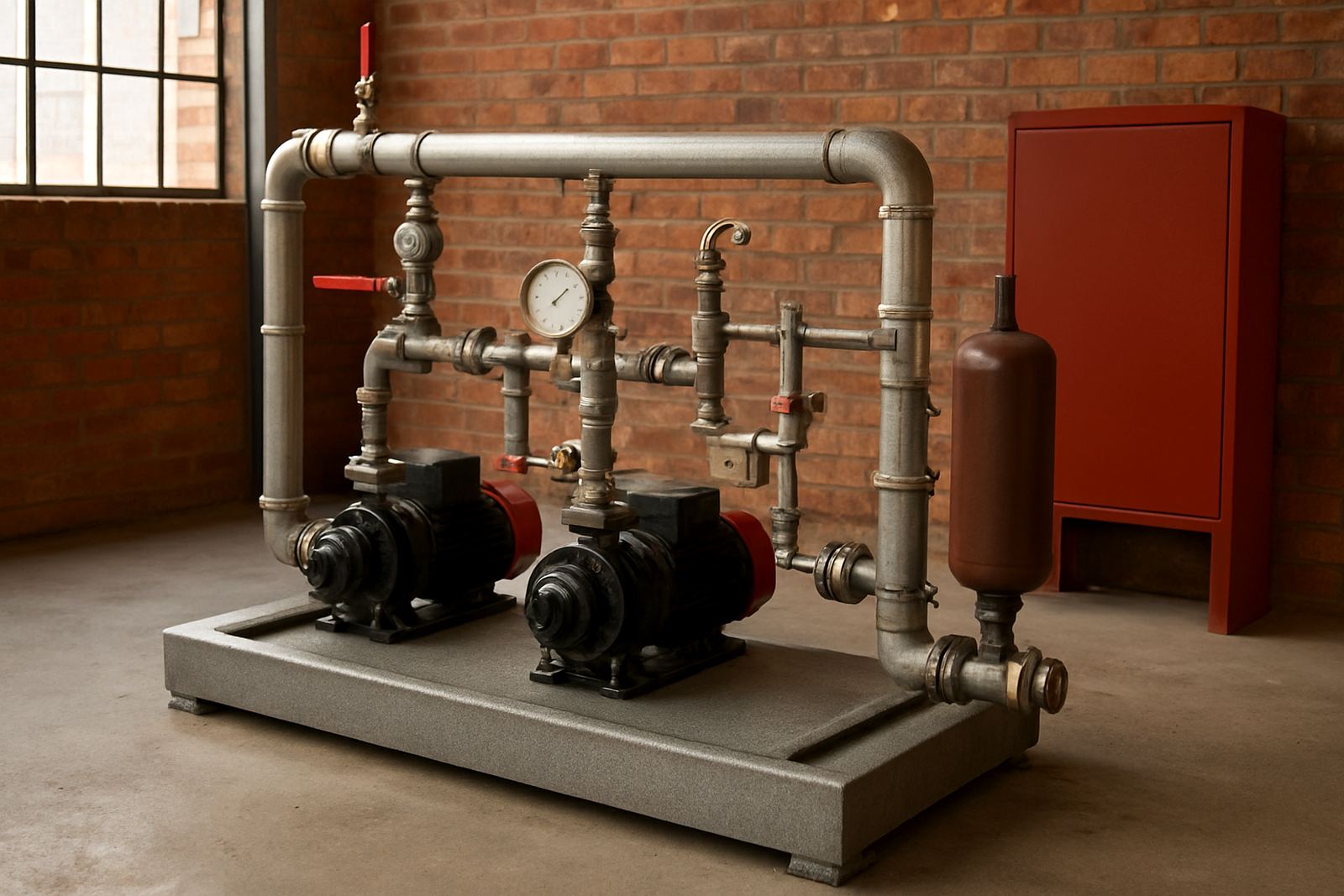
We commonly work with skid-mounted units that include a circulation pump, heater element bank or gas fired heater assembly, control panel, pressure and temperature instruments, relief protection and basic pipework. Where the process is sensitive, the skid can be arranged with a tighter temperature band and additional interlocks. If the site is near the coast, materials and insulation are selected with corrosion and humidity in mind, because salty air can shorten life if the details are wrong.
- Single or twin pump arrangements for duty and standby use
- Electric or gas fired heat source, depending on plant supply and duty
- Manual or automatic temperature control
- Insulated pipework and heater vessel covering
- Stainless or mild steel construction, depending on the fluid and operating environment
- Local control panel with fault indication and emergency shut down points
Where circulation heater skids fit best
These skids suit sites that need temperature stability without wasting heat or occupying too much floor space. They are often used in food and beverage support systems, wash bays, light industrial process loops, chemical handling areas, laundry plants and other facilities where hot fluid must be moved steadily through the line. In Pretoria, Midrand, Germiston and Boksburg we see them used where older plant rooms need a neater packaged solution with less field piping.
Circulation heater skids are also useful where production starts and stops through the day. The system can hold the loop at temperature, then recover quickly after demand. That helps reduce waiting time and avoids the stop start losses that happen when a tank heater works too slowly.
For sites with load shedding or unstable supply, the heater duty and control strategy should be checked carefully. In some cases the process needs a hold temperature only, while in others it must recover fast after an outage. We look at that early, because it affects heater sizing, pump selection and the type of control gear used.
- Plant rooms with limited floor area
- Wash systems needing repeatable hot water supply
- Temperature sensitive recirculation loops
- Sites that want faster heat recovery after outages
- Industrial facilities planning phased refurbishment
Installation, power supply and gas requirements
Installation starts with the duty requirement, then the site layout and supply available. For electric skids, the available three phase supply, breaker capacity, cable size and earthing must be checked before manufacture is finalised. For gas fired units, the gas train, pressure range, ventilation and flue route need to suit the room and the local by laws. A unit placed in a closed room with poor ventilation will give trouble sooner than one fitted properly from day one.
The skid should sit on a level base with enough access for valve operation, cleaning and future element or burner work. We also allow for maintenance pull space around the pump and control panel. If the site is at a coastal branch or has high humidity, we may recommend extra protection on the controls and terminals. Where water quality is poor, treatment support becomes part of the package, because scaling will kill efficiency and shorten service life, especially on electric elements.
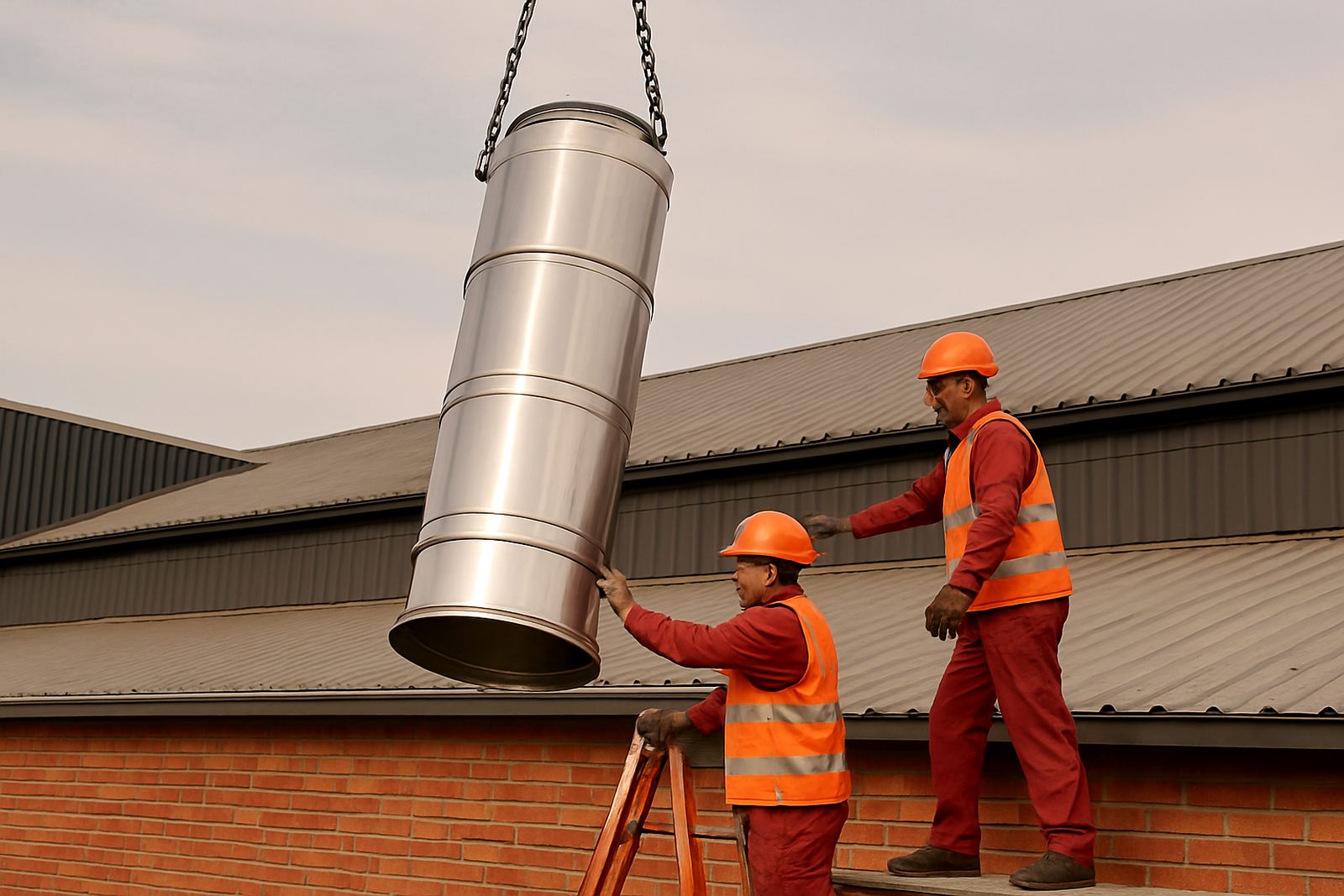
Our projects team can work from the site measurements, utility details and process targets. Pieter van der Merwe and the fabrication team in Jet Park, Boksburg handle the practical build side, while the service team can advise on install access, start up and commissioning. That helps avoid site delays and late changes.
Care, servicing and what keeps the skid running well
A circulation heater skid needs regular checks if it is expected to hold temperature correctly and use power sensibly. The pump seals, strainers, relief valves, temperature probes and electrical connections should be inspected on a routine basis. On gas fired units the burner, combustion settings and flue condition need attention as well. If the unit is left to run dirty or dry, small faults become expensive repairs very quickly.
Ai-TEC offers boiler and heater maintenance support nationally, with service teams based around Boksburg, Kempton Park, Germiston, Pretoria, Midrand and Sandton. For many sites we schedule annual inspections and planned maintenance around shutdown windows, not during peak production. We also assist with combustion tuning, refractory work where relevant and plant refurbishment when the skid is being upgraded.
- Check pump operation and listen for cavitation or bearing noise
- Inspect insulation and lagging for damp patches or damage
- Test controls, thermostats and safety interlocks
- Look for scale on heater surfaces and fittings
- Confirm flow, return temperature and set point accuracy
Ordering details, drawings and specs to confirm upfront
When ordering a circulation heater skid, the best starting point is the process duty and the fluid details. We need the target temperature, incoming temperature, required flow rate, operating hours and whether the plant is electric or gas ready. Also confirm the fluid type, because water, treated water and some process liquids can require different materials and heater surfaces. If the site uses borehole water or hard municipal water, tell us that early. It affects scaling risk and service intervals.
It also helps to send the available space, utility point locations and any special site rules such as noise limits, access routes or municipal fire requirements. Where the skid must fit through a narrow doorway or into a confined boiler room, we can plan the frame and connection positions around that. A rushed order with missing information usually means rework later, and nobody wants that on a live plant.
If you are unsure about the exact specification, Ai-TEC can help you define the duty before manufacture. That includes the heater rating, pump head, control philosophy and inspection points so the finished unit suits the site, not just the paperwork.
Key facts
| Product type | Packaged circulation heater skid for controlled recirculation |
|---|---|
| Heating method | Electric resistance or gas fired, depending on site duty |
| Typical application | Process temperature stability, hot water loops, wash systems and light industrial heating |
| Construction options | Mild steel or stainless steel frame and wetted parts, with insulated piping |
| Controls | Local panel with temperature control, safety interlocks and fault indication |
| Service area | Gauteng base with national supply, installation support and maintenance teams |