What the Germiston laundry needed from its steam plant
The client was a busy industrial laundry serving commercial linen contracts across Gauteng. The old plant could still make steam, but it was struggling to keep up when the wash line, press section and drying equipment were all running at once. Pressure swings were causing poor cycle control and operators were working around the system rather than using it properly.
We were asked to supply a new steam solution that could fit into a tight plant room, start quickly after power interruptions, and handle daily running in a damp laundry environment. The site also had limited downtime windows, so the changeover had to be planned around production shifts. As with many laundry plants in the east rand, the client wanted practical gains, not a fancy spec sheet.
- Improve steam availability during peak washing and finishing runs
- Reduce heat-up delays after load shedding and planned outages
- Keep the footprint small enough for the existing boiler room
- Support cleaner combustion and better fuel control
Site limits, power cuts and steam demand swings
The biggest constraint was not only space, but the way the laundry worked. Steam demand changed fast through the day, especially when the team moved from bulk wash loads to ironing and drying. Any poor control would show up straight away in bottlenecks. The site also sat in an area where humidity and condensation were part of daily life, so pipe insulation, traps and ancillary fittings had to be selected with care.
Load shedding meant the new installation also had to recover quickly after stoppages. That meant a packaged unit with dependable burner management, simple operator controls and enough capacity to catch up after a restart. We also had to allow for local maintenance rules, safe access around the boiler, proper blowdown routing and service clearances for future inspections.
- Existing boiler room with limited access for lifting and positioning
- Variable demand from wash, press and finishing equipment
- Need for rapid restart after power interruptions
- High ambient moisture and regular wash-down conditions
What Ai-TEC supplied and installed
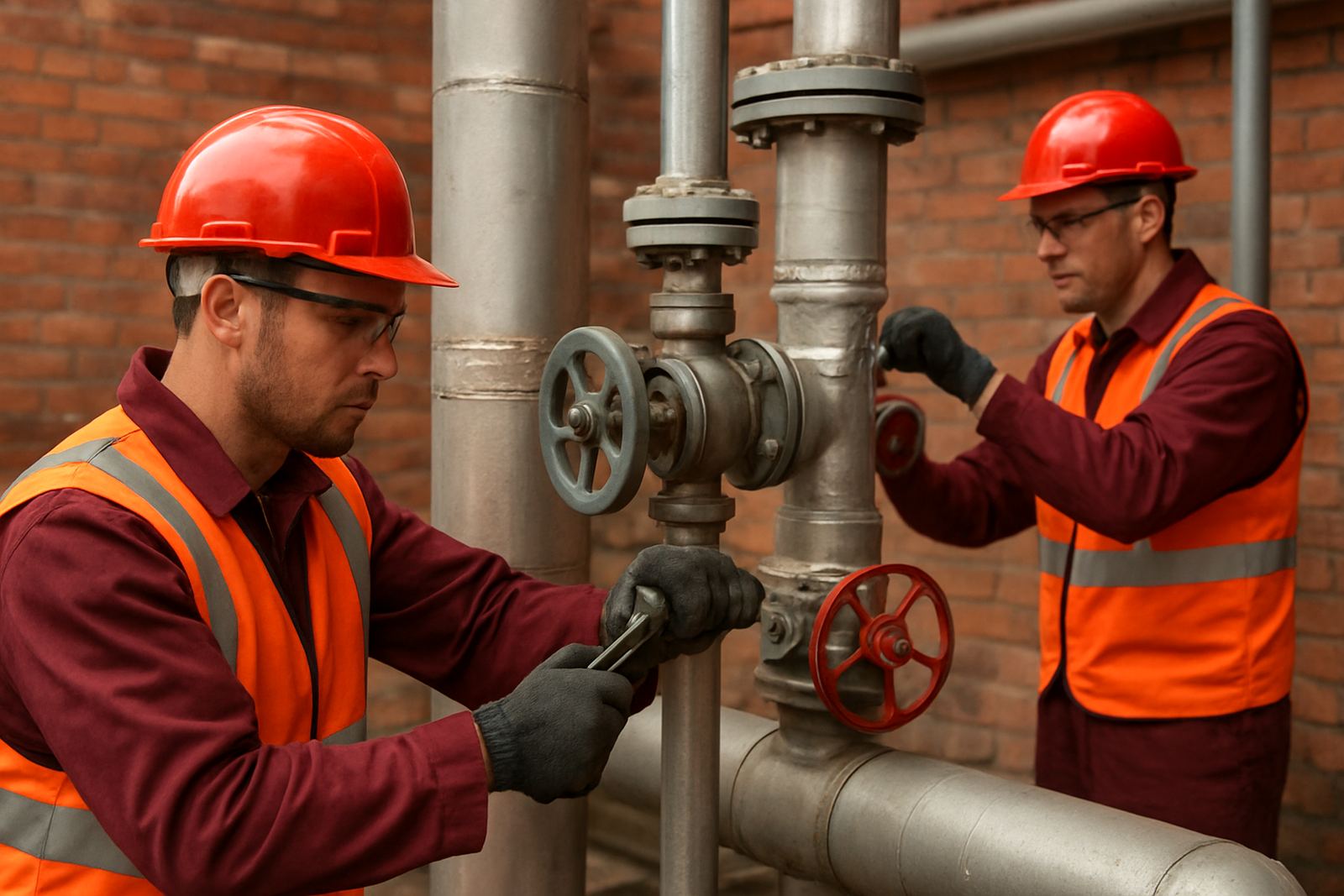
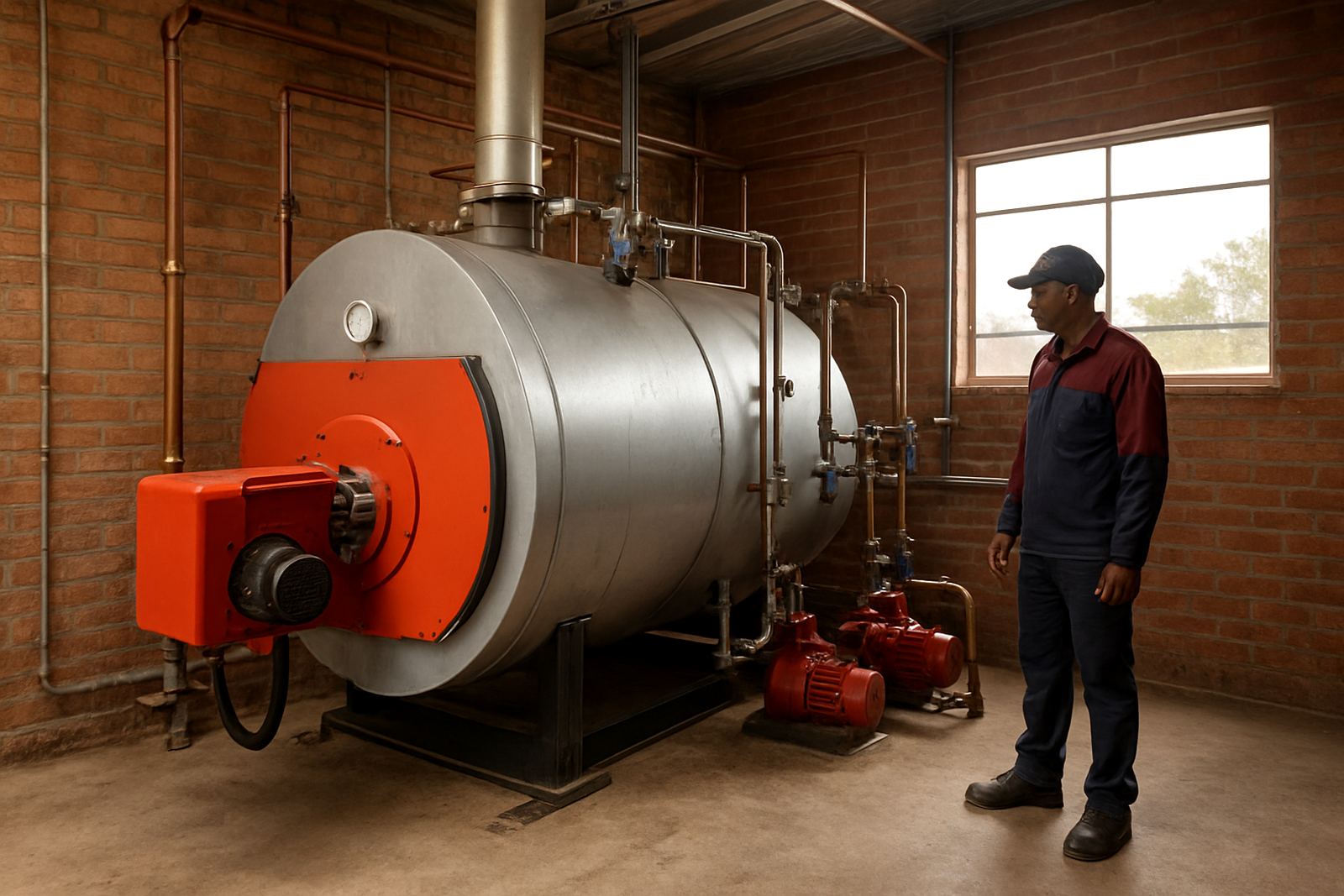
Ai-TEC supplied a packaged steam boiler installation sized for the laundry's actual operating pattern rather than a guess based on peak nameplate load. The package included the boiler, burner assembly, feedwater controls, safety fittings, water treatment interface and flue connection. We also carried out the pipework tie-ins, condensate return connections and insulation repairs where the old lagging had failed.
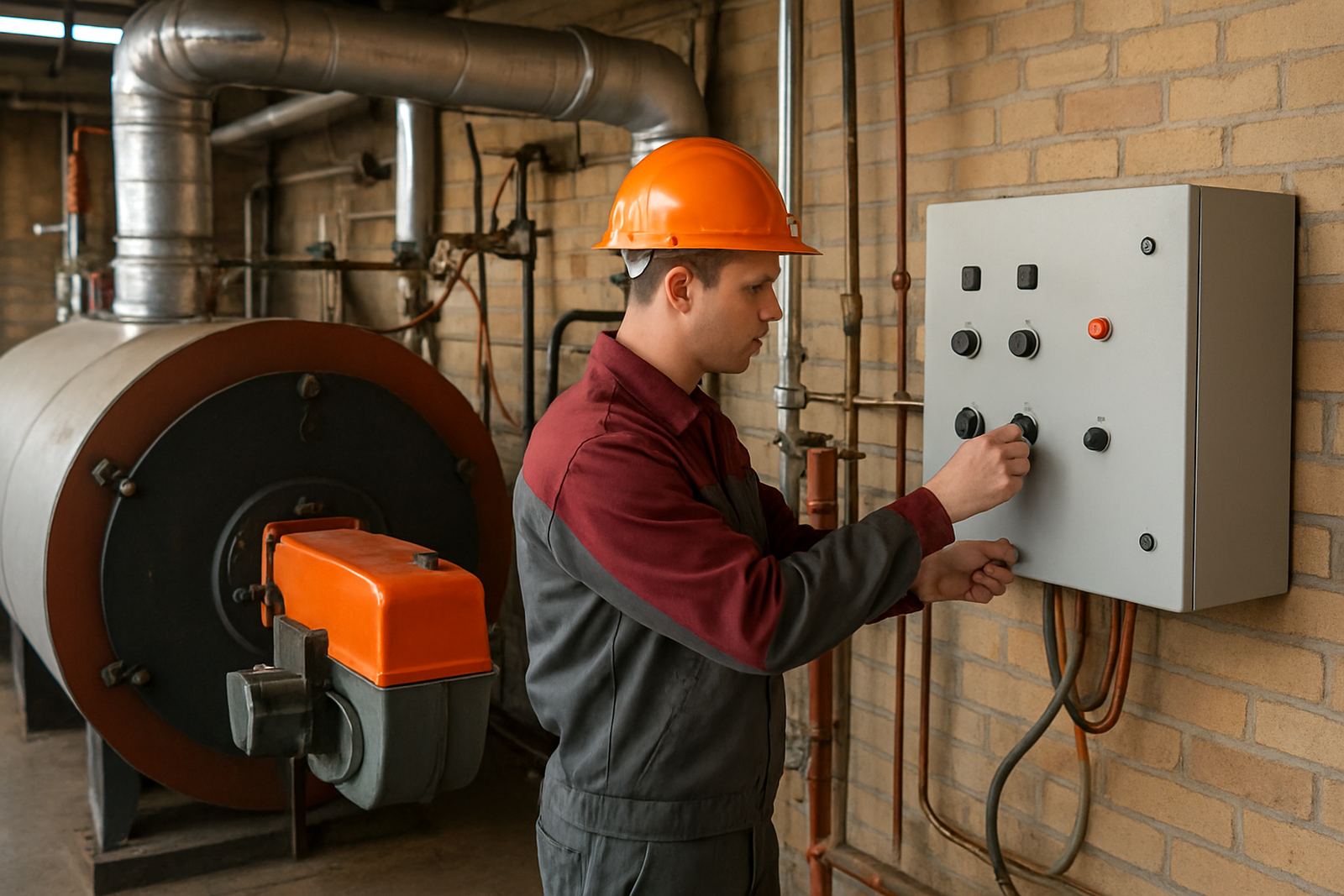
The boiler was set up for practical daily use by plant staff. We commissioned the controls so operators could bring the system online in a steady way, with clear pressure control and safe shutdown logic. Combustion tuning was completed on site to suit the fuel quality available at the time, and we checked flame stability across the working range. The client also received basic operating guidance so the team knew what normal readings should look like.
- Packaged steam boiler with matched burner and control gear
- Feedwater and safety ancillaries set up for laundry duty
- Condensate and steam line tie-in work
- Insulation repairs and final lagging touch-ups
- Combustion tuning and functional commissioning
Installation sequence over four weeks
The project ran over four weeks from final site measure-up to handover. Week one covered strip-out planning, measurements and confirmation of service connections. In week two we completed fabrication items, prepared the boiler base and lined up the plant room works. Week three was the main installation window, with mechanical fitment, pipework connections and electrical interface checks. Week four covered commissioning, water treatment checks and operator handover.
We kept the programme tight because the laundry could not afford a long shutdown. That meant working cleanly, phasing the job to keep part of the plant available where possible, and making sure each trade followed the next without holding up the room. A small issue with an existing line slope was corrected on site before start-up, which saved the client from future condensate trouble.
- Week 1: survey, shutdown plan and final equipment order
- Week 2: base prep, fabrication and service coordination
- Week 3: boiler setting, piping and electrical tie-ins
- Week 4: commissioning, tuning and practical handover
Results on the wash floor and in the boiler room
Once the new steam plant was online, the client had steadier pressure through the day and less waiting time between cycles. That improved throughput on the wash line and reduced the stop-start routine that had been slowing the operation. Operators also reported easier recovery after outages, which mattered during periods of unstable municipal supply and load shedding.
Fuel use became easier to manage because the burner was matched to the actual demand profile. The site did not need to overfire the boiler just to keep up. In practice, that meant better steam quality, fewer nuisance trips and a plant room that was easier to maintain. The laundry could focus on production instead of chasing the boiler all day.
- Higher output during peak shifts
- More stable steam pressure for washing and finishing
- Quicker restart after power interruptions
- Less operator intervention during normal running
What we would repeat on the next laundry project
We would approach the next laundry project in the same way: start with the real steam profile, not just the boiler size from the old plant record. Too many sites carry oversized or tired equipment for years, then wonder why fuel bills and breakdowns keep climbing. A proper survey of steam traps, condensate return and insulation condition usually shows where the real losses are.
For laundries in Germiston, Boksburg, Kempton Park and the wider Gauteng belt, the best result comes from practical design, good access for maintenance and clear commissioning records. If the plant is going to run through winter, overcast damp days and the odd power cut, it must be easy to restart and simple to service. That is the standard we aim for on every boiler job.
- Size for demand patterns, not just peak plant nameplate figures
- Plan maintenance access from day one
- Check condensate recovery and trap condition early
- Allow for restart after outages and load shedding
Local support for steam plant in Germiston and beyond
Ai-TEC is based in Jet Park, Boksburg, with service teams working across Gauteng and nationally. For steam plant, boiler servicing, combustion tuning, annual inspections and plant refurbishment, we support industrial sites that need practical response times and honest advice. Our team includes project, fabrication and service staff who understand the pressure of keeping production moving.
If you run a laundry, food plant, workshop or process site and your steam system is no longer keeping pace, we can assess the plant and recommend the next step. Sometimes that is a full boiler replacement, sometimes it is refurbishment, controls, or water treatment support. The aim is the same either way: dependable steam, safe operation and less downtime.
- Germiston and east rand service coverage
- Boiler servicing and emergency callouts
- Water treatment support and annual inspections
- Plant refurbishment and combustion tuning
Key facts
| Project type | Packaged steam boiler installation for industrial laundry use |
|---|---|
| Location | Germiston, Gauteng |
| Timeline | 4 weeks from survey to handover |
| Main objective | Increase throughput and stabilise steam supply |
| System scope | Boiler, burner, controls, feedwater gear, flue and tie-ins |
| Operating focus | Quick restart, steady pressure and practical maintenance access |