What Refractory Relining Covers
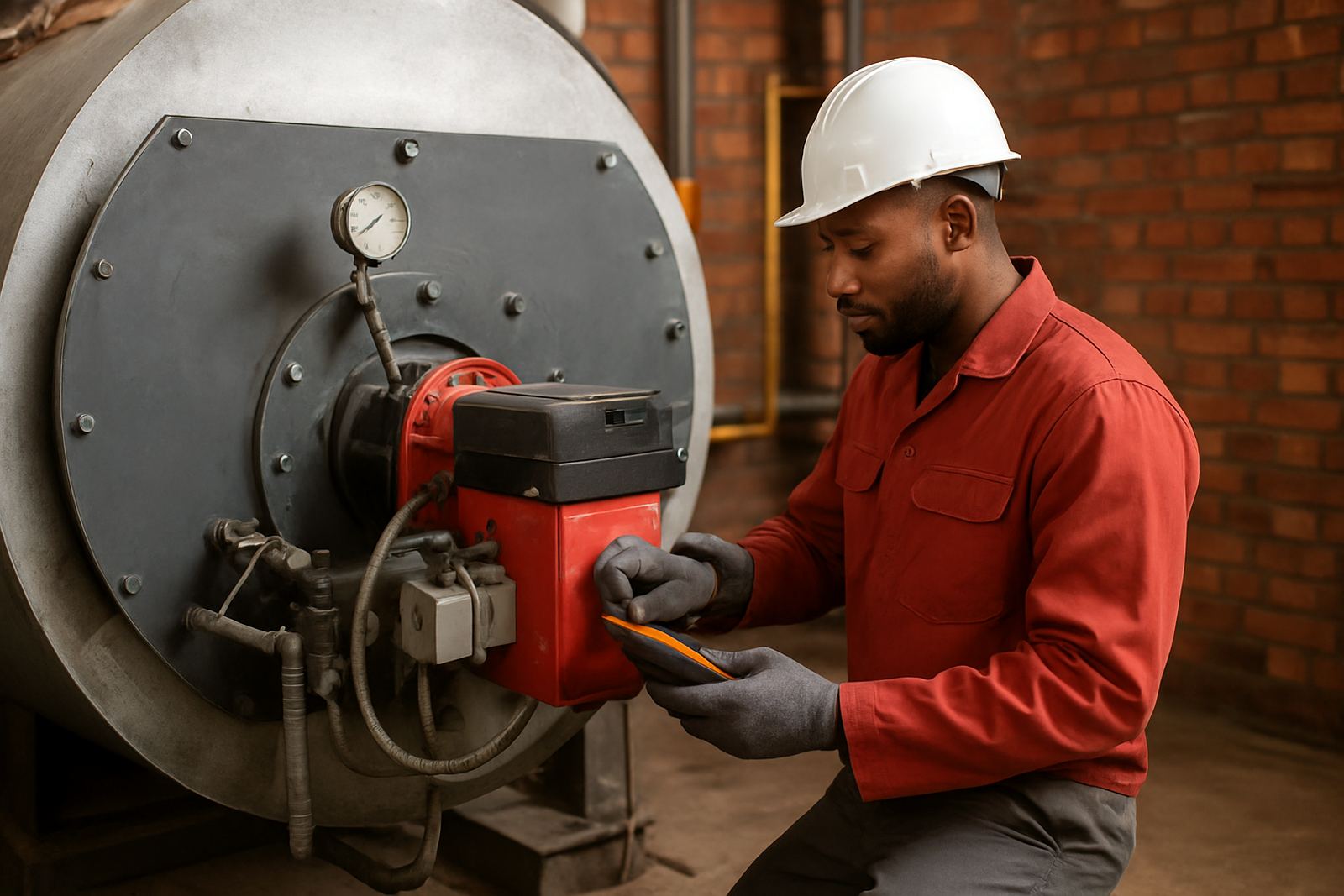
Refractory lining is the heat resistant material that protects the shell, casing and surrounding steelwork in high temperature plant. When it cracks, spalls, falls away or starts to glaze, the unit loses heat, burns fuel harder and can put operators at risk. Our refractory relining service is used on incinerators, combustion chambers, boiler sections, ducts, access doors and other hot face areas where repeated cycling, thermal shock and poor water quality have taken a toll.
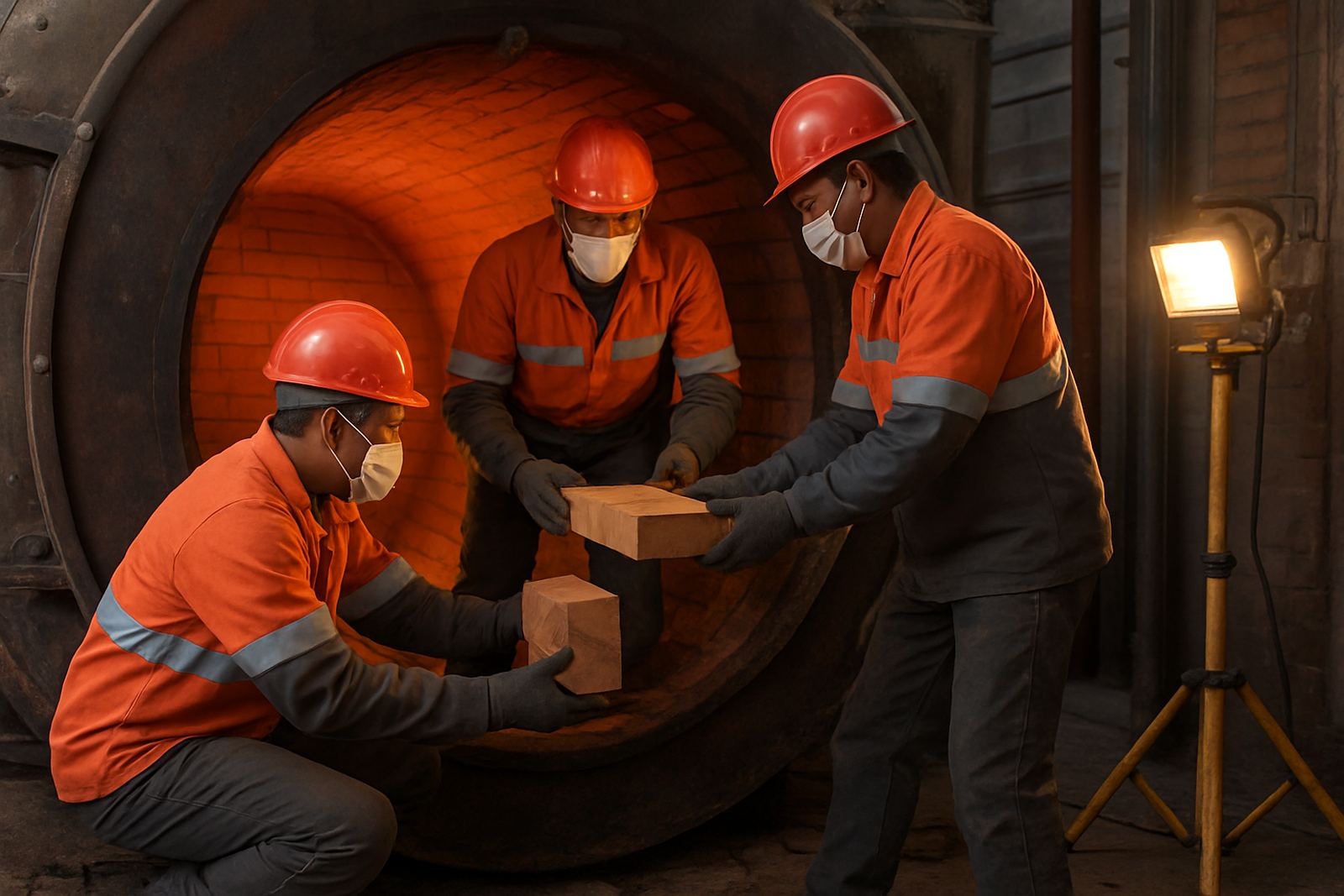
We remove the failed lining, inspect the substrate, repair anchor points where needed and install new refractory to suit the duty. That can include castable linings, insulating layers, dense wear layers, patch repairs and formed sections around manways, burner quarls and inspection openings. For sites in Gauteng, KZN or the coastal belt, we also take moisture and corrosion into account so the new lining does not fail early after shutdown. A proper relining is not just a patch job, it must match the operating temperature and the way the plant actually runs.
- Removal of cracked, loose or burnt refractory
- Inspection of anchors, shells and hot face support steel
- Supply and installation of matched lining materials
- Repairs to doors, joints, access ports and burner openings
- Final dry-out and recommissioning checks
Our Site Process From Strip-Out To Dry-Out
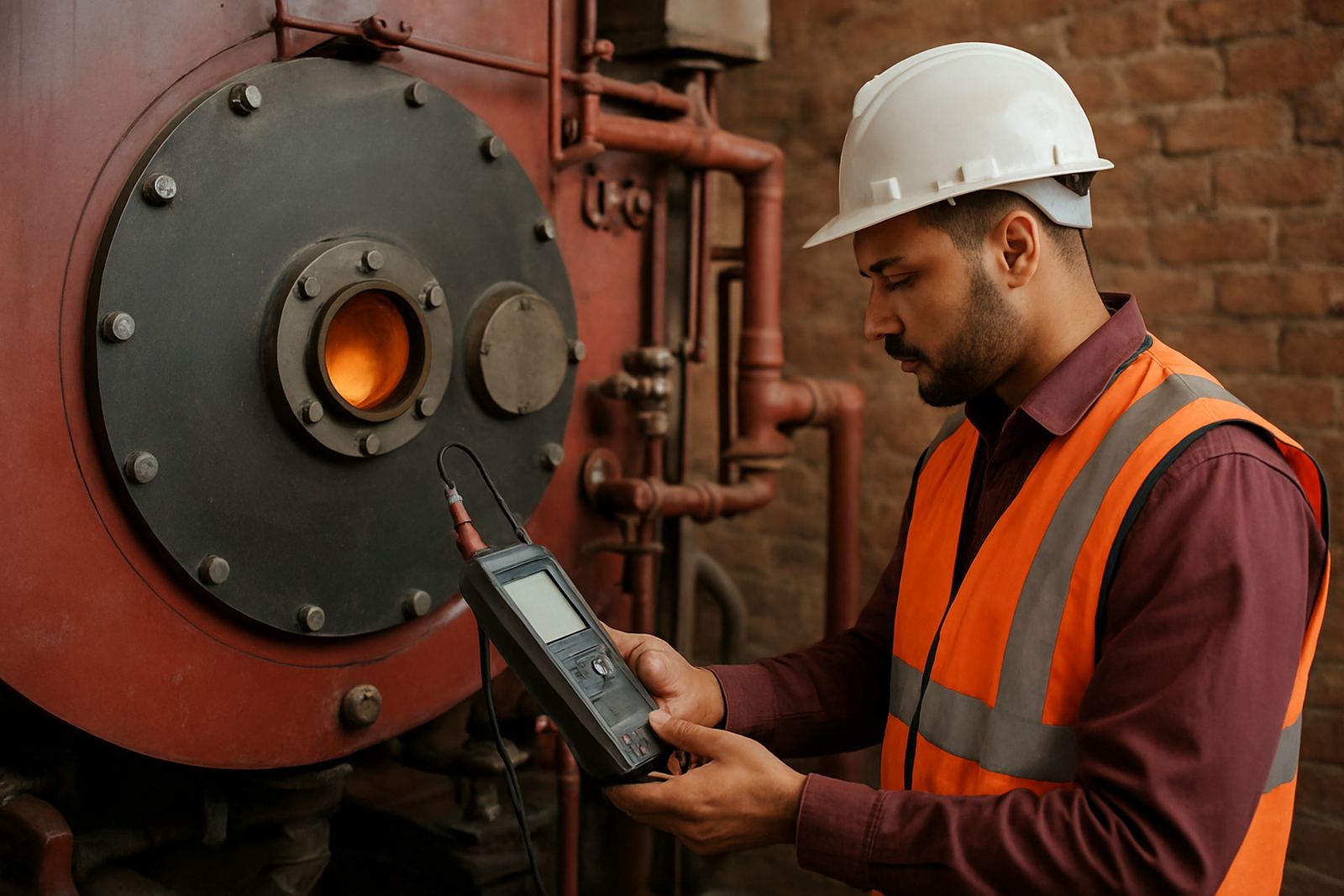
We start with a site inspection and photos so we can see the failure pattern, the thickness involved and whether the damage is localised or across the full chamber. After that we plan the shutdown, isolate the equipment and remove the old lining safely. On older plants, this often shows hidden problems such as corroded anchors, warped panels or ash build-up behind the hot face. Those issues are dealt with before new material goes in, otherwise the new lining will not last.
The installation process is handled in sequence so the work stays neat and the cure is controlled. We prepare the surface, fit anchors or mesh where required, place the refractory, compact it properly and allow for joints and expansion. Once the lining is in we manage the dry-out using a controlled heat-up curve, because a rushed first fire can blow the lining apart. On many jobs we also check burner alignment, seals and air settings at the same time so the unit returns to service in a better state than it came out.
- Site assessment and shutdown planning
- Strip-out and cleaning of the failed lining
- Substrate inspection and repair work
- Installation, curing and controlled dry-out
- Start-up support and operational handover
Typical Turnaround And Shutdown Windows
Turnaround depends on the size of the chamber, the amount of damage and whether materials are already on hand. Small localised repairs can often be done in one to two days, while full relines on incinerators or large combustion chambers may need several days plus the drying period. If anchor replacement, fabrication or brick cutting is needed, we build that into the programme from the start so the shutdown does not drag on.
For production sites in Boksburg, Kempton Park, Germiston, Midrand, Sandton and Pretoria, we try to align the work with your maintenance window, stock levels and utility restrictions. Where load shedding or municipal water interruptions could affect dry-out, we plan around generator capacity and make sure the site has the fuel and support services in place. On urgent jobs, Zanele and the service team coordinate access, permits and callout timing so crews can move fast once the unit is handed over.
- Emergency patch repairs for limited hot spots
- Planned shutdown work for full section replacement
- Dry-out time included in the job plan
- Weekend and after-hours shutdown support
- National coverage from our Gauteng base
How We Price Refractory Work
Pricing is usually based on a site survey rather than a generic rate, because refractory jobs vary a lot. We look at the area to be repaired, lining thickness, access, demolition effort, material grade, dry-out requirements and whether the work can be done in one lift or in stages. A boiler back-end patch is a very different job from a full incinerator chamber relining, so a proper scope matters.
We supply clear pricing with labour, materials, travel, lifting equipment and any special consumables shown separately where needed. That gives maintenance teams and procurement people a proper basis for approval. If the plant has repeated lining failure, we can also advise on changes that reduce future spend, such as better burner tuning, improved water treatment support, or a revised maintenance interval. Cheaper material on its own is not always the lowest cost option if the chamber is cycling hard every week.
- Site-specific pricing after inspection
- Materials selected for temperature and duty cycle
- Labour and shutdown costs itemised where required
- Options for repair, partial reline or full replacement
- Recommendations to reduce repeat failure
Maintenance Intervals That Keep Linings Alive
Refractory life depends on operating temperature, start-stop frequency, burner condition and how clean the combustion process is. As a guide, high cycling plants should be inspected at least every 6 months, with a full lining check during the annual service or statutory outage. Continuous duty equipment may last longer, but small cracks should still be monitored because they can move quickly once moisture, steam or flame impingement gets in.
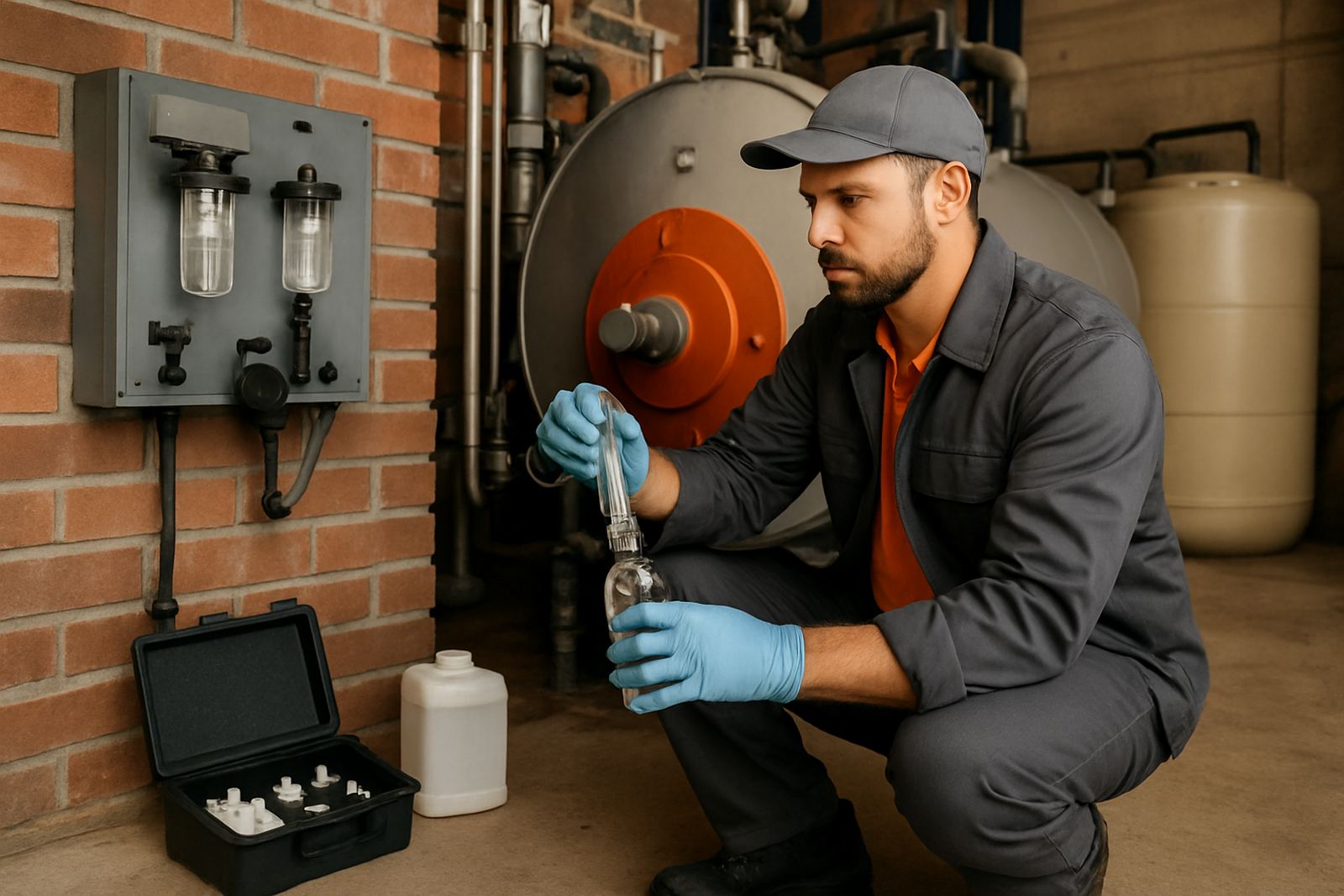
We normally recommend lining checks after any major upset, burner replacement, pressure issue or water leak into the hot zone. On coastal sites, humidity and salt can speed up corrosion behind damaged lining, so the inspection interval should be shorter. If your plant runs with hard water scale or poor combustion, the lining will be doing extra work and may need more frequent attention. Musa and the service team can include refractory condition checks in your broader boiler or incinerator maintenance plan so small damage gets picked up before it turns into a shutdown.
- 6 monthly checks on heavy cycling equipment
- Annual inspection on most industrial plant
- Immediate inspection after burner or water faults
- Shorter intervals for coastal or corrosive environments
- Condition reporting for maintenance planning
Why Plants Call Ai-TEC For Relining
Our team understands thermal plant, not just the lining material. That matters because refractory problems are often caused by something else upstream, such as poor combustion, steam carryover, leaking seals, burner misalignment or a change in operating load. Pieter Fourie and the projects team have worked on relines for production sites, industrial boilers and incinerators where uptime is critical and a half-finished repair is not an option.
With fabrication support in-house, we can handle steel repairs, access modifications and site adjustments without waiting on too many outside trades. Lerato keeps the work moving, Johan manages fabrication details, and Ayesha helps with commercial queries and scheduling where contract approval is needed. From Jet Park, Boksburg we cover Gauteng quickly and send teams nationally when the shutdown is fixed and the work scope is clear. If the lining is damaged, do not wait for it to collapse. A short visit now can save a much larger rebuild later.
Key facts
| Service area | Gauteng and nationwide service teams |
|---|---|
| Typical equipment | Boilers, incinerators, calorifiers and thermal plant |
| Common lining types | Castable refractory, insulating layers, dense wear zones |
| Typical turnaround | 1 to 5 days plus controlled dry-out, depending on scope |
| Inspection interval | Every 6 months for heavy cycling, annually for most plants |
| Base | Jet Park, Boksburg |