Heat Support For Plants That Cannot Miss A Shift
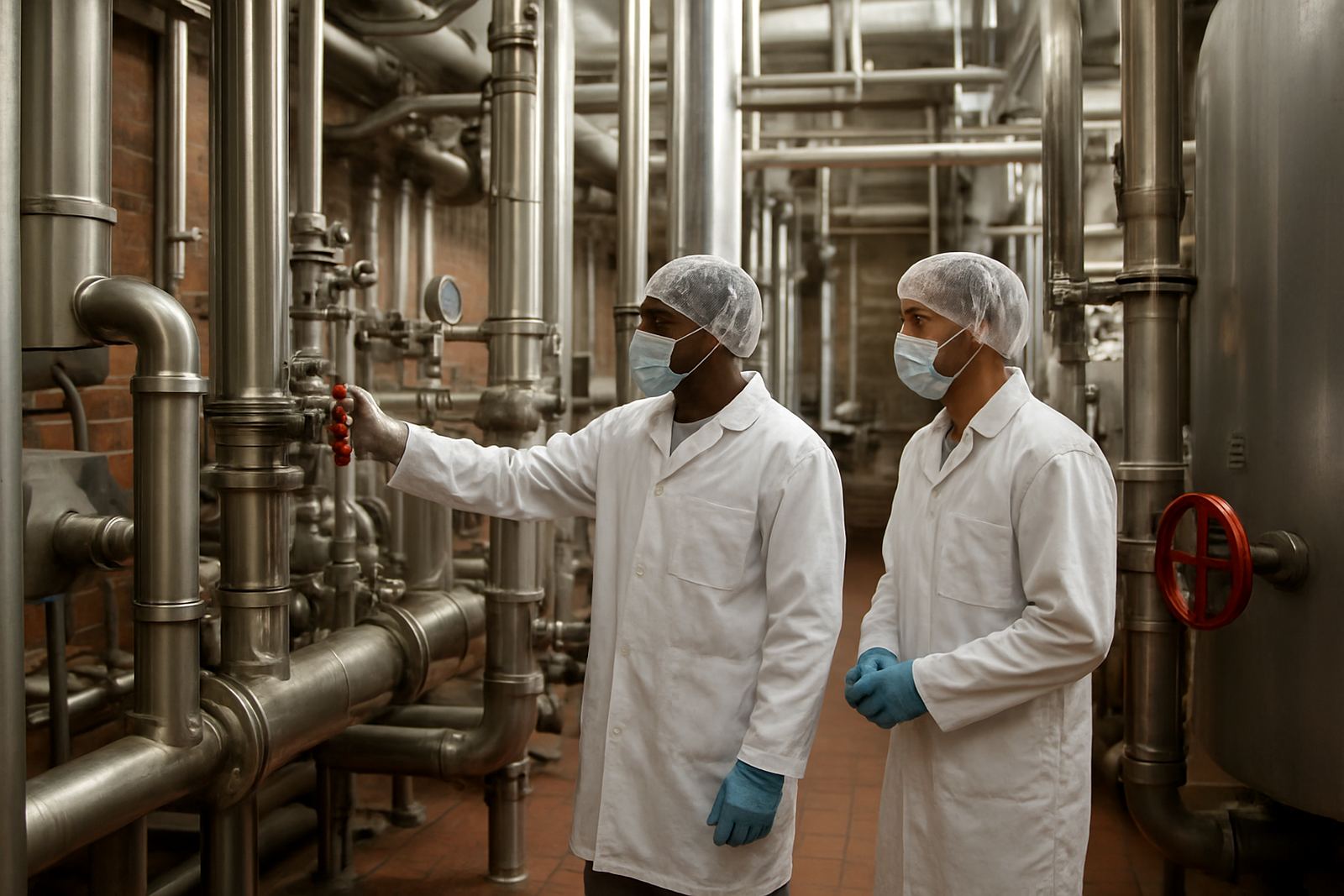
In food processing, heat is part of the production line. It is needed for washdown, tank cleaning, ingredient preparation, cooking support, sterilising water and keeping product temperatures where they should be. If the hot water drops away mid-shift, the whole site feels it, from hygiene teams to the packing room.
Ai-TEC works with factories that run early starts, night shifts and weekend production. We understand the practical side too, like load-shedding, boiler room space that is too small for the original layout, and coastal humidity on sites that store equipment near the sea. A proper system should suit the plant duty cycle, water quality and the way your operators actually use it.
Our base in Jet Park, Boksburg supports Gauteng sites quickly, with service teams also covering Kempton Park, Germiston, Pretoria, Midrand and Sandton, plus national callouts where needed.
Typical Equipment Used In Food Processing
The right setup depends on whether the plant needs continuous hot water, indirect heating, or temperature control for a process vessel. Most food sites use a mix of equipment rather than one single unit, because washdown demand and process demand are rarely the same.
- Commercial and industrial boilers for steam or hot water generation
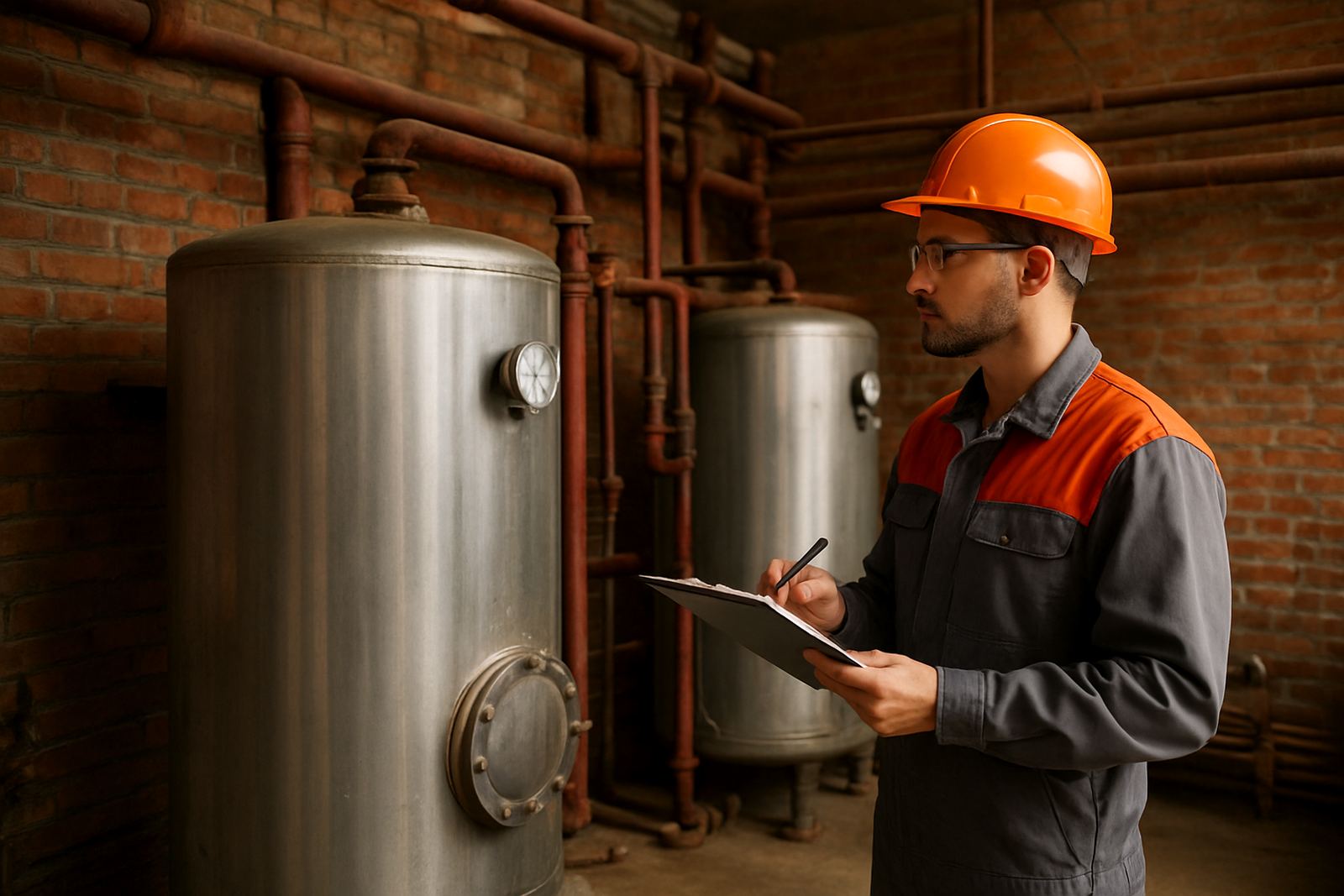
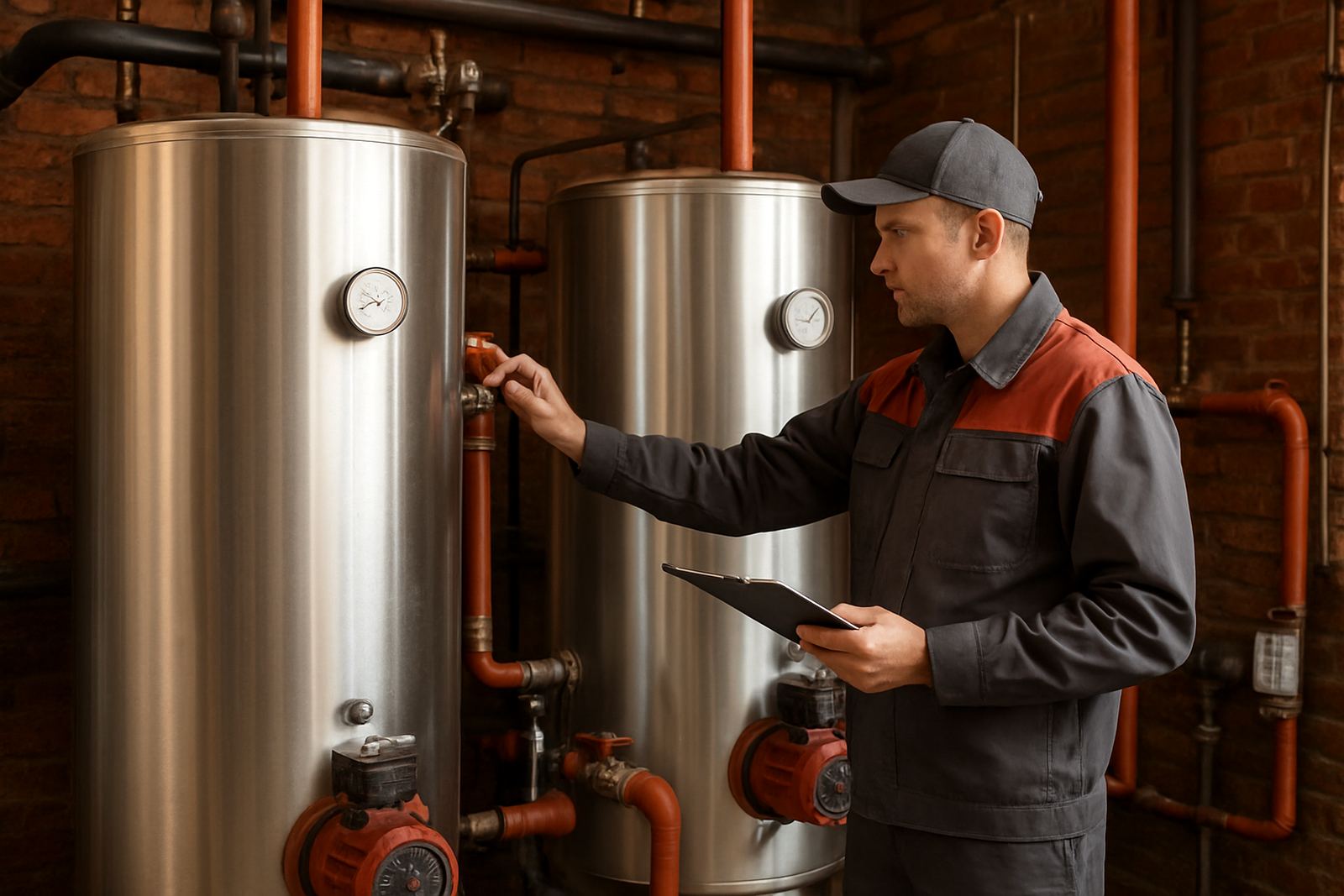
- Calorifiers for stored hot water for washdown and staff facilities
- Inline heaters for controlled point of use hot water
- Controls and sensors for stable temperature management
- Water treatment support to reduce scale, corrosion and tube fouling
For bakeries, dairies, sauce plants, meat processors and meal prep sites, we often find that the plant needs a mix of capacity and quick recovery. If the system is too small, operators end up waiting for hot water. If it is too large, the plant burns through fuel or electricity for no good reason.
Layout And Planning Advice For A Food Factory
Planning should start with the actual water demand, not just the nameplate size of the equipment. A washdown line in one area may need high flow for a short period, while a cooking support area may need a steady supply over many hours. Those are different duty profiles and should be treated that way.
We normally look at the following before recommending a solution:
- Peak hot water demand per shift
- Water inlet temperature through the year
- Available gas, diesel, electricity or steam supply
- Boiler room access, ventilation and flue routing
- Drainage and safe blowdown points
- Food safety rules, cleaning schedules and plant access paths
On older sites in Boksburg, Germiston or Pretoria, the boiler room is often tucked into a corner with poor airflow and tight access for maintenance. That leads to heat stress on equipment and long turnaround times for repairs. A better layout allows safe servicing, decent combustion air and enough space around valves, controls and treatment plant.
Common Mistakes We See On Food Processing Sites
A lot of trouble starts with shortcuts during the original installation. Some plants buy equipment based on price alone, then spend far more on repairs, fuel and downtime over the next few years. Others forget that water quality changes over time, especially where borehole water is blended in or municipal supply fluctuates.
Common mistakes include undersized calorifiers, poor insulation on pipe runs, no regular combustion tuning, and no plan for standby heat during load-shedding or utility interruptions. Another issue is placing heaters too far from the point of use, which wastes energy and slows down washdown at the very time the team needs speed.
We also see plants that skip annual inspections. That is a mistake because small faults, like tired seals, dirty burners or poor controls, often show up first as rising fuel use, uneven temperatures or pressure problems. Catching them early saves money and avoids a callout at 2 am.
Maintenance That Keeps Production Moving
Food processing heat equipment should be treated as production-critical plant. The maintenance plan should fit the shift pattern and hygiene window, not just the calendar. Ai-TEC handles boiler servicing, calorifier maintenance, inline heater repairs, combustion tuning, refractory relining, annual inspections and emergency callouts.
Our service teams work with production managers who need short shutdown windows and clear feedback. That means practical fault finding, clean handover notes and a plan for the next visit. Where water quality is part of the problem, we can assist with treatment checks and help reduce scale build-up in heat exchangers and vessel jackets.
For plants that cannot stop, a planned maintenance approach is usually cheaper than waiting for a failure. A controlled service in the morning can be far better than a full production halt later in the week.
Budget Ranges For Food Processing Heat Systems
Costs vary a lot depending on capacity, fuel type, controls, pipe work and whether the plant needs a new install or a refurbishment of existing gear. For smaller food sites, a basic hot water solution can start from around R85 000 to R180 000. Mid-sized plants often fall into the R180 000 to R650 000 range, especially where calorifiers, controls and pipe reticulation are included.
Large process sites with higher demand, redundancy, flue work, treatment plant and specialised control can run from R650 000 to well above R2 million. Refurbishment is often a sensible option when the shell and structure are still serviceable. In many cases, upgrading controls, burners, insulation and treatment support gives a better return than replacing everything at once.
We normally quote after a site visit or a proper duty review, because two plants with the same floor area can have very different heat loads.
What A Good Site Visit Should Cover
A useful site visit is not just about looking at the boiler. It should cover the process areas, the washdown points, the hot water storage, the pipe routing and the access for service work. If a plant is in Gauteng, we can usually turn this around quickly, and for national operations we plan around shutdown windows and transport timing.
- Check present hot water demand against actual usage
- Inspect burners, controls, pumps and insulation
- Review combustion performance and heat recovery options
- Look at water quality and scale risk
- Confirm compliance needs for inspections and safe operation
A good recommendation should tell you what to keep, what to repair and what to replace. That helps the factory manager make a clear budget decision instead of guessing. It also gives maintenance teams a plan they can work with, which matters when production is already tight.